Before Buzz Lightyear ever dreamed of infinity (and beyond), before computer animation became the ubiquitous powerhouse it is today, a tiny, one-man-band toy soldier took a giant leap for digital kind. If you were paying close attention to the world of animation – or perhaps caught it during a special TV broadcast or on a niche compilation tape – you might remember the distinct look and feel of John Lasseter's 1988 short film, Tin Toy. It wasn’t just another cartoon; it felt like peering into the future, a five-minute marvel that simultaneously charmed and, let's be honest, maybe slightly unnerved us.

### A Toy's-Eye View of Terror
The premise is deceptively simple, tapping into a primal fear known to playthings everywhere: the destructive curiosity of a baby. We meet Tinny, a brand-new, brightly painted tin toy musician, fresh out of the box and eager to march. His world is the cozy, sun-dappled carpet of a living room. But then he arrives – Billy, the drooling, giggling, and utterly terrifying giant baby. From Tinny’s perspective, Billy isn't just a baby; he's a slobbering Kaiju, a force of nature leaving a trail of abused toys in his wake. The short brilliantly captures this shift in scale, turning a familiar domestic scene into a miniature horror-comedy as Tinny desperately seeks refuge under the sofa, joining a fellowship of other traumatized toys. It's a simple story, but Lasseter, who both wrote and directed, imbued it with genuine personality and relatable fear, even for a character made of polygons and pixels.
### Pixels and Personality: A Digital Dawn
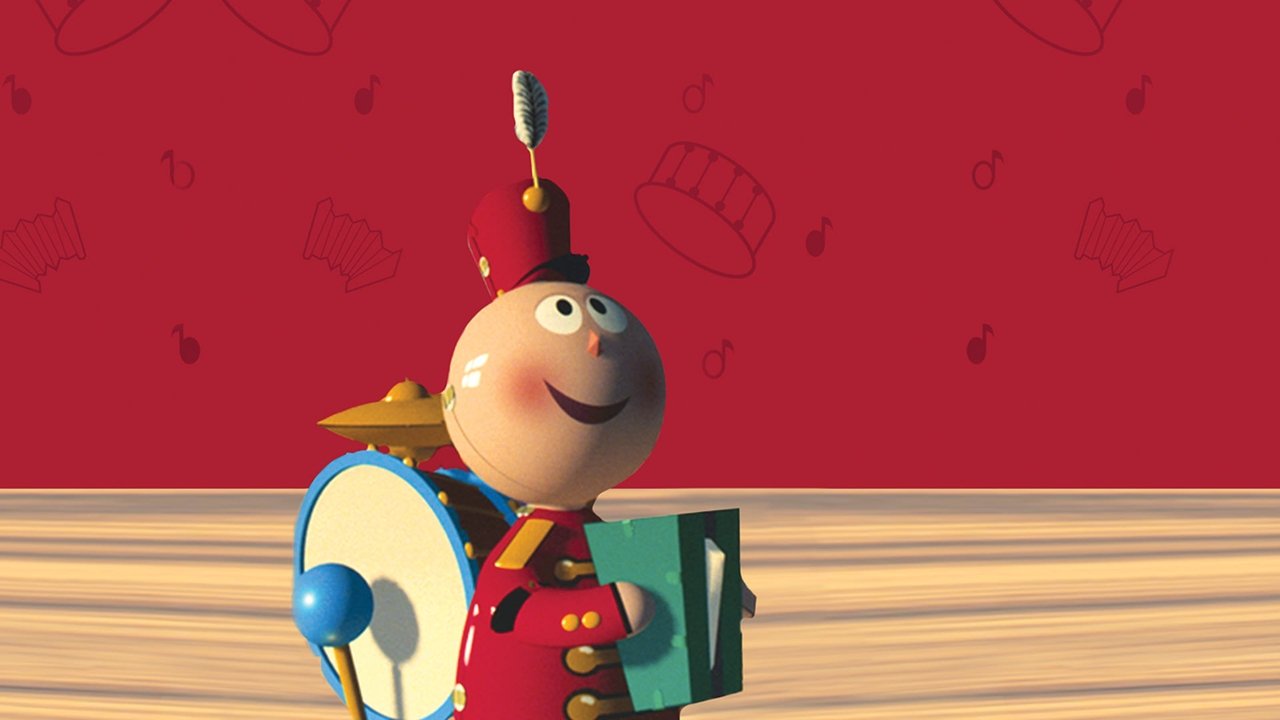
Watching Tin Toy today is a fascinating experience. Rendered on the powerful computers at a burgeoning studio called Pixar (then still primarily focused on hardware and software), it was a technical tour de force for its time. The textures on Tinny, the reflections on his metallic surface, the way light played across the room – these were leaps beyond what most audiences had seen from computer animation, which was often relegated to flying logos or abstract experiments. This wasn't just geometry; it was an attempt to create character and emotion through code.
Of course, we have to talk about Billy. Oh, Billy. Crafting a convincing human baby in CGI was, and arguably still is, one of animation's greatest challenges. The Pixar team poured immense effort into giving Billy expressions and movement, utilizing early versions of the animation principles that would later define their features. Yet, the result famously landed deep in the "uncanny valley" – that eerie space where something looks almost human, but slight imperfections make it unsettling. His glassy eyes and somewhat detached movements were, for many viewers, the stuff of low-key nightmares. But here’s the thing: even Billy’s creepiness is part of Tin Toy's charm and historical significance. It showcases the ambition of the project and the very real limitations Lasseter and his small team were bravely pushing against. It’s a snapshot of pioneers wrestling with new tools, and there's something endearing about that struggle.
### Retro Fun Facts: More Than Just a Short
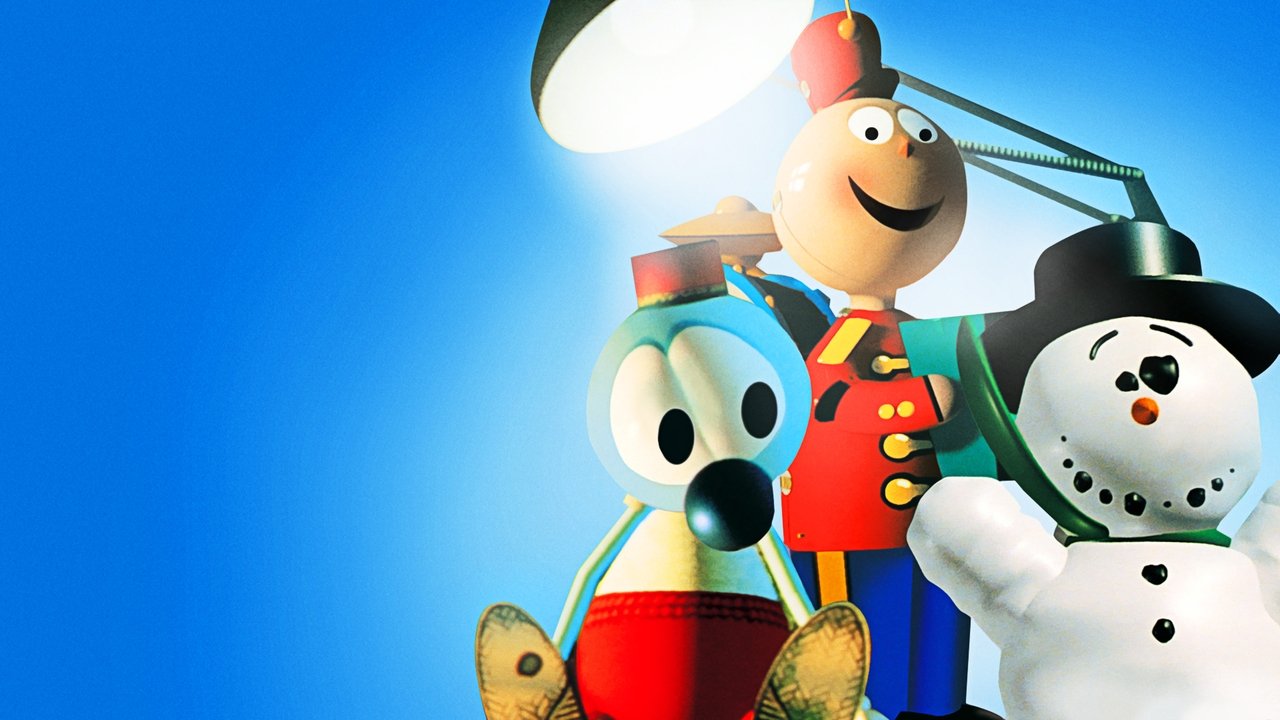
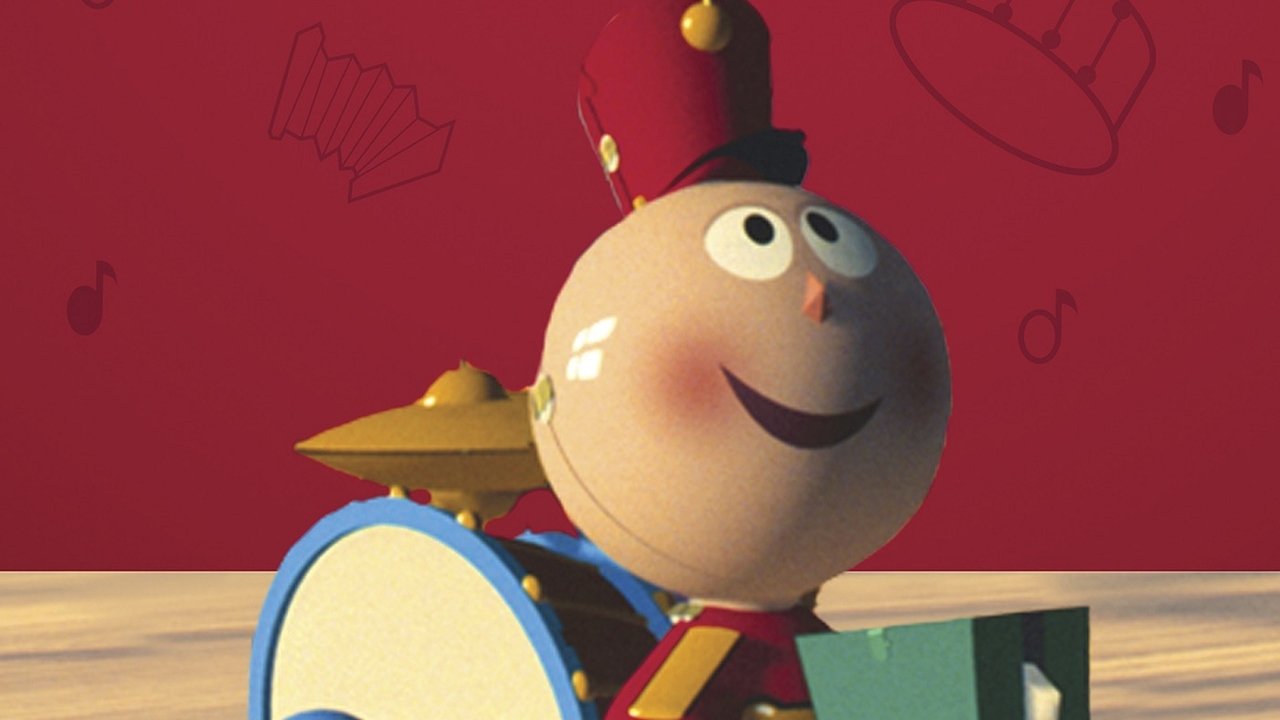
- Oscar Gold: Tin Toy wasn't just a technical demo; it struck a chord. In a move that stunned many traditional animators, it won the Academy Award for Best Animated Short Film in 1989. This was the first time a CGI film had ever received this honor, a massive validation for the medium and for Pixar's storytelling potential.
- Paving the Way: This short was absolutely crucial for Pixar's survival and future. It served as a proof-of-concept, demonstrating to potential investors (including, eventually, Disney) that computer animation could create appealing characters and narratives. Without the success and critical acclaim of Tin Toy, the path to Toy Story might have looked very different.
- Early RenderMan: The groundbreaking rendering software RenderMan, which would become an industry standard, was instrumental in creating the film's look. Tin Toy was one of its earliest showcases, demonstrating its power for textures, lighting, and complex surfaces. Imagine the hours spent rendering those few minutes on the hardware of the late 80s!
- Seeds of a Story: The central idea – toys having their own secret lives and feelings when humans aren't looking – clearly resonated with Lasseter. It’s impossible not to see Tin Toy as a direct conceptual ancestor to Toy Story, exploring similar themes of toy anxiety, belonging, and the relationship between toys and their owners.
### Why It Still Clicks
Even with Billy’s slightly haunting digital stare, Tin Toy holds up remarkably well because its core idea is timeless. The perspective shift, the simple narrative arc (fear, empathy, connection – Tinny eventually feels sorry for the crying Billy and tries to cheer him up), and the sheer novelty of seeing this world rendered in such a unique way back then leaves a lasting impression. It wasn't just code; it was heart, programmed line by line. You could feel the passion of the creators bleeding through the pixels. It reminds us of a time when CGI felt genuinely magical and new, full of untapped potential. Did any of us watching back then truly grasp where this technology would lead? Probably not, but we felt the spark.
Rating: 9/10
This score reflects Tin Toy's immense historical significance, its groundbreaking technical achievements for 1988, and its undeniable charm, even with the era's limitations (hello, Billy!). It wasn't just a short film; it was a declaration of intent from Pixar and a pivotal moment in animation history. Its Oscar win cemented CGI's legitimacy, and its core concept laid the foundation for a generation of beloved animated features.
Tin Toy is more than just a retro curiosity; it’s the little engine that could, a tiny digital soldier heralding the dawn of a whole new world of cinematic storytelling. A true VHS-era treasure marking the spot where the future began.