It arrived not with a thunderous cinematic crash, but with the quiet hum of processors and the gentle bounce of… well, a lamp. In 1986, amidst the big hair and neon glow of the decade, a two-minute animated short flickered to life, offering a glimpse into a future most of us couldn't even fathom. "Luxo Jr." wasn't just a cartoon; it was a tiny, perfectly formed revolution rendered in polygons, and it charmed its way into animation history.
For many of us encountering it back then, perhaps on a cutting-edge tech program or a curated animation showcase (likely recorded onto a trusty VHS!), it felt utterly distinct. We were accustomed to the fluid lines of Disney or the anarchic energy of Looney Tunes. Seeing desk lamps imbued with personality through the seemingly cold medium of computer graphics? That was something else entirely. It felt less like watching a film and more like witnessing a magic trick, one performed with algorithms instead of sleight of hand.
### A Simple Story, Perfectly Illuminated
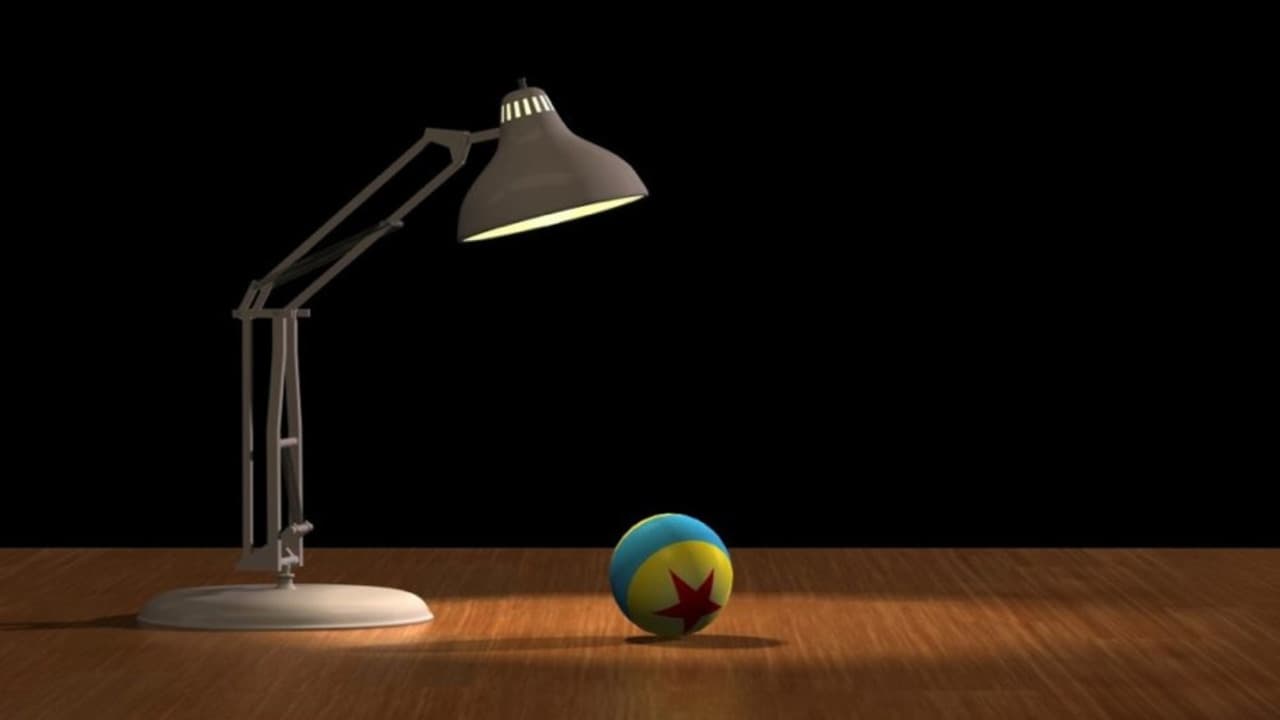
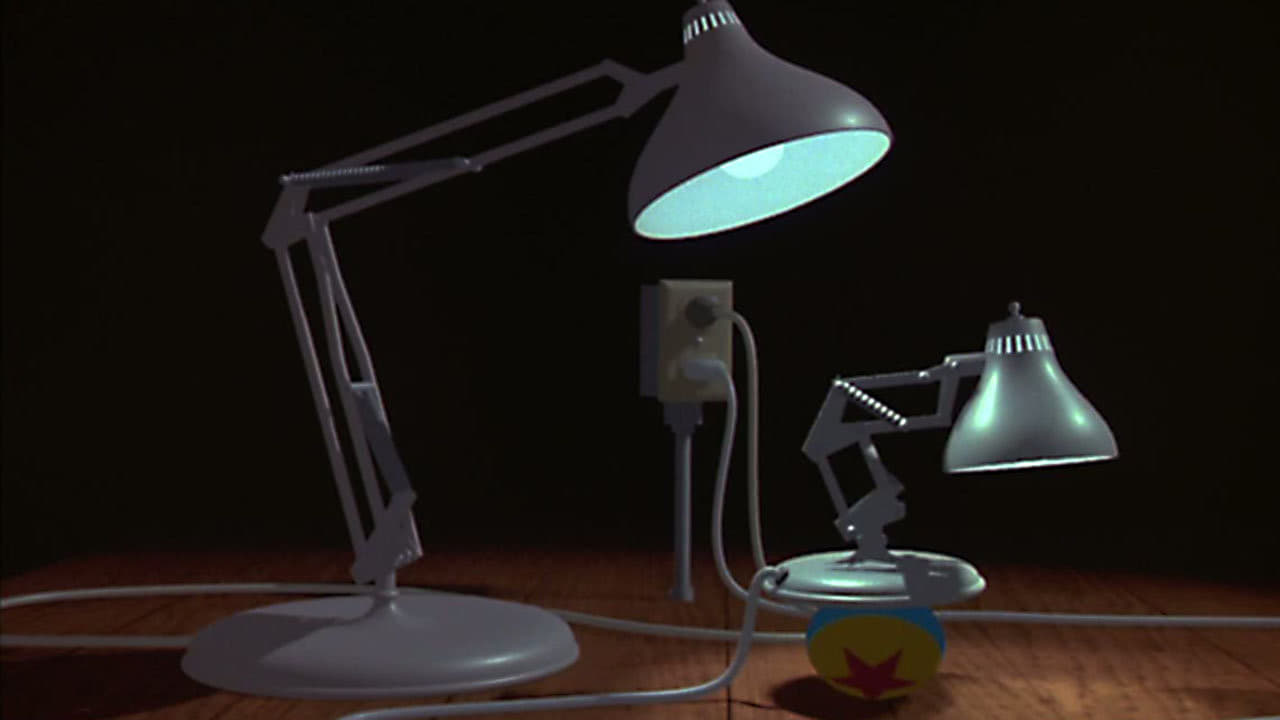
The premise of "Luxo Jr." is deceptively simple: a large Anglepoise-style lamp (Luxo Sr., though unnamed in the short) watches as a smaller, more energetic version (Luxo Jr.) playfully interacts with a small rubber ball. The younger lamp bats it around, eventually squashes it flat, and then sheepishly hops off-screen, only to reappear pushing a much larger ball. That’s it. Two minutes, no dialogue, just the whirring, clicking, and bouncing sounds of lamps and balls.
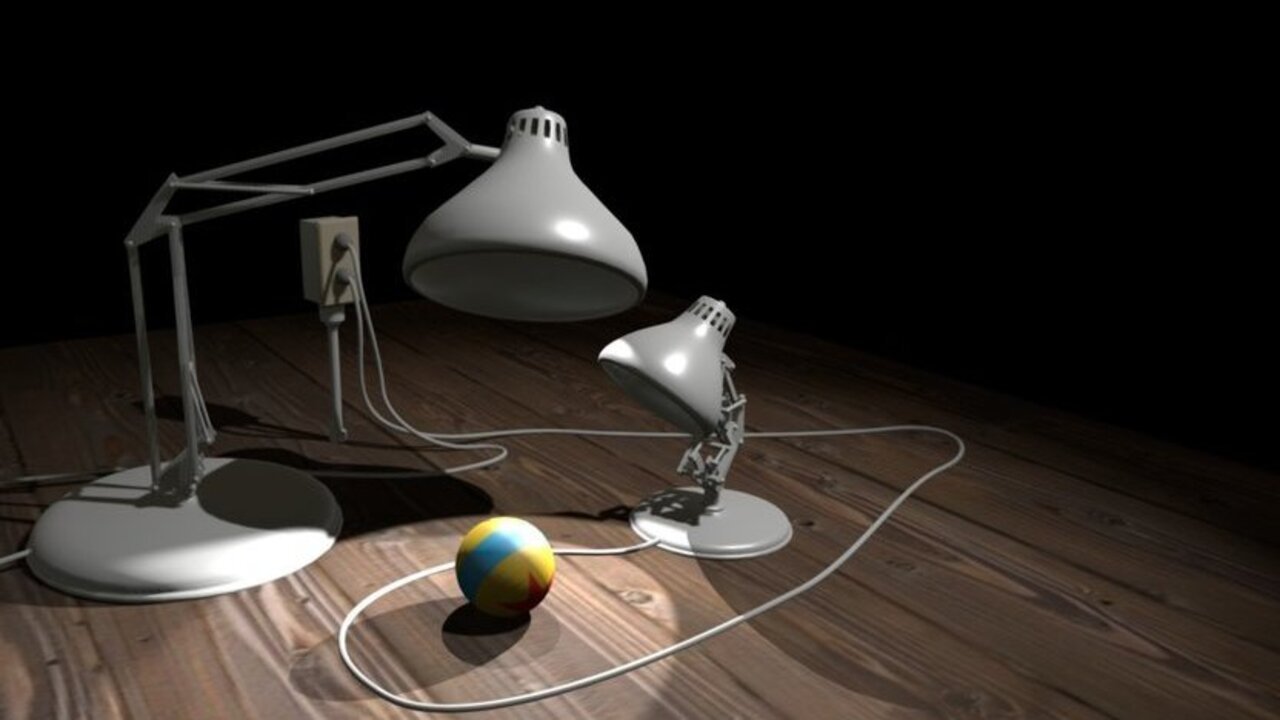
Yet, within that simplicity lies genius. John Lasseter, then working at the fledgling Graphics Group division of Lucasfilm (which would soon become the independent Pixar), directed and animated the short. Lasseter, a Disney-trained animator who saw the potential in computer animation for storytelling, didn't just make lamps move; he gave them character. Through subtle shifts in posture, speed of movement, and the timing of actions, he conveyed curiosity, exuberance, playful defiance, a touch of accidental destruction, and even parental exasperation (or perhaps fond indulgence) in the larger lamp. It was pure visual storytelling, proving that empathy and narrative could be generated from the most unexpected digital sources. You felt for that little lamp and its deflated ball.
### Pixels with Personality: Behind the Screen
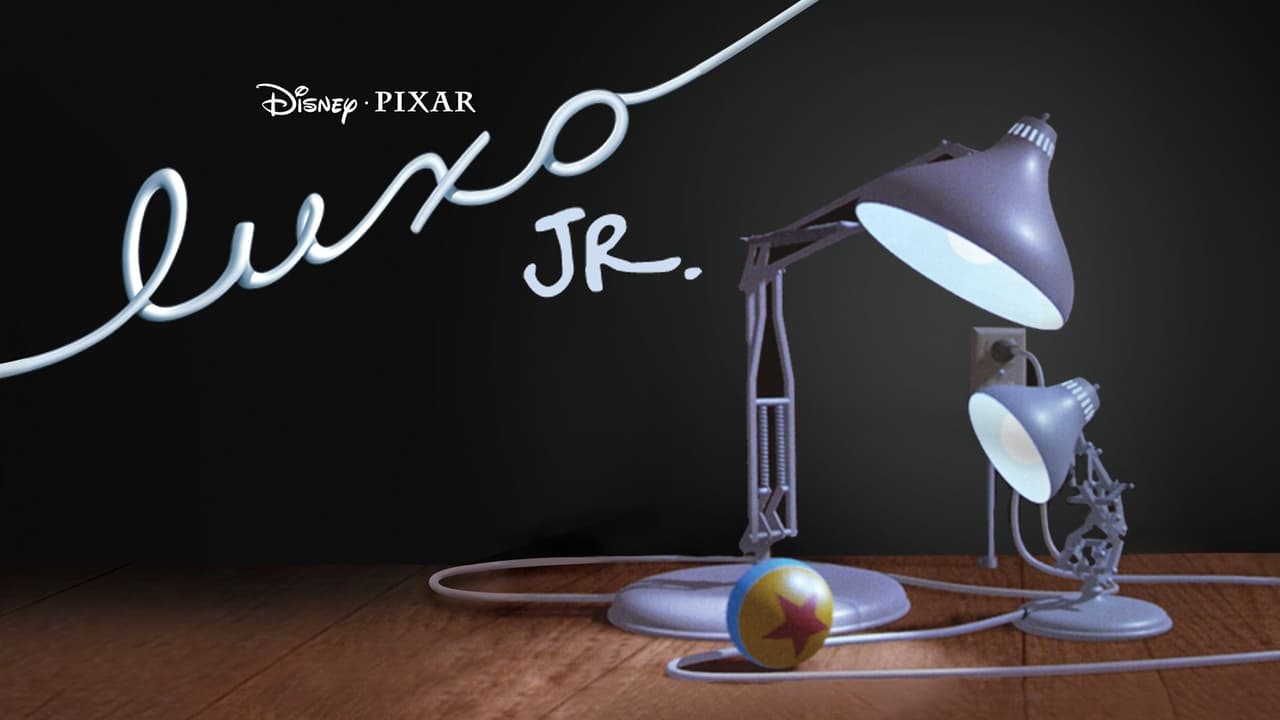
"Luxo Jr." was originally intended as a demonstration piece for the upcoming SIGGRAPH computer graphics conference in 1986, showcasing the capabilities of the Pixar Image Computer. John Lasseter wanted to move beyond just demonstrating technical prowess (like realistic reflections or textures) and show that CG could be used for character animation, traditionally the domain of hand-drawn art. He modeled the Luxo lamp sitting on his own desk, adding a 'child' version simply because babies have proportionally larger heads – hence Luxo Jr.'s oversized bulb.

The technical hurdles were significant for the time. Crafting believable movement, weight, and especially the expressive squash-and-stretch (an animation principle Lasseter brought from his traditional background) required innovative programming. The way light interacted with the surfaces, casting subtle shadows, was groundbreaking. It reportedly took Lasseter and his small team, including future Pixar stalwart Eben Ostby handling technical direction, around four and a half months to complete. The effort paid off spectacularly. "Luxo Jr." was a sensation at SIGGRAPH, captivating an audience of technologists and artists alike. It earned Pixar its first Academy Award nomination for Best Animated Short Film – an incredible achievement for a computer-animated piece in that era. While it didn't win the Oscar, the nomination itself sent shockwaves through the animation world.
### The Little Lamp That Lit the Way
Watching "Luxo Jr." today, perhaps on a digital format far removed from the grainy warmth of VHS, its technical aspects might seem less dazzling compared to modern CGI spectacles. But its charm and significance remain undimmed. This wasn't just a short; it was a proof-of-concept for an entire studio and, arguably, a whole new era of filmmaking. The expressive little lamp became Pixar's mascot, hopping across its logo before every feature film – a constant reminder of the studio's origins and its core belief in story and character above all else.
It demonstrated that computer animation could be warm, funny, and emotionally engaging. It laid the groundwork for everything that followed, from Toy Story (1995) – directed by Lasseter himself – to the countless digital worlds we now take for granted on screen. It proved that technology could serve artistry, bringing inanimate objects to life in ways previously unimaginable.
VHS Heaven Rating: 9/10
This near-perfect score reflects not just the short's undeniable charm and technical brilliance for its time, but its monumental historical importance. "Luxo Jr." is deceptively simple yet profoundly influential. It lacks the narrative complexity of later features, naturally, but its achievement lies in establishing the very possibility of character-driven CG storytelling with heart. It’s a masterclass in visual communication and emotional resonance packed into two minutes.
So, the next time you see that little lamp hop across the Pixar logo, remember this tiny, brilliant gem from 1986. It wasn't just a short film; it was the spark that ignited a digital animation revolution, proving that even a humble desk lamp could become an unforgettable movie star.