Alright, fellow tapeheads, gather 'round. Remember those hazy Friday nights browsing the aisles of the local video store? Past the big new releases, past the familiar action heroes, lurking in the comedy section, sometimes you’d stumble across a cover so wonderfully bizarre, so undeniably 80s, that you just had to take a chance. For many of us, that strange gem might have been 1988’s Hot to Trot, a movie whose premise alone – Bobcat Goldthwait inheriting a talking horse voiced by John Candy that gives stock tips – feels like it was cooked up in a fever dream fueled by Wall Street ambition and too much sugary cereal.
### A Different Kind of Horsepower
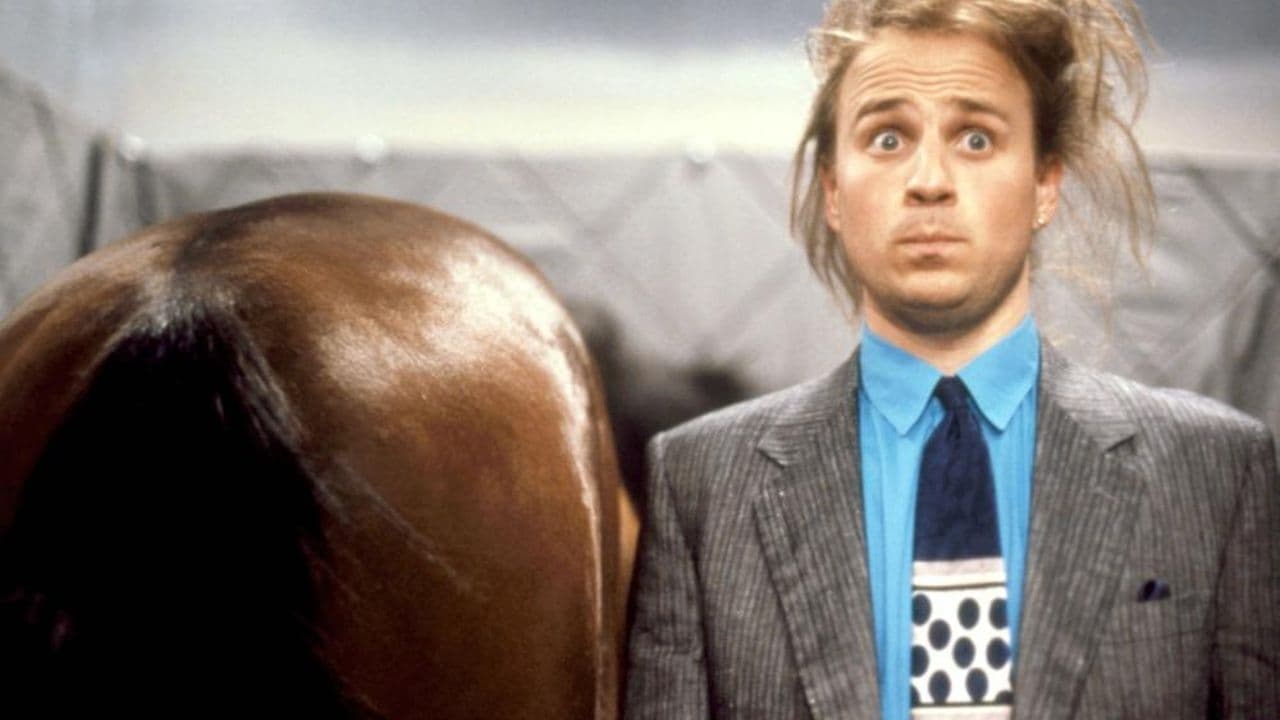
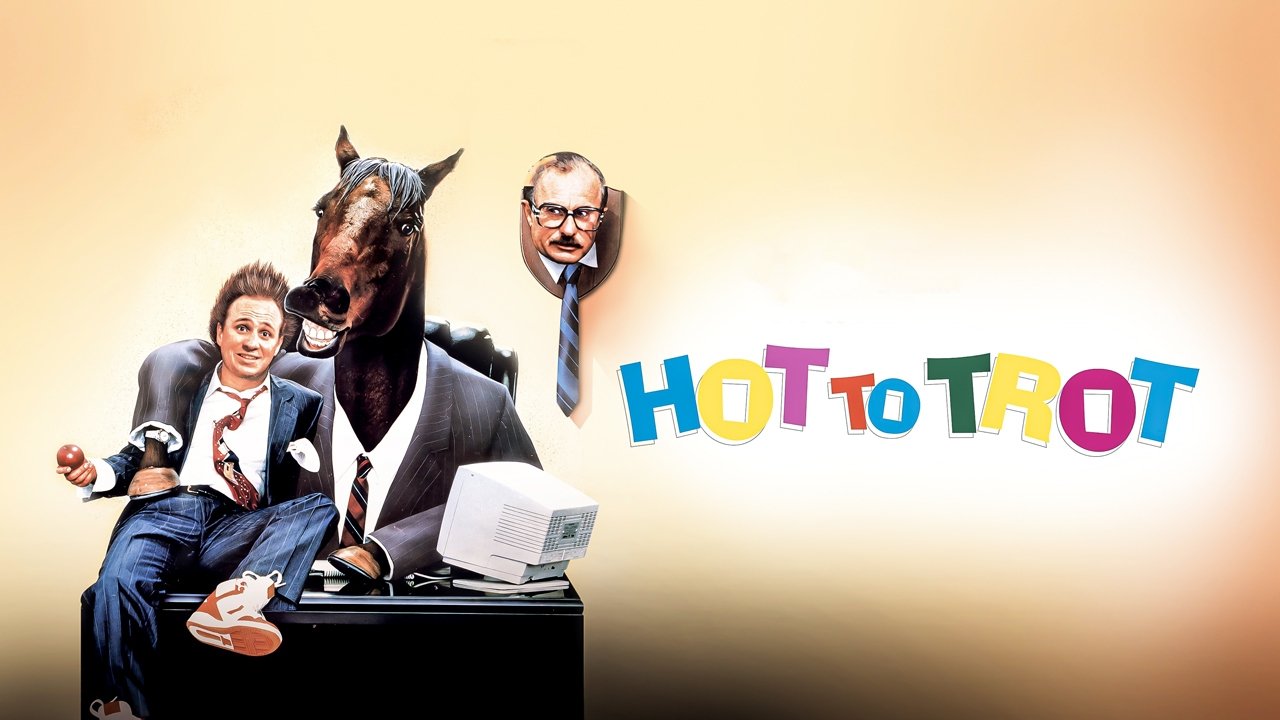
Let's be honest, the concept is utterly bonkers. Fred P. Chaney (Goldthwait) is a lovable goofball, the kind of character Goldthwait seemed destined to play throughout the late 80s with that signature strangled-cat vocal delivery and perpetually bewildered expression. He inherits half of his late mother's brokerage firm, much to the chagrin of his slimy, ruthless stepfather Walter Sawyer, played with typically delightful avarice by the king of 80s corporate villainy, Dabney Coleman. Oh, and Fred also inherits Don, a horse who talks. Not just talks, but talks like the warm, witty, and instantly recognizable John Candy. Don, it turns out, gets financial intel straight from the horse's mouth... literally, from other animals listening in on human conversations. Yes, really.
It’s the kind of high-concept pitch that probably sounded hilarious after a few too many cocktails at a Hollywood party. The execution, directed by Michael Dinner (who, perhaps surprisingly, also gave us the much more grounded and affecting teen dramedy Heaven Help Us in 1985), leans heavily into the sheer absurdity. This isn't sophisticated satire; it's broad, sometimes crude, and relies almost entirely on the clash between Goldthwait’s manic energy and Candy’s smooth, knowing delivery emanating from a horse.
### That Voice, That... Shriek?
You can't talk about Hot to Trot without focusing on its central duo, even if one is purely vocal. Bobcat Goldthwait was at the peak of his stand-up fame, a whirlwind of jerky movements and that unique, high-pitched, rambling voice. Putting him front and center in a mainstream comedy was... a choice. Does it always work? Not exactly. His shtick can wear thin over 90 minutes, but his genuine oddball energy gives the film a peculiar heart it wouldn't have otherwise. He feels less like an actor playing a part and more like Bobcat Goldthwait reacting to the insanity unfolding around him, which, in this context, is weirdly endearing.
Then there's John Candy as Don. Candy could make reading the phonebook sound charming, and his voice work here is arguably the film's saving grace. He imbues Don with personality, warmth, and comic timing that elevates the often rudimentary effects used to make the horse "talk" (mostly simple jaw flaps synced, sometimes loosely, to the dialogue). It’s a testament to Candy’s talent that you mostly buy into this talking equine financial advisor. There's a charming retro fun fact here: apparently, Elliott Gould was initially considered for Don's voice. Imagine that version! While Gould is great, Candy's specific brand of heart feels essential to making Don remotely believable, or at least likable.
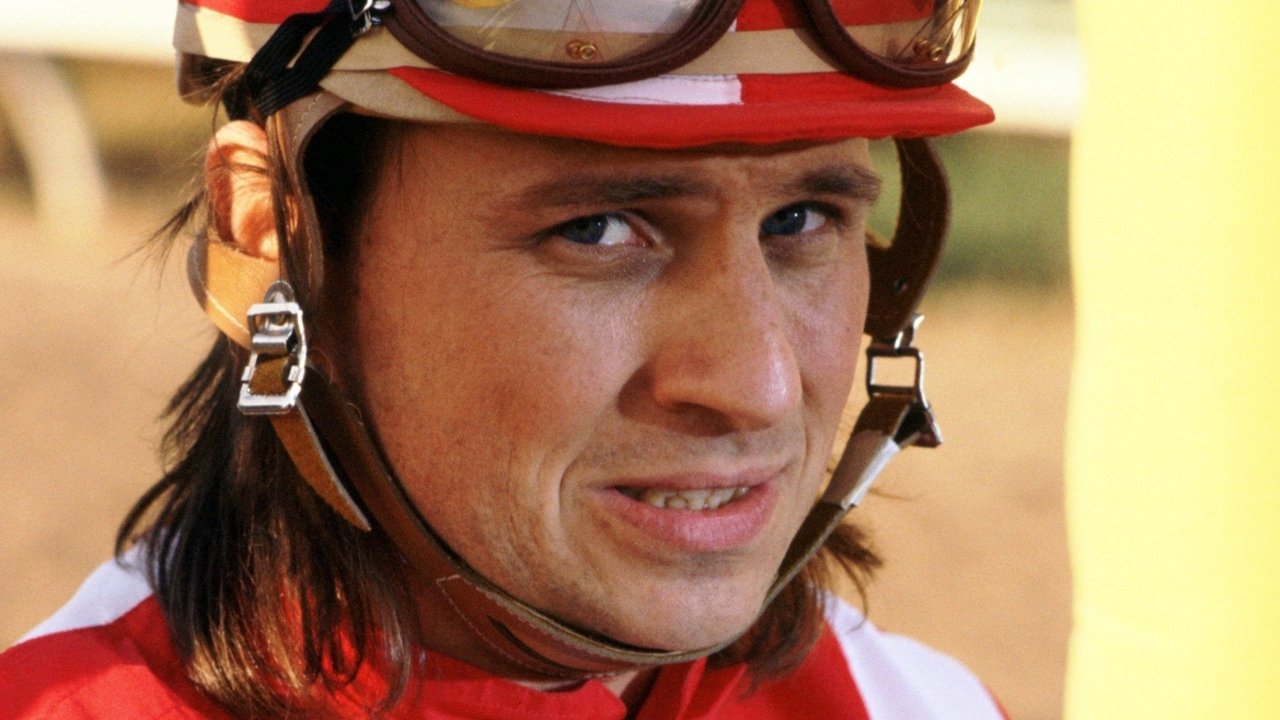
And let's not forget Dabney Coleman, chewing the scenery as the sneering antagonist. Coleman built a career playing these entitled jerks (9 to 5, WarGames), and he slides into the role effortlessly, providing the perfect foil for Goldthwait’s chaos. Virginia Madsen also appears as Fred's love interest, adding a touch of class and relative normalcy amidst the equine financial shenanigans.
### Riding High on Absurdity
This film swam against the tide from the start. With five credited writers (often a sign of a turbulent development process), it's no surprise the tone sometimes wobbles. Critically panned upon release (Siskel & Ebert famously gave it a savage "two thumbs down"), and a box office dud – pulling in only about $6.4 million against a reported $9 million budget – Hot to Trot found its audience later, shuffled endlessly on cable TV and nestled on those glorious video store shelves. It became one of those movies – the ones you watched late at night, maybe slightly embarrassed, but definitely entertained by its sheer, unadulterated weirdness.
Does it hold up? Well, that depends on your tolerance for aggressively 80s aesthetics, Goldthwait's unique performance style, and jokes that occasionally land with a thud. The stock market plot feels very much of its time, a weird blend of Wall Street excess and talking animal fantasy. There’s no slick CGI here making Don emote; it’s all practical effects and the power of Candy’s voice, which honestly adds to the charm for us VHS aficionados. Remember how amazing even simple animatronics seemed back then?
The comedy aims for broad laughs, sometimes dipping into the slightly raunchy territory allowed by its PG-13 rating. There are some genuinely funny lines, mostly thanks to Candy, and the sheer spectacle of a horse influencing the stock market provides a baseline level of amusement. It’s dumb, yes, but it’s knowingly dumb, inviting you to just roll with its ridiculous premise.
VHS Heaven Rating: 4/10
Justification: Let's be real, Hot to Trot is not a conventionally "good" movie. The plot is flimsy, Goldthwait's performance is an acquired taste, and much of the humor feels dated. However, for sheer 80s oddity, the undeniable charm of John Candy's voice work, and Dabney Coleman doing his thing, it earns a few points purely for nostalgic curiosity and its status as a uniquely bizarre artifact of the era. It's the kind of movie you might have rented as a kid purely based on the cover and the promise of a talking horse, and remembering that experience adds a layer of fondness.
Final Word: A cinematic long shot that didn't quite cross the finish line, but Hot to Trot remains a fascinatingly strange relic from the VHS stable – proof that sometimes, the weirdest bets were the ones you just had to watch.