Okay, settle in, grab a lukewarm soda, maybe adjust the tracking slightly in your mind’s eye… because we’re diving into a stone-cold classic from the shelves of every decent video store back in the day: John Hughes’ 1987 masterpiece of travel misery, Planes, Trains and Automobiles. Forget the high school angst for a minute; this was Hughes proving he could mine comedy gold – and surprising pathos – from the weary world of adult frustration. It wasn't just another comedy; it felt different, somehow more resonant, even amidst the outright slapstick.
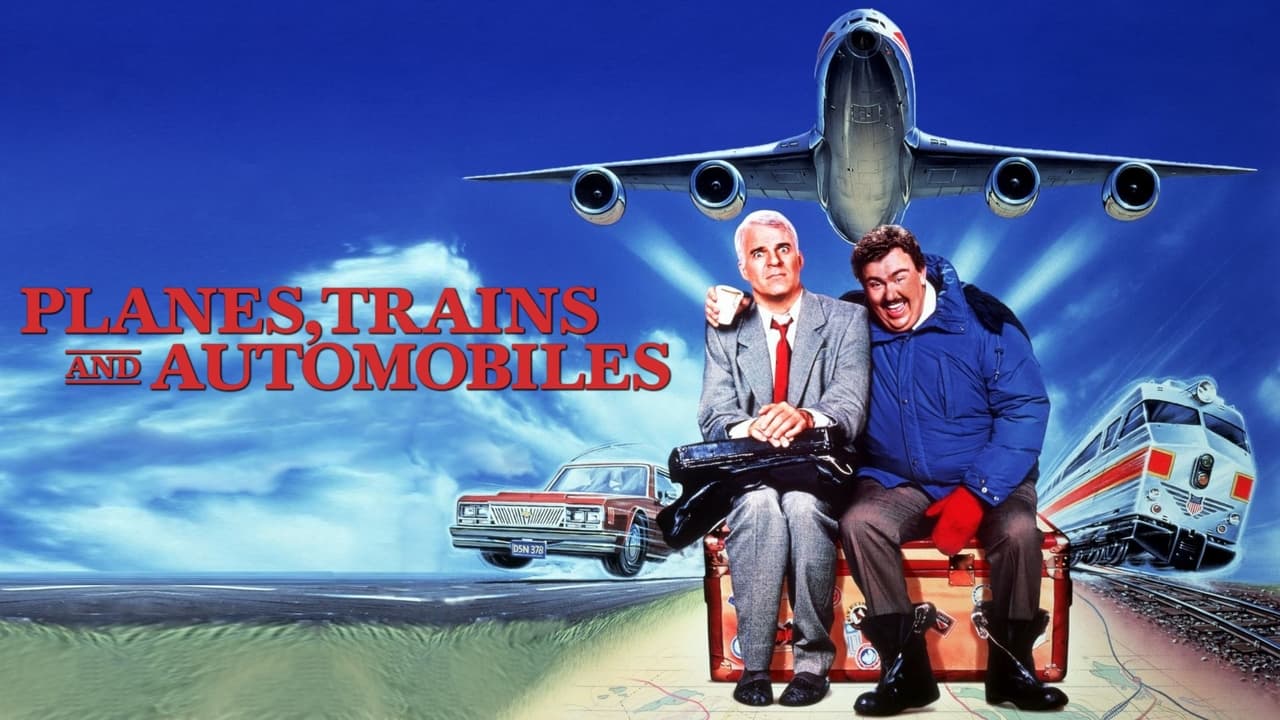
I distinctly remember renting this one, probably on a Friday night, expecting pure laughs (which it delivers in spades), but getting blindsided by its genuine heart. It’s a film that perfectly captures that pre-internet, pre-cellphone era of travel chaos, where a simple flight cancellation could cascade into an odyssey of absurdity.
An Unlikely Pair on a Hellish Holiday Haul
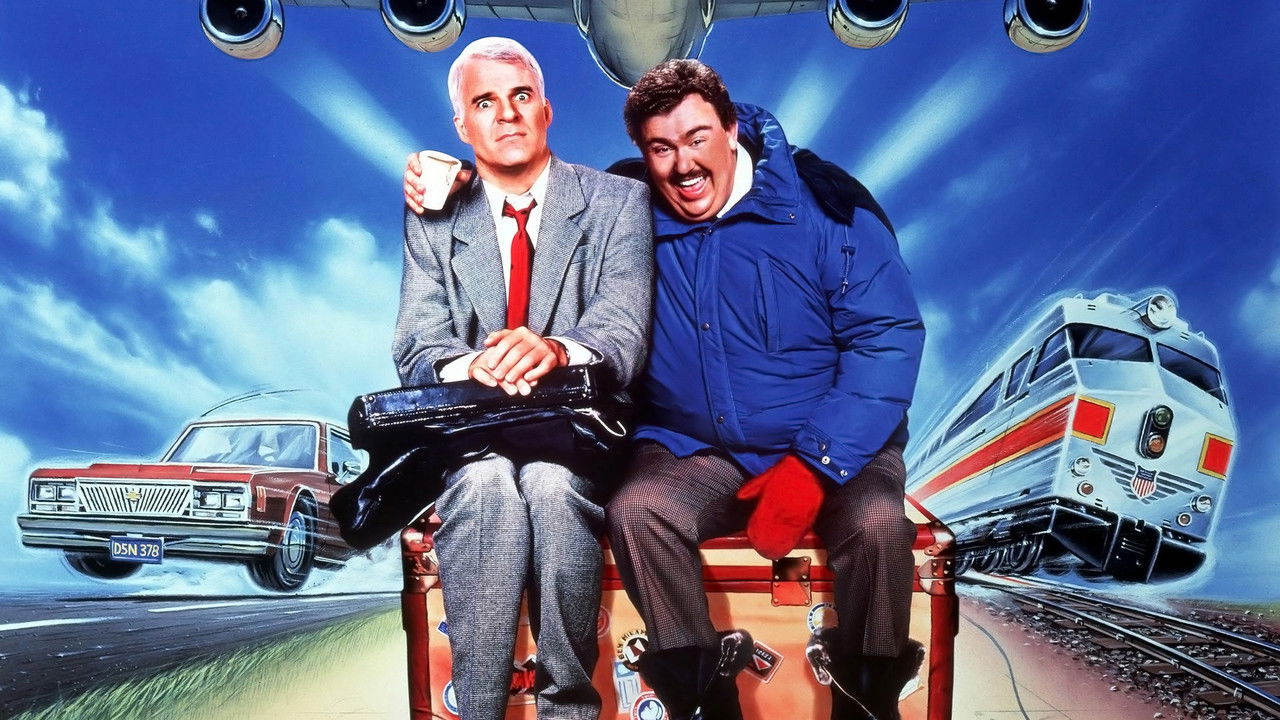
The setup is beautifully simple: uptight advertising executive Neal Page (Steve Martin, absolutely nailing the slow-burn exasperation) is desperate to get home to Chicago from New York City for Thanksgiving. A freak snowstorm grounds his flight, setting off a chain reaction of travel nightmares. His unwilling, and often unwitting, companion on this disastrous journey is Del Griffith (John Candy, in perhaps his most beloved role), an overly friendly, perpetually optimistic shower curtain ring salesman. They are oil and water, Felix and Oscar trapped in a loop of cancelled trains, dodgy motels, and one truly unforgettable rental car experience.
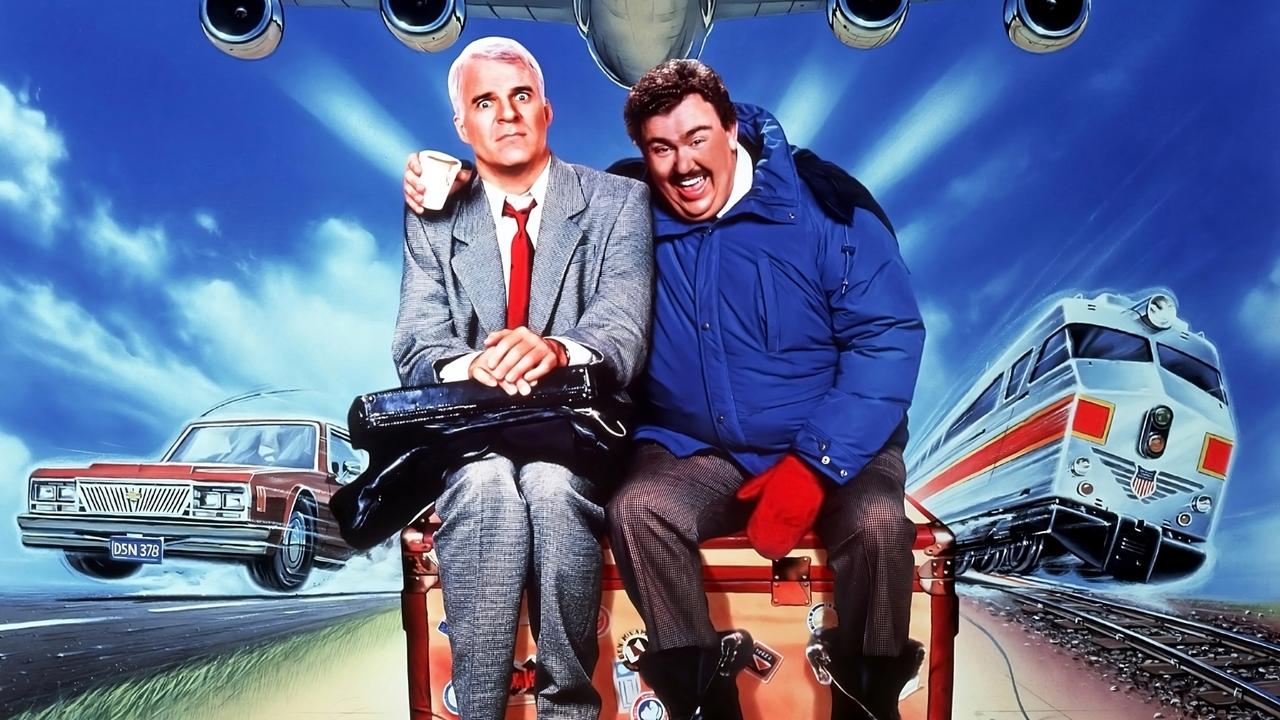
Steve Martin is brilliant as the tightly-wound straight man, his mounting fury a masterclass in physical comedy and barely contained rage. Who can forget his epic, F-bomb laden tirade at the rental car counter? Fun fact: that scene apparently contained 18 F-bombs, which pushed the boundaries for an R-rating back then. Hughes had to really fight for it, arguing it was justified by the character's extreme frustration. And wasn't it just? It felt cathartic even watching it!
But the film belongs, heart and soul, to John Candy. Del Griffith could have been merely annoying, a boorish obstacle. Candy, however, infuses him with such warmth, vulnerability, and an underlying loneliness that he becomes utterly endearing. His monologues, especially the famous "I like me" speech, land with surprising weight. Hughes, who reportedly based the character partly on himself and partly on encounters from his own difficult travel experiences (the entire film was sparked by a real 5-day ordeal he endured trying to get home from NYC), clearly had immense affection for Del. It's said Hughes was fiercely protective of Candy on set, especially regarding any jokes about his weight.
The Grit Beneath the Gags
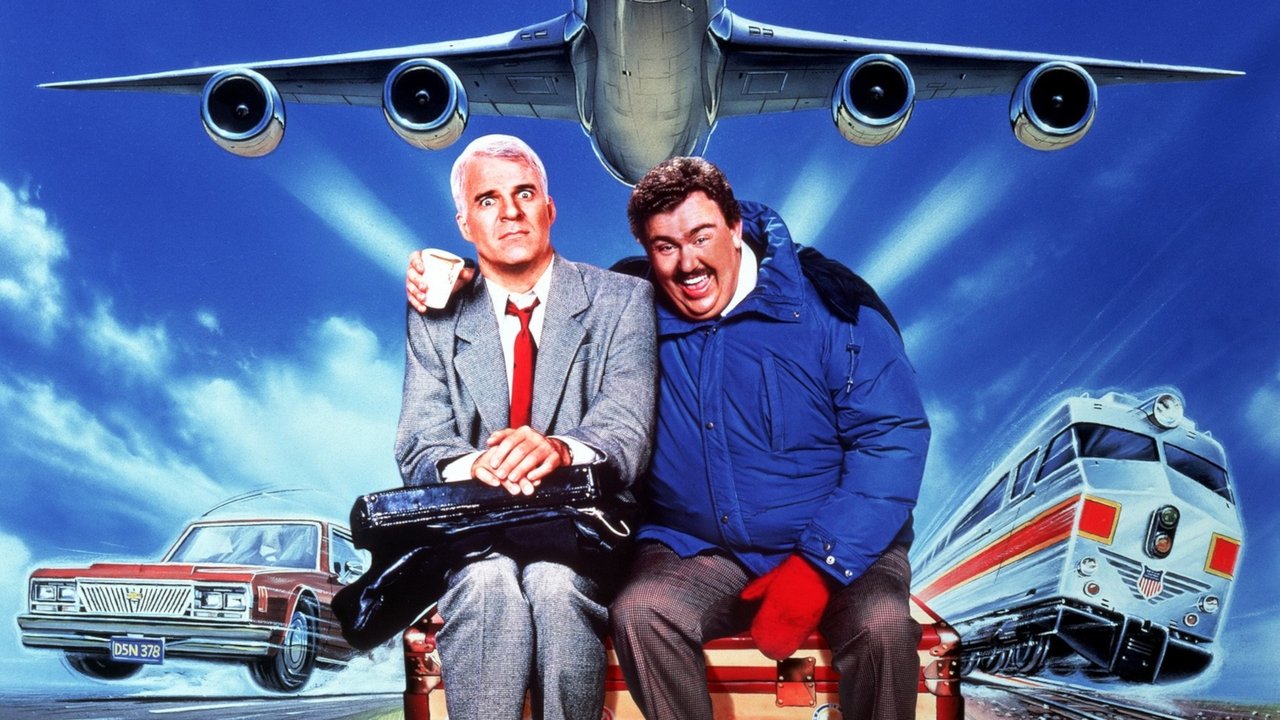
What makes Planes, Trains and Automobiles endure beyond the laughs is its grounding in reality, albeit heightened reality. Hughes shot much of the film on location during harsh winter conditions across the Midwest. You feel the cold, the slush, the sheer unpleasantness of being stranded. That sequence with the burnt-out rental car? That wasn’t CGI smoke, folks. That was a practically achieved effect, adding to the tangible sense of disaster. Remember how shocking, yet hilarious, it was to see that charred shell of a car still driving? They actually used multiple vehicles rigged for different stages of destruction. The dedication to capturing that real-world texture – the grimy bus stations, the questionable roadside diners, the identical motel rooms – makes the comedy hit harder because the frustration feels authentic.
Hughes, known then primarily for teen films like The Breakfast Club (1985) and Ferris Bueller's Day Off (1986), directs with a keen eye for both visual gags and subtle character moments. The pacing is relentless, mirroring Neal’s increasingly desperate journey. The editing plays a huge role here; rumor has it that Hughes shot an enormous amount of footage, potentially enough for a much longer cut, but whittled it down to this tight, hilarious 93 minutes. The soundtrack, featuring a mix of bluesy rock and that melancholic, synth-driven theme by Ira Newborn, perfectly complements the shifting moods.
More Than Just Laughs
Beneath the surface-level conflict of mismatched personalities, the film explores themes of empathy, loneliness, and judging books by their covers. Neal’s gradual thawing towards Del, his realization that beneath the annoying habits lies a genuinely good, albeit lonely, man, gives the film its emotional core. The ending (Spoiler Alert! if you somehow haven't seen it) is a masterstroke of bittersweet revelation, re-contextualizing Del’s entire journey and delivering a powerful emotional punch that elevates the film beyond simple comedy. It avoids schmaltz, landing instead on a note of quiet understanding and connection. It's a testament to Hughes' writing and the incredible chemistry between Martin and Candy.
Critically, the film was well-received upon release, praised for its humor and the performances, especially Candy's. Audiences loved it too, and it quickly became a perennial Thanksgiving favorite, finding a permanent home on home video – that trusty VHS copy getting rewound countless times in households across the country. Its legacy is cemented not just as a great comedy, but as one of the definitive "road trip gone wrong" movies, and arguably John Hughes' most mature and heartfelt film.
VHS Heaven Rating: 9/10
Why the score? This film is near-perfect comedic alchemy. The casting is legendary, the script crackles with quotable lines and hilarious set pieces, and crucially, it possesses a genuine, earned emotional depth that few comedies achieve. It captures a specific pre-digital era of travel frustration perfectly, while its themes of empathy remain timeless. The pacing is tight, the direction assured. It only misses a perfect 10 perhaps because some minor gags feel slightly dated, but its core brilliance shines brightly.
Final Take: Pop this one in (or stream it, fine!) for a journey that’s still painfully funny and surprisingly touching. Planes, Trains and Automobiles is more than just a holiday movie; it’s a brilliant showcase for two comedic legends and a reminder from John Hughes that sometimes the most frustrating journeys lead to the most unexpected connections – a truth that felt profound even through the fuzz of a well-loved VHS tape.