## From Geometry Exam to Demonic Pact: Unearthing a Del Toro Proto-Gem
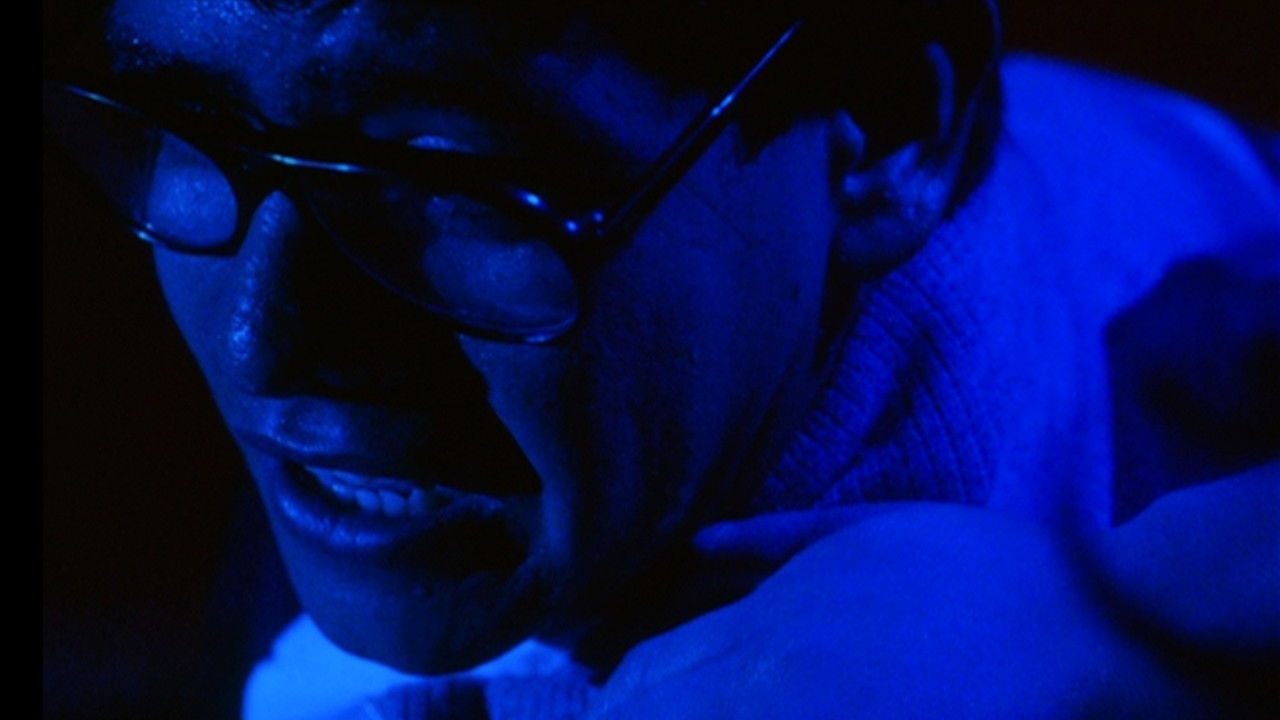
Sometimes, digging through the metaphorical bargain bin of cinematic history unearths something truly strange, a flickering image from a past life of a now-celebrated filmmaker. Such is the case with Geometry (Spanish: Geometria), a 1987 short film co-directed by a young, ambitious Guillermo del Toro and his friend René Castillo. Forget the polished gothic romance or creature features we know him for today; this is raw, almost primal filmmaking energy captured on grainy stock, feeling less like a calculated piece of art and more like a fever dream sketched onto celluloid during a frantic all-nighter. It’s the kind of cinematic artifact you might have imagined stumbling upon on a third-generation dubbed VHS tape traded amongst die-hard horror fans back in the day.
A Teenager's Faustian Bargain
The premise is deliciously simple, tapping into a universal teenage dread: facing an impossible geometry exam. Our unnamed protagonist (Fernando Garcia Marin) decides the only logical solution isn't hitting the books, but rather performing a complex occult ritual to summon a demon (René Castillo himself, looking suitably theatrical) to solve his academic woes. His exasperated mother (Guadalupe Del Toro, Guillermo’s actual mother, adding a layer of wonderfully meta home-movie charm) occasionally interrupts, utterly oblivious to the infernal pact unfolding in her son's bedroom. It’s a setup ripe for dark comedy, and Geometry leans into the absurdity with gusto.
Punk Rock Aesthetics and DIY Demons
What strikes you immediately about Geometry is its sheer, unadulterated DIY spirit. This isn't the meticulously crafted world-building of Pan's Labyrinth (2006) or The Shape of Water (2017). This is filmmaking born of passion and limited resources. The visual style is rough, kinetic, almost punk rock in its execution. The practical effects – particularly the demon's appearance and the ensuing gore – are endearingly handmade. There’s a certain charm to the visible seams, the way you can almost feel the filmmakers figuring things out as they go. Think early Sam Raimi (The Evil Dead, 1981) meets a particularly morbid episode of a kids' TV show.
It’s fascinating to note that del Toro reportedly revisited Geometry years later, creating a slightly re-edited director's cut (often found as a bonus feature, notably on the Criterion Collection release of his debut feature, Cronos from 1993). This later version tweaks the sound design and makes subtle changes, but the core chaotic energy of the 1987 original remains. It's a testament to the project's enduring, albeit bizarre, appeal even to its creator.
Seeds of the Maestro
Despite the rough edges, you can absolutely see nascent glimpses of the filmmaker Guillermo del Toro would become. The blend of the mundane (nagging mother, homework anxiety) with the monstrously supernatural is a hallmark he'd refine throughout his career. There’s the fascination with intricate, almost mechanical occult designs (seen in the ritual circle). And, of course, there's the gleeful embrace of body horror and dark, unexpected twists, delivered here with a youthful, almost reckless abandon. The acting, largely performed by the directors and del Toro's mother, is exactly what you'd expect from a student film – earnest, a little broad, but possessing a certain unvarnished authenticity that fits the home-brewed Troma-esque vibe.
One delightful piece of trivia often shared is Guadalupe Del Toro's alleged reaction to the film's bloody climax involving her character – apparently, she wasn't entirely thrilled with her on-screen fate! It adds a personal, slightly comical layer to the viewing experience, reminding us of the very human, familial origins of this demonic little tale. This wasn't some studio-backed project; it felt like friends and family getting together to make something wild over a weekend, fueled by creativity and maybe a little too much sugar.
A Curio Worth Seeking Out
Is Geometry a masterpiece? Of course not. It's a student film, ragged and unpolished, filled with the kind of audacious, slightly clumsy energy you often find in early works. But for fans of Guillermo del Toro, or indeed anyone fascinated by the raw beginnings of cinematic visionaries, it's an essential curiosity. It captures a specific moment – the late 80s, when ambitious young filmmakers were pushing boundaries with whatever tools they could find, often resulting in charmingly strange and unforgettable little slices of cinema. It feels like a secret handshake, a peek behind the curtain before the main show began.
Rating: 6/10
This score reflects Geometry's status as a fascinating, historically significant student work rather than a fully realized cinematic achievement. Its charm lies in its raw energy, its DIY aesthetic, and the clear foreshadowing of del Toro's thematic preoccupations. It's rough, it's goofy, it's surprisingly gruesome, but it’s undeniably alive with creative spark.
For the dedicated del Toro fan or the lover of obscure cinematic oddities, Geometry is a delightful, if bloody, slice of proto-horror-comedy, a reminder that even the grandest visions often start with a desperate attempt to avoid homework. It leaves you wondering: what other strange gems from future masters might still be lurking on forgotten VHS tapes?