Glass and steel scraping the sky, promising sanctuary, connection, modernity. The 1980s dreamed of contained futures within structures like the nameless luxury high-rise in Demons 2 (1986). But like a phantom signal corrupting the airwaves, some contagions can't be walled out. Some nightmares bleed right through the screen. Watching this one back in the day, often late, maybe on a slightly fuzzy rental tape, you felt that containment shatter, replaced by a sticky, claustrophobic panic that clung long after the VCR clicked off.
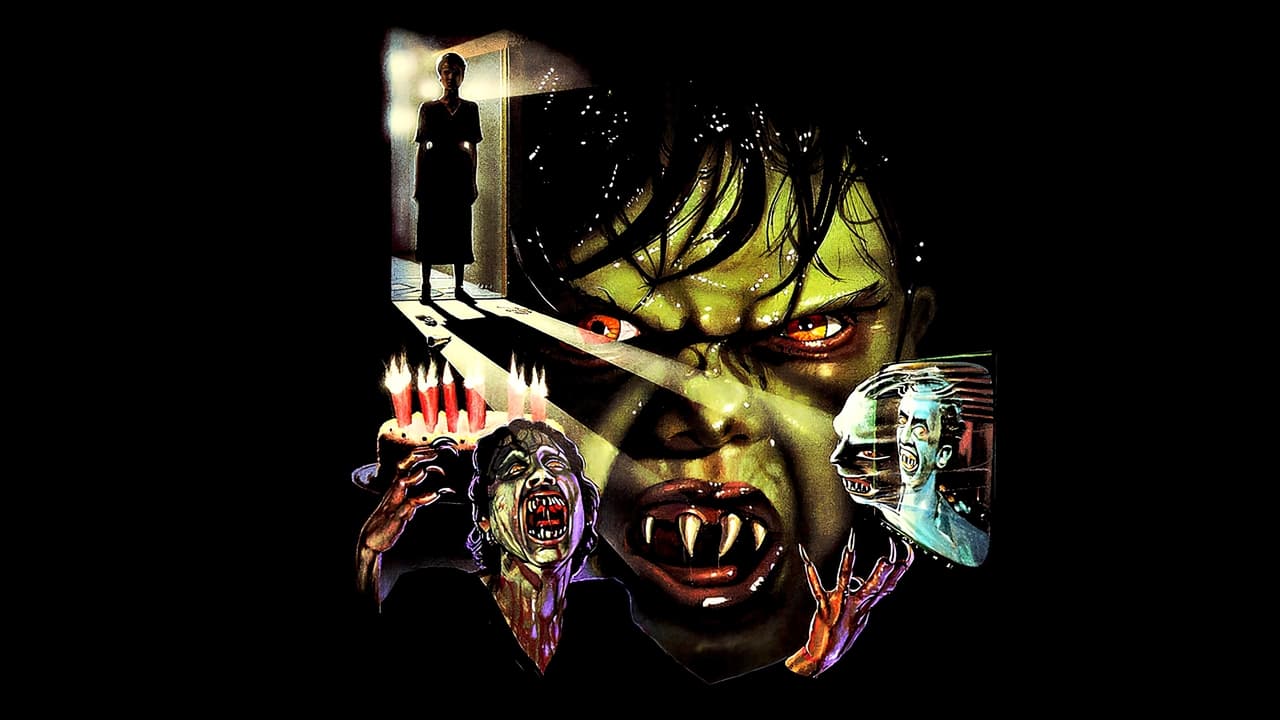
High-Rise Horror Show
Following the unexpected success of Demons (1985), producer Dario Argento and director Lamberto Bava (son of the legendary Mario Bava) re-teamed almost immediately for this sequel. This time, the terror isn't unleashed in a crumbling movie palace, but infiltrates a state-of-the-art apartment building – complete with its own broadcast centre and, crucially, lots of television screens. The premise is brilliantly simple, tapping into anxieties about media saturation: a film-within-the-film (echoing the first movie) depicts teens seeking the resting place of the original demons. When one of the creatures seemingly crawls out of a resident's TV during a birthday party, the technologically advanced building becomes a high-tech slaughterhouse.
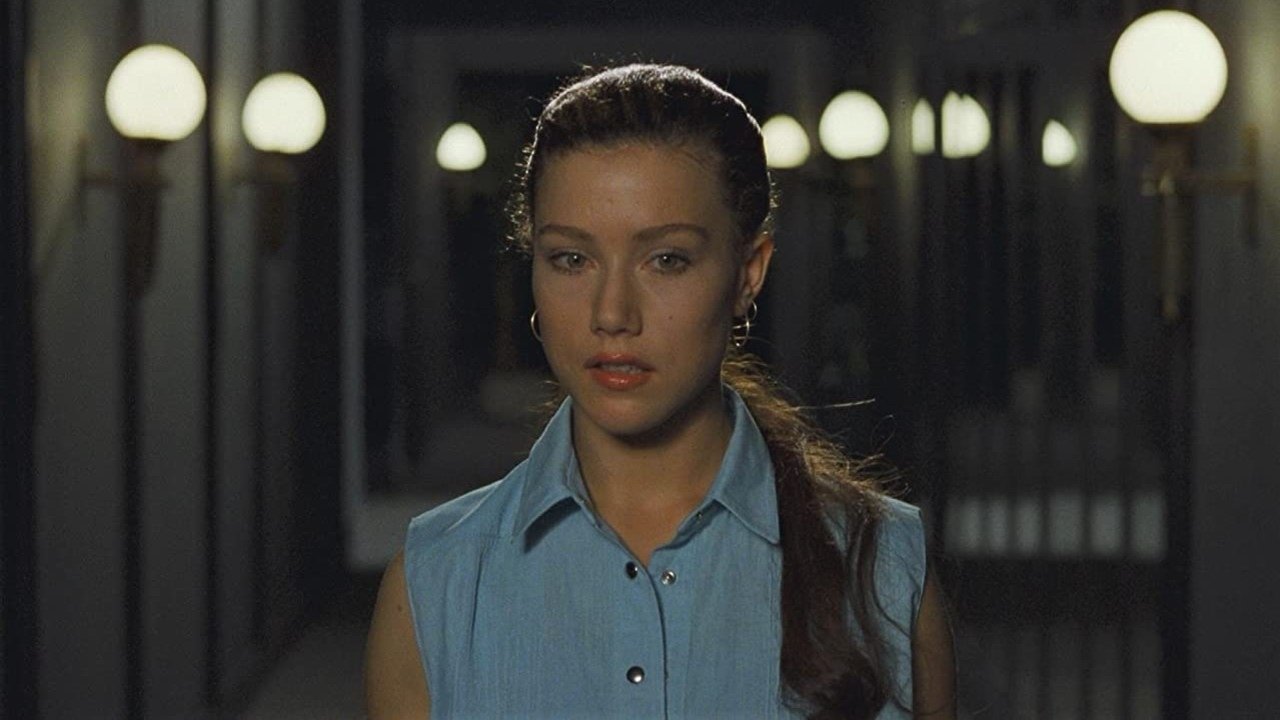
It's a setup ripe for mayhem, and Bava gleefully delivers. The structure allows for isolated pockets of terror – a besieged birthday party, desperate bodybuilders trapped in the gym (Nancy Brilli among them), a terrified couple (David Knight and Coralina Cataldi-Tassoni as George and Hannah), a young Asia Argento in an early role – all struggling to survive as the demonic infection spreads like wildfire through vents, elevators, and electrical systems. Filmed primarily in the starkly modern "Hamburger Straße" complex in Hamburg, Germany, the location itself becomes a character – its sterile corridors and glass partitions offering no real defense against the primal onslaught.
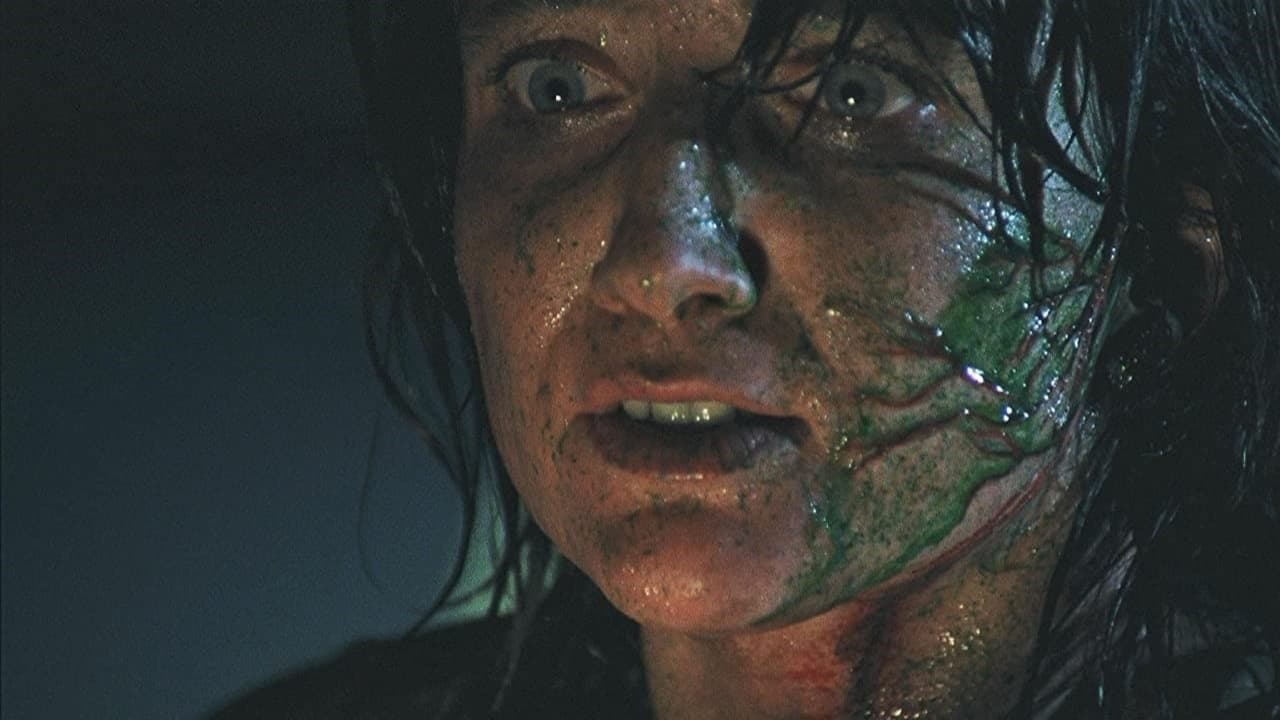
Stivaletti's Splatter Symphony
If Demons 2 excels anywhere, it's in the gleefully grotesque practical effects, once again orchestrated by maestro Sergio Stivaletti. Freed perhaps by a slightly larger budget and the success of the first film, Stivaletti unleashes a torrent of latex, slime, and K-Y Jelly. Remember the sheer visceral wrongness of the demon forcing its way out of the television screen? Or the genuinely unsettling transformation of the young birthday boy into a fanged horror, a moment that likely burned itself into the minds of many younger viewers who perhaps shouldn't have been watching? Stivaletti reportedly relished the creative freedom, pushing the boundaries of prosthetic mutation and creature design. There's a tangible, slimy reality to these effects that CGI rarely captures. From the acid blood melting through floors to the infamous demon dog and even a Gremlin-esque smaller creature causing havoc, the film is a showcase for 80s practical gore, sometimes shocking, often darkly amusing in its sheer excess.
Sound and Fury
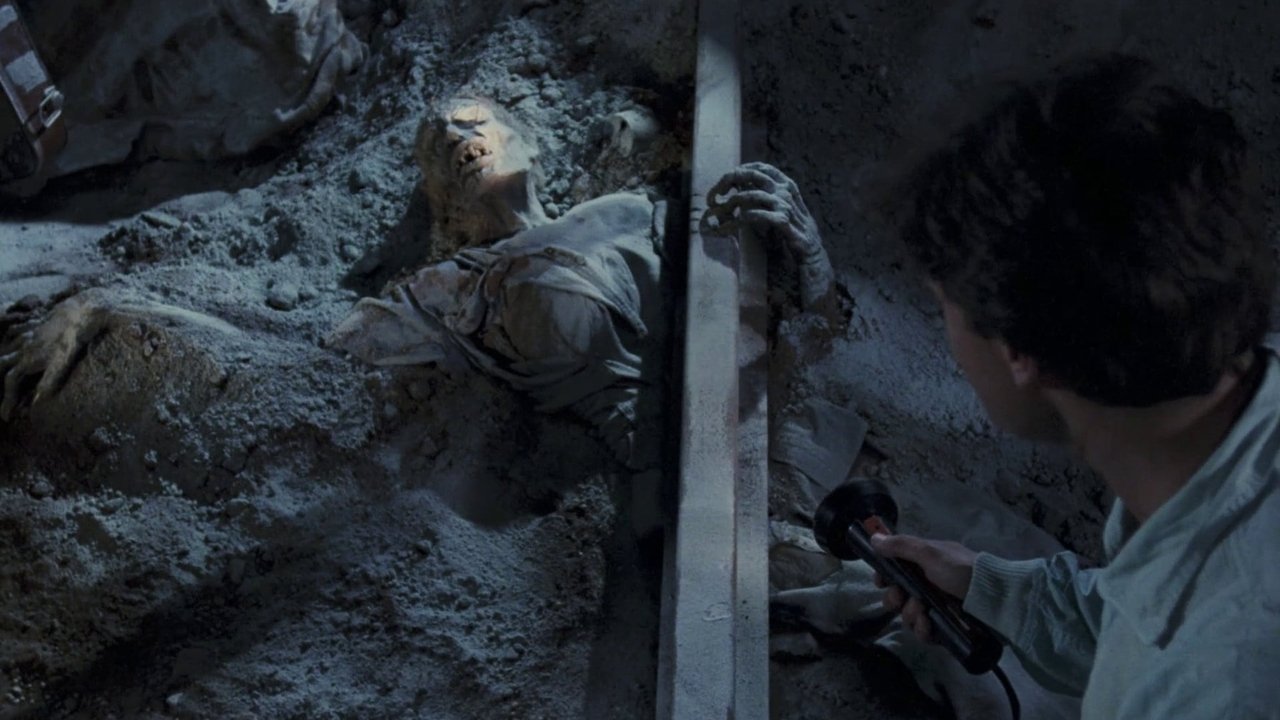
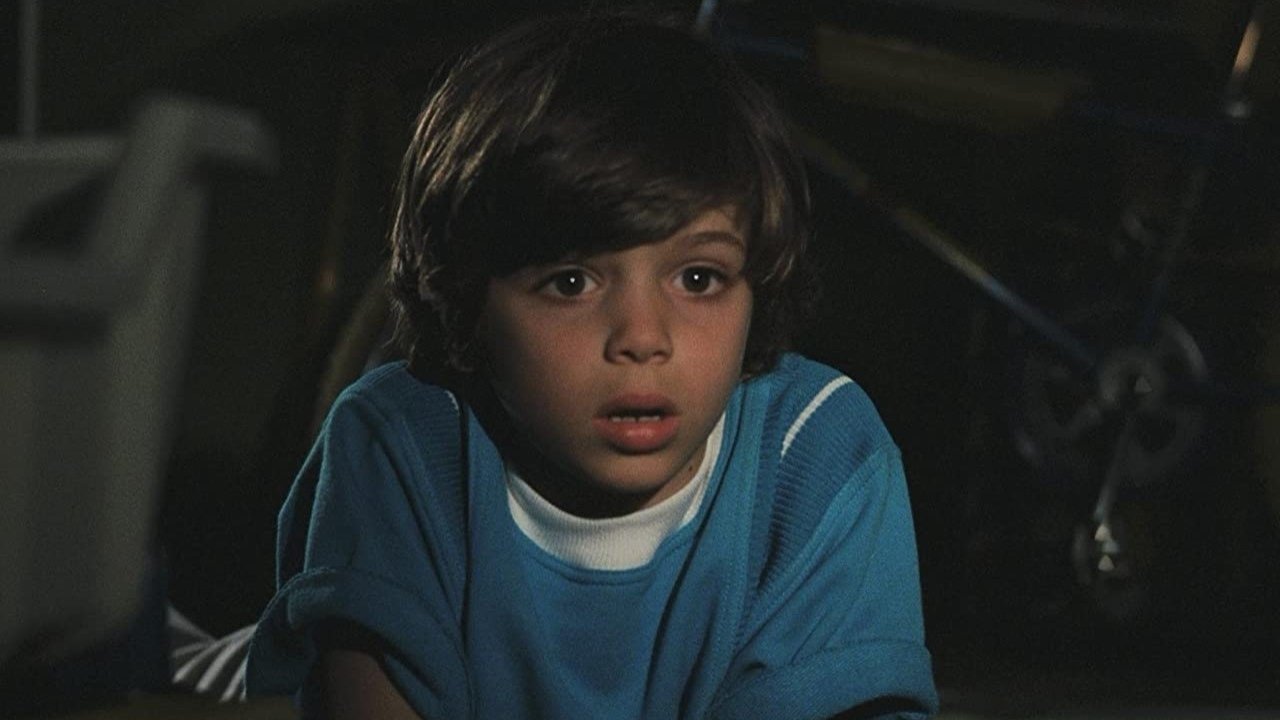
The atmosphere isn't just visual. Simon Boswell returns to provide the score, mixing pulsing synthesizers with moments of jarring dissonance that underscore the chaos. But much like the original, Demons 2 leans heavily on its curated soundtrack of 80s rock and new wave – The Smiths, The Cult, Dead Can Dance, Art of Noise – creating a sometimes strange, sometimes exhilarating counterpoint to the on-screen carnage. It anchors the film firmly in its era, a time capsule of sound accompanying the bloodshed. Bava's direction maintains a frantic energy, less concerned with coherent plotting than with delivering the next visceral set piece. The influence of Argento feels present, perhaps less in elegant suspense and more in the willingness to embrace vibrant, almost lurid, violence and surreal imagery.
Sequel Syndrome?
Compared to its predecessor, Demons 2 often feels broader, more episodic, and arguably less intense. The contained terror of the Metropol cinema in the first film had a raw, focused power. Here, the sprawling high-rise setting diffuses the tension somewhat, leading to a series of frantic vignettes rather than a single, tightening narrative noose. The plot logic can be flimsy (how exactly does the infection spread through power lines?), and the characters are largely sketches designed to react, run, and often, die horribly. Yet, there's an undeniable charm to its B-movie energy. It doubles down on the gore and creature chaos, delivering exactly what fans of the first film likely expected, even if it lacks the original's punk-rock nihilism. It grossed less than the first film but was still considered a success, cementing the Demons name in horror history.
Did it suffer censorship? Like many Italian horror films of the era, various versions exist with differing levels of gore, depending on the territory. Finding a fully uncut version back on VHS could feel like uncovering forbidden treasure.
The Verdict
Demons 2 isn't the tightly coiled shocker its predecessor was, trading some suspense for more elaborate, splattery set pieces and a faster pace. It's sillier, more chaotic, and feels very much like a product of its mid-80s moment – a time when practical effects wizards were kings and horror sequels aimed to simply give you more. Some find it a disappointing follow-up, others embrace its wild, messy energy and creature feature delights. I remember renting this tape, the lurid cover promising exactly the kind of gooey mayhem it delivered. It didn't quite capture the lightning-in-a-bottle feel of the original, but the sheer invention of Stivaletti's effects and the frantic pace made it a memorable slice of Italian horror.
Rating: 6/10
Justification: While boasting fantastic practical effects, buckets of energy, and a killer soundtrack, Demons 2 suffers from a weaker plot, less focused tension compared to the original, and thinly drawn characters. Its strengths lie entirely in its visual execution of gore and creature design and its high-concept setting, making it a fun, if flawed, slice of 80s Euro-horror that delivers on the splatter but not much else.
Final Thought: It may live in the shadow of the original, but Demons 2 remains a potent hit of pure 80s excess – a high-rise nightmare fueled by slime, synthesizers, and the fear that even your TV screen isn't safe.