Okay, settle back into that comfy armchair, maybe crack open a can of something fizzy, because we’re digging into a real gem from the Turkish comedy vault today. Forget slick Hollywood capers for a minute; we’re talking about the 1984 classic, Tokatçı. If you spent any time watching Turkish television or browsing the international section of a particularly well-stocked video store back in the day, the face of Kemal Sunal is likely etched into your memory, and this film is one of the quintessential reasons why. This isn't just a movie; for many, it's practically a cultural touchstone, a dose of pure, unadulterated 80s Turkish cinematic comfort food.
### From Bumpkin to Big Shot Con Man
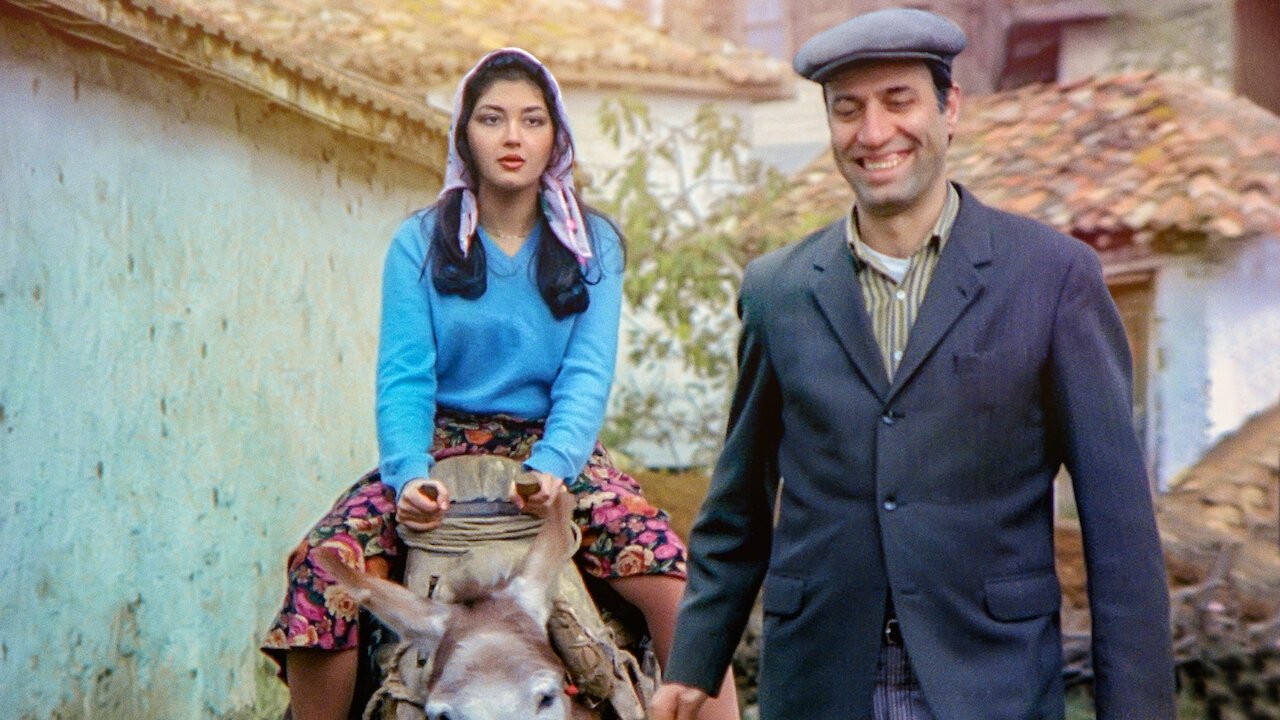
Tokatçı (which translates loosely to "The Slapper," but really means "The Con Man") throws us into the familiar, yet always entertaining, world of Osman, played by the legendary Kemal Sunal. Osman is your classic naive, good-hearted villager who heads to the big city (Istanbul, looking wonderfully gritty and real here) with dreams of making enough money to marry his beloved Emine (Nazan Saatçi). Of course, the city immediately chews him up and spits him out. He gets spectacularly swindled out of his life savings by a smooth-talking charlatan. It’s a tale as old as time, right? But here’s where Tokatçı gets its engine running. Instead of wallowing, Osman decides if you can’t beat ‘em, join ‘em – and then beat ‘em at their own game.
Under the reluctant mentorship of Şevket (Şevket Altuğ, another familiar face from Turkish screens, bringing his reliable comedic presence), Osman transforms. He learns the art of the "tokat" – the clever con, the quick swindle. And Kemal Sunal sells this transformation beautifully. It's not just about the schemes; it's about watching Sunal, with his incredibly expressive face and perfect physical timing, evolve from a wide-eyed victim into a cunning, albeit still fundamentally decent, trickster.
### The Genius of Sunal and Baytan
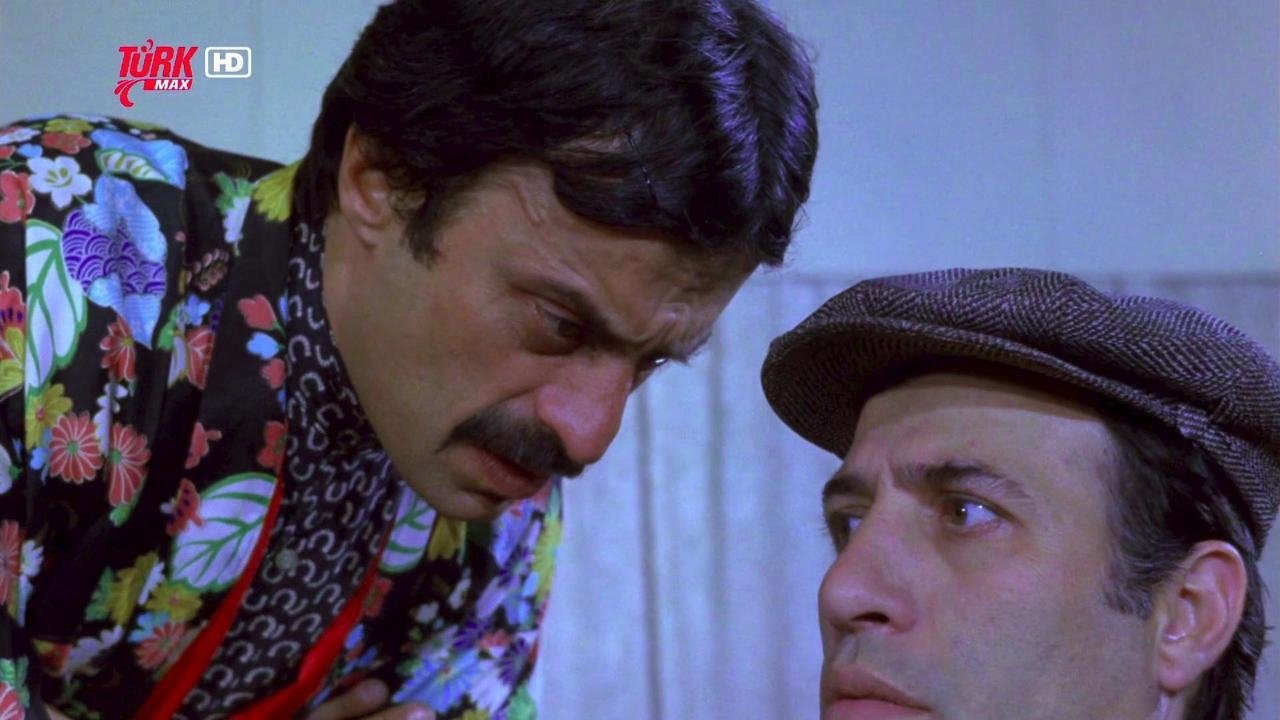
Let's be honest: the plot itself isn't breaking new ground. It’s a fairly standard revenge/redemption arc fuelled by comedic set pieces. But the magic lies entirely in the execution, primarily thanks to Kemal Sunal. He wasn't just an actor; he was a phenomenon. His characters often represented the 'everyman' struggling against bureaucracy, snobbery, or işte, city slicker con artists. There's an inherent likability, a vulnerability beneath the slapstick, that makes you root for him even when he's pulling a fast one. His comedy wasn't reliant on witty dialogue (though there are funny lines); it was in his posture, his reactions, the way his eyes could convey panic, confusion, or dawning realisation in an instant.
Directing duties fell to Natuk Baytan, a frequent and fruitful collaborator with Sunal. Baytan knew exactly how to frame his star. His style here is efficient, fast-paced, and focused squarely on delivering the comedic punches. There's no elaborate cinematography or complex editing; it's straightforward storytelling designed to let Sunal shine. Think of Baytan as the perfect setup man for Sunal's comedic slam dunks. They churned out numerous hits together in the 70s and 80s, developing a shorthand that clearly worked wonders for audiences. Reportedly, these films were often shot quickly and economically, relying on the bankability of Sunal and familiar comedic formulas, which paradoxically adds to their raw, unpolished charm today.
### Real Cons, Real Laughs, Real Istanbul
What stands out watching Tokatçı now is the delightful practicality of it all. The cons Osman pulls off aren't elaborate digital deceptions; they're clever, often low-tech tricks relying on misdirection, fast talking, and exploiting people's greed or gullibility. Remember how satisfying those kinds of reveals felt before CGI smoothed everything over? There’s a certain tangible thrill to watching Osman set up his marks, the tension building not with explosions, but with the risk of his simple plan going sideways. It’s street-level smarts, filmed on the actual streets of Istanbul, capturing a specific moment in time – the cars, the fashion, the bustling atmosphere. It feels real in a way that many modern comedies, polished to a high sheen, sometimes miss.
The film was a massive hit upon release in Turkey, cementing Sunal's status as the king of comedy. Critics at the time might have occasionally sniffed at the formulaic nature of some of his output, but audiences couldn't get enough. I distinctly remember seeing the well-worn Tokatçı VHS tape passed around among family friends, its slightly fuzzy picture and mono sound somehow enhancing the experience. It was pure escapism, tapping into that universal fantasy of outsmarting the system, all delivered with Sunal's unique brand of humour. The supporting cast, especially Şevket Altuğ as the initially cynical mentor, provides excellent foils for Sunal's energy.
### Is It Still Sharp?
Watching Tokatçı today is like revisiting an old friend. Sure, some elements feel distinctly of their time – the pacing might seem brisk but less layered than modern narratives, and the gender dynamics are very much rooted in the early 80s. But the core comedy, driven by Kemal Sunal's incredible talent and the universally relatable underdog story, still lands. The cons remain inventive, the physical comedy is timeless, and the nostalgic trip back to 80s Istanbul is undeniable. It’s a film made with heart, aimed squarely at making its audience laugh, and it succeeds admirably.
---
VHS Heaven Rating: 8/10
Justification: While the plot follows a familiar comedic trajectory, Tokatçı is elevated by a truly legendary performance from Kemal Sunal, expertly guided by director Natuk Baytan. Its clever (if simple) cons, genuine laughs, and authentic 80s Turkish atmosphere make it incredibly rewatchable. It loses a couple of points for its predictability and some dated elements, but its charm and Sunal's genius are undeniable.
Final Word: Forget digital trickery; this is pure analog comedic alchemy, proving that a master craftsman like Sunal needed little more than his face, timing, and a good setup to deliver cinematic gold. Still slaps, even on a fuzzy screen.