Okay, fellow tapeheads, let's rewind to a time when the family station wagon, not the airport security line, was the ultimate symbol of vacation torture. Pop that worn copy of National Lampoon's Vacation (1983) into the VCR, maybe give the tracking a little nudge, and prepare for a road trip straight into the heart of suburban dad ambition gone spectacularly, hilariously wrong. This isn't just a comedy; it's practically a documentary for anyone who survived a cross-country trek fueled by lukewarm soda, sibling warfare, and the desperate hope of reaching a mythical destination.
### The Quest for Fun, Paved with Disaster
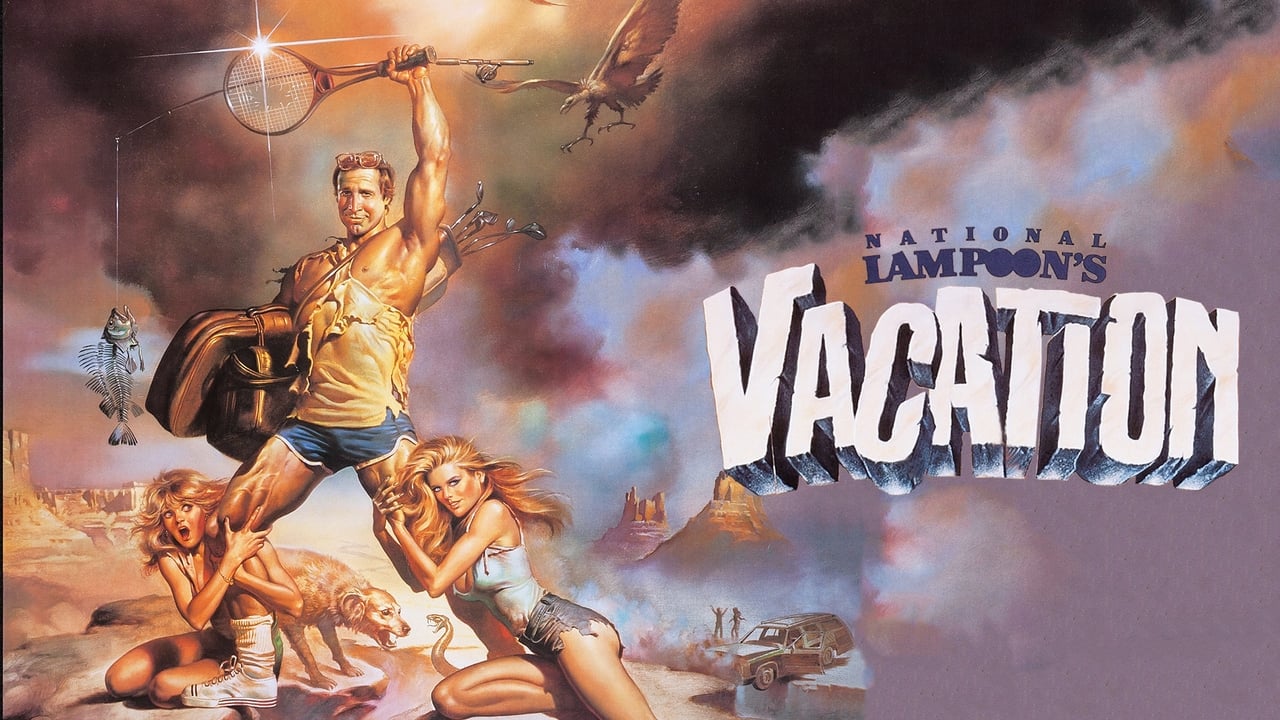
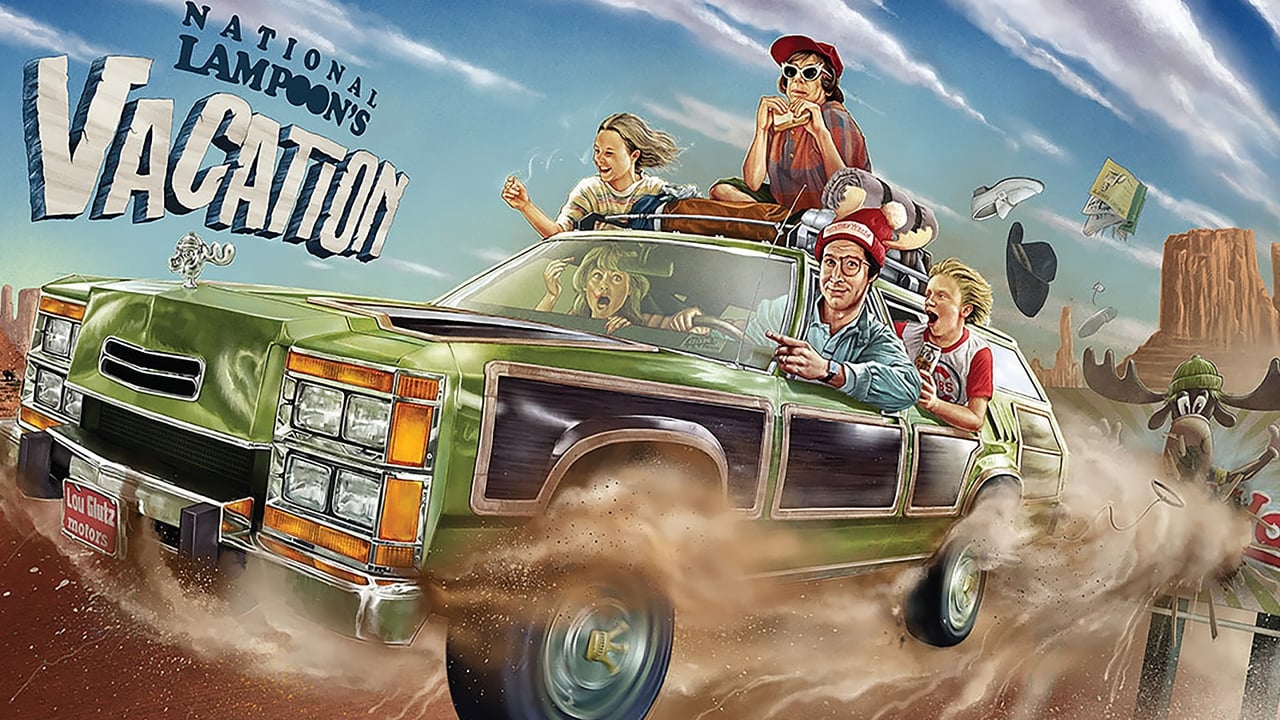
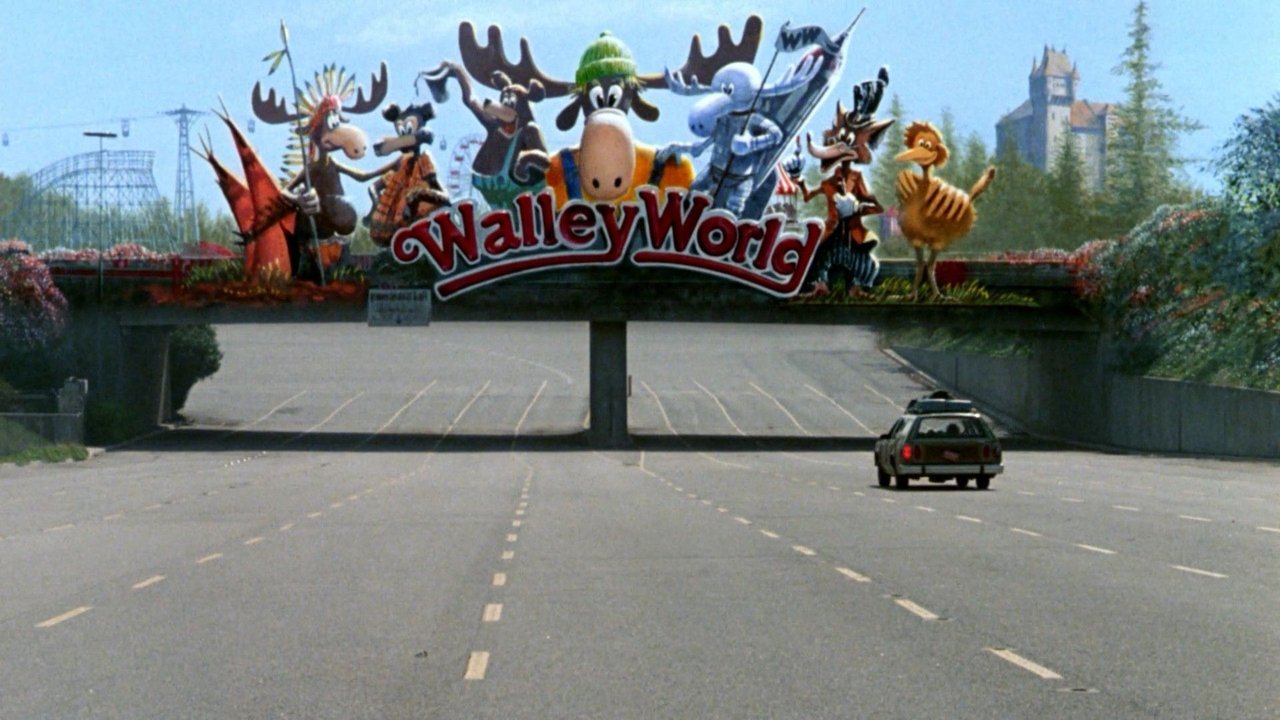
Forget idyllic postcard snapshots. Vacation, born from a John Hughes short story ("Vacation '58") originally published in National Lampoon magazine, understood the inherent absurdity and potential for pure chaos lurking beneath the surface of the All-American Family Getaway. Hughes, who would later define teen angst with films like The Breakfast Club (1985) and Ferris Bueller's Day Off (1986), tapped into something primal here: the parental obsession with forced family fun. Clark W. Griswold (Chevy Chase, riding high on his Saturday Night Live fame and Caddyshack success) isn't just taking his family to Wally World; he's embarking on a crusade, meticulously planned yet doomed from the moment he lays eyes on that metallic pea-green Wagon Queen Family Truckster. Remember that beast? It practically screamed "give up now."
Directed with a perfect blend of sharp satire and slapstick by the legendary Harold Ramis (who gifted us Caddyshack (1980) and later Groundhog Day (1993)), the film wastes no time establishing its tone. It’s a journey where every potential highlight curdles into a nightmare. From the wrong directions in St. Louis to the disastrous detour through Cousin Eddie’s dusty homestead, the laughs build alongside a creeping sense of dread. This wasn't just ha-ha funny; it felt real in its escalating misfortune, hitting that cringe-comedy nerve long before it became a mainstream staple.

### Clark Griswold: Everyman or Madman?
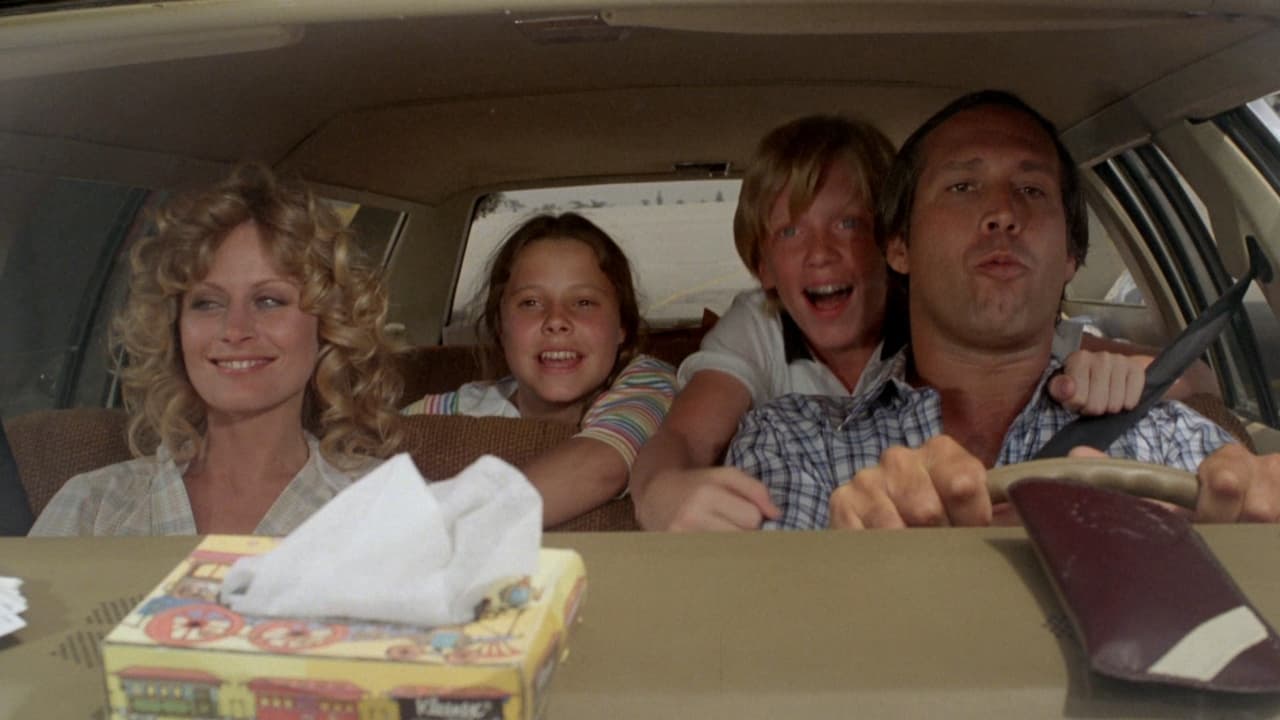
Chevy Chase is Clark Griswold. It's arguably his most iconic role, capturing that specific brand of slightly smarmy, desperately optimistic, yet perpetually thwarted suburban father. He’s the guy who thinks he knows best, who believes sheer willpower can conquer traffic jams, bad directions, and even death itself (poor Aunt Edna). His slow burn throughout the film, punctuated by increasingly unhinged monologues and that trademark Chevy Chase physicality, is a masterclass in comedic meltdown. He’s trying so hard, and that’s what makes his failures so incredibly funny and, let’s be honest, sometimes deeply relatable.
Alongside him, Beverly D'Angelo as Ellen Griswold is the essential anchor of sanity, or at least the closest thing to it in this rolling asylum. Her exasperated sighs, knowing glances, and attempts to maintain normalcy amidst the chaos are just as crucial to the film's success. She’s the audience surrogate, reacting with the same horrified amusement we are. And who could forget the kids? Anthony Michael Hall (pre-Hughes teen stardom) and Dana Barron perfectly embody the bored, bickering offspring trapped in the back seat.
### That Glorious, Grimy 80s Realism
Watching Vacation now, especially on a slightly fuzzy VHS transfer, there’s a tactile quality to the chaos. The film cost around $15 million to make – not peanuts, but requiring practical ingenuity. The stunts, like the Truckster's incredible flight through the Arizona desert, feel genuinely risky. That wasn't CGI dust; that was real desert grit kicked up by a car likely being put through hell by stunt drivers. Think about that sequence now – today it would be smoothed out, perfected digitally, but back then? You felt the bumps, the impact, the sheer improbability of it all, which somehow made it funnier.
The locations themselves become characters. Hughes’ original story was inspired by his own childhood family trips, and Ramis captured that feeling of endless highways, questionable roadside attractions, and slightly menacing small towns. Filming took place across multiple states, including Colorado, Arizona, California, and Missouri, giving the journey an authentic, sprawling feel. This wasn't faked on a backlot; the Griswolds were really out there, suffering under the Southwestern sun.
### Cousin Eddie and the Darker Edge
Let's talk about Cousin Eddie, played with unforgettable, slack-jawed brilliance by Randy Quaid. His introduction marks a shift, injecting a dose of truly bizarre, almost unsettling humor. Eddie and his family are the monstrous funhouse mirror reflection of the Griswolds' idealized American dream. And then there’s Aunt Edna (Imogene Coca, a legendary comedic actress proving she could still land a punchline, even posthumously strapped to a roof rack). The casual way the film handles her demise was genuinely shocking back then, a glimpse of the darker, more anarchic spirit Ramis and Hughes brought from their National Lampoon roots. Fun fact: the original ending Hughes wrote was even darker, involving Clark taking the Wally World staff hostage, before test audiences preferred the slightly more upbeat (but still chaotic) finale we know today.
The film was a solid hit upon release, grossing over $61 million domestically and tapping into a shared experience that resonated deeply. While some critics were perhaps put off by the edgier humor, audiences embraced the Griswolds' disastrous pilgrimage, paving the way for numerous sequels (of wildly varying quality, let's be honest) that cemented the family's place in comedy history.
***
VHS Heaven Rating: 9/10
This rating isn't just nostalgia talking (though there's plenty of that). National Lampoon's Vacation earns its score through killer comedic timing, iconic performances led by Chevy Chase at his peak, Harold Ramis's sharp direction, and John Hughes's perfectly pitched script that finds universal truth in utter disaster. It expertly balances slapstick with genuine character-driven humor and isn't afraid to get a little dark. Some jokes might land differently today, but the core engine of parental desperation versus relentless misfortune remains hilariously timeless.
Final Take: It's the quintessential disastrous road trip comedy, a film that feels both incredibly specific to the 80s and universally understood. Like finding that perfect, slightly worn tape on the rental shelf, Vacation still delivers pure, unadulterated comedic chaos, proving that sometimes, the journey really is the destination... especially when the destination involves a hostage situation and a moose punching a security guard.