You slide the tape into the VCR, the familiar clunk echoing a thousand Friday nights past. The tracking adjusts, the blue screen flickers away, and suddenly you're back. But The Last American Virgin (1982) wasn't quite like the other tapes stacked on the rental store shelves, was it? Beneath the promise of raunchy teen escapades, lurked something unexpected, something that lingered long after the credits rolled and the tape automatically rewound with a whirr. It promised laughs, maybe a little titillation, but delivered a surprising dose of raw, uncomfortable truth.
Beyond the Party Anthems
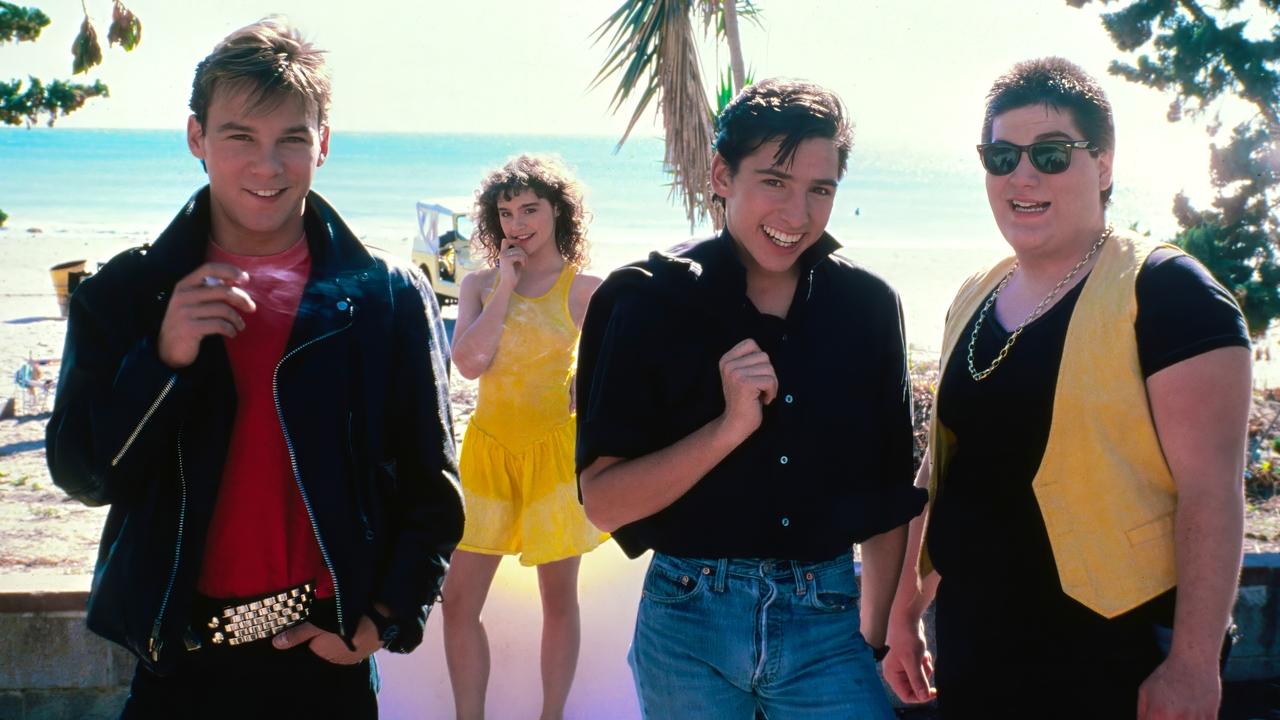
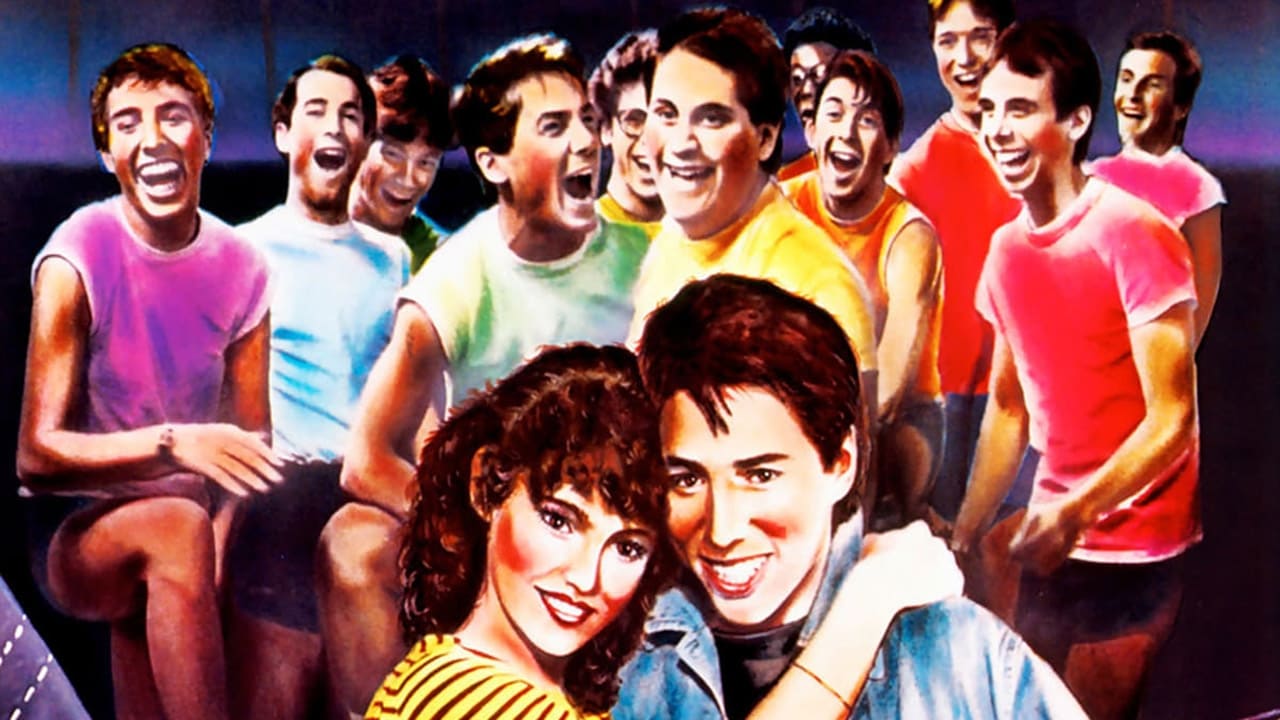
On the surface, director Boaz Davidson delivers exactly what the era's teen comedy boom demanded: a trio of friends navigating the treacherous waters of high school hormones. Gary (Lawrence Monoson) is our sensitive, slightly nerdy protagonist, hopelessly smitten. Rick (Steve Antin) is the impossibly cool, predatory BMOC. And David (Joe Rubbo) provides the requisite overweight, wisecracking sidekick moments. The soundtrack pulses with the energy of the early 80s – The Police, U2, Blondie, Devo – each track meticulously chosen, creating an auditory time capsule that’s arguably one of the film's most potent elements. It felt like the perfect backdrop for pizza deliveries, awkward dates, and schemes to lose their virginity.
Many might not realize this film is an almost shot-for-shot American remake of Davidson's own hugely successful Israeli film, Eskimo Limon (Lemon Popsicle) from 1978. Knowing this perhaps explains some of the film's slightly detached, observational quality, even amidst the typical genre tropes. It wasn't entirely homegrown Americana; it carried echoes of a different cultural sensibility from the start, setting it subtly apart from contemporaries like Porky's (1981) or Fast Times at Ridgemont High (1982).
An Unexpected Vulnerability
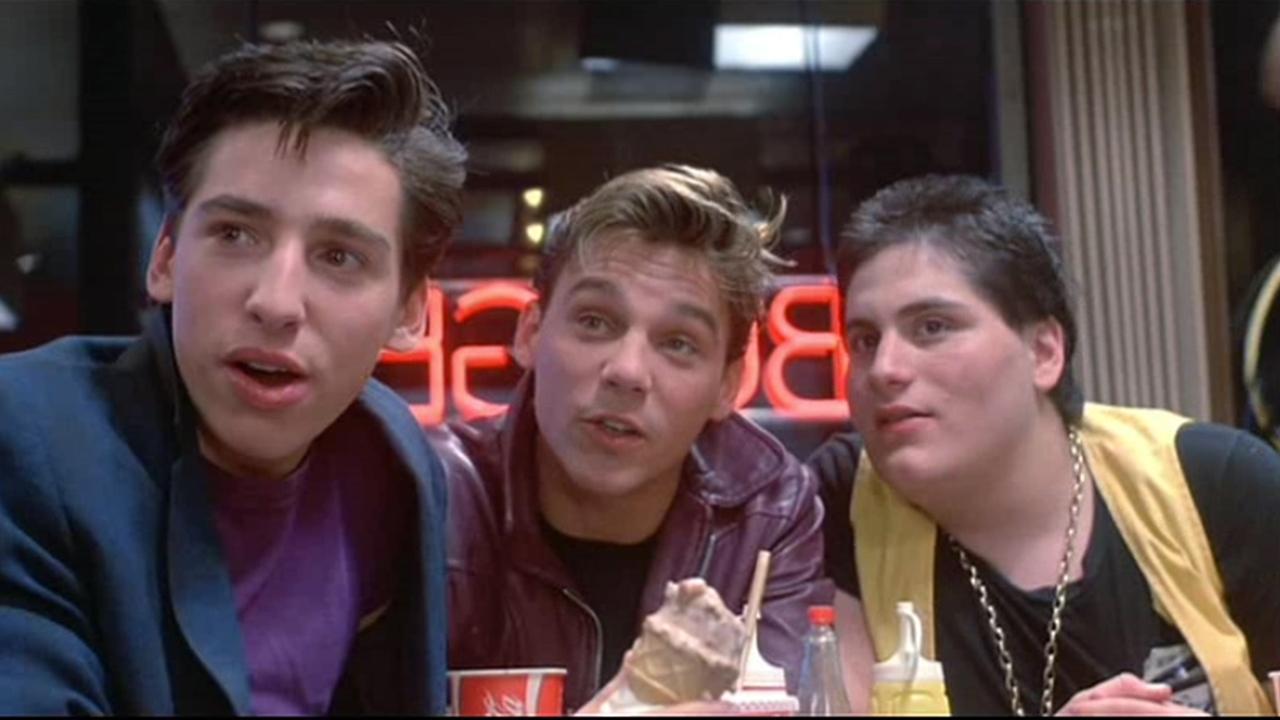
Where The Last American Virgin truly deviates, and where it finds its uncomfortable power, is in its central relationship and the performance of Lawrence Monoson. Gary's infatuation with Karen (Diane Franklin, fresh off Amityville II: The Possession and radiating a believable girl-next-door charm mixed with burgeoning complexity) feels painfully real. Monoson doesn't just play awkward; he embodies a deep, almost agonizing vulnerability. You see the hope warring with insecurity in his eyes, the quiet desperation beneath his attempts at nonchalance. He isn't just a hormone-driven caricature; he's a young man experiencing the dizzying highs and crushing lows of first love with an intensity that feels authentic, sometimes uncomfortably so.
Franklin, too, transcends the typical "object of affection" role. Karen isn't just a prize to be won; she's navigating her own desires and making choices, some of which are deeply flawed and hurtful. She feels less like a fantasy and more like a recognizable teenager grappling with attention and attraction, making the inevitable heartbreak land with far greater weight. Steve Antin perfectly captures Rick's casual cruelty masked by charm, making him a genuinely effective, almost loathsome antagonist disguised as the cool best friend.
The Sting in the Tail
(Spoiler Alert for the film's ending!)
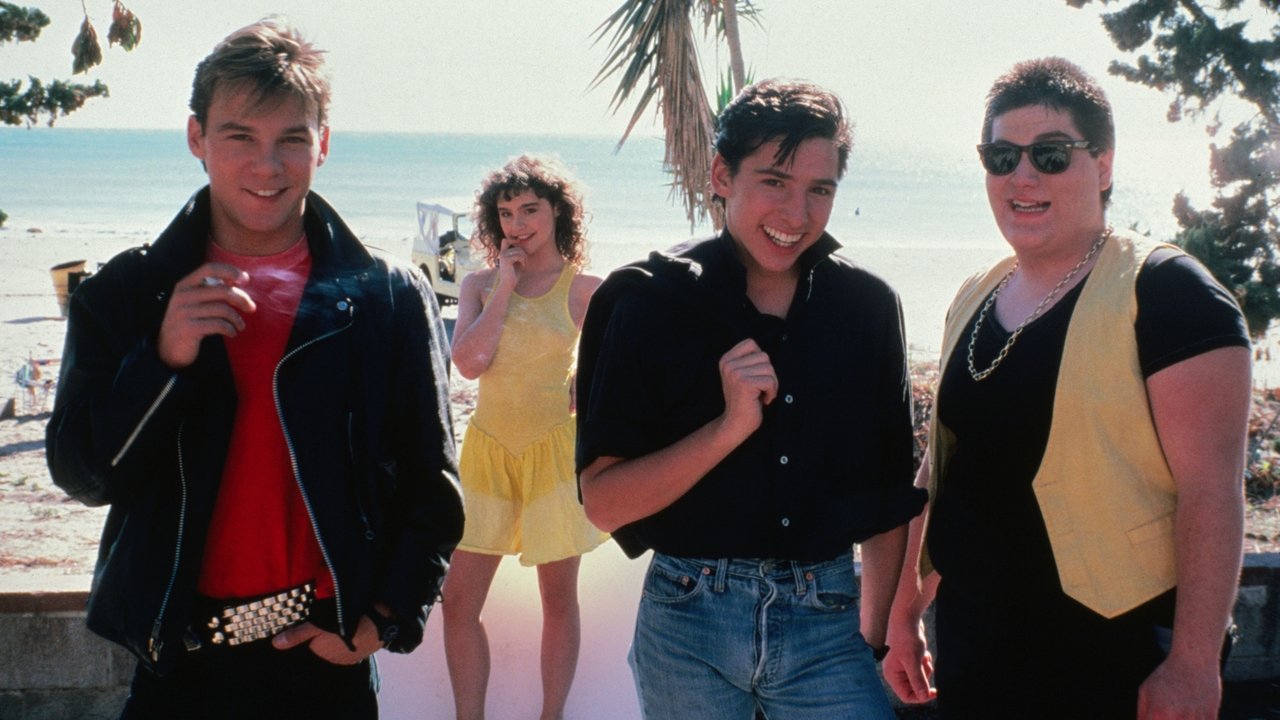
And then there's the ending. If you saw this back in the day, perhaps rented from a place like Blockbuster or some smaller mom-and-pop video store, you likely expected a certain resolution. Teen comedies, even the raunchier ones, usually offered some form of wish fulfillment, a sense that things would ultimately work out for our protagonist. The Last American Virgin pulls the rug out from under you with breathtaking brutality.
The final sequence, where Gary, having sacrificed everything for Karen after Rick abandons her in her time of need, drives her home only to see her immediately run back into Rick's arms... it’s devastating. The camera lingers on Gary's face – a mask of disbelief collapsing into utter heartbreak – as Journey's "Open Arms" swells ironically on the soundtrack. It's a moment of pure cinematic gut-punch, a rejection of easy answers and Hollywood endings that felt almost radical for the genre. Boaz Davidson reportedly fought studio pressure for a happier conclusion, insisting this bleak, realistic finale was truer to life. Produced by the legendary low-budget kings Menahem Golan and Yoram Globus of Cannon Films on a modest $2.5 million budget (grossing a very healthy $27 million), it's a testament to Davidson's conviction that this ending remained intact.
A Tape That Left a Mark
Watching it now, some elements feel undeniably dated – the casual misogyny, the sometimes broad humor. Yet, the core emotional honesty, particularly Monoson's performance and that unforgettable ending, still resonates. It's a film that uses the familiar trappings of the 80s teen comedy to explore something far more melancholic and complex: the pain of unrequited love, the sting of betrayal, and the harsh reality that sometimes, nice guys really do finish last. It’s a reminder that even within seemingly frivolous genres, genuine emotional depth could be found, smuggled onto VHS shelves under the guise of teenage hijinks.
Rating: 7.5/10
This score reflects the film's powerful emotional core, Monoson's standout performance, the killer soundtrack, and its audacious, unforgettable ending. It loses points for some dated comedic elements and the inherent limitations of being a remake, but its impact transcends these flaws. It's a film that earns its cult status precisely because it dared to be different, leaving a bittersweet ache that many of its contemporaries never quite managed.
It’s more than just a nostalgia trip; it's a surprisingly poignant look at adolescent heartbreak that still feels sharp, even through the hazy glow of a CRT screen memory. What lingers most isn't the laughter, but the silence in Gary's car after the music fades.