Okay, fellow tapeheads, dim the lights, maybe ignore that faint buzzing from the old Magnavox in the corner, and let's talk about a cinematic experience quite unlike any other. Remember digging through the cult section at the video store, past the usual suspects, and finding that cover? The one promising something outrageous, something maybe a little bit... smelly? I'm talking about John Waters' 1981 suburban satire masterpiece (and I use that term lovingly), Polyester. This wasn't just a movie; it was an event, especially if you were lucky enough to track down a version with its secret weapon intact.
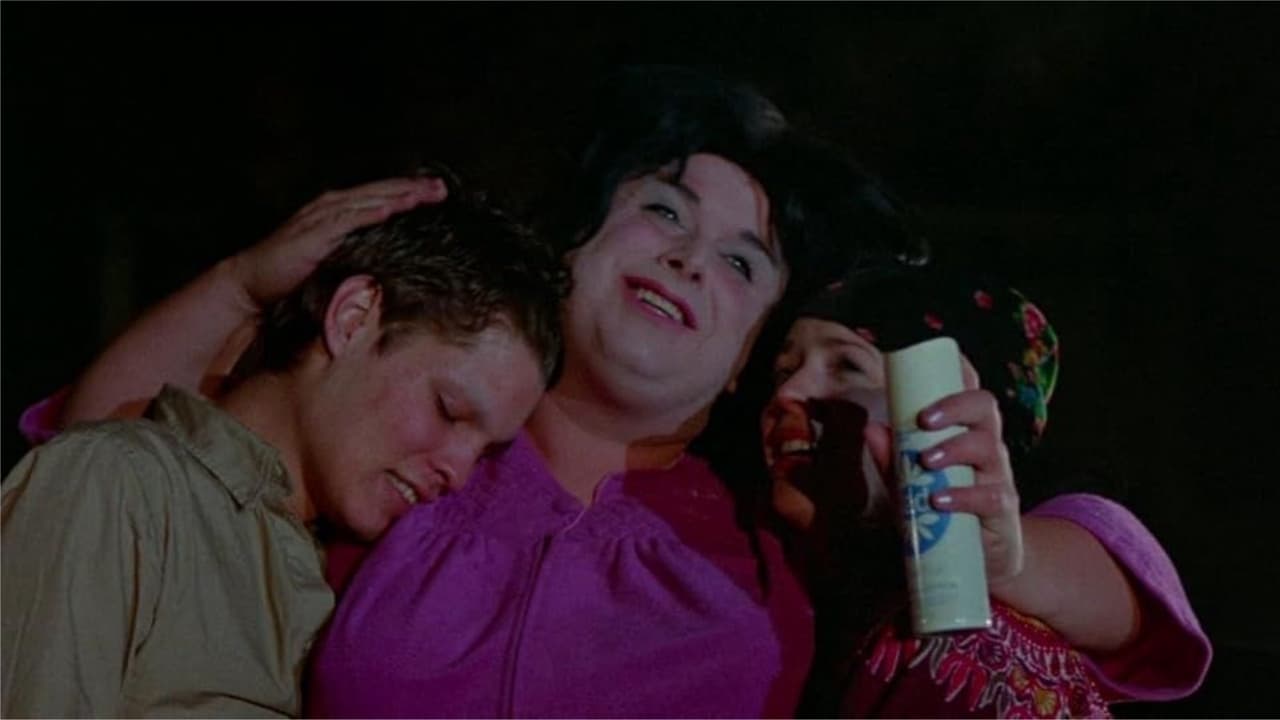
### Scratch 'n' Sniff Suburbia
Before interactive Blu-ray features or streaming extras, John Waters, the Pope of Trash himself, gave us Odorama. Yes, Polyester came with a numbered scratch-and-sniff card, prompting you to inhale deeply at key moments signaled on screen. Was it revolutionary? Maybe not. Was it hilariously audacious and perfectly suited to Waters' brand of sensory assault? Absolutely. Finding a worn VHS copy, maybe even with a tattered, faintly fragrant card tucked inside the clamshell – that was pure VHS Heaven gold. The gimmick itself, reportedly costing New Line Cinema a hefty $300,000 just for the cards back in '81, perfectly encapsulates the film's blend of low-brow humour and high-concept parody. Forget 3D; this was 4D cinema, Waters-style, assaulting your nostrils with everything from roses to dirty shoes to, yes, flatulence. It was a tactile, physical interaction with the movie, much like handling the tape itself, something utterly lost in the digital age.
### Our Lady of Perpetual Suffering
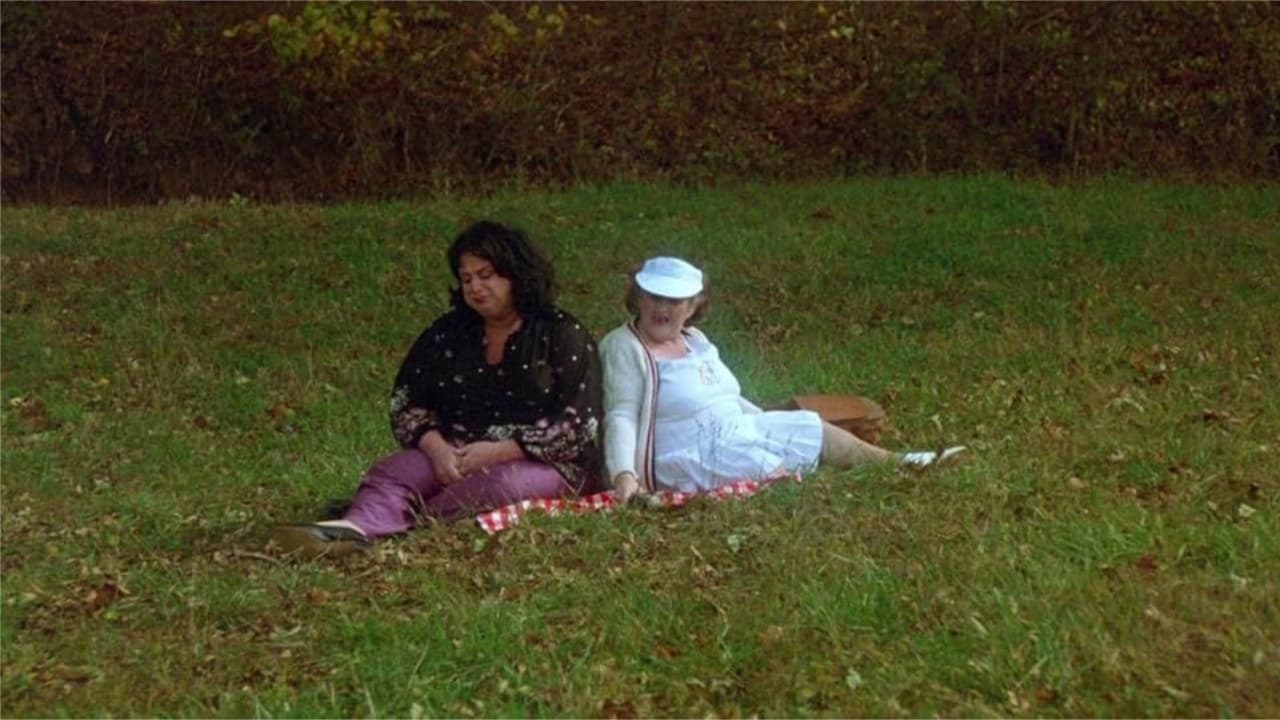
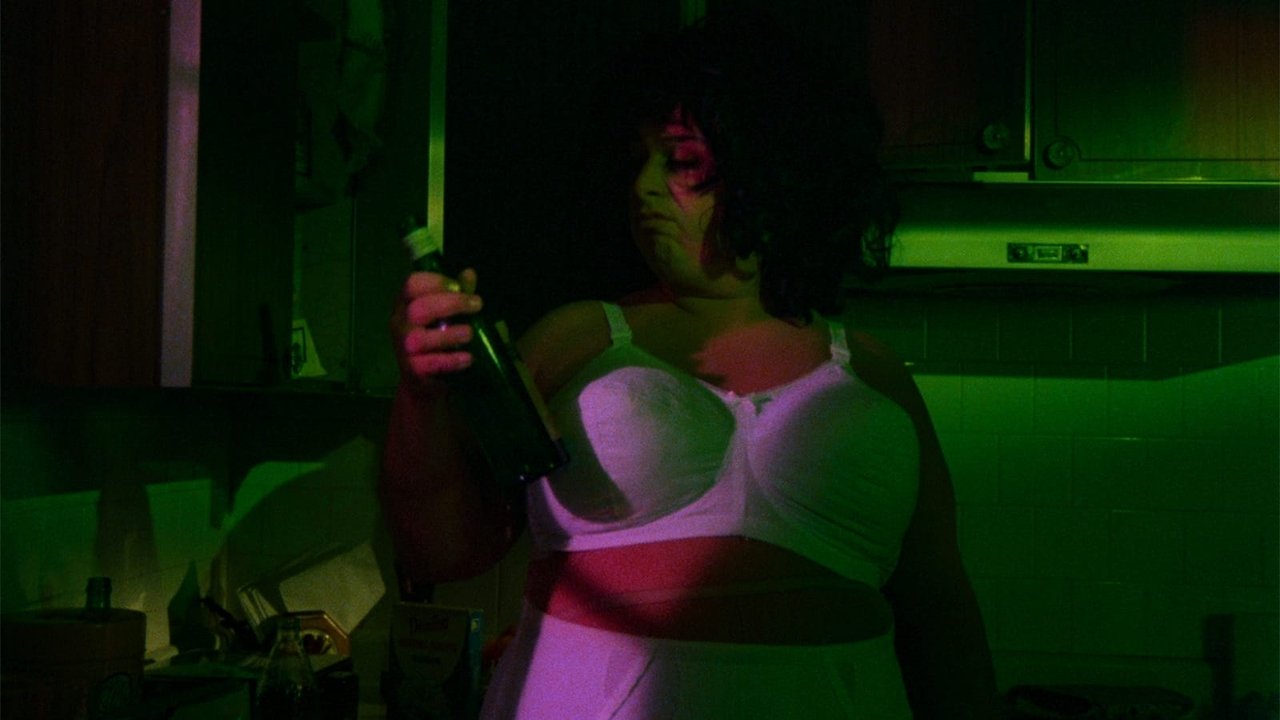
At the heart of this olfactory opera is the legendary Divine, stepping away from the truly transgressive roles of Pink Flamingos (1972) or Female Trouble (1974) to play... a put-upon suburban housewife. Francine Fishpaw is a woman whose considerable sensitivities are constantly under attack. Her pornographer husband, Elmer (David Samson), is cheating; her delinquent son, Dexter (Ken King), is the infamous "Baltimore Stomper"; and her daughter, Lu-Lu (Mary Garlington), is pregnant by a deadbeat boyfriend. Francine’s only solace comes from her former cleaning lady, Cuddles Kovinsky – played with inimitable strangeness by the wonderful Edith Massey – and her best friend La Rue (Mink Stole, another Waters regular). Divine is magnificent, playing Francine's suffering with a surprising degree of sincerity beneath the camp. It’s a performance that aims for the exaggerated melodrama of 1950s women's pictures, and Divine nails the tone, making Francine genuinely sympathetic amidst the absurdity. You feel for her, even as you're chuckling at the sheer awfulness of her life.
### Enter Todd Tomorrow
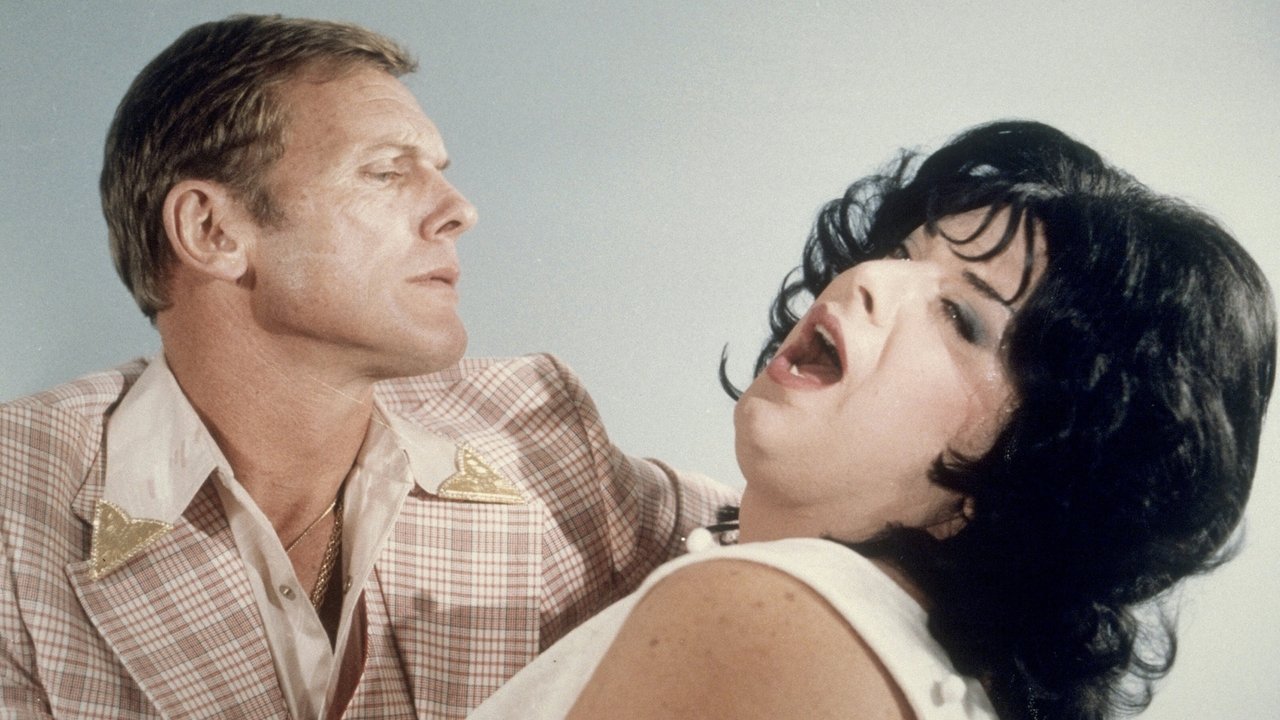
Just when Francine hits rock bottom, salvation arrives in the impossibly suave, impossibly handsome form of Todd Tomorrow, the owner of a drive-in specializing in art films. And who better to play this dreamboat than former 1950s teen idol Tab Hunter? The casting was pure genius. Hunter, known for his clean-cut image, leans into the role with relish, radiating a cheesy charm that’s both appealing and faintly suspect. His arrival signals a shift for Francine, a chance at happiness, but this being a John Waters film, you just know things aren't going to be that simple. Hunter himself embraced the role, a knowing nod to his own Hollywood past and a chance to work with the notorious Waters, further cementing the film's cult credentials. It was a surprising, delightful piece of against-type casting that paid off beautifully.
### Waters Cleans Up (Slightly)
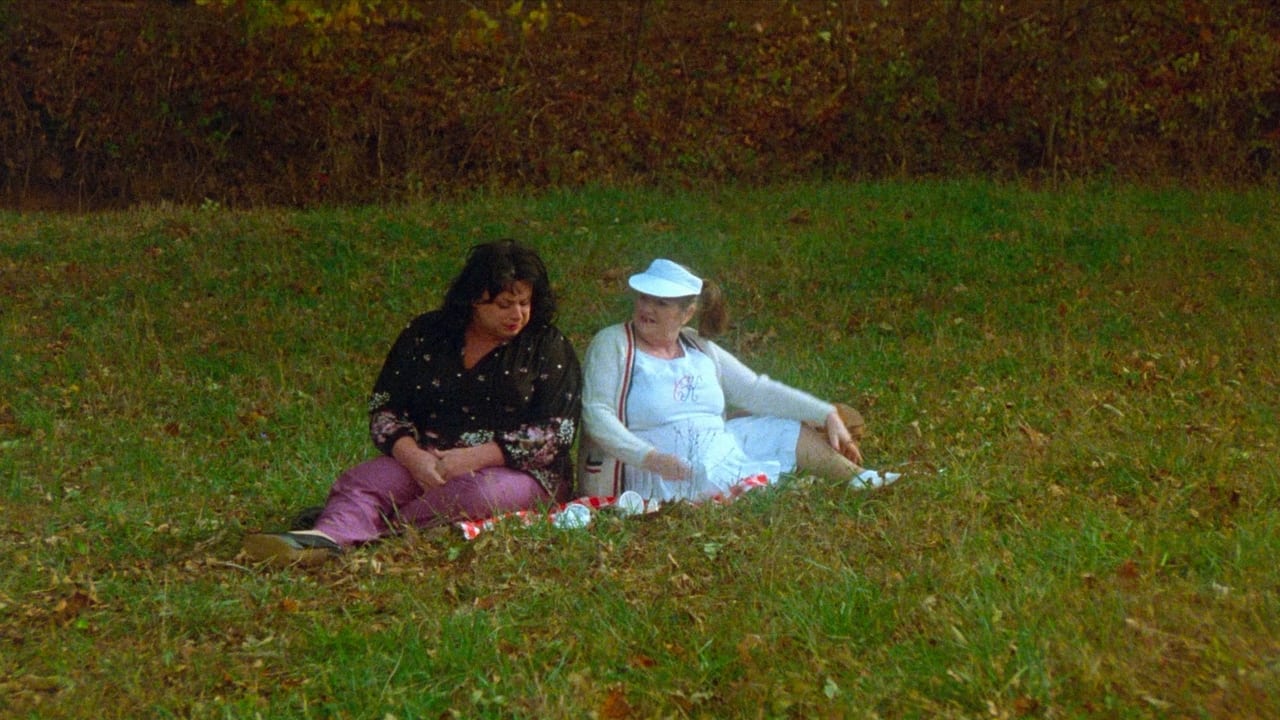
Polyester marked a slight pivot for John Waters. While still gleefully crude and satirical, it felt a touch more accessible than his earlier, truly underground work. Filmed in a genuine Baltimore suburb, it skewered the idealized image of American family life with precision, targeting alcoholism, hypocrisy, abortion, and sniffing glue with equal-opportunity offense. Yet, compared to the shock tactics of his previous films, Polyester feels almost... restrained? It's still packed with Waters' signature wit and love for eccentric characters, but the focus is sharper, the satire more pointed towards recognizable tropes. The budget, around $300,000 (plus those card costs!), was still shoestring by Hollywood standards, but allowed for a slightly more polished look, even if the aesthetic remained gloriously trashy. It’s the perfect entry point for the Waters-curious, less likely to send sensitive viewers running for the exits than, say, Pink Flamingos.
### The Lingering Aroma
Did Odorama change cinema forever? Obviously not. It was a glorious, wonderfully silly gimmick perfectly suited to its time and its creator. But Polyester itself holds up remarkably well. Divine gives a career-best performance (in a different way than her earlier roles), Tab Hunter is inspired casting, and John Waters proves his satirical aim is deadly accurate, even when slightly softening his approach. It captures that specific early 80s feeling – the tail end of grindhouse sensibilities meeting a burgeoning awareness of suburban ennui, all filtered through Waters' uniquely warped lens. It wasn’t a massive box office smash, but it certainly found its audience and solidified Waters' reputation beyond the midnight movie circuit.
VHS Heaven Rating: 8/10
The rating earns its stripes for sheer audacity, Divine's surprisingly heartfelt comedic performance, Waters' sharp satire, and the unforgettable Odorama gimmick. It loses a couple of points because, well, it is deliberately trashy and the Odorama experience is hard to replicate authentically now, slightly diminishing its original impact for modern viewers without the card.
Final Thought: Polyester is more than just a movie with a gimmick; it's a fragrant time capsule, a hilarious snapshot of suburban desperation served up with Waters' signature flair. It reminds us of a time when movies could be truly weird, interactive in a lo-fi way, and leave a distinct impression... sometimes, quite literally. Sniff it out if you can.