### The Accidental Witness to Absurdity
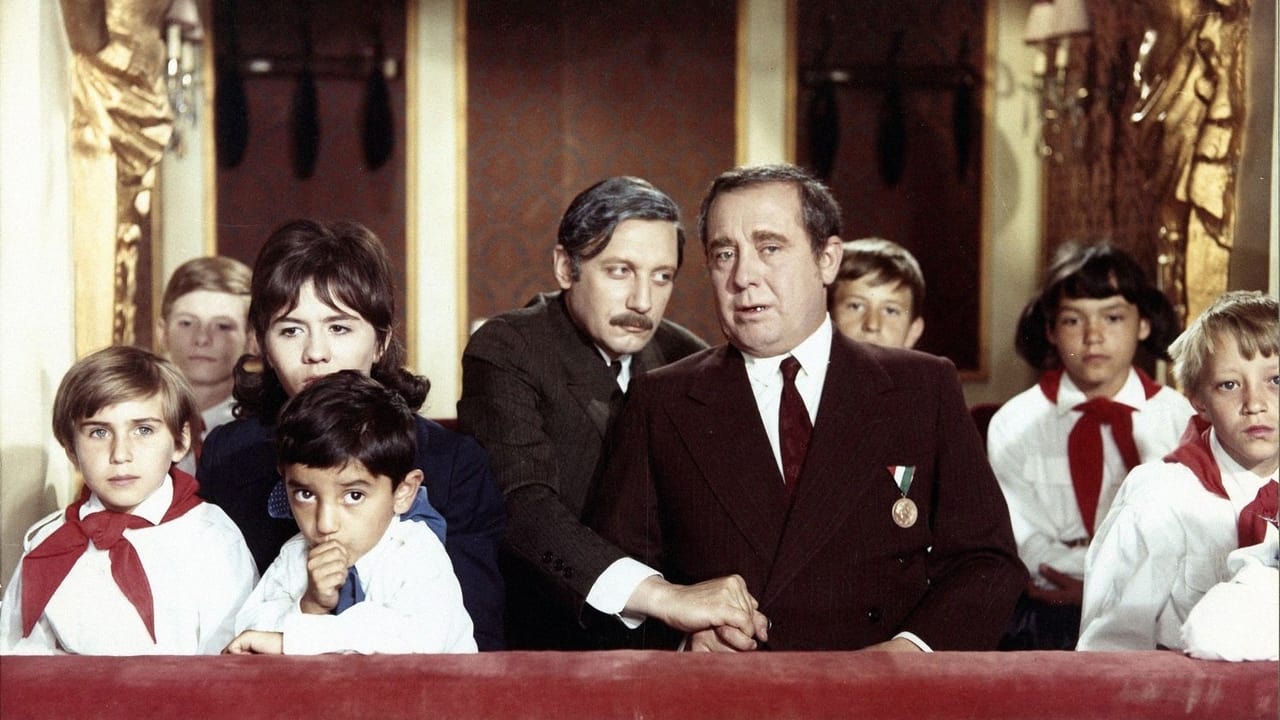
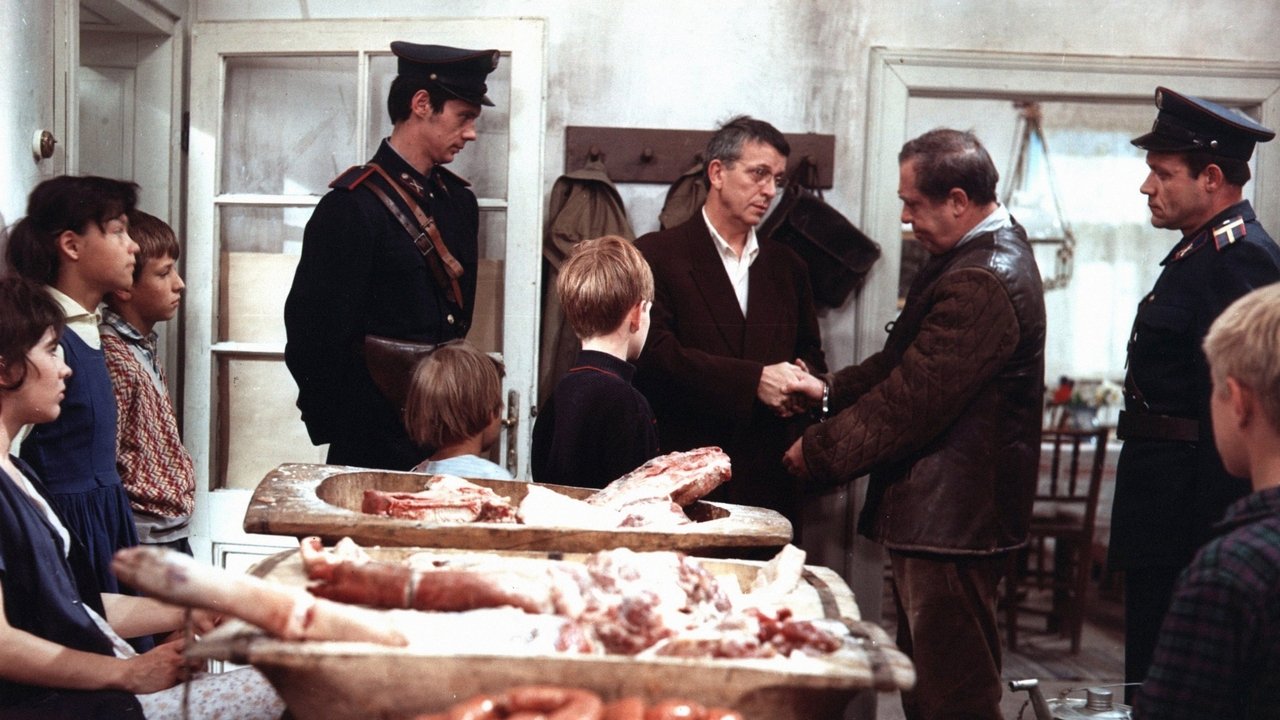
What happens when the simple act of illegally slaughtering a pig during rationing throws an ordinary man into the bizarre, terrifyingly funny machinery of a totalitarian state? That's the unexpected journey awaiting József Pelikán, the unassuming dike keeper at the heart of Péter Bacsó's legendary Hungarian satire, The Witness (original title: A tanú). Completed in 1969 but famously banned for over a decade before sneaking out into the world, finding a copy of this film felt like uncovering forbidden knowledge back in the day – a whispered legend among cinephiles, eventually finding its way onto those precious, grainy VHS tapes. It wasn’t your typical Friday night rental, but discovering it felt significant, a window into a reality both darkly comic and deeply unsettling.
### An Everyman Adrift in the System
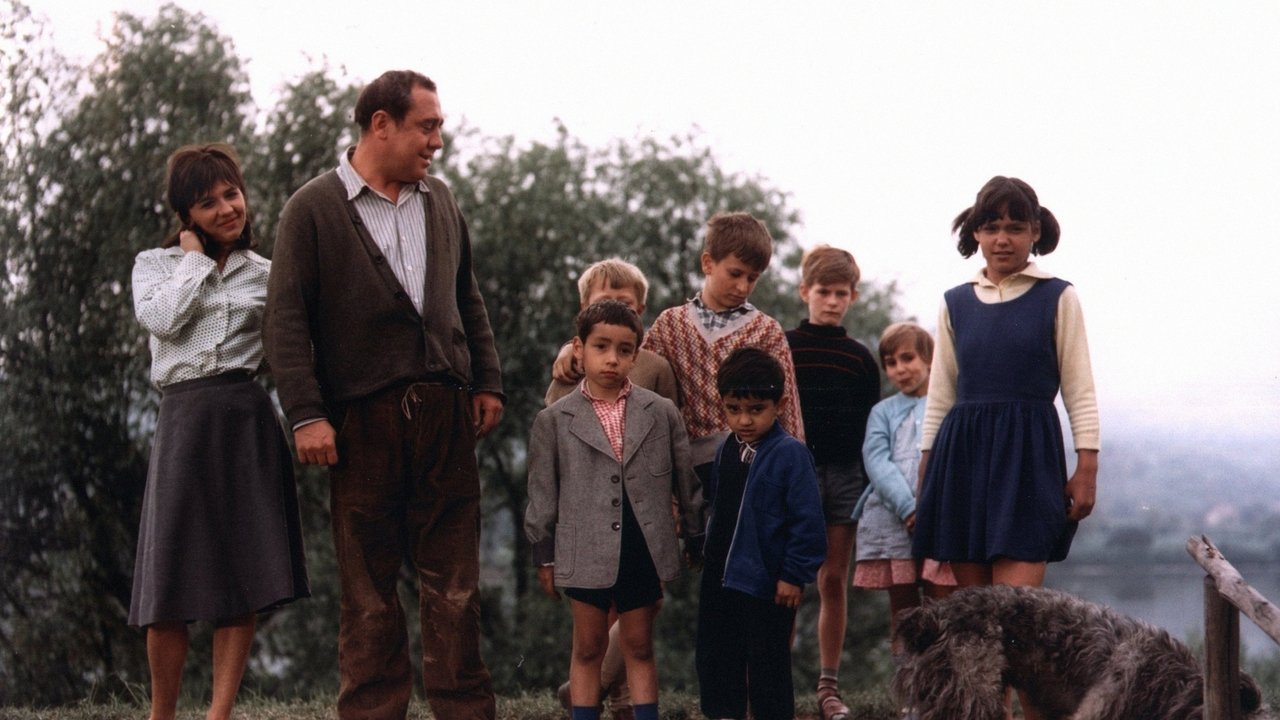
The genius of The Witness lies in its protagonist, Pelikán, brought to life with pitch-perfect naivety and resilience by Ferenc Kállai. Pelikán isn't a revolutionary or an intellectual; he's just a guy trying to get by, look after his kids, and maybe enjoy some decent sausage. His initial "crime" is minor, born of circumstance. Yet, this small transgression catches the attention of Comrade Virág (Lajos Őze), a chillingly cheerful party apparatchik. Virág sees potential in Pelikán – not for his skills or ideology, but for his pliability. What unfolds is a series of escalatingly ludicrous promotions and tasks bestowed upon the bewildered dike keeper: director of a swimming pool (despite not being able to swim), head of an amusement park, CEO of an orange research institute (tasked with growing oranges in Hungary, naturally). Each new role is a Kafkaesque nightmare, a showcase of bureaucratic incompetence and ideological doublespeak. Pelikán’s attempts to genuinely fulfil these impossible demands only highlight the profound absurdity of the system he’s trapped within. Kállai masterfully conveys Pelikán's mounting confusion, his moments of quiet dignity, and his ultimate, simple desire to just tell the truth – a commodity in dangerously short supply.
### Laughter in the Shadow of the Gallows
It's crucial to understand the context here. Made in the aftermath of the crushed 1956 Hungarian Uprising and reflecting the oppressive Rákosi era of the early 50s, The Witness was playing with fire. Bacsó, who also penned the sharp script, navigates a razor's edge between farce and genuine political critique. The humor isn't light; it’s the desperate, knowing laughter that arises when reality becomes too ridiculous to bear. Comrade Virág, played with unsettling bonhomie by Lajos Őze, embodies the smiling face of oppression. His constant refrain, "The international situation is intensifying," becomes a catchphrase justifying every nonsensical command and twist of logic. It’s funny, yes, but the undercurrent is pure menace. You laugh at Pelikán’s predicaments, but you never forget the real danger he’s in. The film brilliantly captures the paranoia, the arbitrary nature of power, and the way ideology can warp reality itself. Think of the infamous line about the "new Hungarian orange"—"It's a little yellow, a little sour, but it's ours." It’s a perfect encapsulation of the film’s satirical genius.
### A Film Too True To Be Shown
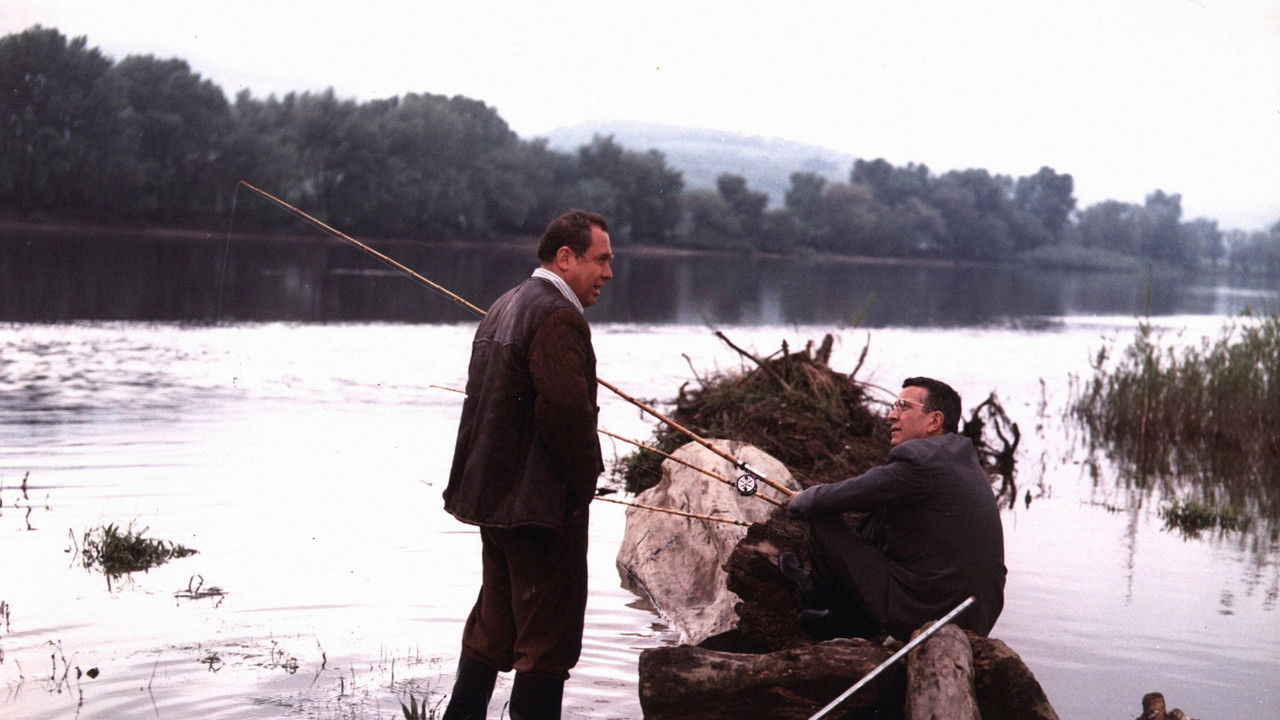
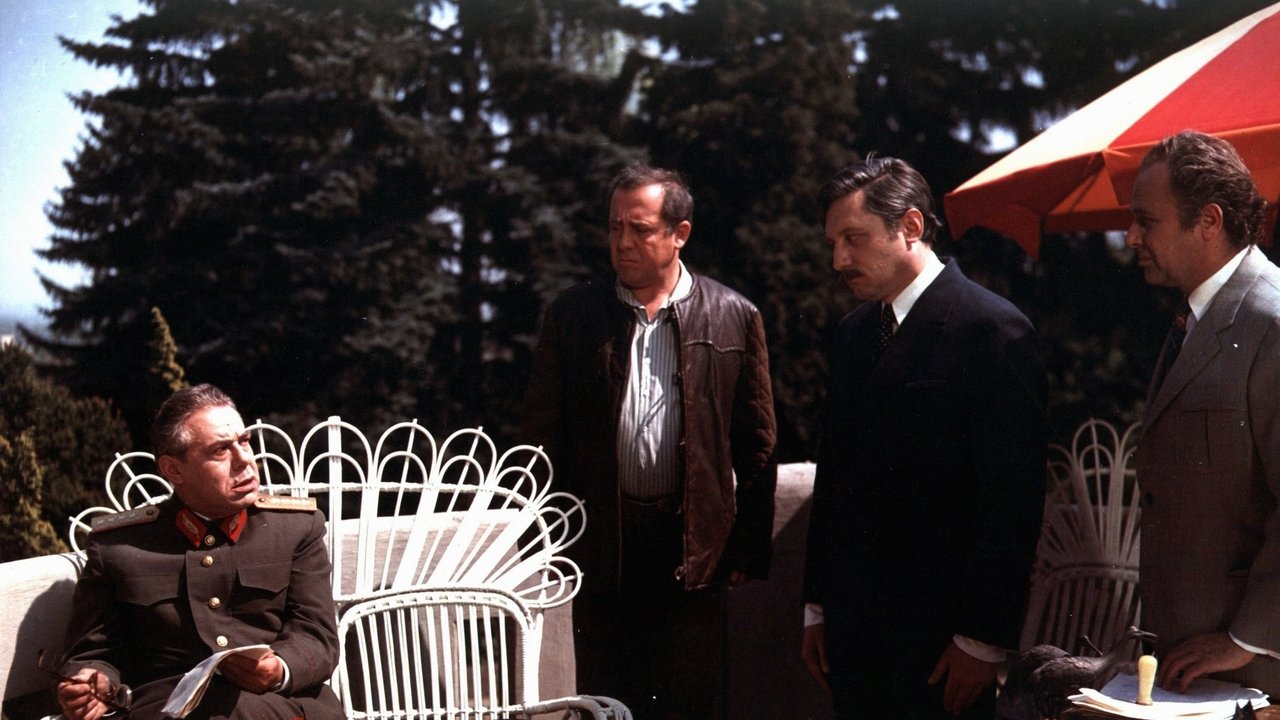
The journey of The Witness itself is almost as compelling as the story it tells. Shelved immediately upon completion by the authorities who recognized its potent critique, it existed only in hushed tones and secret screenings for years. It wasn't until 1981 that it received a proper, albeit limited, release in Hungary, having already gained international acclaim at festivals like Cannes (where it screened in 1981's Un Certain Regard). This delay, this act of suppression, ironically cemented its legendary status. It became the film that dared to laugh at the system from within, a testament to the power of satire even under the most restrictive conditions. Knowing this history adds another layer to the viewing experience; you're not just watching a film, you're watching an act of defiance. Does its commentary on blind bureaucracy and the manipulation of truth still resonate today, perhaps in contexts far removed from 1950s Hungary? It’s a question that lingers uncomfortably.
### Enduring Relevance, Simple Truths
The Witness isn't flashy. It lacks the high-octane thrills or dazzling effects common to many films celebrated on "VHS Heaven." Its power lies in its sharp writing, its perfectly judged performances, and its courageous core message. It reminds us that sometimes the most profound political statements come not from grand pronouncements, but from the bewildered perspective of an ordinary person caught in the gears. Pelikán’s journey is a tragi-comic odyssey, forcing us to confront the ease with which absurdity can become policy and how individual conscience fares against the weight of the state. It’s a film that rewards patience, inviting reflection long after the tape clicks off.
Rating: 9/10
This score reflects the film's masterful blend of biting satire and genuine pathos, its historical significance, and the enduring power of Ferenc Kállai's central performance. Its "crime" was telling the truth with a laugh, a truth so potent it took over a decade for the world to officially see it. The Witness remains a vital piece of Cold War cinema, a darkly humorous reminder that sometimes, the most dangerous weapon is simply refusing to pretend the emperor's new orange isn't yellow and sour.