Alright, fellow tapeheads, gather 'round. Tonight, we're popping in something a little different, a flick that slipped out right as the new millennium dawned but feels like it belongs in a dusty corner of the video store, nestled between a forgotten slasher and a bizarre sci-fi oddity. Let's talk about Marco Manetti and Antonio Manetti's utterly unique, hip-hop infused vampire comedy, Zora la vampira (2000). This wasn't your typical Hollywood creature feature; no, this was Italy doing Dracula, Roman style, with a beatbox soundtrack.
### From Transylvania to the Eternal City Underground
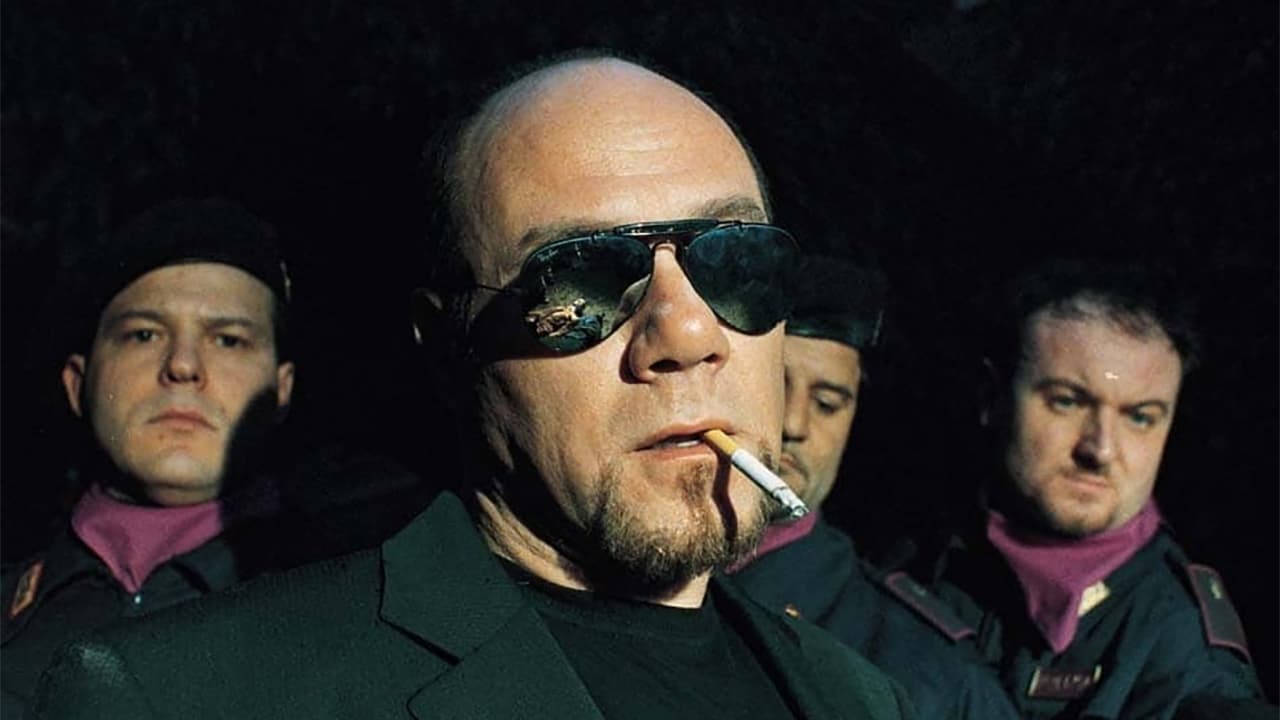
The premise alone is enough to raise an eyebrow: Count Dracula (Carlo Verdone), bored with his crumbling castle and yearning for the sea (and maybe some fresh blood), decides to relocate. After a chaotic shipping container journey involving some unfortunate stowaways, he washes ashore in Italy and sets his sights on Rome. But this isn't the Rome of ancient emperors or Fellini-esque dreamscapes. This is the Rome of graffiti-tagged suburbs, underground rap battles, and vibrant street culture. Dracula, reimagined here as a slightly bewildered, perpetually overdressed aristocrat, finds himself hilariously out of place. His plan? Find a new bride and maybe understand this strange, loud new world.
Enter Zora (Micaela Ramazzotti in one of her early prominent roles), a street-smart graffiti artist who catches the Count's undead eye. She's everything his old world isn't: modern, independent, and deeply immersed in the local hip-hop scene. The clash of cultures – ancient vampirism versus late-90s Italian youth culture – is the engine driving this strange, often funny, machine. It’s a film born from a comic book series of the same name, created by Ilaria Volpe, which already laid the groundwork for this unusual fusion.
### Verdone Against Type and the Manetti Touch
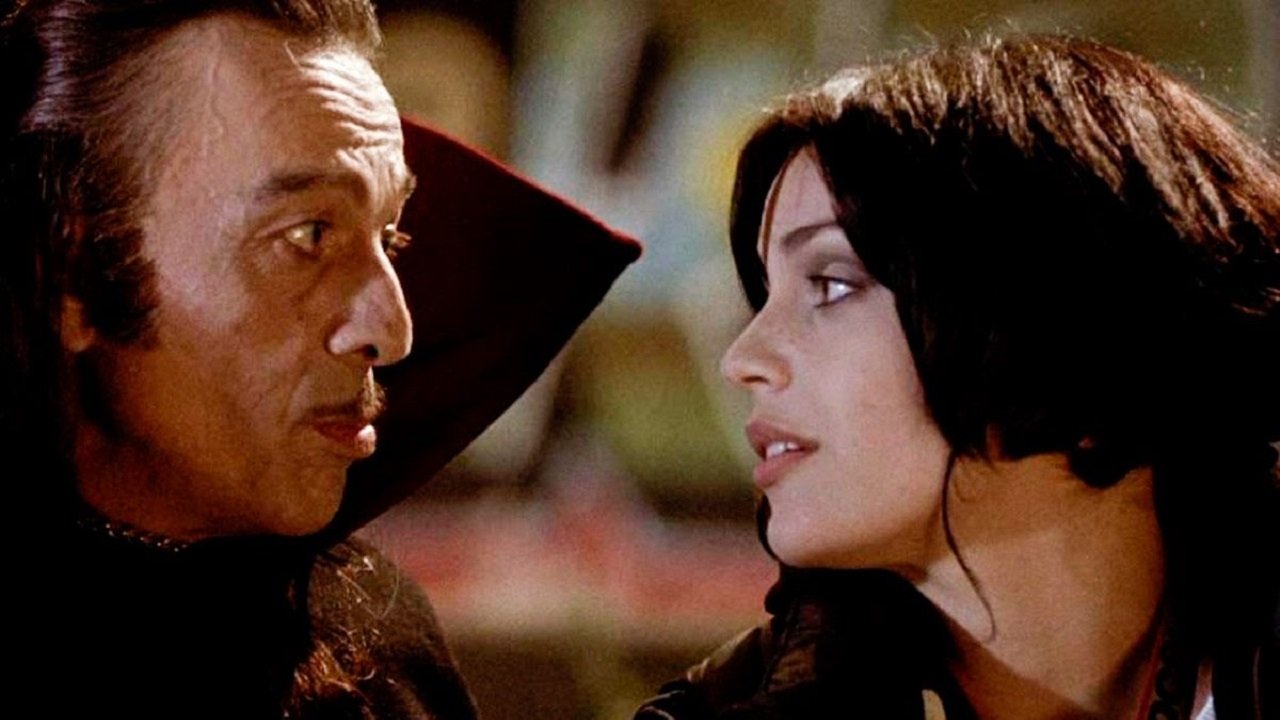
The casting of Carlo Verdone as Dracula is inspired lunacy. Verdone, a titan of Italian comedy known for his portrayals of neurotic, relatable Roman characters (think Bianco, rosso e Verdone or Compagni di scuola), playing the Prince of Darkness? It sounds bizarre, but it works precisely because it’s unexpected. He plays Dracula not as a terrifying monster, but as an awkward, almost pitiful figure, struggling to maintain his vampiric dignity amidst DJs, rappers, and spray cans. It’s a performance that leans heavily into the comedic absurdity of the situation. Seeing him try to intimidate street kids who are more bemused than scared is pure gold.
The Manetti Bros., who would later gain international recognition for stylish crime films like Song'e Napule (2013) and the Diabolik trilogy (starting 2021), were already honing their distinct visual flair here. Zora has that raw, energetic feel that marked much of their early work. Forget slick Hollywood gloss; this feels grittier, more grounded in its specific Roman setting, even with a vampire walking around. They use quick cuts, dynamic camera angles, and a vibrant colour palette that mirrors the graffiti art central to Zora's character. It’s a low-budget affair, and sometimes it shows, but the directors often turn limitations into stylistic choices, giving the film a distinctive, almost punk-rock energy. Remember that feeling of watching a movie clearly made with passion, even if the seams were visible? Zora has that in spades.
### Beats, Blood, and Roman Rhapsody
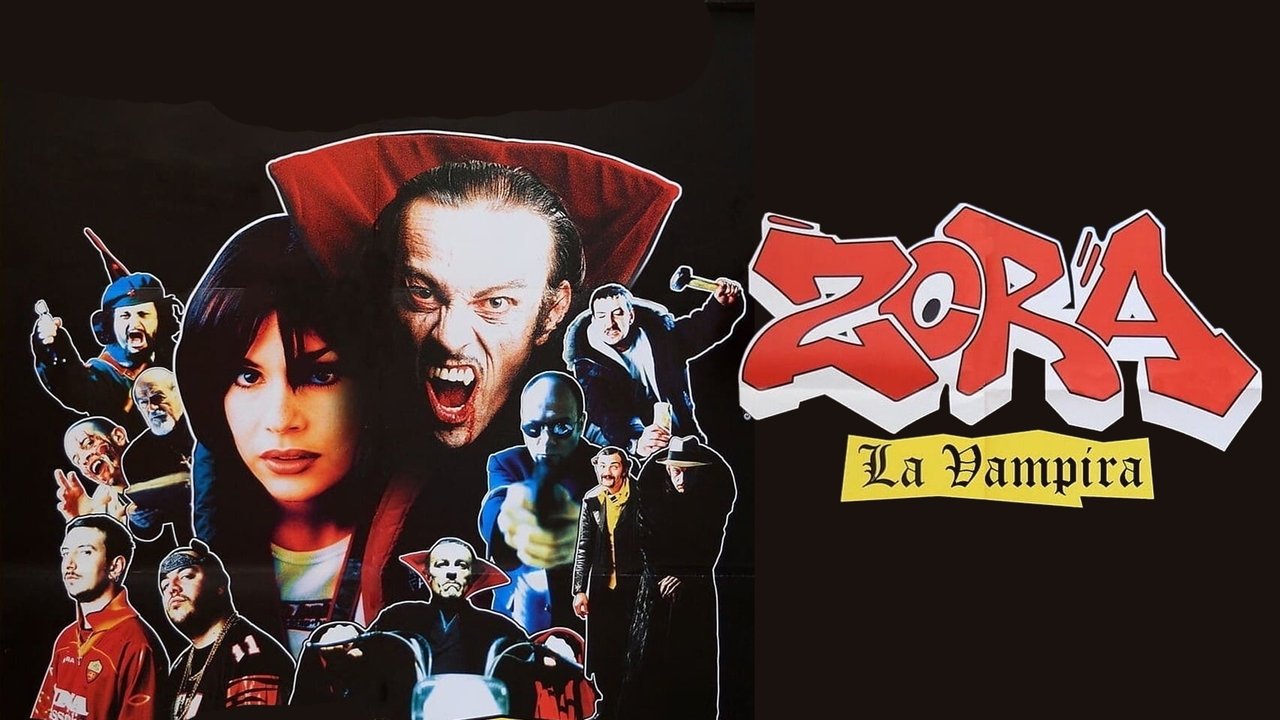
One of the most defining elements – and perhaps the most "love it or hate it" aspect – is the soundtrack and its deep integration into the film's fabric. This isn't just background music; the Italian hip-hop scene of the era is practically a character itself. Featuring prominent artists like Chef Ragoo (who also has a significant acting role as Zora's friend), Piotta, and Cor Veleno, the music drives the rhythm of the film. The rap battles, the slang, the fashion – it’s an unapologetic snapshot of that specific subculture at that specific time. For Dracula, it's just another layer of baffling modernity he has to navigate. This musical focus was a bold move, alienating some traditional horror fans back in 2000 but cementing the film's cult status among others who appreciated its unique flavour. Did it feel authentic? Absolutely, even if the idea of Dracula chilling at a rap battle is inherently comical.
The "horror" elements are played more for laughs and atmosphere than genuine scares. The vampire lore is there, but it’s filtered through this comedic, urban lens. Don't expect intricate practical effects showcasing gruesome transformations like we saw in An American Werewolf in London (1981) or The Thing (1982). The effects here are simpler, more suggestive, relying on makeup, lighting, and Verdone's performance to sell the vampirism. It’s charmingly old-school in its approach, even for a 2000 release, feeling closer in spirit to some of the quirkier horror comedies of the late 80s.
### A Cult Curio Worth Digging Up?
Zora la vampira wasn't exactly a box office smash, and critics were somewhat divided by its unconventional genre mashup. But like so many films we champion here at VHS Heaven, it found its audience later – people who appreciated its audacity, its specific cultural snapshot, and its sheer weirdness. It’s a film that doesn’t quite fit neatly into any box. Is it a horror film? A comedy? A musical? A social commentary? Yes, kind of, to all of the above.
It’s definitely a product of its time, capturing a specific moment in Italian pop culture. Some of the humour might feel dated, and the pacing occasionally wobbles, but there’s an undeniable energy and a refreshing lack of cynicism. The Manetti Bros. clearly loved this world and threw everything they had at the screen.
Rating: 6.5 / 10
Justification: Zora la vampira earns points for its sheer originality, Verdone's wonderfully strange performance, and its vibrant snapshot of turn-of-the-millennium Roman youth culture. The Manetti Bros.' emerging style and the infectious hip-hop soundtrack give it a unique identity. However, it loses some points for uneven pacing, occasionally simplistic horror elements, and a niche appeal that might not resonate with everyone. It's a film whose ambition sometimes exceeds its grasp, but its charm is undeniable.
Final Thought: This flick is like finding a bootleg cassette mixtape from a trip abroad – a little rough, definitely strange, but pulsing with an energy and a unique flavour you won't find anywhere else. For fans of cinematic oddities and Italian genre-bending, Zora is a curiosity well worth seeking out, a vampire tale spun with spray paint and breakbeats.