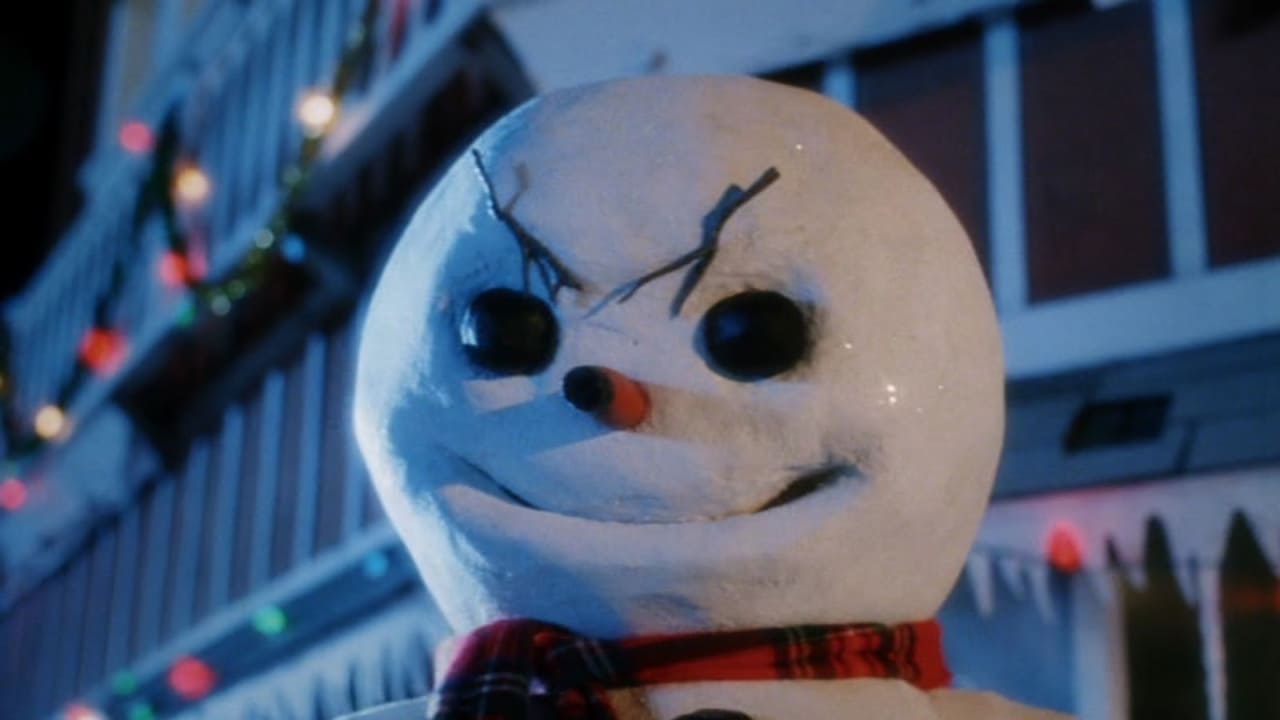
That stark white snowman against the blood-red background on the VHS box… remember that? It promised something profoundly unsettling, a perversion of winter cheer that lodged itself in the back of your mind long after Blockbuster closed for the night. Jack Frost (1997) wasn't playing coy. It threw its utterly bonkers premise right in your face: a serial killer, genetically fused with snow, continuing his reign of terror as a wisecracking, homicidal snowman. The chill wasn't just from the setting; it was the sheer, frosty audacity of it all.
### Welcome to Snowmonton: Population Decreasing
Right from the start, Jack Frost wraps you in that specific kind of low-budget, late-90s chill. The fictional town of Snowmonton feels appropriately isolated, captured with cinematography that emphasizes the cold, stark whites and blues, occasionally punctuated by garish Christmas lights. There's an almost oppressive quiet before the storm hits – the storm, in this case, being Jack Frost himself (Scott MacDonald, pre-transformation and providing the gleefully menacing voice throughout), a maniac en route to execution who, through a collision with a genetics truck (because of course), becomes one with the winter landscape. Director and writer Michael Cooney doesn't waste time; the setup is brisk, almost gleefully implausible, setting the stage for pure B-movie mayhem. It’s the kind of plot logic that thrived on video store shelves, demanding you just go with it.
### The Abominable Snow-Maniac
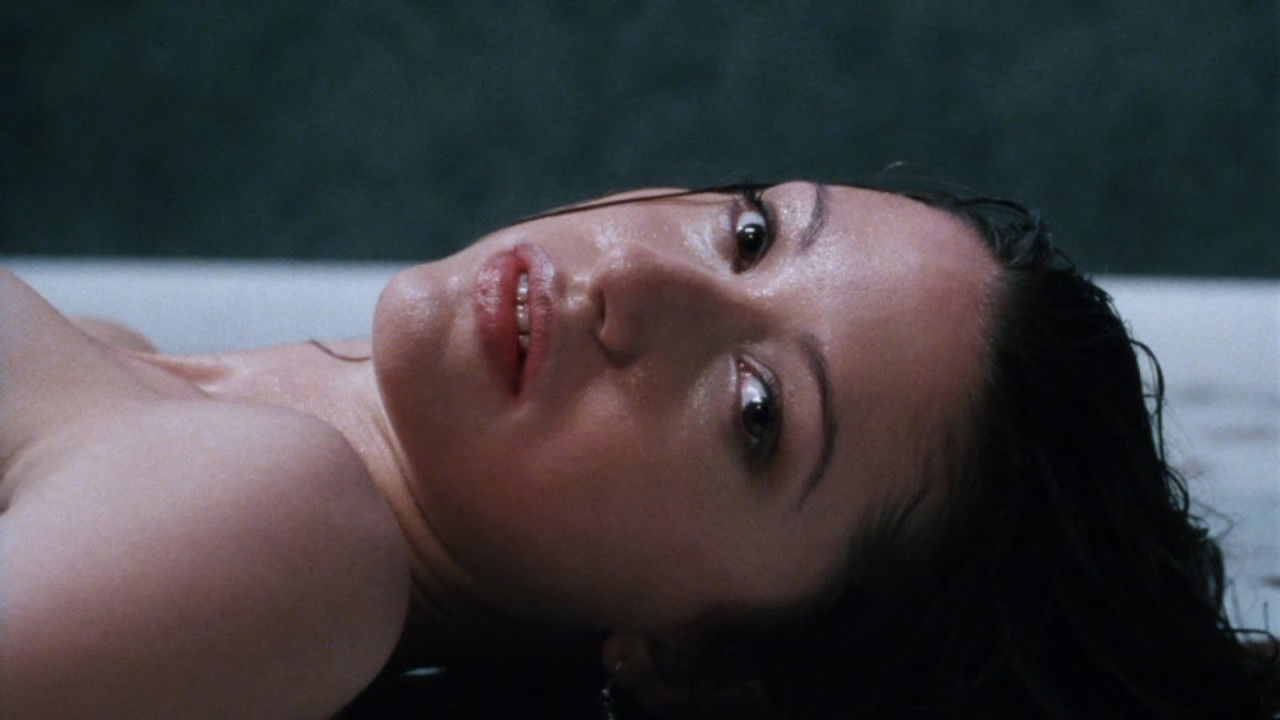
Let's talk about the snowman. In an era rapidly heading towards CGI dominance, Jack Frost's commitment to a practical killer snowman suit is a huge part of its charm. Sure, it looks cumbersome, sometimes laughably stiff, but there's a presence to it. You see the texture, the way the light hits the artificial snow. When Jack morphs – extruding an icicle dagger or melting under a hairdryer – the effects are pure, tactile 90s schlock. You can almost feel the sticky, slushy residue. It’s reported that the suits themselves were notoriously difficult to work in, prone to issues on the relatively low budget (often estimated under $1 million). Yet, that struggle somehow translates into the creature's jerky, unnatural menace. MacDonald’s voicework, loaded with terrible puns ("Look Ma, I'm a Picasso!"), is the crucial ingredient, turning what could be just a visual gag into a genuinely irritating (in a good way) slasher villain. Doesn't that slightly uncanny valley effect of the suit still feel weirdly effective?
### Iced Puns and Bloody Baths
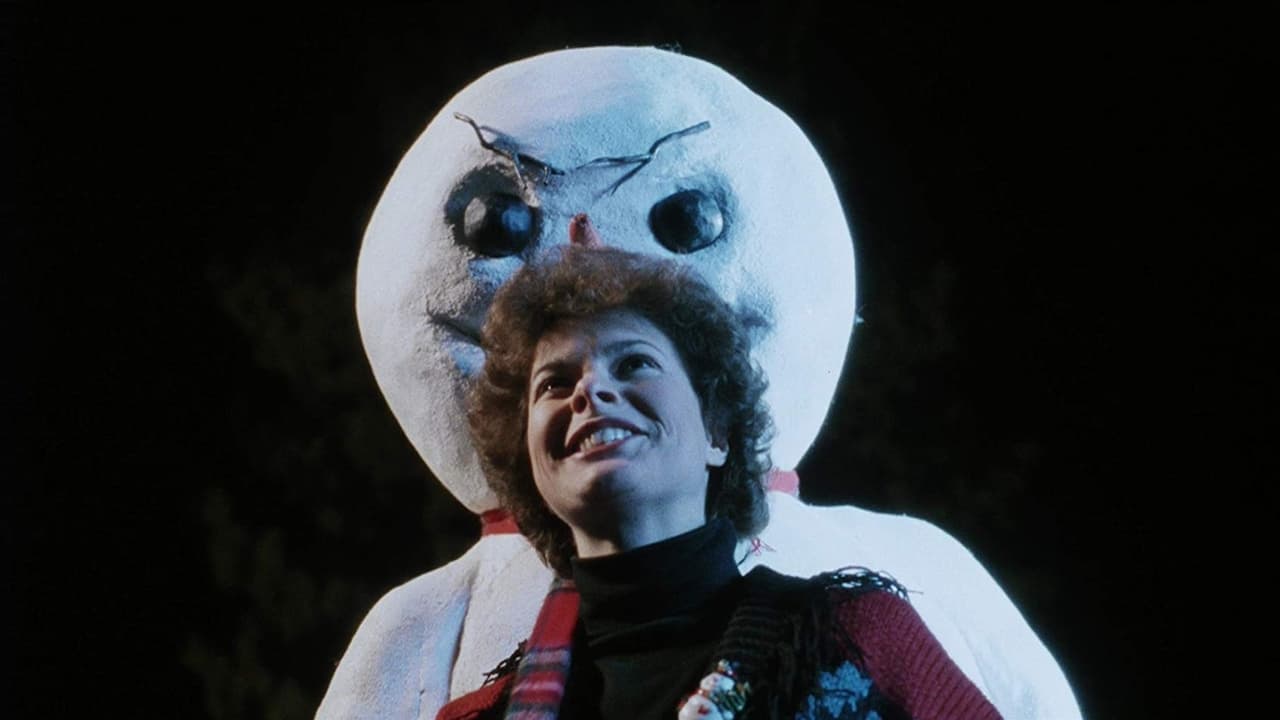
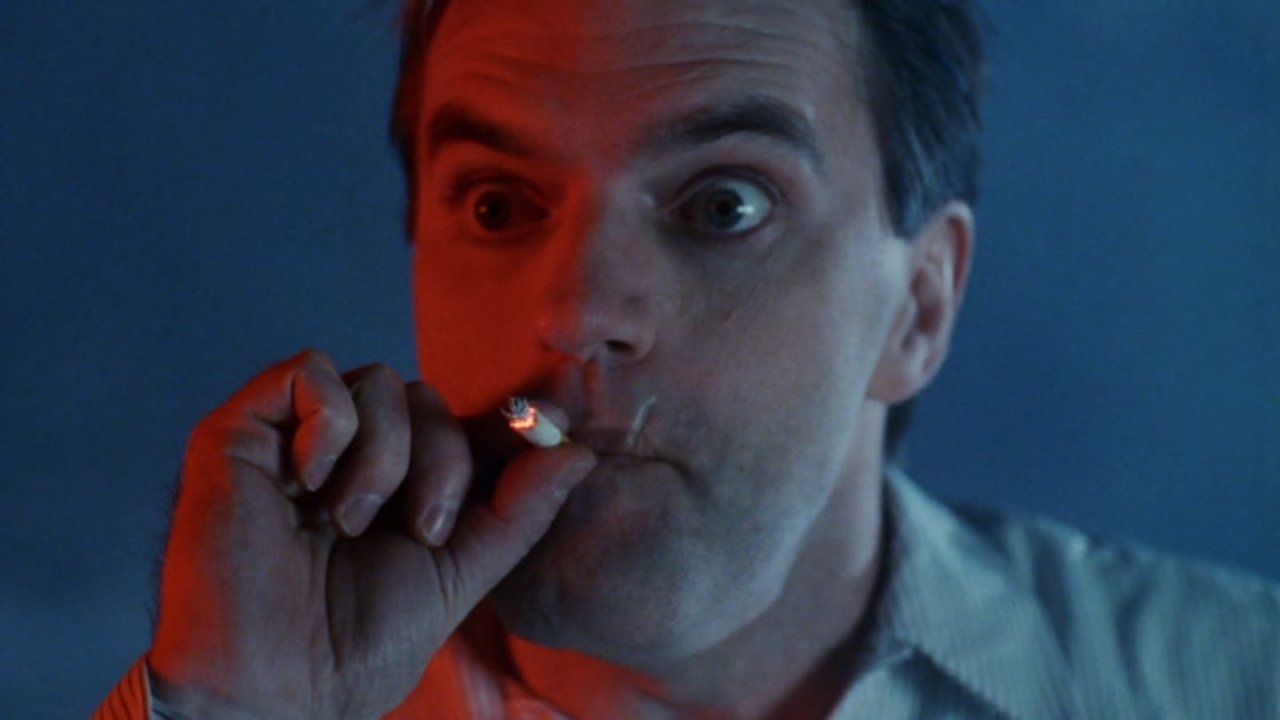
The film walks a bizarre tightrope between slasher horror and dark comedy. The kills are often inventive, leaning into the snowman concept – death by icicle, suffocation by snow, and, most notoriously, that bathtub scene involving a young Shannon Elizabeth (in one of her earliest roles, filmed before American Pie but released after in some markets). It’s a scene that courted controversy and cemented the film’s reputation for pushing boundaries, albeit in the most absurd way possible. It’s undeniably uncomfortable, yet so over-the-top it loops back around to pitch-black comedy. The humor mostly lands via Jack's relentless one-liners, a clear echo of Freddy Krueger's influence. Counterbalancing the chaos is Sheriff Sam Tiler (Christopher Allport, a familiar face from shows like Mad Men later in his career), who plays the escalating madness relatively straight, grounding the film just enough so the audience has someone to root for amidst the snowy carnage. His weary determination feels genuine, even when facing down lines like "Don't eat yellow snow!"
### Straight-to-Video Snowdrift Success
Jack Frost wasn't destined for multiplex glory. It found its home, like so many genre gems, on the VHS rental shelves. Its lurid cover art and killer concept practically leapt out at browsing teens and horror hounds. Released directly to video in the US, it built its cult following steadily, often confused with the family-friendly Michael Keaton film of the same name released the following year – a mix-up that likely led to some traumatized family movie nights! The tagline "He's chillin'... and killin'" perfectly captured its vibe. Filmed around the snowy landscapes near Truckee, California, the production squeezed a lot of frosty mayhem out of its limited resources. There were apparently battles over the film's rating due to the violence and that infamous scene, showcasing the kind of censorship tango common for indie horror aiming for an R. It’s a testament to its specific brand of weirdness that it spawned a sequel, Jack Frost 2: Revenge of the Mutant Killer Snowman (2000), which somehow managed to be even more bizarre.
### Final Meltdown
Jack Frost is the epitome of a specific type of 90s horror: ambitious in concept, hampered by budget, but brimming with a strange, infectious energy. It knows exactly what it is – a gory, pun-filled slasher romp with a ludicrous premise – and leans into it with gusto. The practical effects have a nostalgic charm, the kills are memorable (for better or worse), and Scott MacDonald’s vocal performance is unforgettable. It’s undeniably cheesy, occasionally clumsy, but never boring.

Rating: 6/10
Justification: This score reflects Jack Frost's status as a supremely entertaining piece of 90s cult horror, despite its obvious flaws. It loses points for the sometimes clunky execution, uneven tone, and variable acting. However, it gains significant points for its sheer audacity, memorable practical effects (warts and all), iconic villain performance (voice), infamous moments that have secured its legacy, and undeniable rewatchability for fans of schlocky genre fare. It delivers exactly the kind of B-movie absurdity it promises.
It may not be high art, but Jack Frost remains a strangely beloved artifact of the direct-to-video era, a film that proves even the most ridiculous concept can become a cult classic with enough bloody snow and bad puns. It's a perfect slice of late-night VHS absurdity that still manages to raise a chill… and a chuckle.