It seems almost quaint now, looking back at the year 2000. The Y2K panic had fizzled, the dial-up modem was still screeching in many homes, and the sight of Bruce Willis, king of the smirking action hero archetype thanks to Die Hard (1988) and its sequels, headlining a heartfelt Disney family film felt… well, surprising. Yet, The Kid arrived, not with a bang or a wisecrack explosion, but with a gentle shimmer of magic and a premise that tugged right at the anxieties of anyone wondering if they'd lived up to their childhood dreams. For many of us transitioning from worn VHS tapes to shiny new DVDs around that time, it was a different kind of adventure starring a familiar face.
Meeting Your Younger Self (Literally)
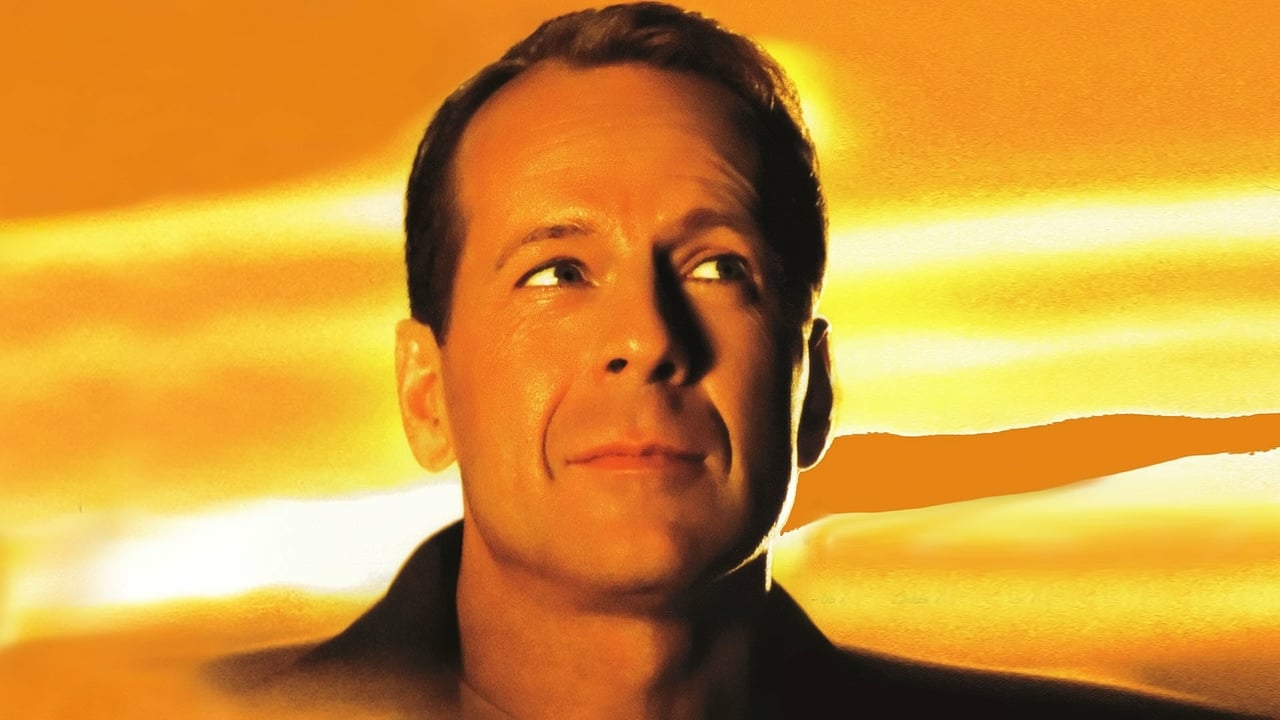
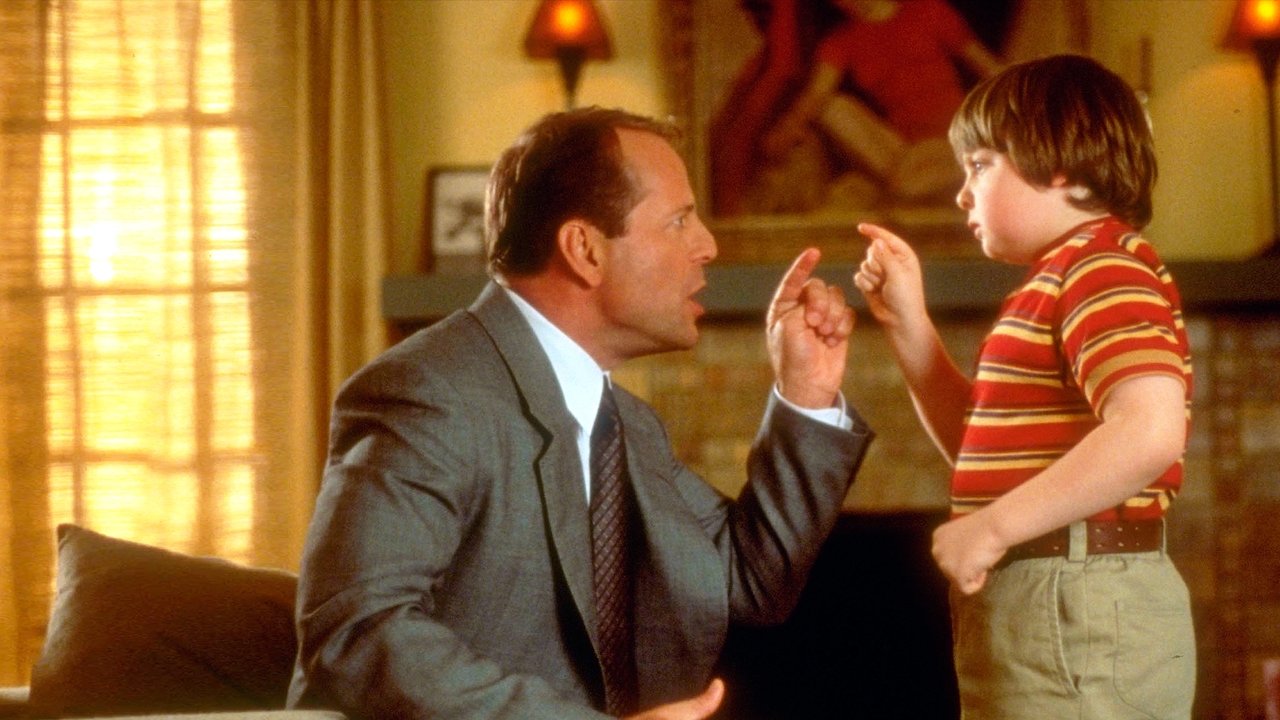
The concept, penned by the talented Audrey Wells (who also wrote The Truth About Cats & Dogs (1996) and later directed Under the Tuscan Sun (2003)), is wonderfully simple yet effective. Bruce Willis plays Russ Duritz, a wildly successful but deeply unhappy and abrasive image consultant. His meticulously ordered, emotionally sterile life is thrown into chaos when he inexplicably comes face-to-face with himself at age eight – a chubby, slightly nerdy, optimistic kid named Rusty, brought to life with infectious energy by Spencer Breslin. Rusty is everything Russ has suppressed: hopeful, vulnerable, and horrified by the cynical, dog-less, unmarried man he's apparently grown up to be.
Director Jon Turteltaub, already adept at handling warmth and humor in films like Cool Runnings (1993) and While You Were Sleeping (1995), guides the story with a steady hand. He lets the inherent charm of the premise shine, balancing the comedic friction between the jaded adult and the wide-eyed child with genuinely touching moments of self-discovery. It’s not a film about intricate plot twists; it’s about the emotional journey Russ undertakes, forced by his younger self to confront the past traumas and forgotten aspirations that shaped him.
Willis Against Type?
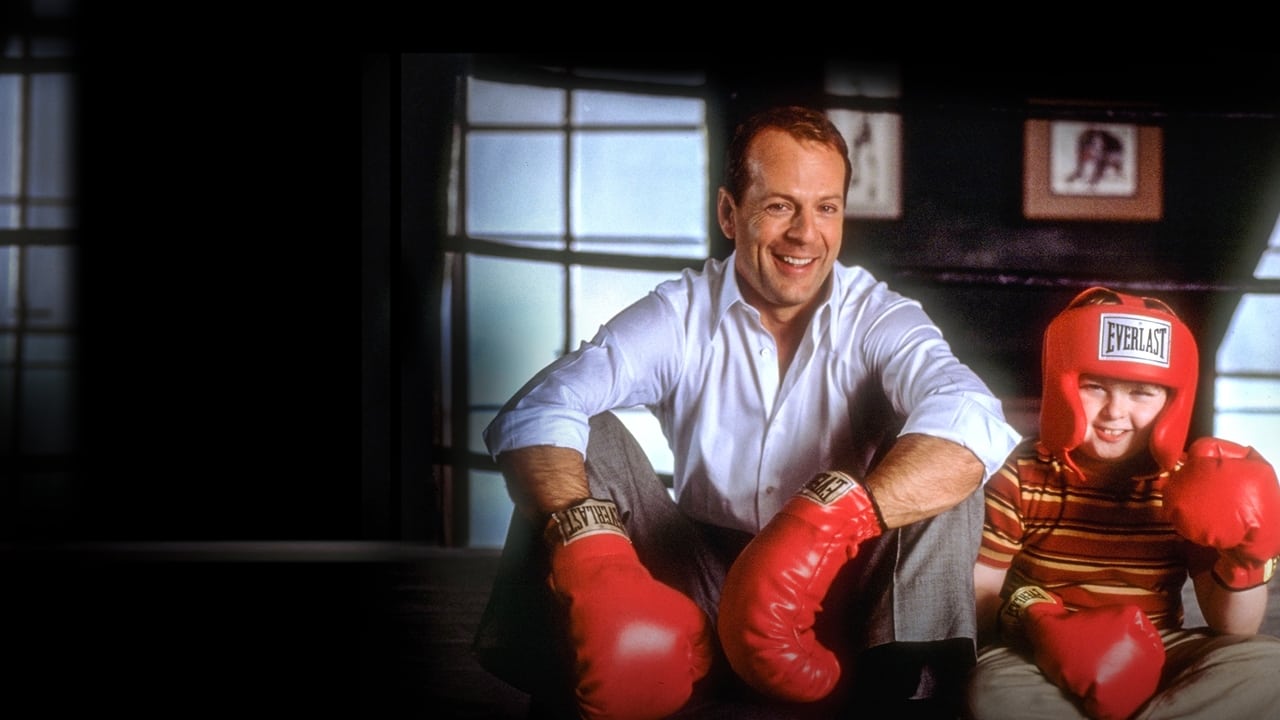
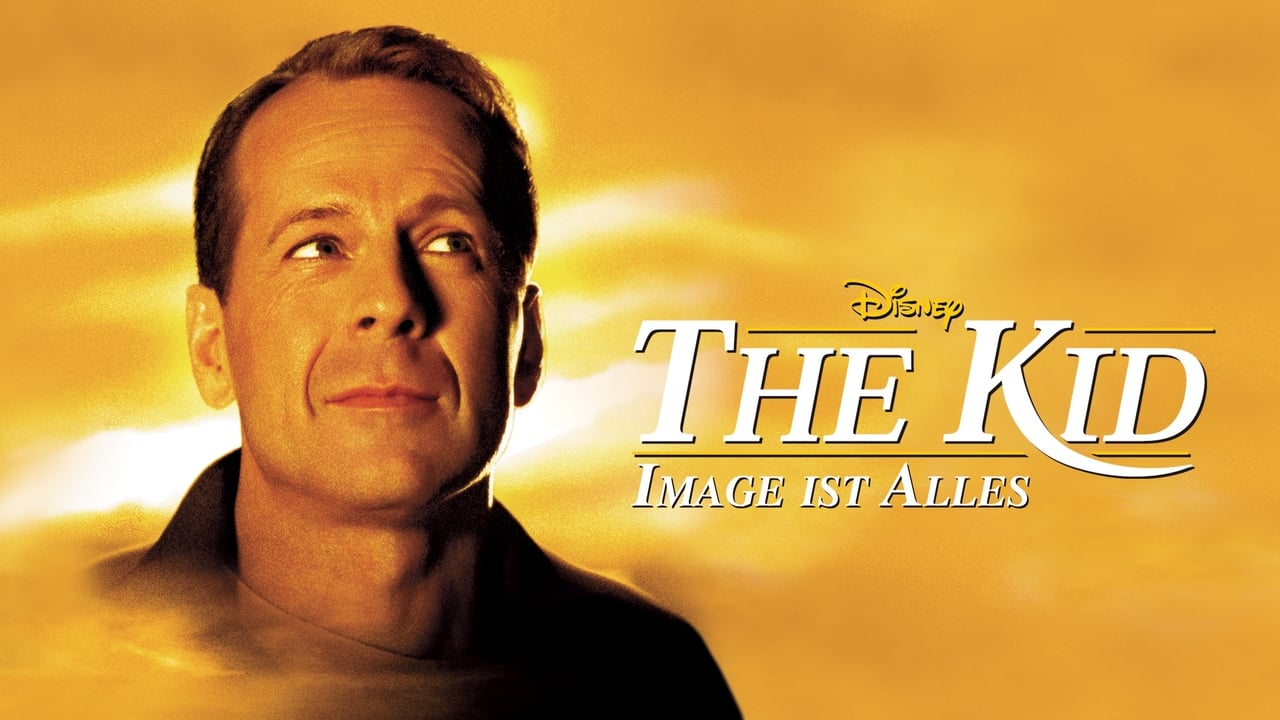
Seeing Bruce Willis shed the action hero persona (mostly) was a key part of the film's appeal, and frankly, a bit of a gamble for Disney, who reportedly backed the film with a $65 million budget. While he gets moments of exasperation and dry wit that feel familiar, Willis also delivers a surprisingly nuanced performance. He allows Russ's carefully constructed walls to crumble, revealing the hurt and disappointment underneath. It's fascinating to watch him react to Rusty’s innocent observations and judgments, often with more vulnerability than we were used to seeing from John McClane. It was a project Willis clearly cared about, produced through his own company, Cheyenne Enterprises, suggesting a personal connection to its themes.
Young Spencer Breslin is the perfect foil. He’s not just a generically cute kid; he has comedic timing and manages to convey Rusty's disappointment and confusion without becoming annoying. The chemistry between Willis and Breslin is the heart of the movie, their bickering and eventual understanding forming the emotional core. Emily Mortimer also adds warmth as Amy, Russ's colleague and potential love interest, who sees glimpses of the better man hidden within the cynical shell.
A Touch of Y2K Magic and Memory
The Kid doesn't rely on flashy special effects, though the moments where Rusty appears and disappears have a subtle, almost dreamlike quality. The magic feels grounded, more about the emotional impossibility of the situation than visual spectacle. It’s the kind of film that might have felt perfectly at home nestled between other family favourites on the video store shelf, perhaps rented alongside something like Frequency (also 2000), another film from that year exploring connections across time.
One charming detail often remembered is Rusty's love for the classic red Viscount bicycle – a symbol of childhood freedom that Russ has long since abandoned. And who could forget the dog, Chewbarka? Rusty's dismay at finding his adult self doesn't even own a dog becomes a running gag and a small, potent symbol of Russ's lost joy. These touches, along with Marc Shaiman's gently supportive score, contribute to the film’s overall warmth. While it didn't set the box office ablaze (grossing around $110 million worldwide), it found its audience, offering a feel-good experience with a bit more substance than expected.
It’s easy to be cynical about movies with overt messages, but The Kid delivers its themes about self-acceptance and the importance of remembering who you wanted to be with sincerity. It suggests that it's never too late to reconnect with your inner child, not in a regressive way, but to reclaim the parts of yourself – the hopes, the dreams, the capacity for joy – that might have gotten lost along the path to adulthood.
Rating: 7/10
The Kid is a genuinely warm, often funny, and ultimately touching film that uses its simple fantasy premise to explore relatable adult anxieties. Bruce Willis steps outside his comfort zone effectively, paired wonderfully with a charismatic Spencer Breslin. While perhaps a touch predictable and certainly wearing its heart firmly on its sleeve, its sincerity and Jon Turteltaub's gentle direction make it a rewarding watch. It earns its 7 for delivering a heartfelt message with charm and strong central performances, proving more memorable than its somewhat unassuming reputation might suggest.
It might not have the explosive action or iconic lines of Willis's 80s and 90s hits, but The Kid offers a different kind of satisfaction – a quiet reminder, perhaps best appreciated now, to occasionally check in with that eight-year-old dreamer inside you.