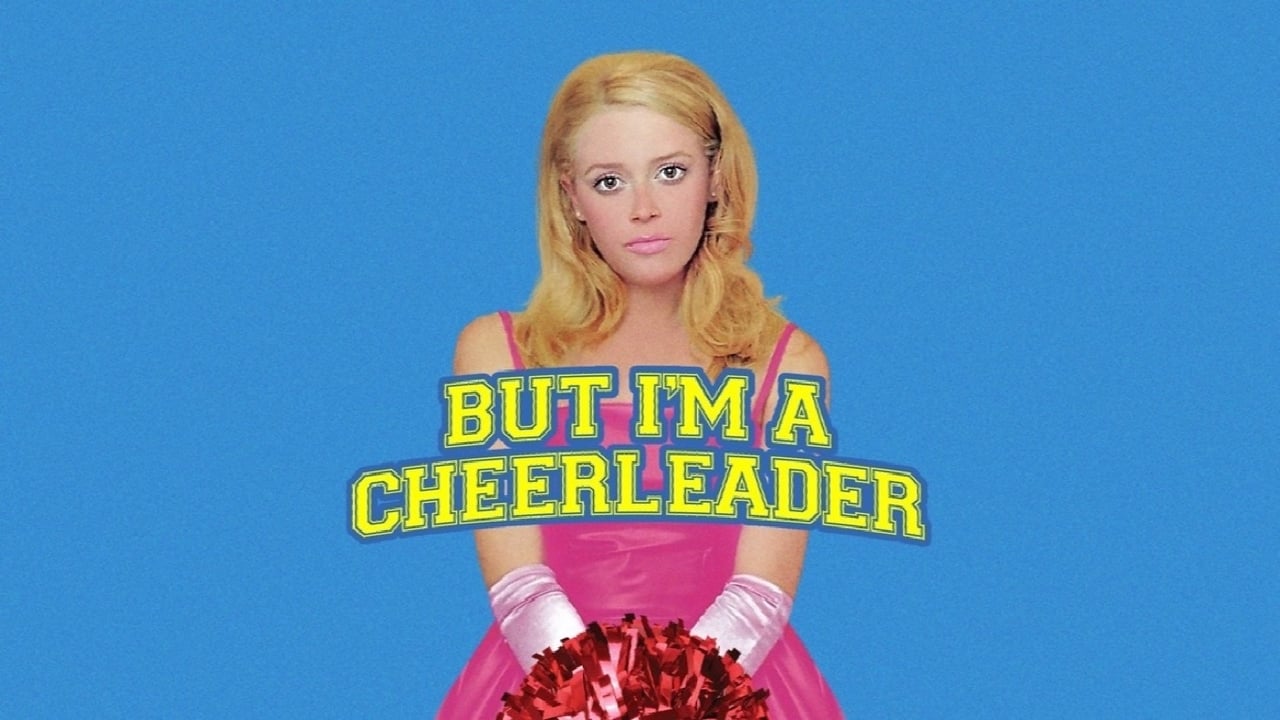
Alright, pop that tape in – wait, maybe this one snuck onto DVD just as the shelves were changing? Regardless, the vibe is pure late-night video store discovery. I’m talking about Jamie Babbit’s candy-coated Molotov cocktail, But I'm a Cheerleader (2000). If you stumbled upon this box back then, with its aggressively pink aesthetic and Natasha Lyonne’s perplexed face staring back, you might not have known exactly what you were in for, but you knew it wouldn't be boring. And boring, it absolutely is not.
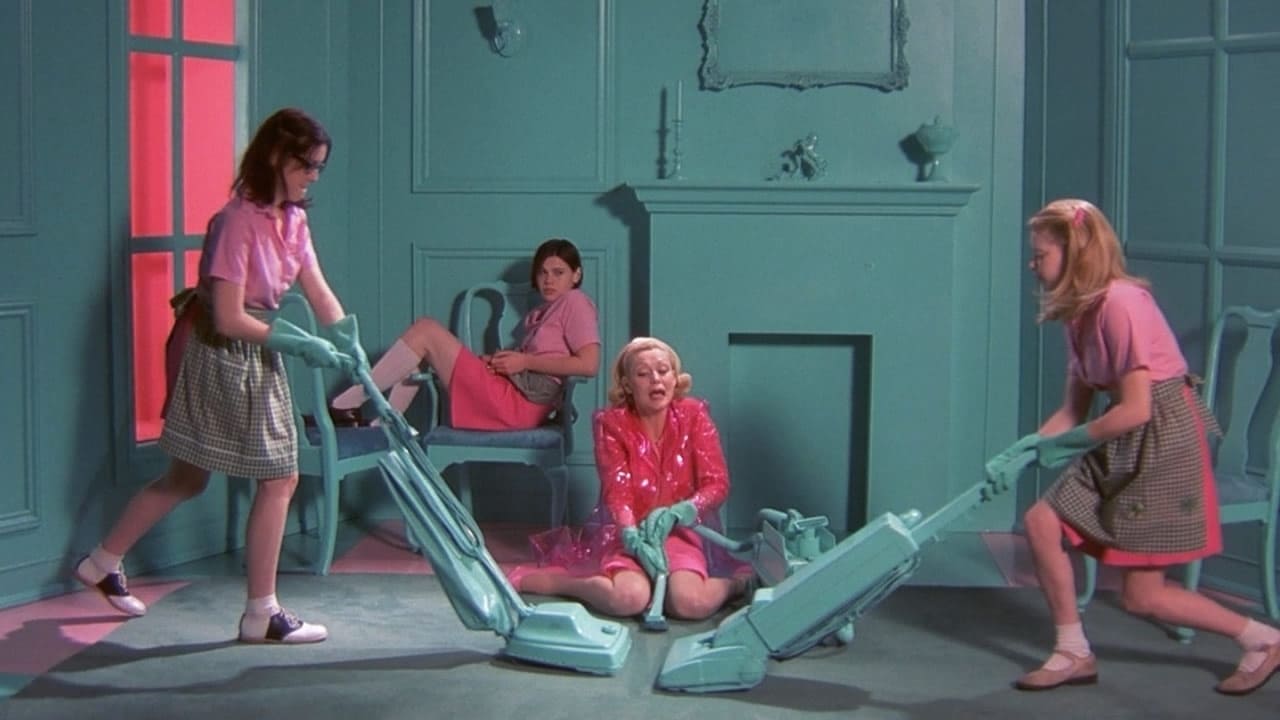
This film throws you headfirst into a world drenched in Pepto-Bismol pink and powder blue, a hyper-stylized, artificial reality that’s as jarring as it is hilarious. We meet Megan Bloomfield (Natasha Lyonne, already radiating that unique star quality she carries), a seemingly perfect high school cheerleader whose parents and friends stage an intervention. Her crime? Suspected lesbianism, based on flimsy evidence like listening to Melissa Etheridge and not enjoying kissing her football player boyfriend. Her destination? True Directions, a conversion therapy camp designed to "straighten" her out.
Welcome to True Directions
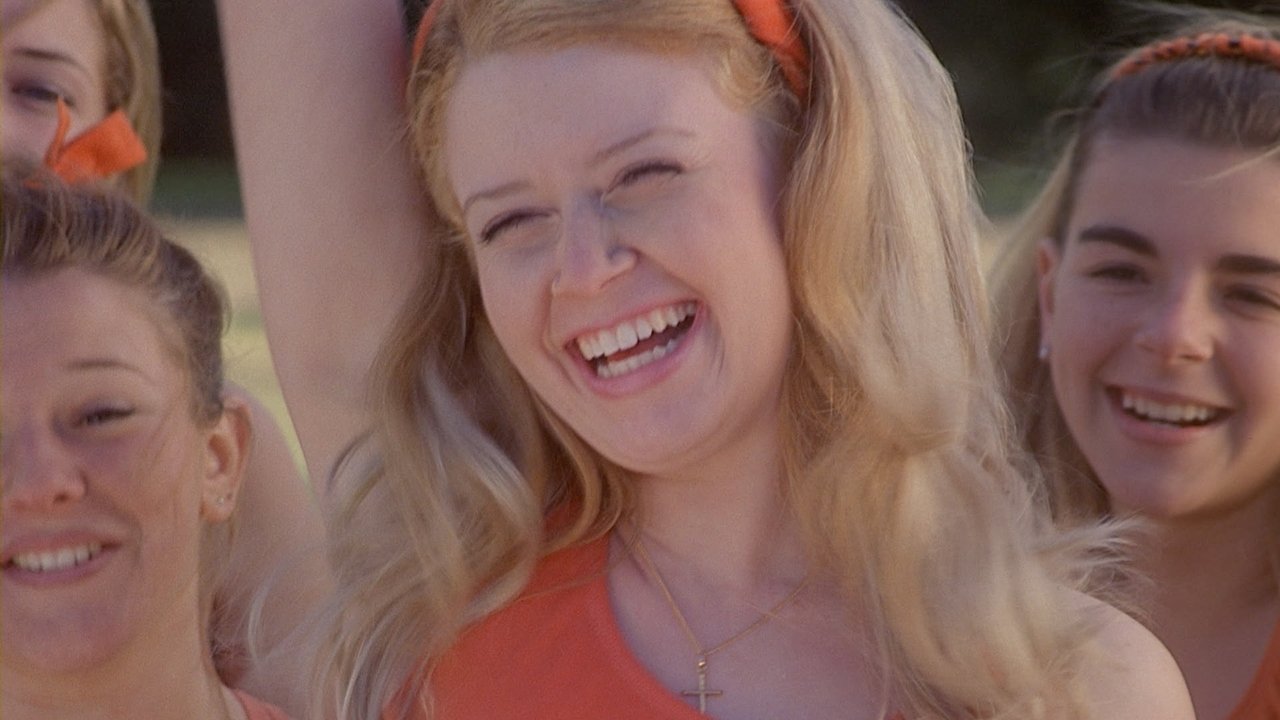
The genius of But I'm a Cheerleader lies in its unwavering commitment to its aesthetic. Director Jamie Babbit, working with a relatively modest budget (reportedly around $1 million – think how little that gets you today!), crafted a visual language that perfectly mirrors the film's satirical intent. True Directions isn't just a place; it's a statement. The aggressively gendered colour-coding, the dollhouse-like sets, the stiff, almost mannequin-like movements demanded of the campers – it all screams artificiality. It’s like John Waters decided to art-direct a Barbie commercial. This wasn't CGI smoothness; this was deliberate, practical design choices making a sharp point about enforced conformity. The low budget arguably fueled this creativity, forcing Babbit and her team to rely on bold, simple strokes that became iconic.
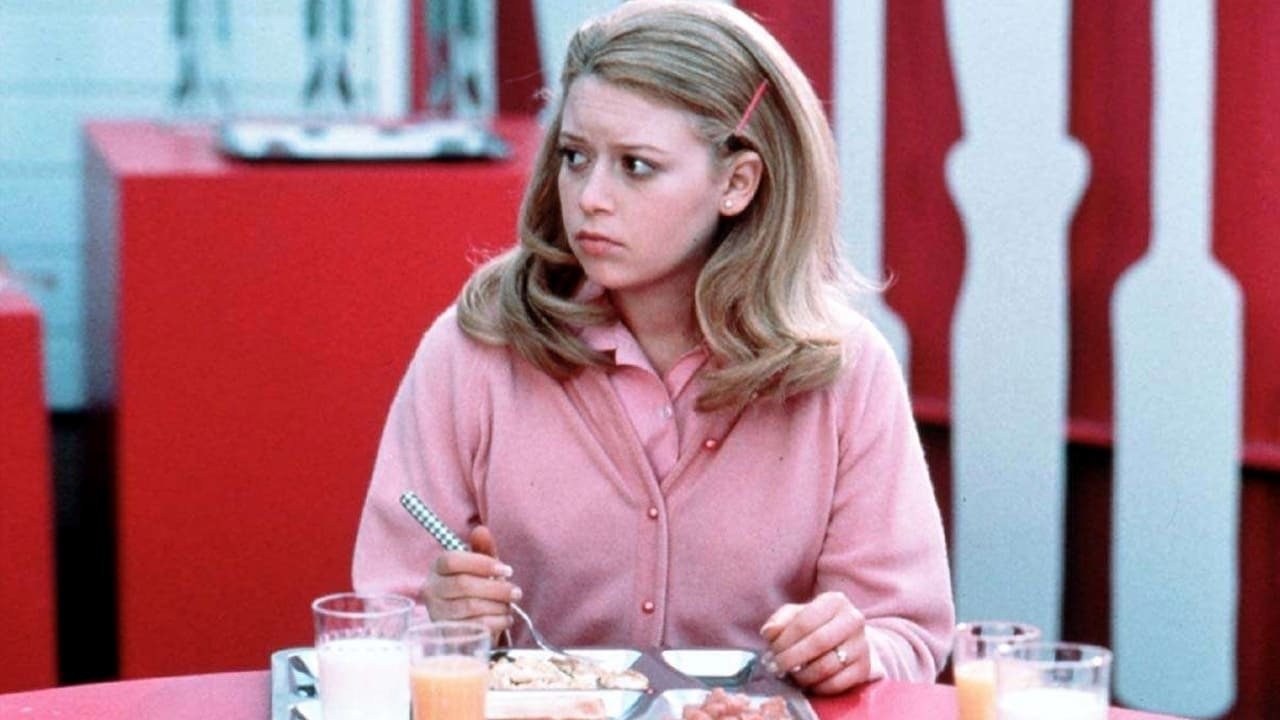
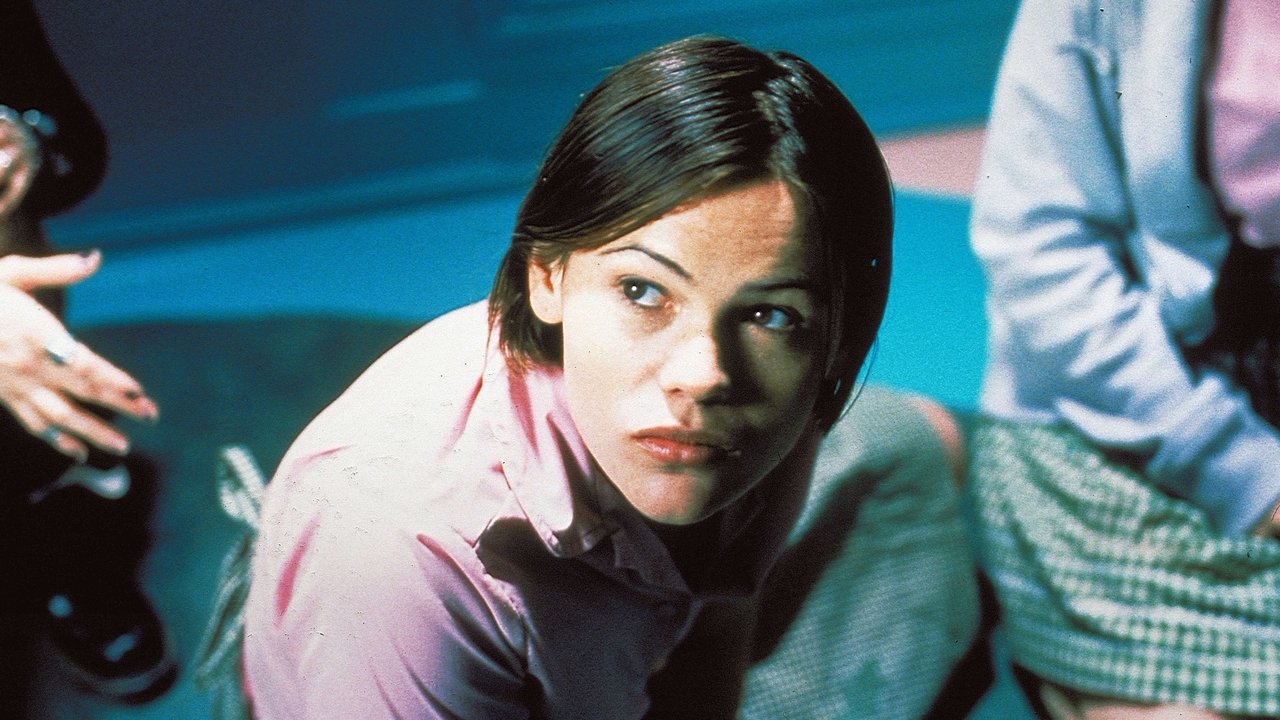
Natasha Lyonne is the anchor, her expressive eyes and dry delivery grounding the absurdity. Her journey from bewildered denial ("But I'm a cheerleader!") to tentative self-acceptance is the film's heart. Opposite her, Clea DuVall as the cynical, effortlessly cool Graham provides the essential spark of rebellion and romance. Their chemistry feels authentic amidst the deliberate fakery, a pocket of real emotion in a plastic world. And let's not forget the camp counselors! Cathy Moriarty (who audiences might remember from Raging Bull (1980)) is terrifyingly funny as Mary Brown, the camp's matriarch, channeling a twisted 1950s housewife ideal. Perhaps one of the most memorable turns comes from RuPaul Charles – credited here as just RuPaul – as Mike, the "ex-gay" counselor leading the boys through ridiculous masculinity exercises. It was a brilliant piece of casting, adding another layer of knowing camp to the proceedings.
Comedy with Claws
While the film is laugh-out-loud funny, packed with quotable lines and visual gags, it never loses sight of its target. The satire of conversion therapy, religious hypocrisy, and enforced gender roles is pointed and surprisingly sharp beneath the bubblegum wrapper. Babbit and writer Brian Wayne Peterson manage to make serious points without sacrificing the comedic tone. It’s a tricky balancing act, using exaggeration not just for laughs, but to expose the inherent absurdity and cruelty of trying to "cure" someone's identity. Remember how jarring some of those "therapy" exercises felt, even filtered through comedy? They landed because they hinted at a very real, damaging ideology.
Interestingly, the film initially faced hurdles with the MPAA, slapped with an NC-17 rating for its frank discussions and depictions of sexuality. Babbit had to make some cuts to secure the R-rating needed for wider distribution, a common battle for independent films tackling sensitive subjects back then. Even trimmed, its cheerful subversiveness shone through.
From Festival Buzz to Cult Favourite
Upon release, But I'm a Cheerleader wasn't exactly a box office smash, earning back its budget but not setting the world alight financially. Critical reception was mixed too, with some finding the satire too broad or the tone uneven. But, like so many films we cherish here at VHS Heaven, it found its true audience over time. It became a staple on the LGBTQ+ film circuit, a beloved cult classic passed around among fans who appreciated its unique blend of humour, heart, and unapologetic queerness. It felt like discovering a secret handshake, a film that got it in a way mainstream cinema often didn't. Finding supporting players like a young Melanie Lynskey (already showing her talent after Heavenly Creatures (1994)) just adds to the rewatch enjoyment.
The film’s visual style has proven incredibly influential, its bold colour palette and camp aesthetic often referenced. It arrived at a moment when independent cinema was vibrant, offering alternatives to blockbuster fare, and But I'm a Cheerleader remains a standout example of that era's creative energy.
Rating: 8/10
This score reflects the film's sharp satire, enduring charm, iconic visual style, and standout performances, particularly from Natasha Lyonne and Clea DuVall. It’s a near-perfect execution of its specific vision, even if the humour is sometimes broad. The low budget occasionally shows, but it's largely overcome by sheer creative audacity. Its journey from controversial indie to beloved cult classic speaks volumes about its lasting impact.
Final Thought: Forget gritty realism; But I'm a Cheerleader weaponizes bubblegum pop and plastic fantastic visuals to deliver a message that’s still loud, proud, and hilariously relevant. It’s a day-glo reminder that sometimes the most effective rebellion comes wrapped in pink.