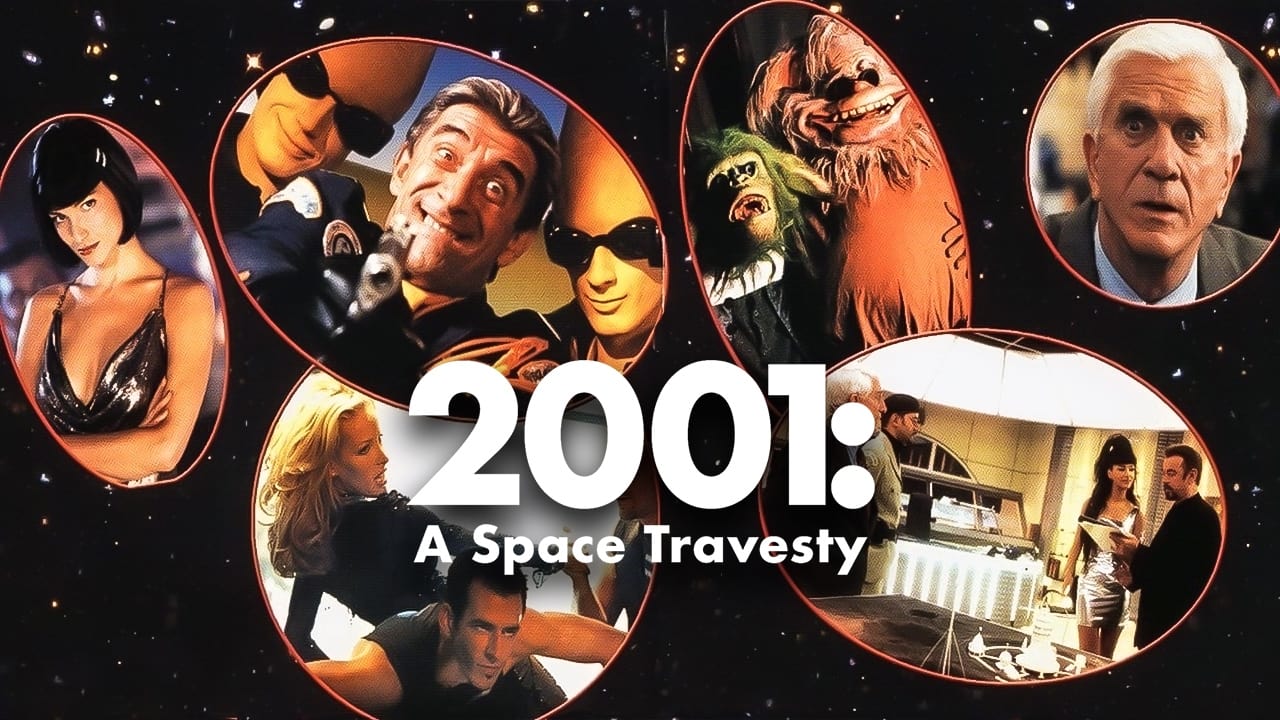
Alright, fellow tape travellers, let's rewind to the hazy days when the new millennium was dawning, video stores still had that distinct carpet-and-plastic smell, and the promise of a Leslie Nielsen spoof was usually enough to guarantee a night of goofy grins. But sometimes, digging through those slightly worn VHS boxes unearthed... well, let's just say not every tape was The Naked Gun. Case in point: 2001: A Space Travesty (2000), a film that landed with the comedic impact of a styrofoam asteroid. Seeing Nielsen’s face on the cover, you’d grab it, hoping for that old magic. Did we find it? Let's just say the journey was bumpier than expected.
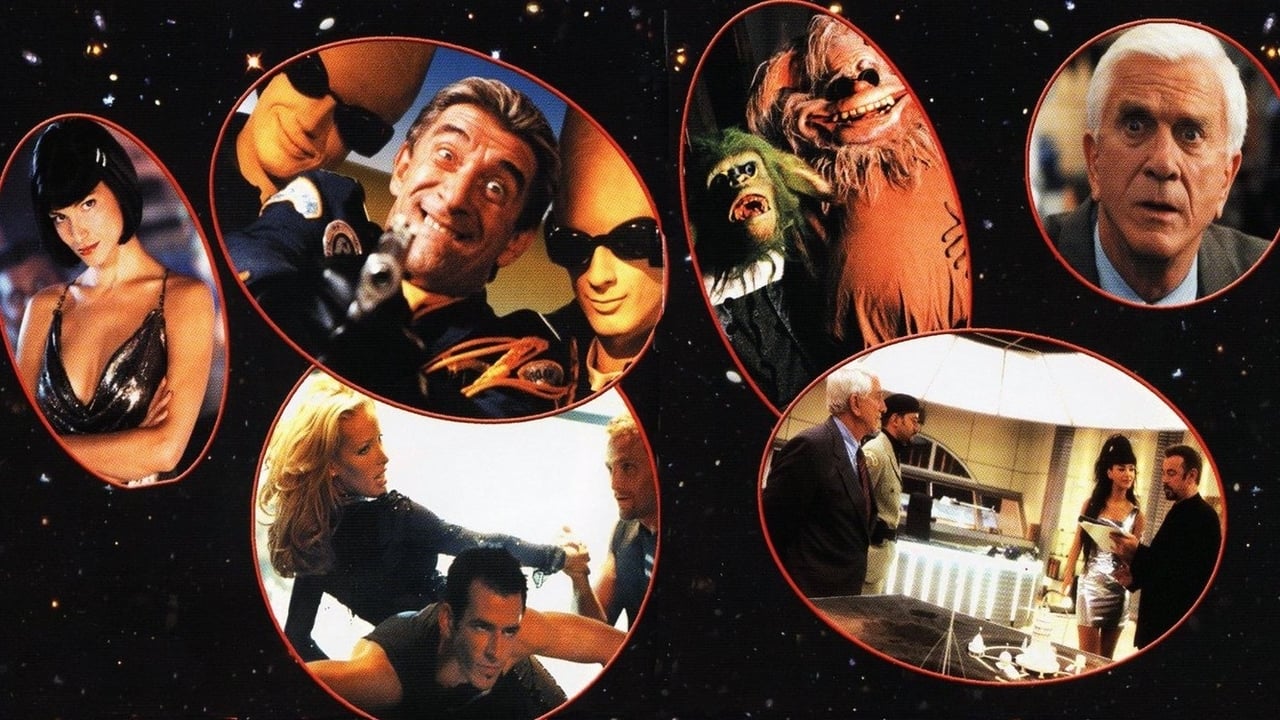
This wasn't quite the 80s or 90s peak, arriving just as the parody genre Nielsen perfected with Zucker, Abrahams, and Zucker was starting to feel a little stretched thin. The premise itself is pure Nielsen-esque absurdity: Marshal Richard "Dick" Dix (yes, really) is sent to the moon base Vegan (also, yes, really) to rescue the President of the United States, who's been kidnapped and replaced by an evil clone. It's a setup ripe for sci-fi parody, aiming squarely at Kubrick's masterpiece, Star Wars, and a smattering of other late-90s hits.
The Nielsen Factor: Still Deadpan, But Adrift
You can't talk about this film without focusing on the legendary Leslie Nielsen. He’s giving it his all, deploying that iconic deadpan delivery that could make the phonebook hilarious in the right context. The problem is, the context here feels… off. Nielsen actually has a writing credit ("Based on Characters created by...") which suggests he was invested, making the film's notorious failure feel even more poignant. It's like watching your favourite uncle tell the same jokes you loved years ago, but somehow the timing’s gone flat. He’s the anchor, but the ship around him, cobbled together by director Allan A. Goldstein (who previously helmed the somewhat grim Death Wish V: The Face of Death – quite a shift!), often feels lost in space.
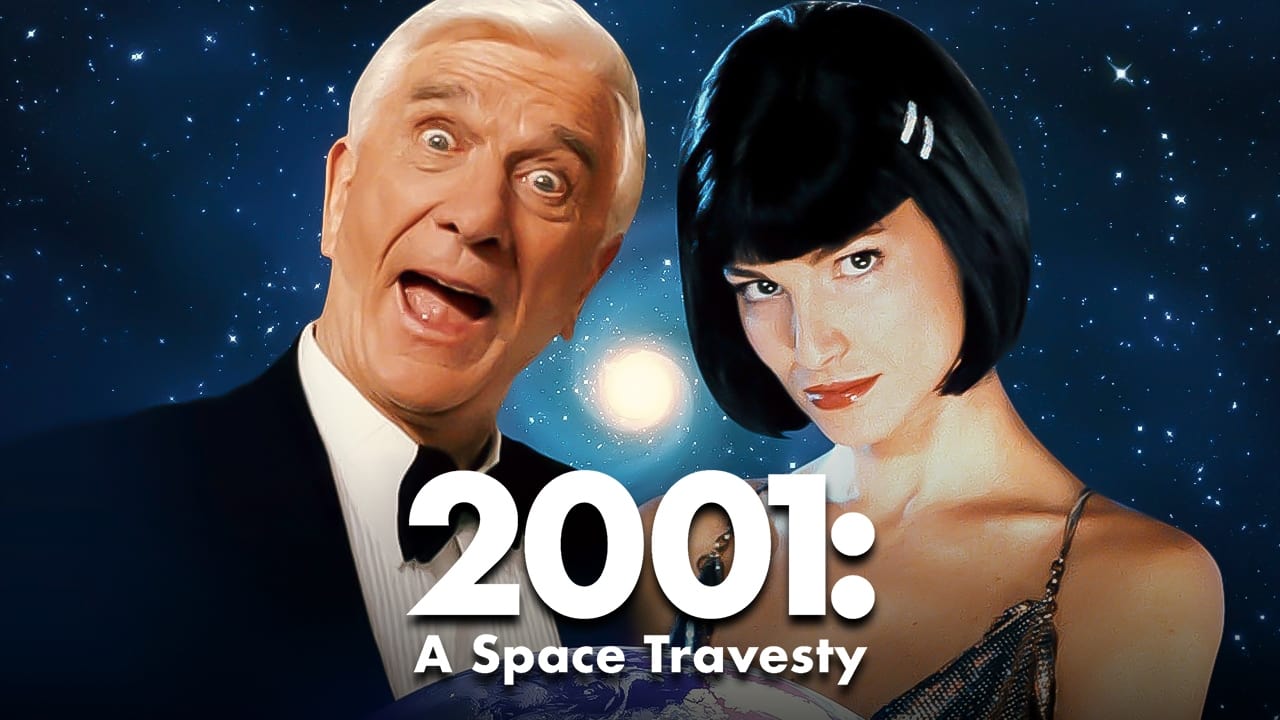
The gags come thick and fast, in that classic ZAZ style, but the hit rate is dramatically lower than Nielsen's prime collaborations. For every chuckle (a sight gag involving cloning, perhaps?), there are five or six jokes that just… float away. The script, penned by a team including Alan Shearman (who had experience writing for Police Academy: The Series), feels less like sharp satire and more like a random pop culture reference generator set to ‘stunned’. Remember the spoofs hitting everything from Titanic to The Sixth Sense? They felt less like clever commentary and more like desperate grabs for relevance.
Retro Fun Fact: The film reportedly cost around $26 million to make – not exactly pocket change for a goofy parody! However, it barely registered at the box office, pulling in less than half a million worldwide. That’s a financial black hole even HAL 9000 couldn’t calculate his way out of.
A Galaxy of Supporting Oddities
Nielsen isn't alone, though the supporting cast struggles to make much of an impression. French singer and actress Ophélie Winter plays Cassandra Menage (subtlety wasn't orbiting this production), the operative assisting Dix. She looks the part, certainly, but the chemistry with Nielsen feels forced. Italian comedian Ezio Greggio appears as Captain Valentino Di Pasquale, adding another layer of sometimes baffling international flavour to this Canadian/German co-production, much of which was filmed on soundstages in Germany. It feels less like a cohesive cast and more like performers beamed in from different comedic universes.
That Early 2000s Sheen
Visually, 2001: A Space Travesty sits awkwardly between the practical grit of the 80s/90s and the full-blown CGI era. There are miniatures and some physical sets that have a certain charm, reminiscent of the TV sci-fi shows many of us grew up watching late at night. But there’s also a heavy dose of early, often rubbery-looking computer graphics that haven't aged gracefully. It lacks the tactile feel of the practical effects wonders we often celebrate here at VHS Heaven, and it doesn’t have the polish (or budget) of later, slicker productions. It’s stuck in that uncanny valley of turn-of-the-millennium effects work.
The action, such as it is, relies on slapstick and spoof rather than genuine thrills. There are laser fights and chases, but they're played entirely for laughs, often undercutting any potential excitement with a pratfall or a pun. This isn't the raw, dangerous stunt work of a Lethal Weapon or Die Hard; it's aiming for chuckles, even if it often misses the target.
A Noble Failure or Just a Travesty?
So, popping this tape in the VCR (or, let's be honest, maybe finding it cheap on DVD later), what’s the verdict? It's undeniably a weak entry in Nielsen's filmography, a far cry from the genius of Frank Drebin or Dr. Rumack. The jokes are scattershot, the plot nonsensical even for a parody, and it just doesn't capture that lightning-in-a-bottle ZAZ energy.
And yet… for the hardcore Nielsen completist, or the truly dedicated student of the parody genre's decline, there's a strange fascination here. It’s a glimpse of a comedy legend trying to make the old formula work one more time, even as the comedic landscape was shifting beneath his feet. It stands as a peculiar artifact from the Y2K era, a testament to how difficult truly good parody is to pull off.
VHS Heaven Rating: 2/10
- Justification: While Nielsen’s presence prevents a total flatline, the overwhelmingly weak script, dated effects (even for 2000), lack of memorable supporting characters, and disastrously low gag hit-rate make this a chore rather than a pleasure. The low score reflects its failure both as a comedy and as a worthy successor to Nielsen's earlier, genuinely brilliant work. It’s a significant step down, earning its place near the bottom shelf.
Final Thought: Some tapes you rented every weekend; this is the one you might have accidentally picked up once, chuckled sadly a few times, and promptly returned, hoping the next rental held more genuine laughs than low-gravity groaners. A curious footnote, but definitely not required viewing in the Nielsen canon.