Okay, settle in. Forget the flickering gaslight; imagine instead the static hiss of a well-worn VHS tape sliding into the VCR, the room lit only by the glow of the CRT screen. Some films just feel like they belong to that late-night, slightly illicit viewing experience, and Ravenous (1999) is chief among them. It doesn’t creep up on you; it announces its strangeness with a sound that burrows under your skin – that bizarre, brilliant score mixing banjos, strings, and synthesizers in a way that’s both jaunty and deeply wrong.
### An Appetite for the Unsettling
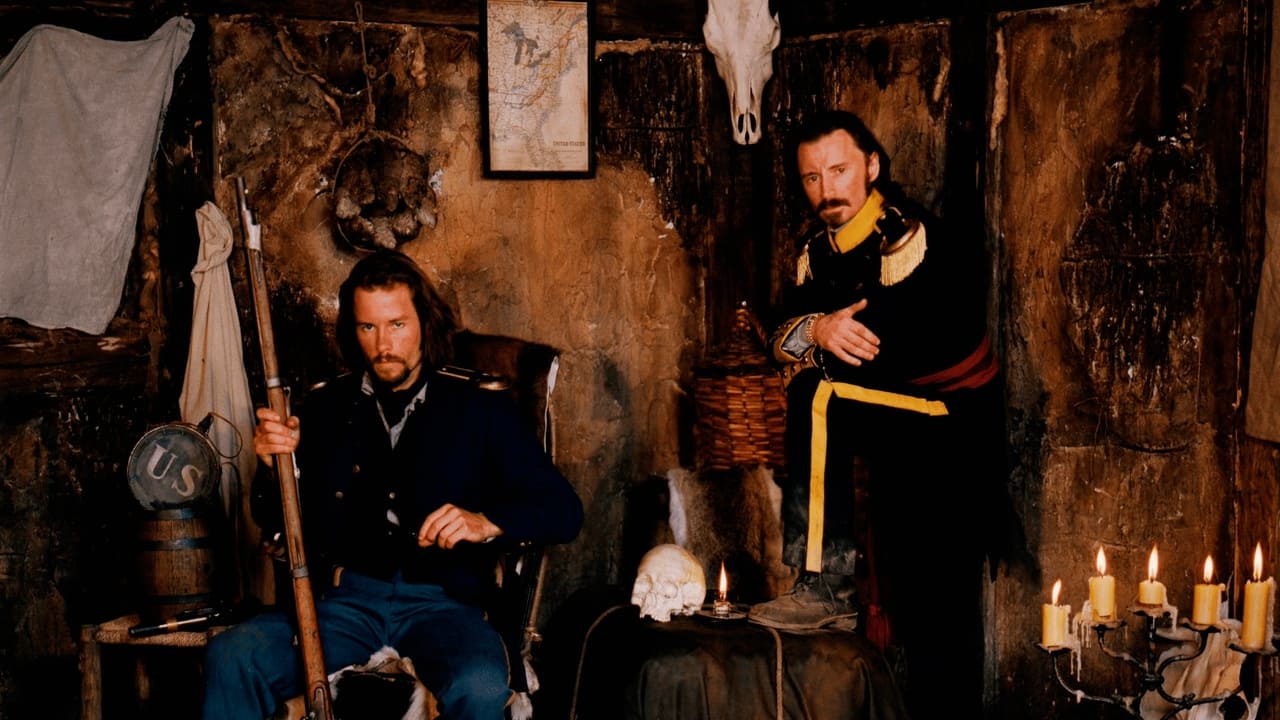
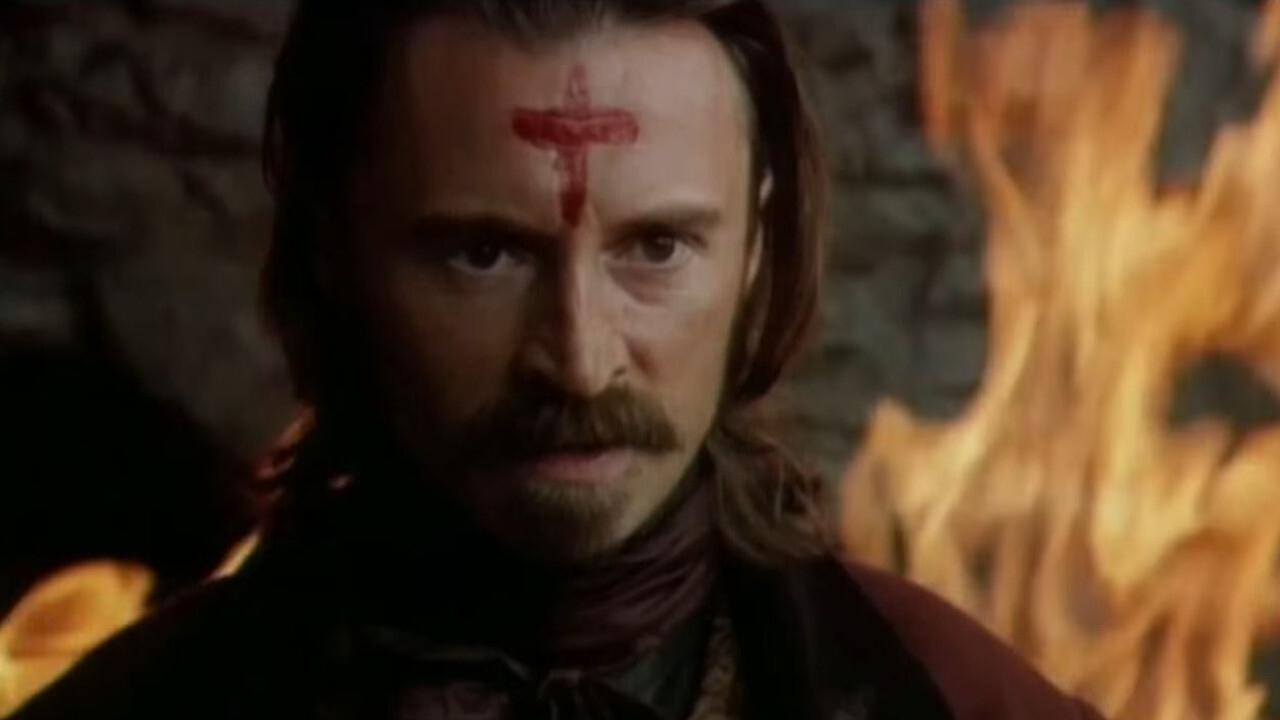
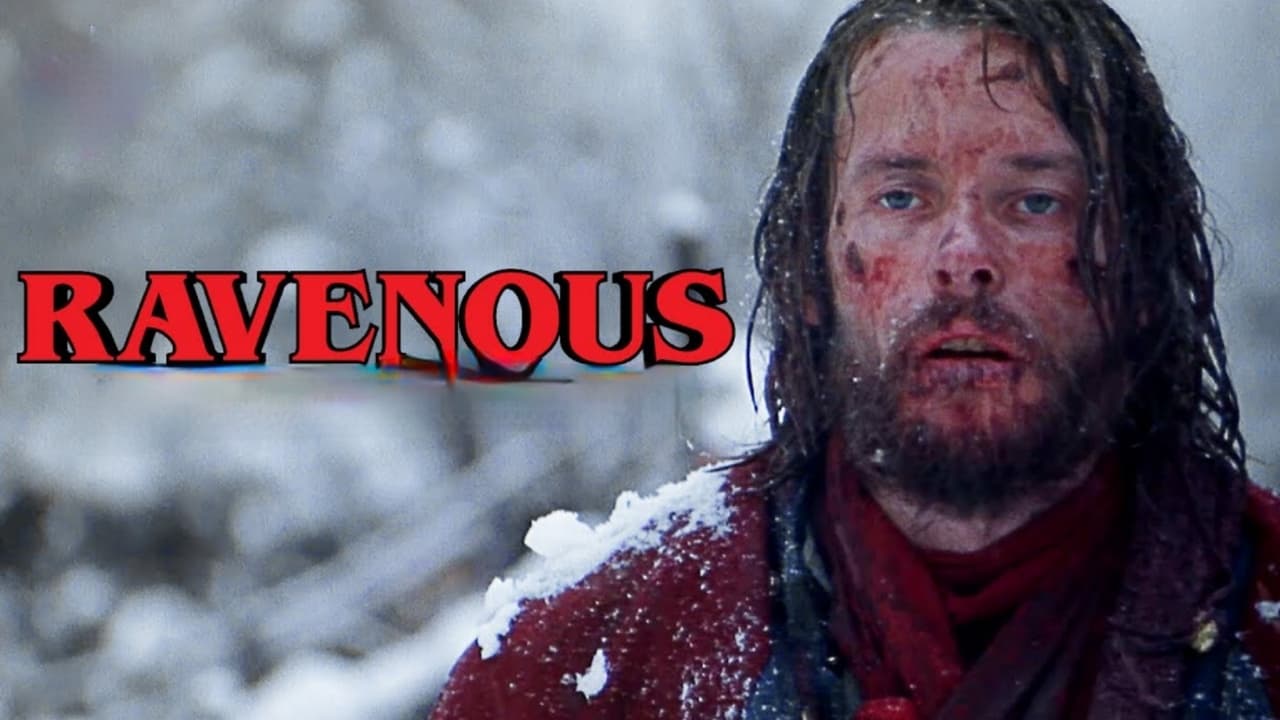
The premise itself is steeped in the kind of grim Americana that chills the bone: a remote army outpost in the Sierra Nevada mountains during the 1840s, populated by misfits and commanded by the weary, shell-shocked Captain John Boyd (Guy Pearce, fresh off his star-making turn in L.A. Confidential). Boyd is a hero by accident, rewarded for cowardice during the Mexican-American War with this dead-end assignment. Into this fragile ecosystem stumbles F.W. Colqhoun (Robert Carlyle, radiating the same unpredictable energy he brought to Trainspotting), a half-dead survivor spinning a terrifying tale of cannibalism and desperation in the wilderness. From there, things spiral into a uniquely gruesome blend of historical horror, survival thriller, and pitch-black comedy.
The film famously draws inspiration from the harrowing tales of the Donner Party and the legend of Alferd Packer, the Colorado Cannibal. But writer Ted Griffin (who would later pen Ocean's Eleven) twists these historical nightmares into something else entirely – a meditation on manifest destiny, cowardice, power, and the Wendigo myth, suggesting that consuming human flesh grants strength and vitality, but at the cost of insatiable hunger and perhaps the soul itself. It’s a concept handled with shocking directness and moments of gore that likely pushed the R-rating envelope back in '99. Do you remember watching those practical effects and thinking, "Okay, that's... a lot"? They still land with a visceral thud.
### A Troubled Birth, A Unique Vision
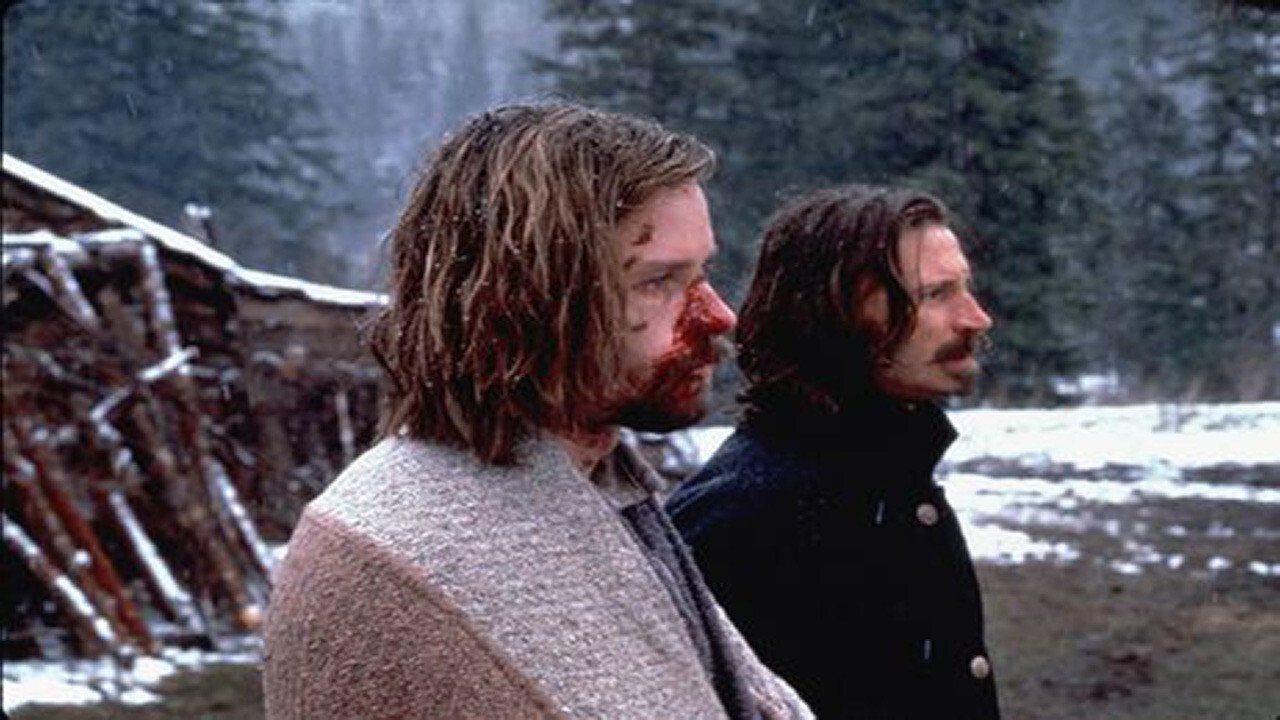
You can almost feel the troubled production history bleeding onto the screen. Original director Milcho Manchevski was fired early on, replaced by the late, great Antonia Bird (Priest), who reportedly stepped in at the behest of Robert Carlyle. Bird brings a stark, almost clinical eye to the escalating madness, contrasting the beautiful, imposing landscapes (shot mostly in the Tatra Mountains of Slovakia and Durango, Mexico) with the brutal ugliness of the events unfolding. The isolation feels palpable, the cold biting. This tension behind the scenes – the script reportedly underwent significant changes, and the studio (20th Century Fox) seemed unsure how to market this oddity – perhaps contributes to the film's singular, off-kilter energy. It cost around $12 million but famously bombed at the box office, pulling in just over $2 million domestically. A classic case of a film ahead of its time, or maybe just too weird for the mainstream multiplex crowd back then.
Guy Pearce is phenomenal as the haunted Boyd, a man wrestling with profound guilt and an unwanted, grotesque secret. His quiet intensity anchors the film. But it's Robert Carlyle who steals every scene he's in. His Colqhoun is a force of nature – charming, pathetic, terrifying, and darkly funny, sometimes all within the same breath. The supporting cast, including Jeffrey Jones as the increasingly unnerved Colonel Hart and David Arquette providing some nervous comic relief, perfectly complements the central struggle. Their ensemble work creates a believable pressure cooker environment before everything inevitably boils over.
### That Score, Though...
We have to talk about the score again. Composed primarily by Michael Nyman (The Piano) and Damon Albarn (of Blur and Gorillaz fame), it's one of the most distinctive and effective soundtracks of the era. It deliberately clashes with the period setting, employing folk instruments alongside jarring electronic elements and discordant themes. It’s unsettling, playful, menacing, and completely unforgettable. It tells you immediately that this isn't your standard historical drama or creature feature; it's something far stranger, operating on its own bizarre frequency. The choice feels less like an anachronism and more like a commentary, amplifying the film's inherent weirdness and black humour. It’s a sound that, once heard, is instantly recognizable.
### A Cult Feast Worth Savouring
Ravenous is a film that defies easy categorization. It's brutal, thoughtful, disgusting, and wickedly funny. The tonal shifts can be jarring on first viewing, lurching from existential dread to slapstick gore, but that's part of its strange genius. It wasn't appreciated upon release, but like many unique cinematic offerings from the late 90s, it found its audience on home video – those worn VHS tapes and later DVDs passed between friends with a knowing look: "You have to see this." It’s a film that provokes a strong reaction, love it or hate it, and one that lingers long after the credits roll, perhaps leaving you feeling… peckish?
Rating: 8.5/10
Justification: Ravenous earns this score for its sheer audacity, blending genres with unsettling confidence. The stellar performances from Pearce and especially Carlyle, Bird's taut direction under difficult circumstances, the unforgettable score, and its unflinching exploration of dark themes make it a standout. While its tonal shifts might alienate some and its initial box office failure speaks to its challenging nature, its enduring cult status proves its power. It's a visceral, intelligent, and deeply weird slice of late-90s cinema that feels both of its time and utterly unique.
Final Thought: It’s a film that reminds us that sometimes the most terrifying monsters aren't supernatural beasts, but the hunger that lies dormant within humanity itself, waiting for the right – or wrong – circumstances to awaken. A true gem for those with a strong stomach and an appetite for the unconventional.