Okay, settle back into that comfy armchair, maybe imagine the faint hum of a VCR powering up. Remember the late 90s? A time when two certain twin sisters seemed to rule the world, at least the world of slumber parties and after-school viewing. Their empire, built on approachable charm and a seemingly endless supply of matching outfits, took a significant turn towards globetrotting adventures, and 1999’s Passport to Paris felt like a major event, even if its premiere was on your trusty CRT TV screen via a freshly rented VHS tape.

This wasn't just another Olsen twin vehicle; it felt like a glossy postcard come to life, a direct injection of teenage fantasy beamed straight into living rooms across the country. Suddenly, Mel and Ally Porter (Mary-Kate Olsen and Ashley Olsen, naturally) weren't just solving mysteries around the corner; they were whisked away to the City of Lights itself. It tapped into that universal adolescent yearning for independence, adventure, and maybe, just maybe, meeting some cute boys with charming accents.
### Bonjour, Freedom!
The premise is delightfully simple, almost archetypal for the genre they were perfecting. Sent to Paris to broaden their horizons by visiting their estranged grandfather, Ambassador Edward (Peter White, bringing a touch of weary gravitas), the twins initially find themselves stifled by schedules and stuffy diplomatic functions. Their minder, Jeremy, is more focused on sightseeing checklists than teenage kicks. But this is an Olsen twin movie, folks! Rules are merely suggestions, and soon Mel and Ally are zipping around Paris on mopeds (helmets occasionally optional, ah, the 90s!), discovering fashion, friendship, and fledgling romance with two French lads, Jean and Michel.

Directed by Alan Metter, who knew a thing or two about youthful energy having directed films like Girls Just Want to Have Fun (1985) and the Rodney Dangerfield classic Back to School (1986), Passport to Paris doesn't aim for high art. Its goal is pure wish-fulfillment, and on that level, it absolutely succeeds. Writers Elizabeth Kruger and Craig Shapiro crafted a narrative that perfectly understood its audience: light on conflict, heavy on iconic scenery, shopping montages, and the thrill of sneaking out past curfew. It was aspirational, escapist entertainment tailor-made for the pre-teen and young teenage set of the late 90s.
### Parisian Postcard Perfection
Let's be honest, the real star here is Paris itself. The film serves as a wonderful, if slightly sanitized, travelogue. Seeing the Eiffel Tower, Notre Dame, the Louvre, and cruising down the Seine through the eyes of the Olsen twins felt incredibly glamorous back then. You could almost smell the croissants through the screen! It fueled countless daydreams of international escapades. I distinctly remember watching this and thinking a moped was the absolute peak of sophisticated transportation.
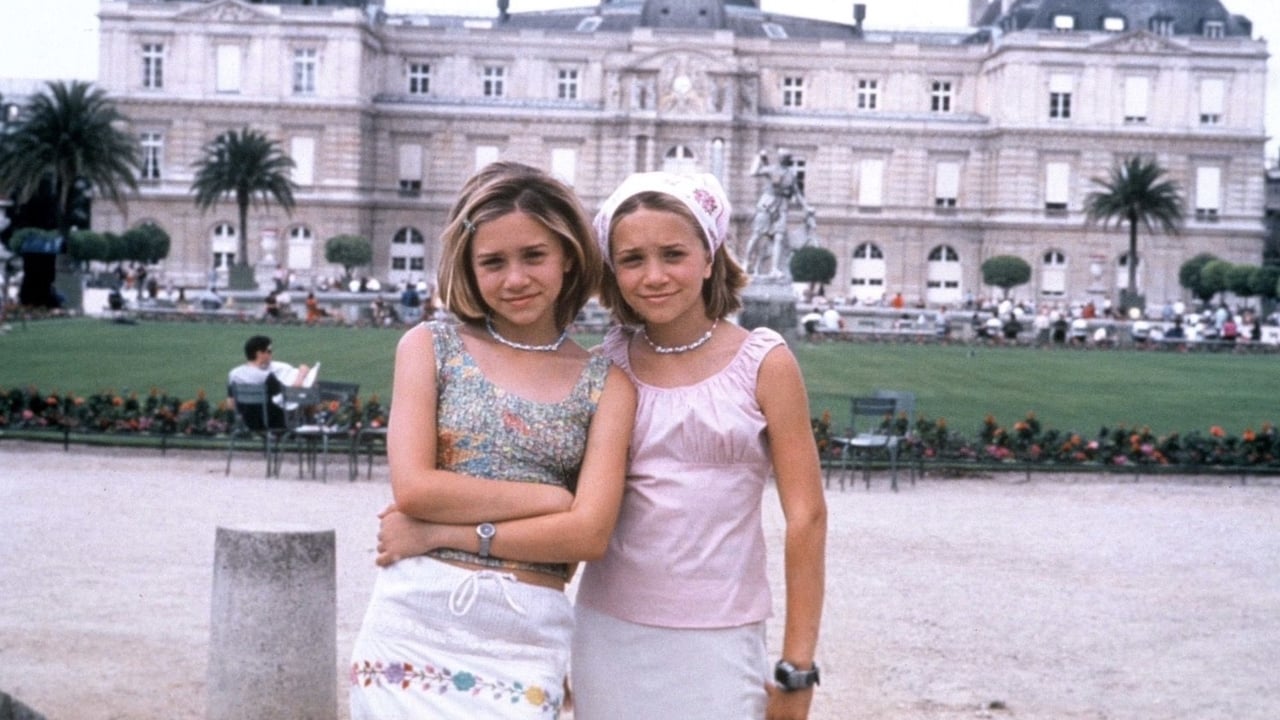

And the fashion! It’s a glorious time capsule of late 90s trends – the spaghetti straps, the tiny backpacks, the slightly questionable platform shoes. It all felt impossibly cool and cosmopolitan at the time, part of the fantasy package. The film was a key entry in the Dualstar Entertainment library, the company the twins founded (at an incredibly young age!), which shrewdly produced these direct-to-video hits that flew off rental shelves and sold millions of copies. Passport to Paris marked a shift towards slightly more "mature" themes (well, mature for them) like dating and independence, moving beyond their younger detective series.
While the plot points – navigating grumpy grandfathers, dodging handlers, first dates – are predictable, the twins themselves carry it with their practiced, easy chemistry. They had perfected their brand of relatable normalcy mixed with extraordinary circumstances. You believed they could charm a diplomat or navigate the Paris Metro with equal aplomb. Peter White adds a necessary touch of adult counterpoint, his eventual warming to the girls’ infectious energy providing the film’s gentle emotional arc.
### Retro Fun Facts Corner
Thinking back, these movies were quite the production feat. Filming on location in a major international city like Paris with two teenage stars managing schoolwork alongside shooting schedules was no small undertaking. The movie’s soundtrack was also a key component, usually featuring catchy pop tunes that perfectly complemented the light, breezy tone – another signature element of the Olsen brand. While specific budget numbers for these direct-to-video releases are often elusive, their profitability was undeniable, cementing the twins' status as media moguls before they could even legally vote. It’s also fun to note that this was one of the first major steps in their international adventure series, paving the way for Our Lips Are Sealed (2000) in Australia and Winning London (2001).
### Still Charming After All These Years?
Watching Passport to Paris today is like opening a time capsule filled with youthful optimism and late-90s ephemera. Sure, the plot is wafer-thin, the dialogue isn't exactly Sorkin-esque, and the depiction of Paris is pure fantasy. But does any of that really matter? For its intended audience, and for those of us looking back with fond nostalgia, it delivered exactly what it promised: a fun, charming escape. It’s a reminder of a time when teenage dreams felt achievable, fueled by matching outfits and the promise of adventure just a plane ride (or a VHS tape) away. It captured that specific feeling of being on the cusp of growing up, where everything feels possible and exciting.
VHS Heaven Rating: 6/10
Justification: While undeniably lightweight and aimed squarely at a young demographic, Passport to Paris succeeds beautifully as nostalgic wish-fulfillment. It perfectly utilized its stars' appeal, showcased Paris charmingly (if simplistically), and captured a specific late-90s teen dream aesthetic. It lacks depth or significant conflict, keeping it from higher scores, but its execution within its own modest goals is solid, and its nostalgic pull is strong for those who grew up with it.
Final Thought: Like a well-loved postcard from a youthful adventure, Passport to Paris might be a little faded, but it still brings a smile and a warm memory of dreaming big, Olsen-style.