Alright, rack 'em up, fellow tapeheads. Remember that glorious feeling? Scanning the racks at Blockbuster, maybe Rose Video if you were lucky, and spotting that cover. The one promising rock 'n' roll mayhem, teenage rebellion, and maybe just a little bit of glorious stupidity? Well, fire up the VCR in your mind, because tonight we’re cranking the volume knob way past eleven for 1999’s Detroit Rock City. Forget high art; this is pure, unadulterated, speaker-blowing fun filtered through a late-90s lens looking back fondly, and maybe a little crudely, at 1978.
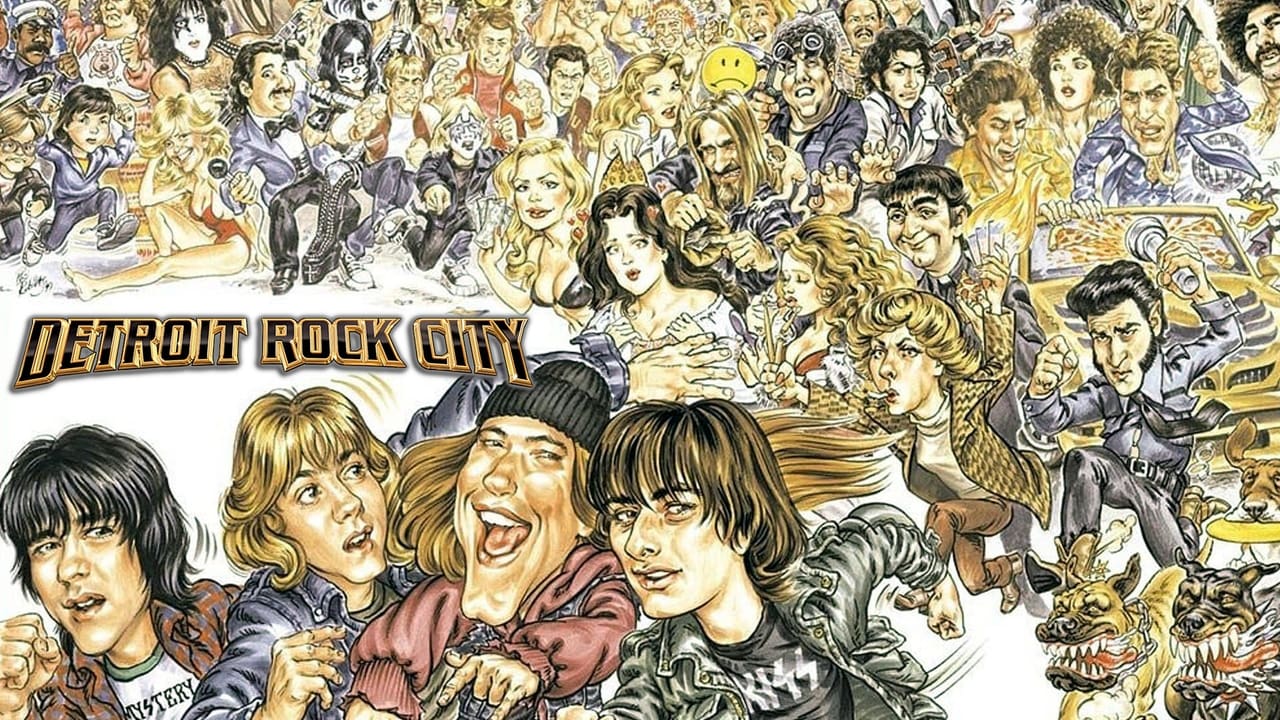
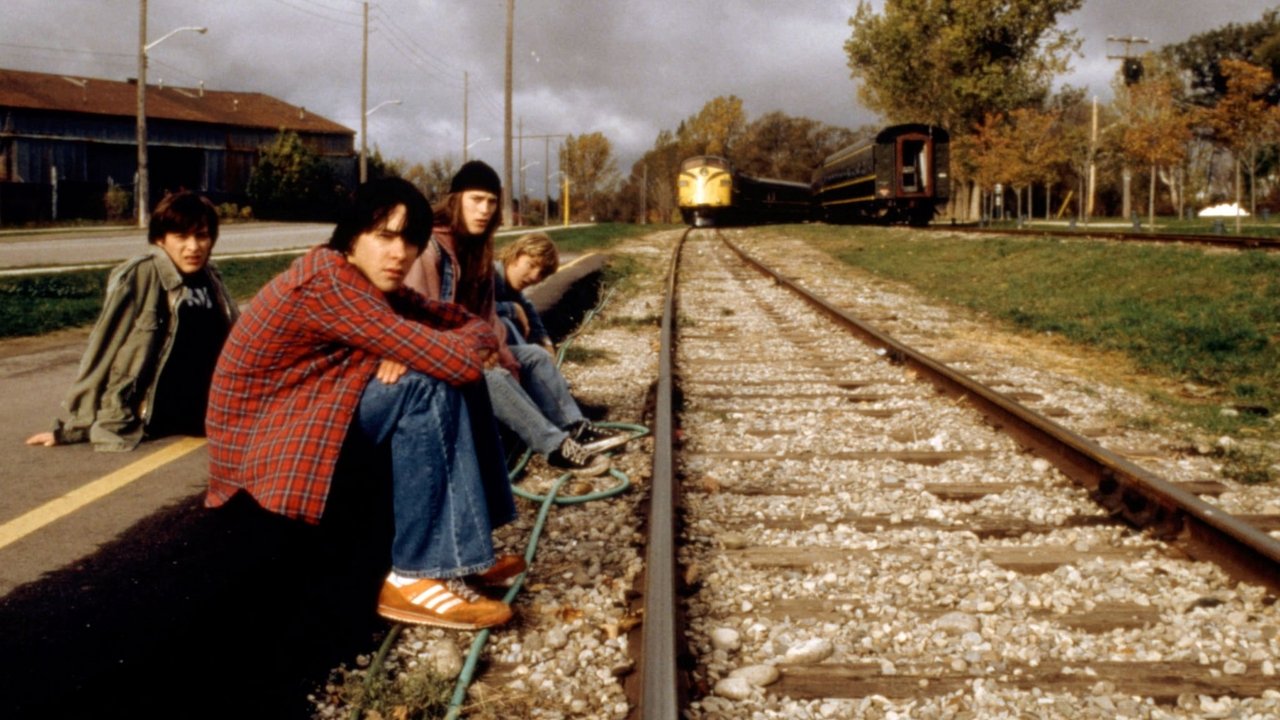
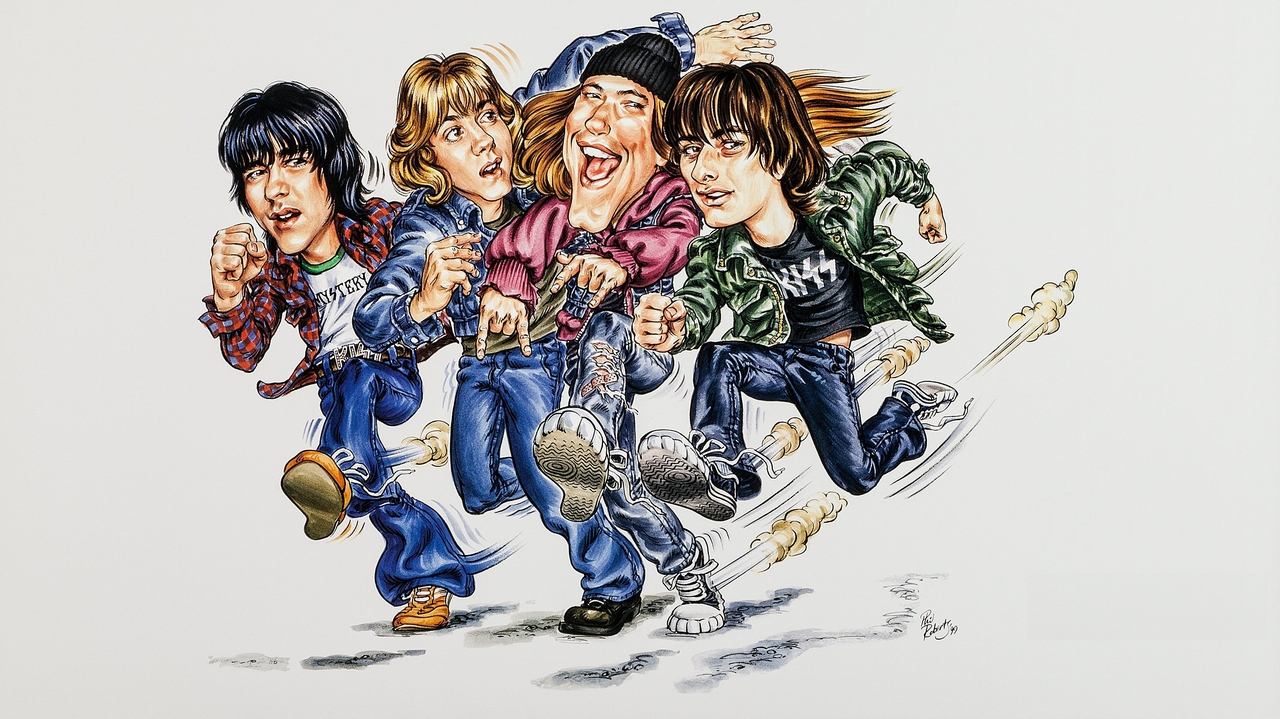
This flick doesn't waste time. We're immediately thrown into the smoke-filled basement dreams of four Cleveland high schoolers – Hawk (Edward Furlong, still riding that Terminator 2 wave), Lex (Giuseppe Andrews, perfectly channeling twitchy energy), Trip (James DeBello, the resident stoner philosopher), and Jam (Sam Huntington, the surprisingly earnest heart). Their mission, divinely ordained by the gods of rock themselves, is simple: score tickets and road trip to see their idols, KISS, live in Detroit. Standing between them and Gene Simmons' demonic bass licks? A town full of disco-loving bullies, confused priests, stolen station wagons, and Jam's ferociously anti-rock mother, played with terrifyingly hilarious conviction by the legendary Lin Shaye. Seriously, her performance alone is worth the rental fee.
### The Highway to Hell (via Cleveland)
What follows isn't so much a plot as a series of increasingly disastrous, often vulgar, but undeniably energetic vignettes. Directed by Adam Rifkin, who always had a knack for the quirky and cultish (think The Dark Backward or his writing on Small Soldiers), Detroit Rock City embraces the chaos. It's a road trip comedy that feels genuinely desperate, capturing that teenage feeling where seeing your favorite band isn't just a concert, it's everything. The script, penned by Carl V. Dupré, was apparently a long-gestating passion project, and you can feel that earnest love for the era and the music bleeding through the screen, even amidst the projectile vomiting and convenience store robberies.
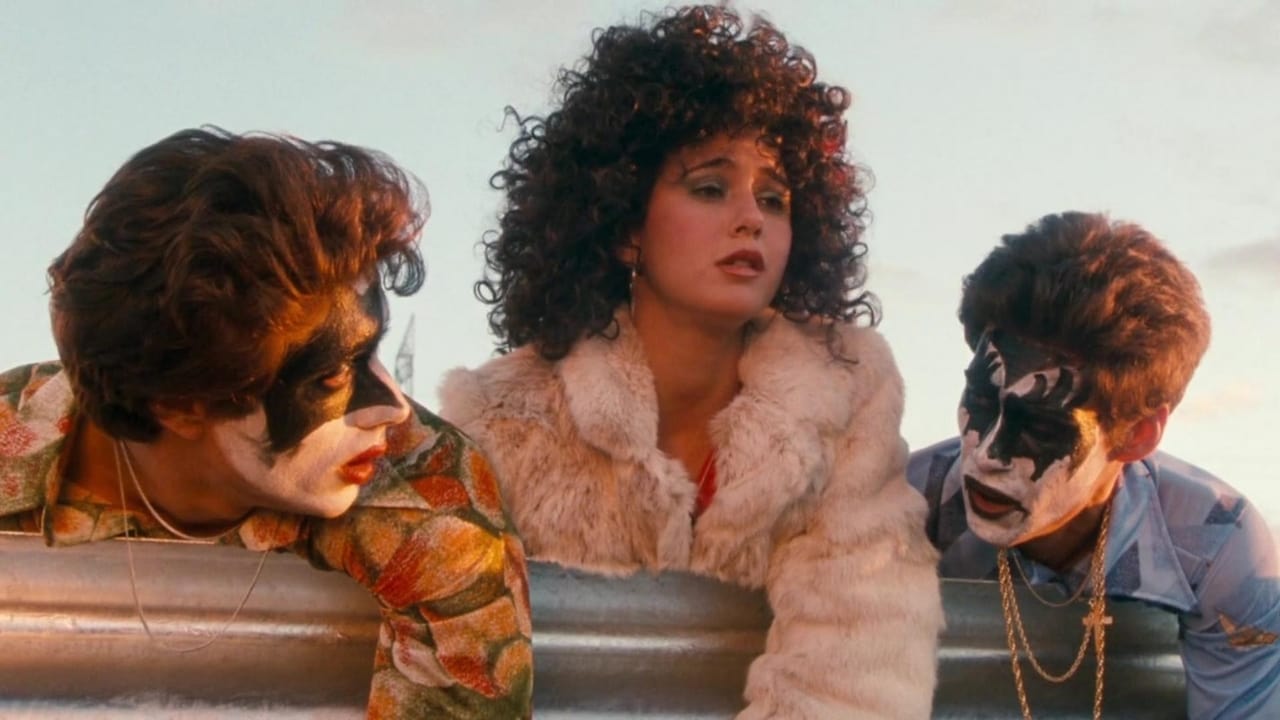
The humor is definitely of its time – leaning heavily into the late-90s R-rated teen comedy playbook established by films like American Pie (which, incidentally, came out the same year). Some jokes land harder than others watching it now, but the sheer go-for-broke energy often carries it. Remember that insane scene where Lex tries to win tickets at the disco? It's gloriously awkward and perfectly captures the clash of cultures – rock versus disco – that felt so vital back then.
### Fueled by KISS and Raw Nostalgia
Let's talk about the greasepaint giants themselves. KISS isn't just the MacGuffin here; they're the film's patron saints. Their music blasts constantly, their iconography is everywhere, and the movie absolutely nails the feeling of obsessive teenage fandom. Gene Simmons himself served as a producer, ensuring the band's presence felt authentic. I heard whispers back in the day that getting the rights and the band's involvement was key to the film even getting made. It wasn’t just a movie about KISS fans; it felt like a movie for them, warts and all. This dedication permeates the film, elevating it beyond a simple teen romp. It’s a love letter, albeit one scribbled on a bathroom stall.
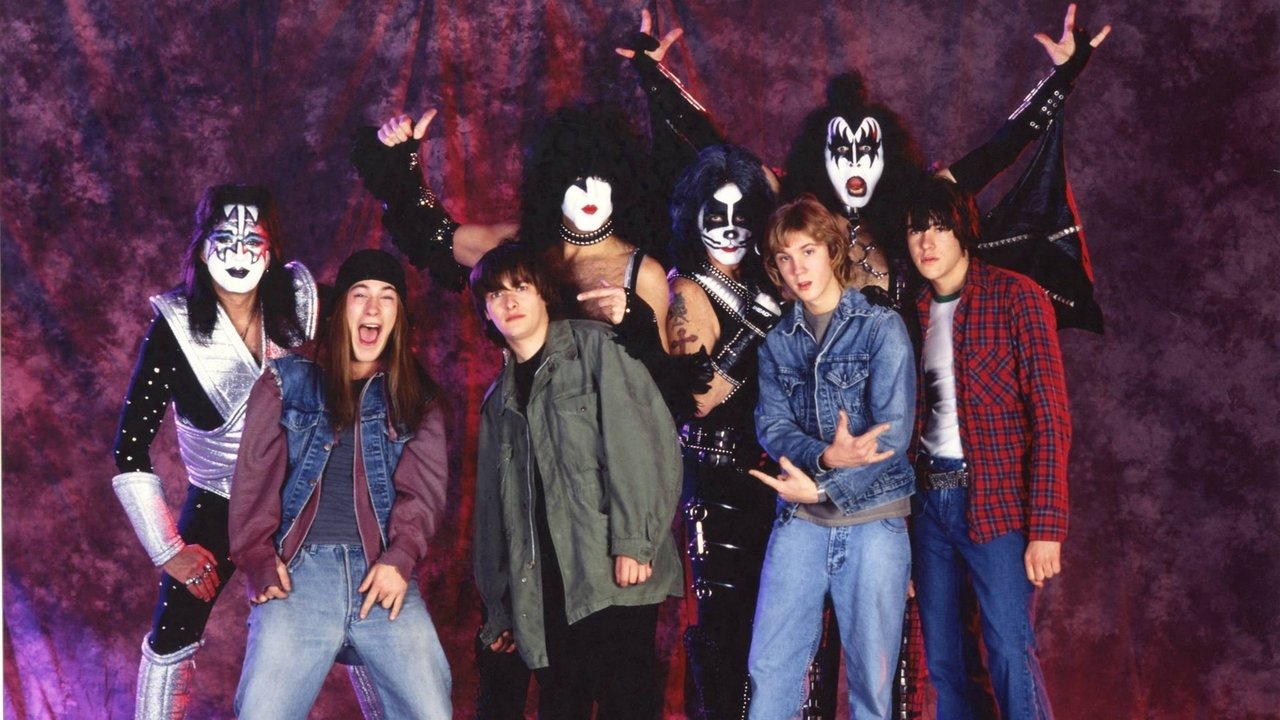
And the soundtrack! Oh man, the soundtrack. Deep Purple, Thin Lizzy, Van Halen, Black Sabbath, UFO, Cheap Trick... it’s a murderer's row of 70s hard rock royalty. Popping this tape in felt like discovering a killer mixtape compiled by your cool older cousin. Even if the movie itself didn’t fully click for someone, the music alone often justified the rental.
### Finding Its Tribe on Tape
Detroit Rock City wasn't exactly a box office titan back in '99. Critics were mixed, and audiences didn't flock to it initially – it reportedly made back just over its modest $4.2 million budget worldwide. But this is VHS Heaven, right? We know the story. This film found its true audience huddled around CRT TVs, passed between friends, discovered on those glorious video store shelves. It became a cult classic precisely because it felt like a hidden gem, a raucous party you stumbled into late one Friday night. Watching it now, there’s a double layer of nostalgia – for the 70s depicted, and for the late 90s vibe in which it was made. Even the slightly grainy transfer you probably remember adds to the raw, rock 'n' roll feel. It wasn't slick, and that was part of its charm.
The young cast throws themselves into their roles with gusto. Furlong anchors it with a certain weary coolness, while Andrews, DeBello, and Huntington each get moments to shine (or spectacularly fail). Keep an eye out too for Natasha Lyonne as a savvy disco queen who proves more complex than she first appears. The production, mostly shot around Toronto doubling for Ohio and Michigan, effectively captures that slightly grungy, pre-digital late-70s feel.
### Final Verdict
Detroit Rock City is loud, obnoxious, frequently juvenile, and wears its heart proudly on its denim-jacket sleeve. It’s a shot of pure rock 'n' roll energy, a time capsule of late 90s teen comedy sensibilities celebrating late 70s rebellion. It captures the desperation and devotion of fandom in a way few films do, wrapped in a package of crude jokes and killer riffs.
Rating: 7.5 / 10
Justification: The energy is infectious, the soundtrack absolutely rips, and the core sentiment about music saving your soul resonates. It earns points for its earnestness, Lin Shaye's iconic performance, and its undeniable cult status born from the video era. It loses a few points for humor that occasionally feels dated or misfires, and a plot that’s more episodic than cohesive.
Final Thought: Like finding a worn-out concert tee buried in your closet, Detroit Rock City might look a little rough around the edges, but slip it on (or pop it in the VCR), and damn, it still feels pretty rock 'n' roll.