There's a certain quiet grandeur to the opening vistas of The Horse Whisperer, a sense of space and stillness that feels almost like a balm even before the story truly begins. Watching it again now, years after its 1998 release, that feeling remains potent. It’s a film that asks for patience, not just from its characters grappling with trauma, but from its audience too, settling us into the vast, restorative landscapes of Montana where healing, however slow, might just be possible.
A Journey into Silence and Space
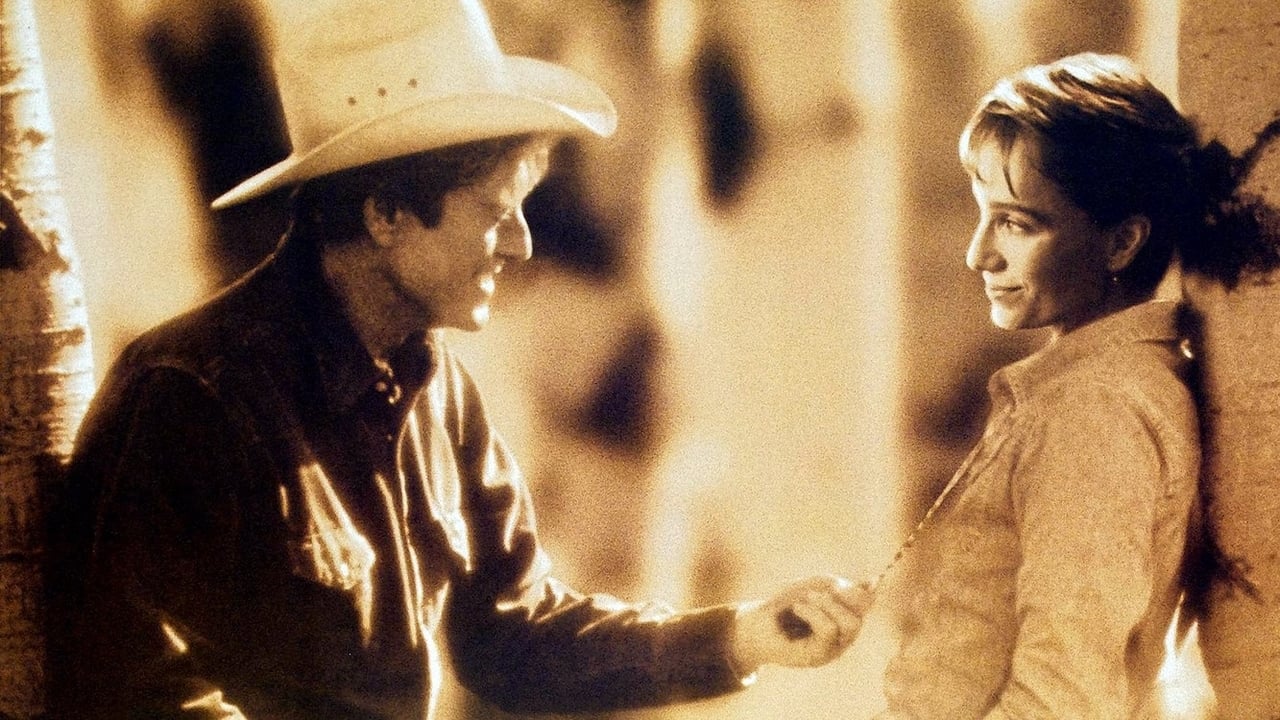
The inciting incident is brutal and unforgettable: a horrific riding accident leaves young Grace MacLean (a remarkably affecting early performance by Scarlett Johansson) physically and emotionally scarred, her beloved horse, Pilgrim, similarly traumatized and dangerously unpredictable. Faced with the grim suggestion of putting Pilgrim down, Grace's determined mother, Annie (Kristin Scott Thomas), a high-powered New York magazine editor accustomed to controlling every variable, refuses to give up. Hearing tales of a "horse whisperer" in Montana, she packs up her damaged daughter and equally damaged horse, embarking on a cross-country journey that’s as much about fleeing her tightly wound city life as it is about seeking a cure.
This premise sets the stage for a clash of worlds and wills. Annie’s urban anxieties and fierce maternal protection run headlong into the quiet, almost mystical patience of Tom Booker (Robert Redford), the man rumored to possess a unique connection with troubled horses. The vast Montana ranch becomes a crucible, forcing introspection and confrontation with deep-seated fears and unspoken sorrows.

Redford Behind and Before the Lens
Robert Redford, pulling double duty as director and star, is clearly in his element here. His affinity for the American West, seen in earlier works like Jeremiah Johnson or his direction of A River Runs Through It, permeates every frame. The cinematography by Robert Richardson captures the majestic landscapes not just as picturesque backdrops, but as active participants in the healing process. Redford the director employs a deliberate, unhurried pace, allowing moments of silence and observation to carry significant weight. He understands that the mending of fractured spirits – both human and equine – cannot be rushed.
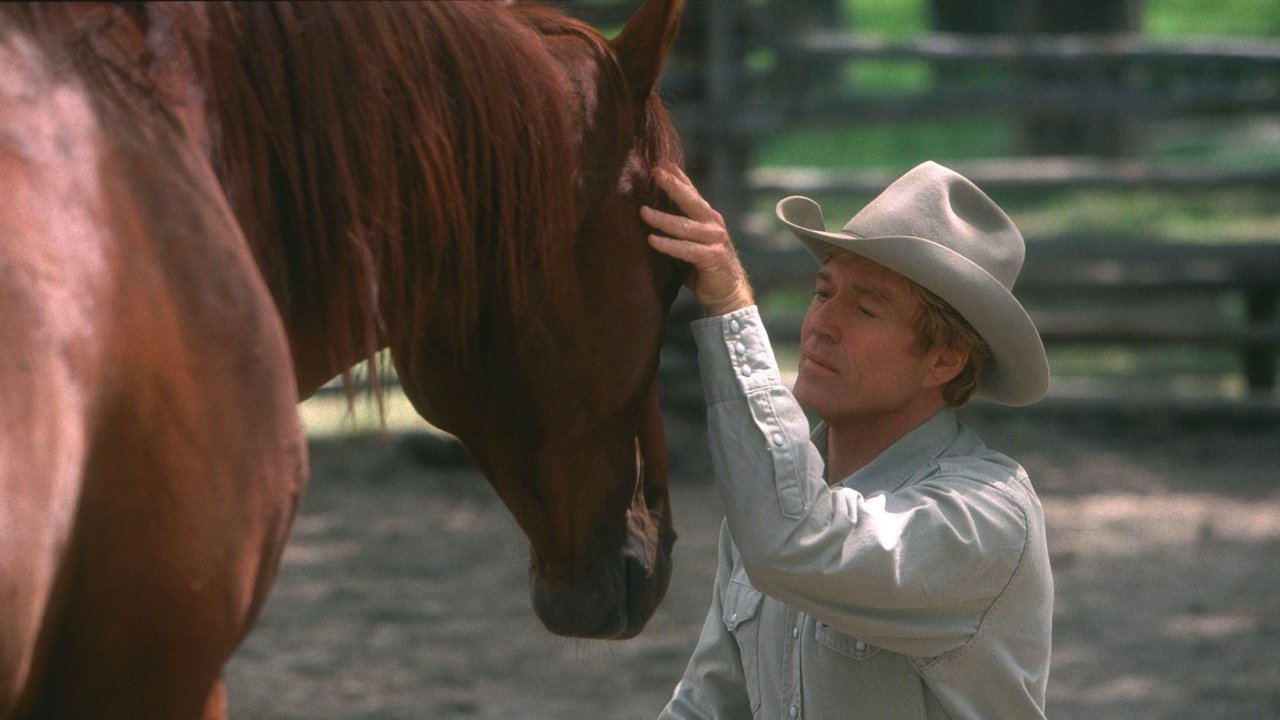
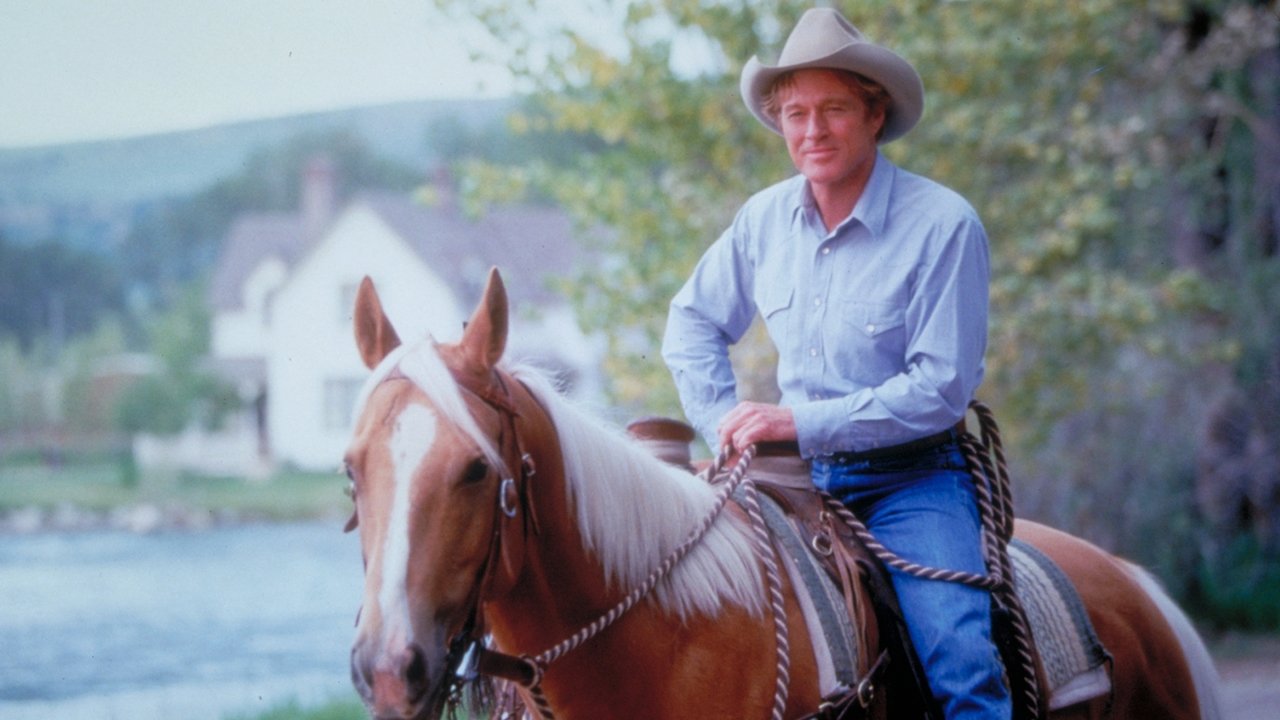
As Tom Booker, Redford embodies a certain kind of archetype: the stoic, intuitive cowboy who seems perfectly attuned to the rhythms of nature. It’s a performance built on stillness and quiet authority. Some might find it borders on the mythic, perhaps even a touch idealized, but Redford makes it feel grounded, his connection with the horses utterly convincing. Much of this authenticity stems from the film's consultant, Buck Brannaman, a real-life horse expert whose methods heavily inspired the character and the techniques depicted. Brannaman’s involvement lends a crucial layer of realism to the scenes between Booker and Pilgrim; knowing that much of what we see is genuine training, not cinematic trickery, deepens the impact. It wasn't just consulting; Brannaman actually appears briefly in the film and his life story later became the subject of the acclaimed documentary Buck (2011).
Worlds in Collision, Souls in Repair
Kristin Scott Thomas, fresh off her iconic role in The English Patient, is exceptional as Annie. She masterfully portrays the tightly coiled energy of a woman whose entire identity is built on competence and control, now utterly adrift in a situation demanding surrender and vulnerability. The slow thawing of her defenses, her grappling with her marriage to the distant but decent Robert (Sam Neill, perhaps best known then for Jurassic Park), and her undeniable connection with Tom form the film's emotional core. It's a complex, adult relationship explored with sensitivity.
And then there's Scarlett Johansson. Already displaying a maturity beyond her years, she captures the sullen anger, fear, and eventual flicker of hope in Grace with heart-wrenching honesty. It’s a performance that announced a major talent was emerging. Remember, Natalie Portman reportedly passed on this role, a decision that undoubtedly paved the way for Johansson's powerful turn.
The Weight of Expectation and Adaptation
This film arrived with considerable fanfare. Based on the phenomenally successful debut novel by Nicholas Evans, which sparked a fierce bidding war for the rights (ultimately won by Redford's production company for a reported $3 million), expectations were sky-high. Clocking in at nearly three hours, The Horse Whisperer demanded commitment, a stark contrast to the often faster-paced fare of the late 90s. It felt like an event, the kind of sweeping, earnest drama that studios seemed more willing to invest in back then, reflected in its substantial $60 million budget which yielded a healthy $186 million worldwide gross. I still remember the satisfying heft of the double-VHS cassette required to house its runtime – a physical reminder of the film's deliberate scope.
One of the most discussed aspects, particularly for fans of the book, was Redford's decision to alter the novel’s significantly more tragic ending. This choice undoubtedly makes the film gentler, perhaps more palatable for a mainstream audience, focusing squarely on themes of healing and connection rather than devastating loss. Whether this strengthens or weakens the narrative remains a point of debate among viewers familiar with both versions.
Final Thoughts on a Quiet Epic
The Horse Whisperer isn't a film of sudden revelations or explosive confrontations. Its power lies in its quiet observation, its stunning visuals, and the deeply felt performances. It explores the slow, painstaking process of mending – broken bones, broken trust, broken spirits – with a respect for the time and patience required. Does its length sometimes test patience? Perhaps. Does it occasionally veer towards sentimentality? Arguably. But its sincerity is undeniable.
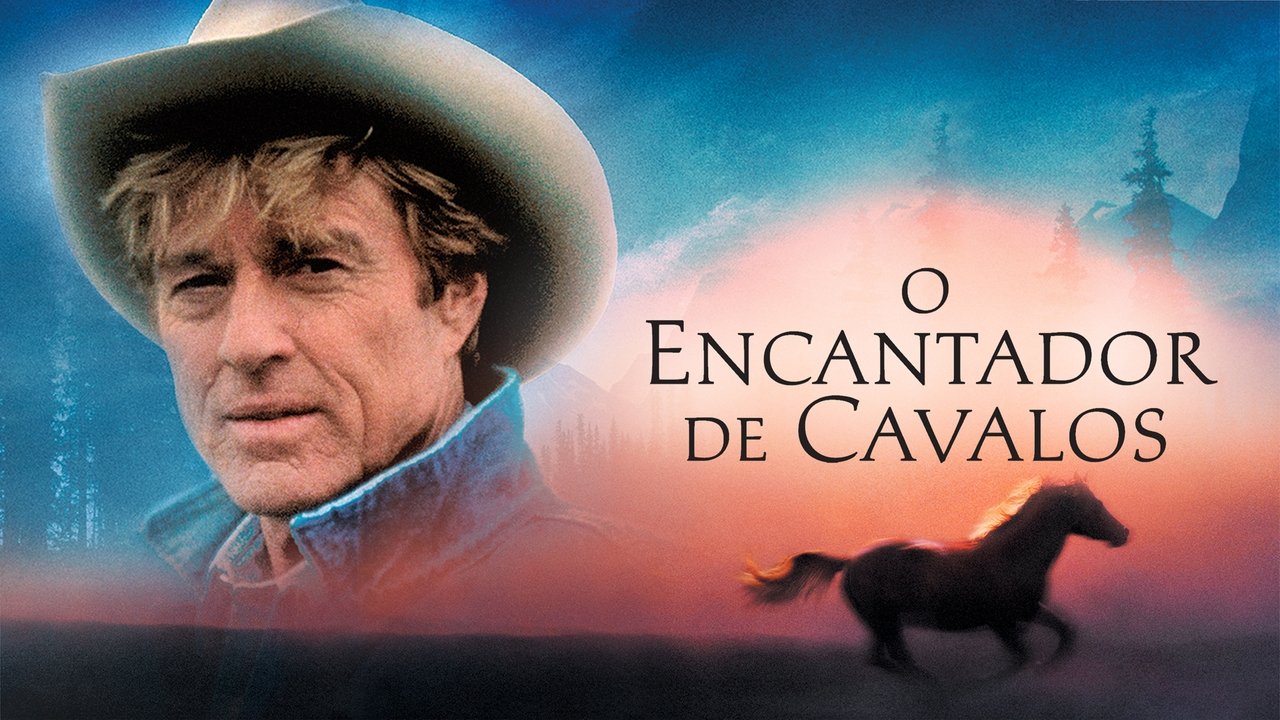
What lingers most after the credits roll? Perhaps it's the image of the vast Montana sky, the quiet understanding between man and horse, or the fragile hope of reconciliation. It asks us to consider the ways we communicate, not just with words, but through presence, patience, and empathy. Isn't that a message that still resonates deeply today?
Rating: 8/10
The score reflects the film's masterful direction, breathtaking cinematography, and powerful, nuanced performances, particularly from Scott Thomas and Johansson. While its considerable length and deliberate pacing might not suit all viewers, and the altered ending may disappoint book purists, its emotional depth and thematic resonance are undeniable. It stands as a testament to Redford's directorial skill and a beautifully crafted piece of late-90s dramatic filmmaking. A quiet giant from the VHS era, best appreciated with time and an open heart.