Alright, pop that tape in the VCR, maybe give the tracking a little nudge, because tonight on VHS Heaven, we're diving into a film that hit like a perfectly aimed cream puff to the face of 90s cinema: 1996's sparkling revenge comedy, The First Wives Club. This wasn't some gritty action flick or sci-fi epic; this was something arguably more potent – three Hollywood legends joining forces to tap into a zeitgeist of female frustration and turn it into pure, unadulterated entertainment. Forget explosions; the fireworks here were strictly verbal, and man, did they fly.
### Three's Company, Ex-Husbands Beware
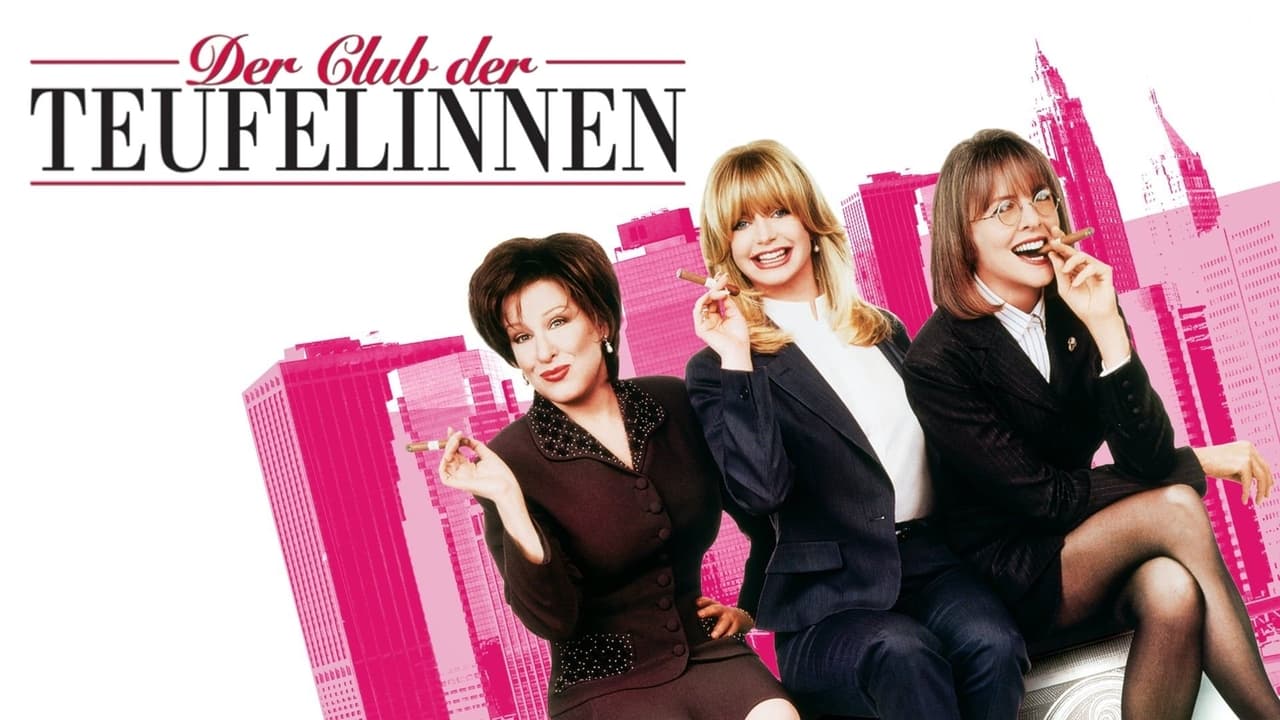
Based on the bestselling novel by Olivia Goldsmith, the premise is simple but oh-so-satisfying. Three college friends – the fiery Brenda (Bette Midler), the fragile Annie (Diane Keaton), and the glamorous Elise (Goldie Hawn) – are reunited by the tragic suicide of a fourth friend, Cynthia (Stockard Channing, in a brief but pivotal role), driven to despair after her husband leaves her for a younger model. Discovering they're all being traded in for "newer versions" by their wealthy, entitled husbands (played with suitable slime by Stephen Collins, Victor Garber, and Dan Hedaya), the trio decides they're not getting mad, they're getting everything.
What follows is less a subtle character study and more a glorious romp through Manhattan high society, fuelled by righteous anger, witty banter, and increasingly elaborate schemes. Directed by Hugh Wilson, best known for the knockabout laughs of Police Academy (1984), the film manages a tricky balancing act. It's broad, it's occasionally cartoonish, but beneath the surface, there's a genuine thrum of relatable pain and the powerful theme of women rediscovering their worth and their bond with each other.
### The Powerhouse Trio
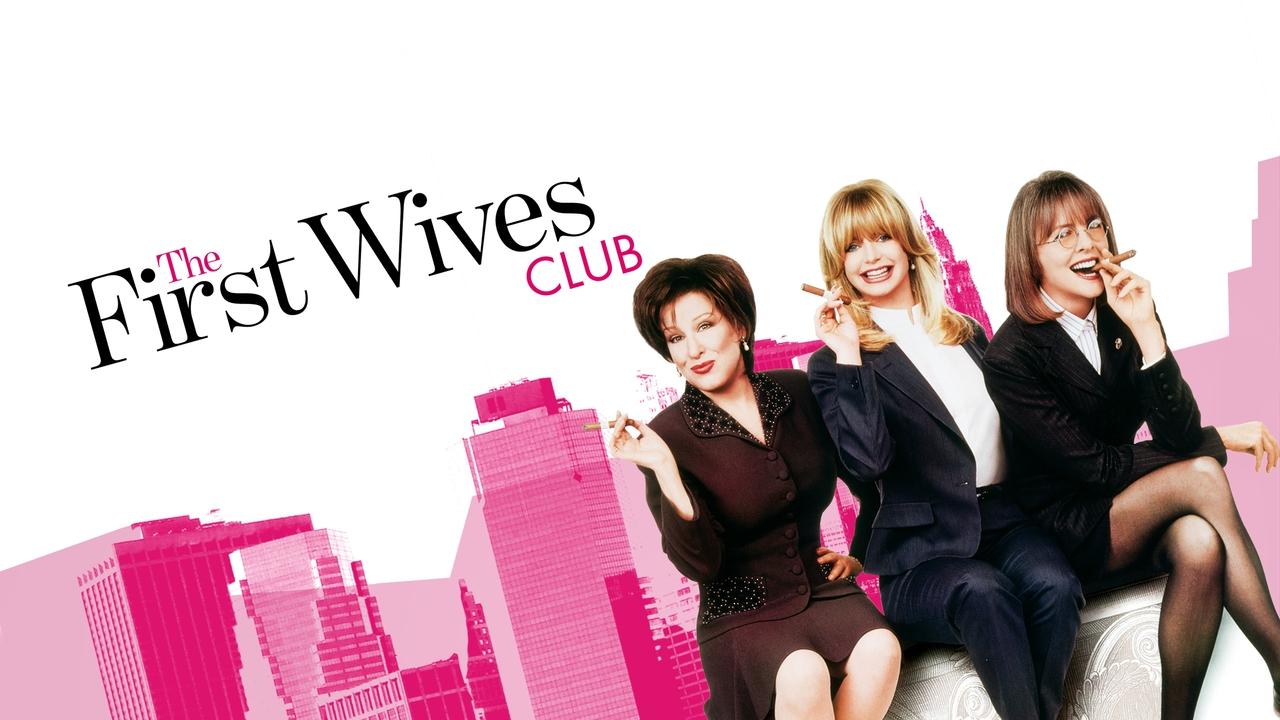
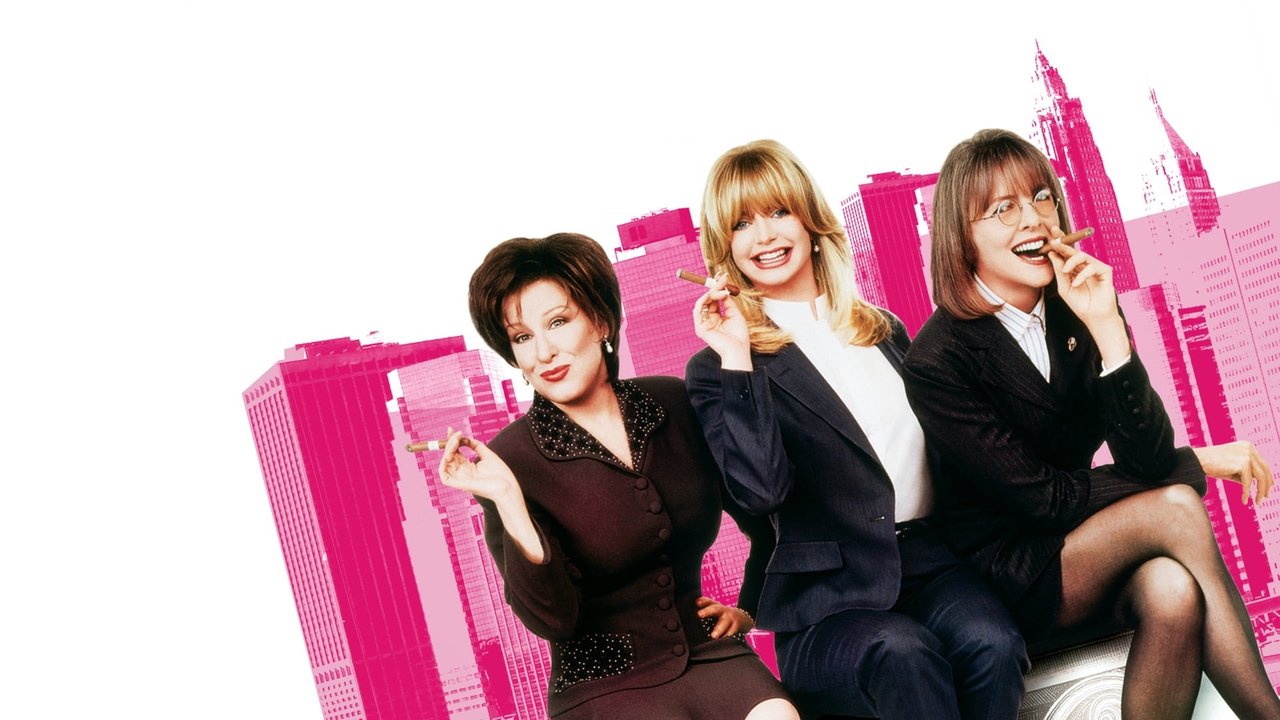
Let's be honest, the main draw here is the casting coup of Midler, Hawn, and Keaton. Each leans into their established screen personas, but cranked up to eleven and bouncing off each other with infectious energy. Midler's Brenda is all brassy indignation and vulnerability, delivering killer one-liners that likely had audiences cheering in the aisles (or on their couches). Remember her confronting her husband's skinny young girlfriend, played perfectly by a pre-Sex and the City Sarah Jessica Parker? Pure gold.
Keaton's Annie, the most hesitant and neurotic of the group, provides the fluttering heart, her journey towards assertiveness perhaps the most subtly drawn. And Hawn? As the aging actress Elise, terrified of losing her looks and career along with her husband, she nails both the physical comedy and the moments of poignant insecurity. Fun fact: there were persistent whispers during production about diva behaviour, but whatever happened off-screen, the chemistry on-screen is undeniable. These feel like women who could genuinely tear strips off each other one minute and fiercely defend each other the next.
### Laughs, Looks, and Loads of Cash
The film doesn't shy away from the absurdity of its premise. The revenge plots escalate with gleeful abandon, involving corporate espionage, social sabotage, and a healthy dose of public humiliation. Yet, screenwriter Robert Harling, who penned the equally female-centric tearjerker Steel Magnolias (1989), ensures there are moments of real connection. The scene where they drunkenly rediscover their friendship after a disastrous auction is both hilarious and touching. And who could forget the scene-stealing Maggie Smith as the formidable socialite Gunilla Garson Goldberg, dripping disdain and delivering lines with surgical precision?
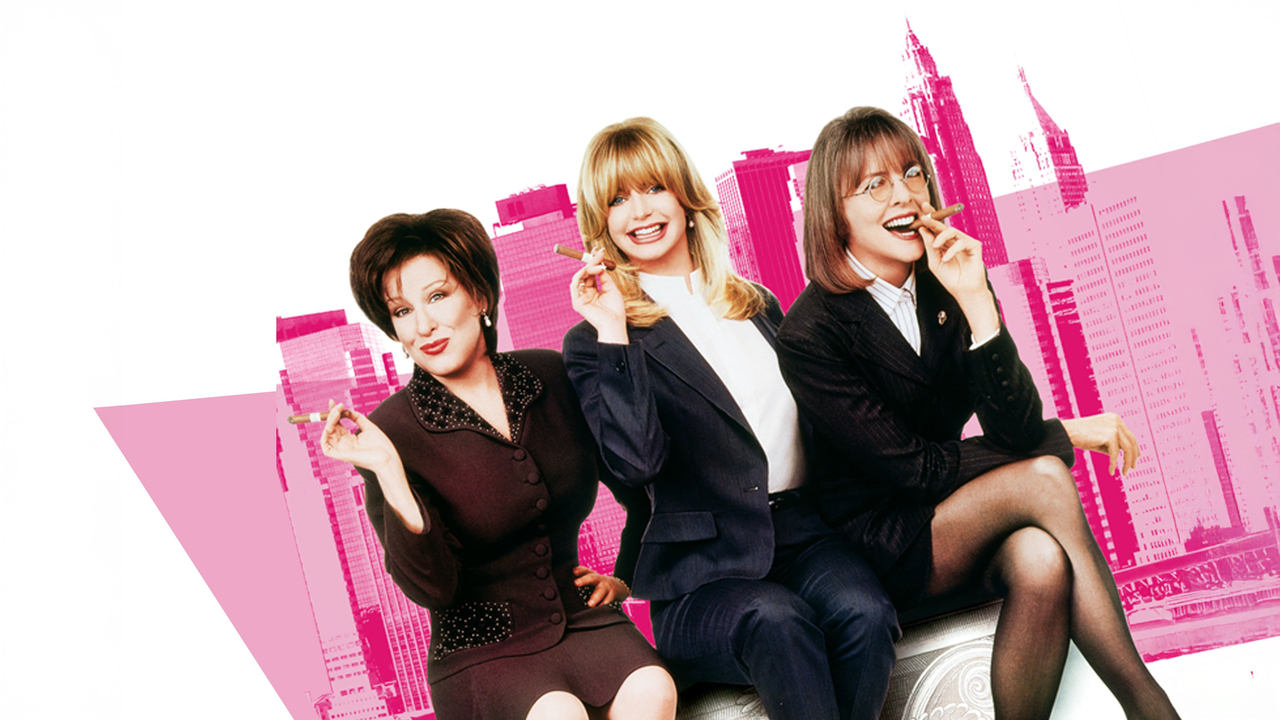
Visually, the film is a snapshot of mid-90s upscale Manhattan – the power suits, the slightly oversized everything, the luxurious apartments that seemed both aspirational and a little sterile. It perfectly captures the world these women are fighting to reclaim, or perhaps, escape. The studio, Paramount Pictures, was reportedly nervous about backing a film starring three actresses over 40, thinking it wouldn't find an audience. How wrong they were. Made for around $30 million, The First Wives Club became a surprise smash hit, raking in over $181 million worldwide and proving there was a massive, underserved audience eager for stories about women taking charge. Even Ivana Trump's memorable cameo, advising the trio "Don't get mad, get everything!", felt like a perfect encapsulation of the film's spirit.
### That Unforgettable Finale
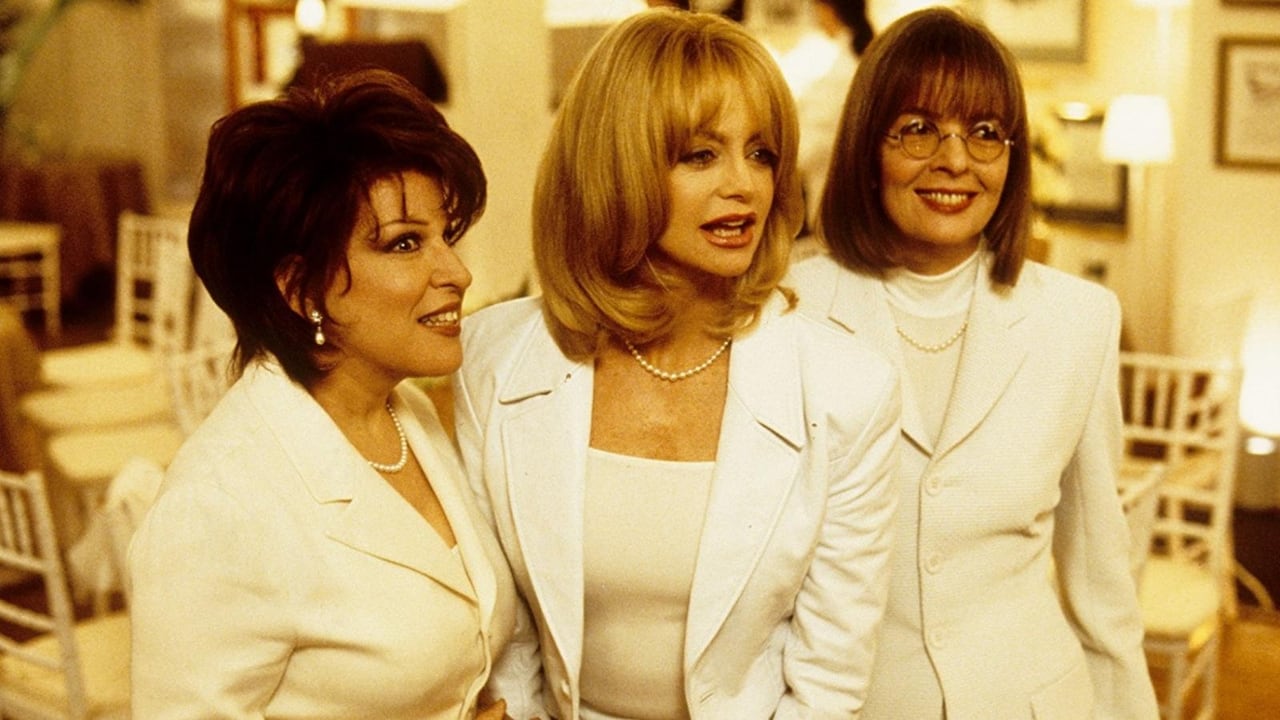
And then there's the ending. That glorious, triumphant rendition of Lesley Gore's "You Don't Own Me." Apparently, this iconic sequence wasn't in the original script but evolved during production, becoming the perfect cathartic release. Seeing Midler, Hawn, and Keaton, clad in white, belting out that anthem of independence? It’s pure cinematic joy, a moment that sealed the film's status as a feel-good favourite. It cemented the movie not just as a revenge comedy, but as a celebration of female solidarity.
While talks of a sequel have surfaced and faded over the years, often reportedly stalling over pay disputes (ironically echoing the film's themes of demanding fair value), the original remains a standalone gem.
Rating: 8/10
Justification: The First Wives Club earns its high marks for the sheer star power and chemistry of its leads, its genuinely funny script packed with quotable lines, and its surprisingly resonant themes of empowerment and friendship. It perfectly captured a moment, delivering wish-fulfillment fantasy with wit and style. While some plot elements feel decidedly '90s and the pacing occasionally dips, the overall energy and the iconic performances make it incredibly rewatchable. The box office success against studio expectations adds to its triumphant legacy.
Final Thought: Forget the grainy tracking, this VHS classic remains sharp, funny, and surprisingly potent – a reminder that sometimes, the best special effect is three legendary actresses having the time of their lives getting even. You still don't own them.