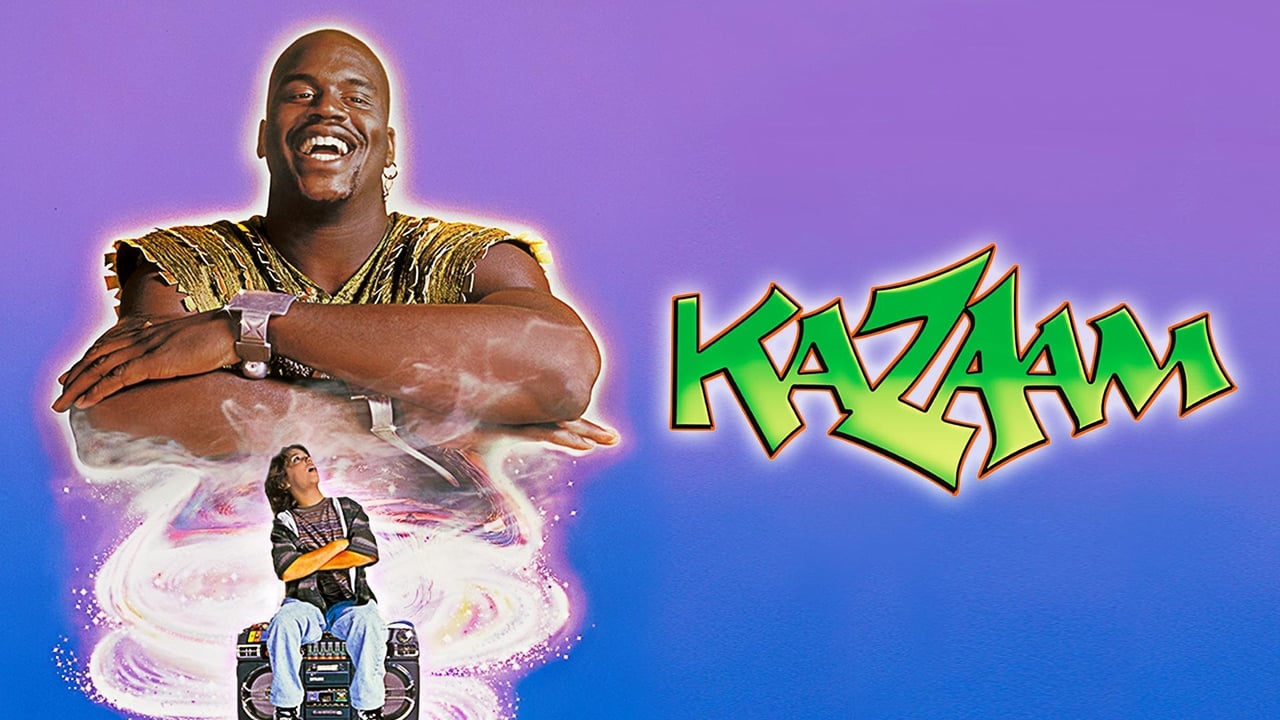
Okay, let’s rewind the tape. Imagine the mid-90s. The NBA is dominated by a charismatic giant named Shaquille O'Neal. He's not just playing basketball; he's releasing platinum rap albums, appearing everywhere, a true pop culture phenomenon. And then, someone, somewhere, in a haze of brilliant or baffling inspiration, pitches this: "What if Shaq played a genie? Who lives in a boombox? And raps?" The result, dear reader, was 1996’s Kazaam, a film that occupies a truly unique space in the dusty archives of our VHS memories.
### Boombox Magic and Big Dreams
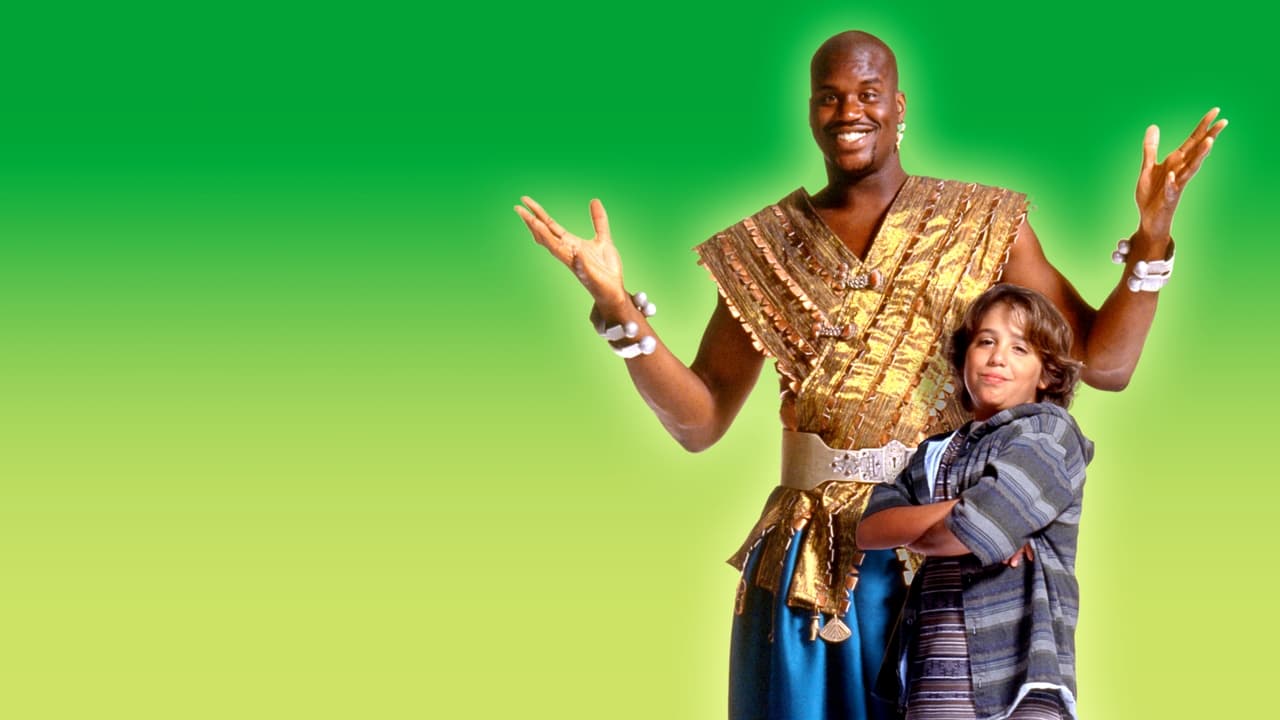
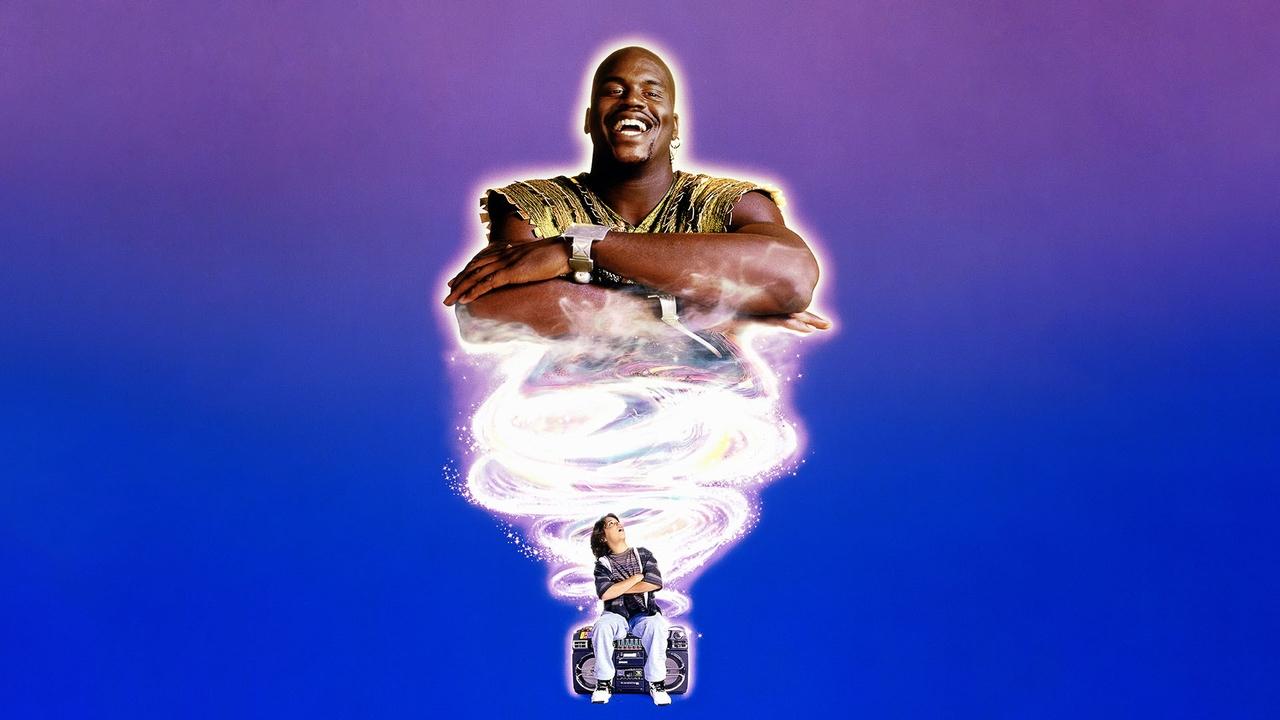
The premise itself feels like something dreamed up after a sugar rush at a sleepover. Max Connor (Francis Capra, who many might remember later from Veronica Mars) is a troubled city kid navigating bullies, a distracted mom (Ally Walker), and the painful absence of his real father. While fleeing said bullies into an abandoned building (a classic 90s trope!), he accidentally knocks over a seemingly discarded boombox. Naturally, this isn't just any old tape player – it's the mystical prison of Kazaam (Shaquille O'Neal), a 7-foot-1, 3000-year-old genie with a penchant for rhymes and granting wishes (three of 'em, standard rules apply). What follows is a whirlwind of Max trying to use his wishes to fix his life, Kazaam grappling with his newfound freedom (and the temptations of the modern world), and a slightly shoehorned plot involving Max's estranged father and some shady music industry types.
### Shaq Attack: The Genie in the Room
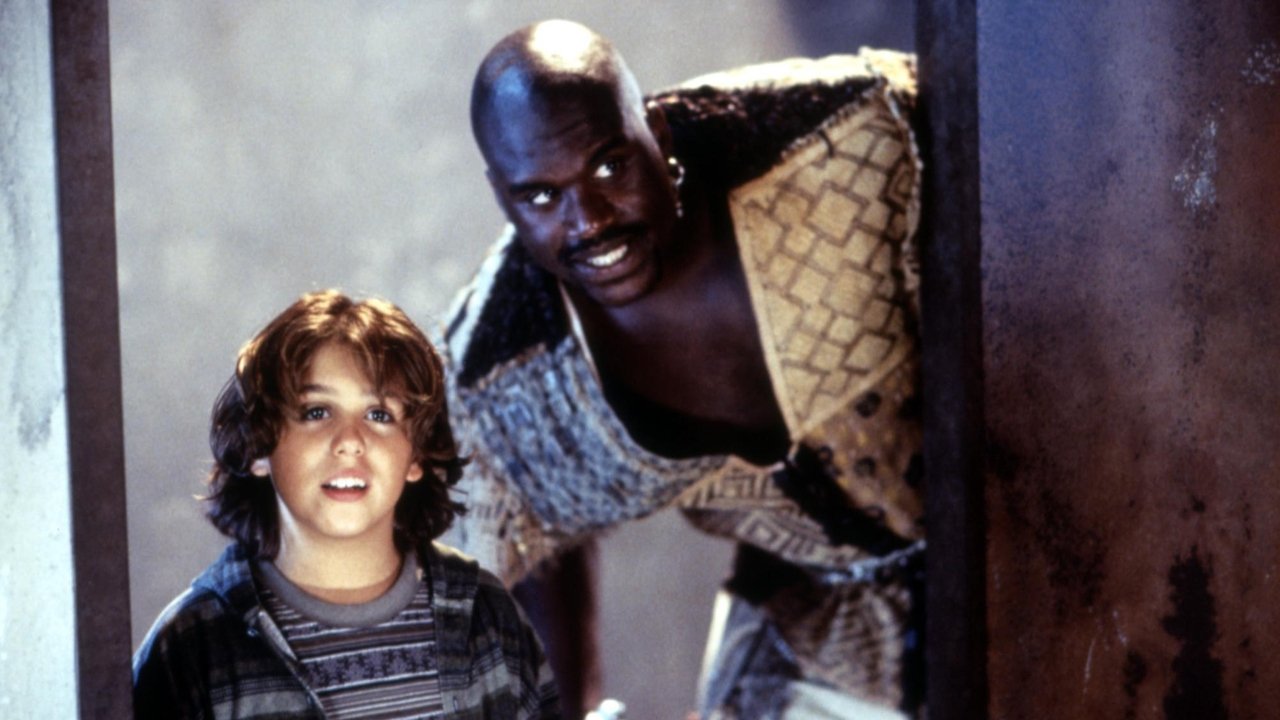
Let's be honest, the entire weight of Kazaam rests squarely on the very large shoulders of Shaquille O'Neal. Fresh off his basketball superstardom and surprisingly successful music career (his debut album Shaq Diesel went platinum just a few years prior in 1993), Shaq dives into the role with… well, undeniable presence. His Kazaam isn't the smooth-talking, witty genie of Disney fame. He's goofy, sometimes awkward, occasionally intimidating, and prone to breaking into rap verses that feel both incredibly dated and strangely endearing now. There's a scene where Kazaam magics up a gigantic junk food feast, raining snacks down on Max, that feels like pure wish-fulfillment for any kid watching on their fuzzy CRT screen back in the day. You can see Shaq trying – he reportedly took the role because he'd always wanted to play a genie – but his lack of acting experience is pretty apparent. Yet, there's a certain charm to his enthusiastic, if unpolished, performance that prevents the film from being completely dismissible. It’s Shaq Fu applied to acting, with similarly mixed results. Director Paul Michael Glaser, known to many as Starsky from Starsky & Hutch but also the director behind the surprisingly gritty Arnold Schwarzenegger vehicle The Running Man (1987), certainly had a unique challenge harnessing this larger-than-life personality into a coherent character.
### Retro Fun Facts: Wishing It Worked
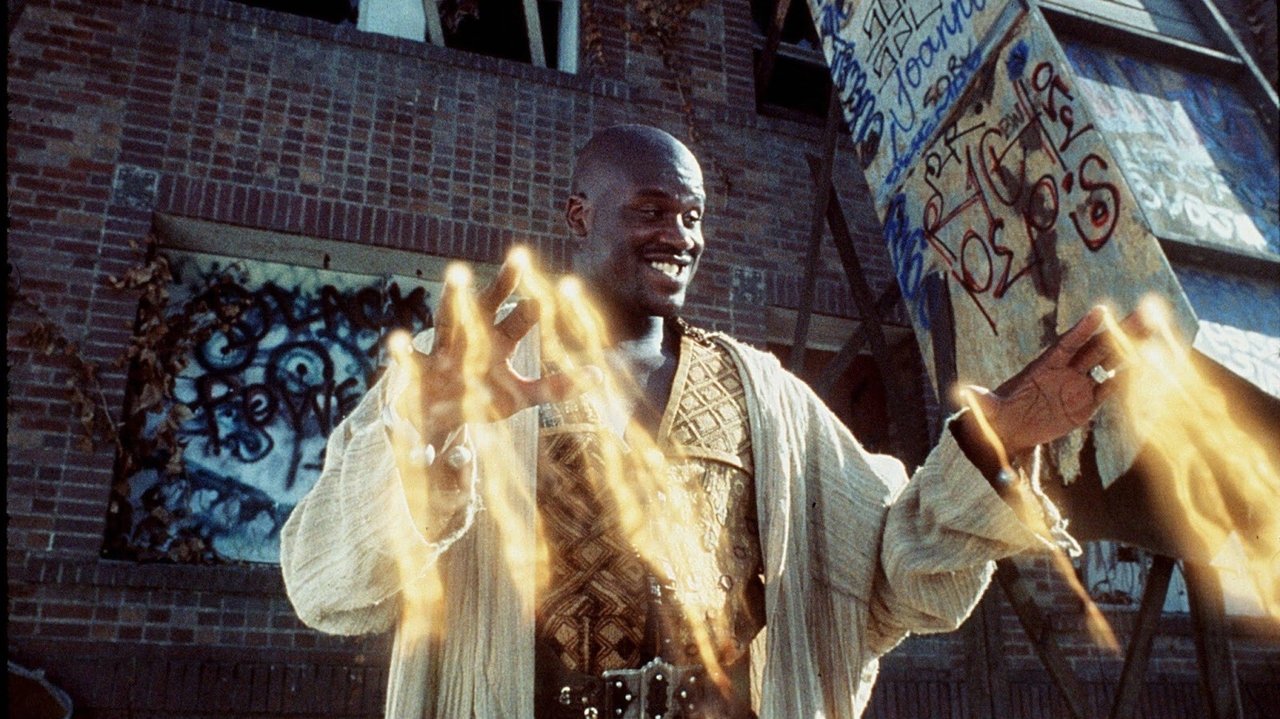
Kazaam wasn't exactly cinematic magic at the box office. Made on a relatively hefty $20 million budget (around $39 million in today's money), it famously fizzled, pulling in just under $19 million domestically. Critics were not kind (it still sits at a brutal 5% on Rotten Tomatoes and a 3.0/10 on IMDb), cementing its place as something of a pop culture punchline almost immediately. The special effects, a mix of practical tricks and mid-90s CGI trying to capture genie magic, look decidedly quaint now. Think shimmering fades, awkward levitation, and energy bolts that scream "state of the art... for 1996." They have that specific texture of early digital effects finding their footing, often clashing visually with the real-world sets. And oh, the rapping! While Shaq had legitimate musical success, the Kazaam raps penned by the film's writers Christian Ford and Roger Soffer are… memorable, let’s say. They are pure, unadulterated 90s cheese, delivered with Shaq's signature monotone flow.
### More Than Just Shaq?
While Shaq dominates, Francis Capra does a decent job as the sullen Max, grounding the fantastical elements with a believable adolescent angst. The father-son storyline attempts to give the film some emotional weight, exploring Max's desire for connection and Kazaam's surprisingly paternal feelings, but it often gets lost amidst the wish-granting chaos and villainous B-plot involving music pirates (yes, really). It’s a shame, as a little more focus here might have elevated the film beyond sheer novelty. Ally Walker, a familiar face from 90s TV, does her best with a somewhat underwritten maternal role.
### A Curious Case of 90s Nostalgia
So, why revisit Kazaam? For many of us who haunted video stores, Kazaam represents a specific type of discovery: the high-concept oddity you rented purely out of curiosity or because the cover box was so bafflingly intriguing. It’s a time capsule of 90s ambition meeting celebrity power, a swing-for-the-fences idea that didn't quite connect but left an undeniable mark. Is it a good film? By conventional metrics, probably not. But is it fascinating? Absolutely. It’s a testament to a time when a studio thought Shaq as a rapping genie was a guaranteed slam dunk, and there's a strange, nostalgic comfort in that kind of bold, perhaps misguided, optimism. It captures that feeling of a movie seemingly made just for kids hooked on celebrity culture and fantastical adventures, even if the execution wobbled.
Rating: 3/10
The score reflects the film's significant flaws – the awkward acting, the weak script, the dated effects, and the overall cheesiness. However, it gets a couple of points purely for the sheer audacity of its premise, Shaq's enthusiastic (if clumsy) attempt, and the undeniable nostalgic curiosity factor it holds as a quintessential piece of bizarre 90s pop culture ephemera. It’s a film more interesting to talk about than perhaps to watch repeatedly.
Kazaam is less a lost classic and more a fascinating relic, a wish granted by the movie gods that maybe should have stayed in the boombox. Still, find the tape, and you'll find a slice of 90s ambition served up big, bold, and bewilderingly rapped.