Okay, pop that tape in the VCR, adjust the tracking if you need to (we all remember that particular ritual), and settle in. But maybe don't expect the same sun-dappled, gentle yarn you got the first time around. Because when George Miller, the mastermind behind the tyre-screeching chaos of Mad Max, took the directorial reins for Babe: Pig in the City, he didn't just take our favorite polite pig out of the country – he plunged him headfirst into a sprawling, often terrifying, urban fairytale that feels worlds away from Hoggett's farm.
### Not Exactly Hoggett's Hollow Anymore
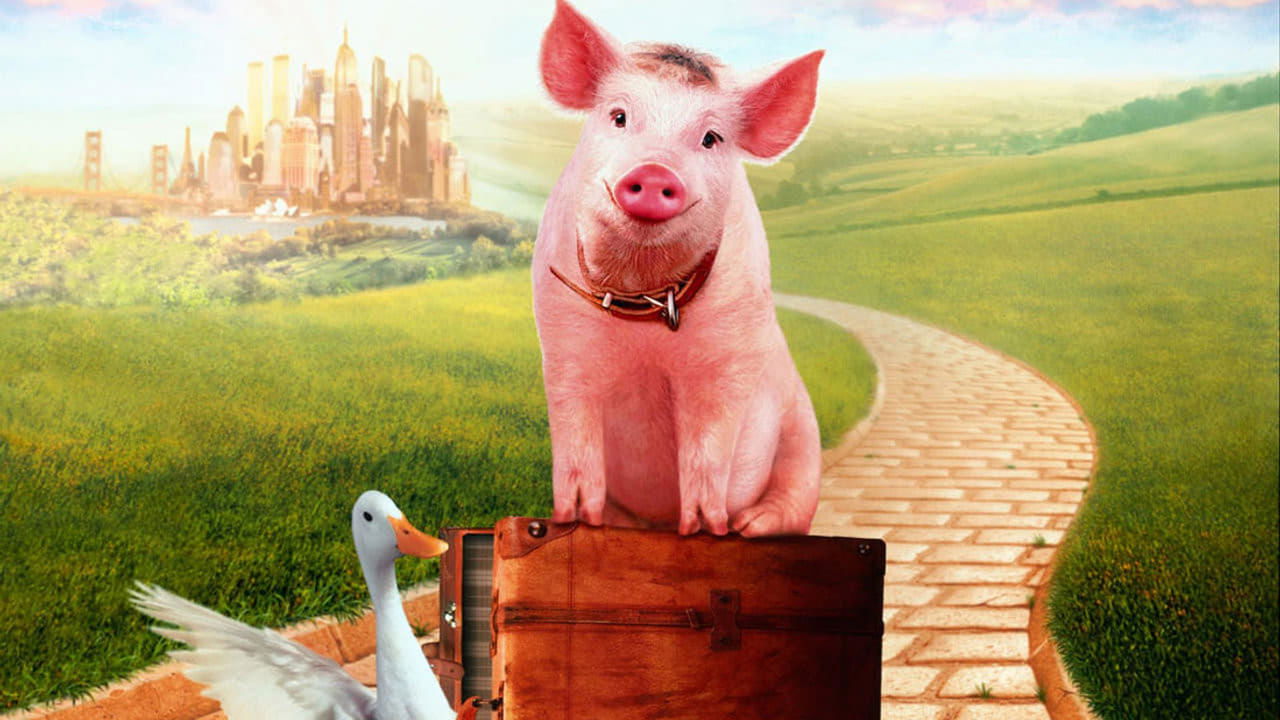
Remember the sheer warmth of the original Babe (1995)? That film felt like a cozy blanket. This 1998 sequel, however, unfolds more like a fever dream dreamt up by Charles Dickens after a particularly wild cheese supper. The setup is simple enough: following Farmer Hoggett's (James Cromwell, returning with his signature quiet dignity) unfortunate accident, Esme Hoggett (Magda Szubanski, wonderfully flustered and fiercely loyal) must take Babe to a far-off city for a paid appearance to save the farm from foreclosure. But from the moment they miss their connecting flight, things spiral into a surreal, visually stunning, and unexpectedly dark adventure. Babe finds himself separated from Esme and navigating a hostile, bizarre metropolis populated by a menagerie of forgotten, caged, and often desperate animals.
The shift in tone was jarring for many back in '98, and perhaps contributed to its underwhelming box office performance (grossing around $69 million worldwide, a steep drop from the original's $254 million). It wasn't the gentle follow-up audiences expected. Instead, Miller, who co-wrote this entry after directing the first Mad Max trilogy and later returning for Fury Road, delivered something far more complex and visually ambitious. He essentially took the whimsical premise and injected it with his signature kinetic energy and a surprising level of peril.
### A Concrete Jungle Gym of Visual Wonders
Let's talk about "The City." It's never named, existing as a fantastical amalgamation of iconic skylines – Venice, Paris, New York, Oz – rendered with a painterly, almost dreamlike quality. This isn't just a backdrop; it's a character in itself, teeming with towering, precarious architecture, shadowy alleyways, and bizarre establishments like the Flealands Hotel, a temporary refuge for stray animals that becomes central to the plot. The production design is simply extraordinary, creating a world that feels both magnificent and menacing.
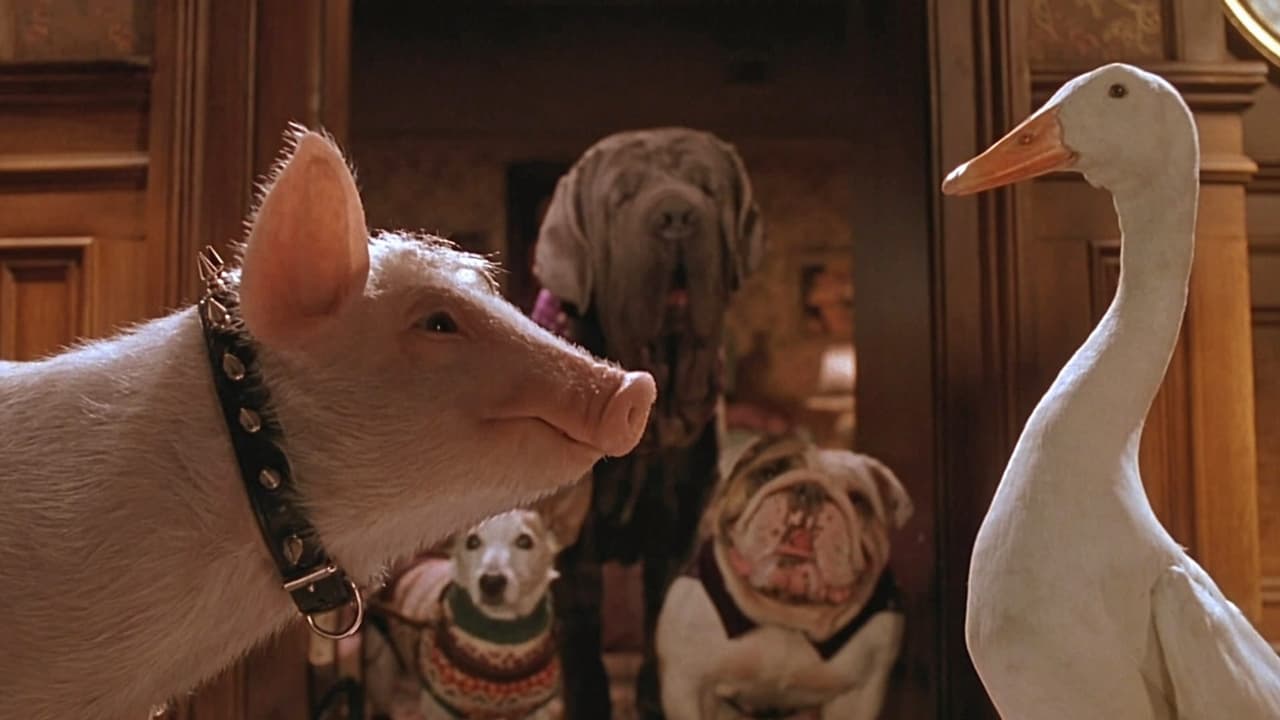
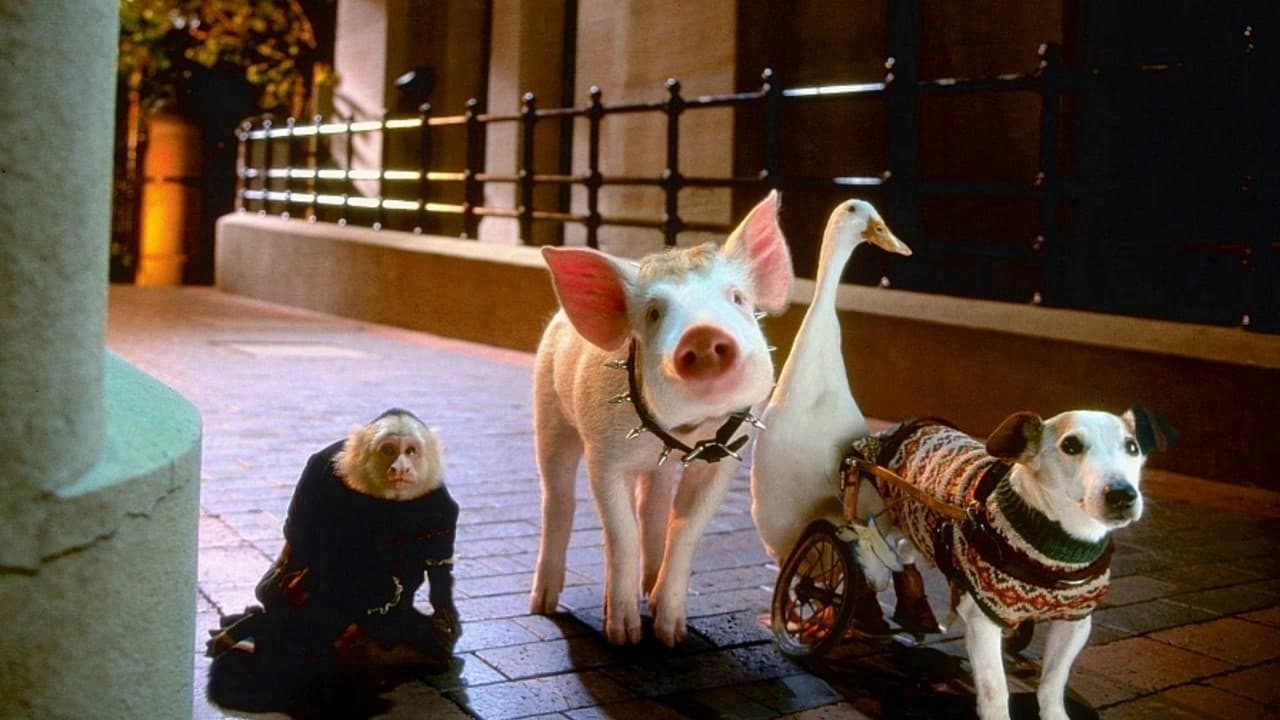
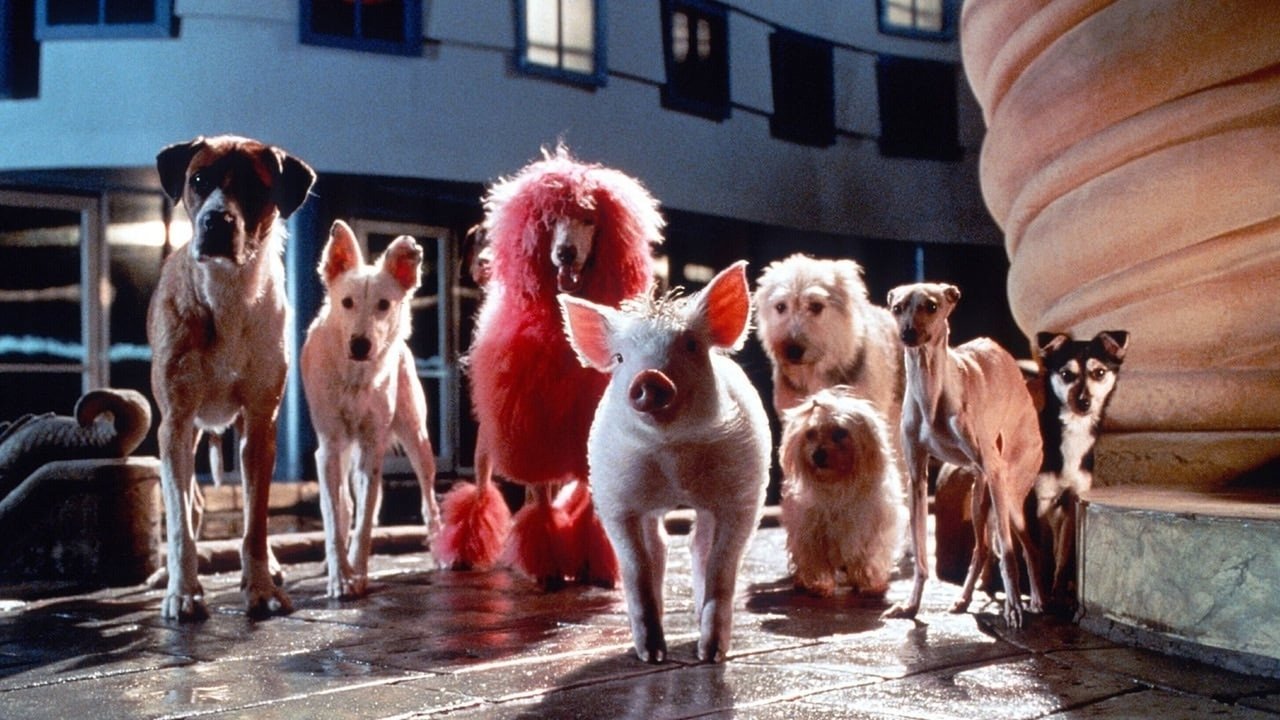
The technical wizardry involved in bringing the animal cast to life is also ramped up. Jim Henson's Creature Shop returned, blending seamless animatronics with real animals and burgeoning CGI to create performances that are often incredibly expressive. From the philosophical orangutan Thelonius to the pampered-then-abandoned poodle Flealick, and the territorial gang of feral cats, the character work among the animals is remarkable. It’s a testament to the effects teams and the voice actors that we invest so heavily in their plight. And who could forget the brief but haunting appearance by screen legend Mickey Rooney as Fugly Floom, the sad clown whose performance feels strangely melancholic?
### Behind the Urban Fairytale
It’s worth remembering that George Miller wasn't initially slated to direct. He stepped in after original Babe director Chris Noonan passed and Miller felt the replacement wasn't capturing the vision. This hands-on approach likely explains the film's distinct authorial stamp. Miller’s vision was uncompromising, leading to a film that feels intensely personal, albeit darker. Some found the scenes involving animal peril (like the Doberman falling from the bridge, or the fire sequence) too intense for a family film, leading to some controversy and even calls for boycotts at the time. It definitely pushed the boundaries of its PG rating.
Despite the initial commercial disappointment, Babe: Pig in the City garnered considerable critical respect over time, with champions like Roger Ebert praising its visual artistry and thematic depth. It tackled surprisingly mature ideas: prejudice (between different animal species), displacement, the indifference of urban society, the loss of innocence, and the power of kindness (personified by Babe's unwavering politeness) to forge community even in the darkest corners. It was less a simple sequel and more a bold, allegorical expansion of Babe's world.
### More Than Just Sheep-Pig Trials
Compared to the original's gentle lessons about finding your place, Pig in the City throws Babe into a chaotic test of survival and empathy. His simple, good-hearted nature ("A kind word, a good deed...") becomes a radical act in this indifferent urban landscape. The film is packed with memorable, often surreal sequences – the animal high-society charity dinner disrupted by Babe and his misfit friends is pure, delightful anarchy. The climactic chase involving bungee cords, bouncing animals, and general mayhem is pure George Miller invention, both thrilling and absurd.
It wasn't the sequel many wanted, perhaps, but Babe: Pig in the City is arguably the sequel we needed – one that dared to be different, darker, and more artistically ambitious. It didn't just rehash the formula; it took its beloved character on a genuine, challenging journey into a visually spectacular, morally complex world. Watching it again on VHS (or your format of choice!), the sheer audacity and artistry shine through, even if some sequences still feel surprisingly intense.

VHS Heaven Rating: 8/10
Justification: While its darker tone and departure from the original alienated some viewers and impacted its box office, Babe: Pig in the City is a visually stunning, technically brilliant, and surprisingly deep film. Its ambition, incredible production design, memorable characters (both human and animal), and George Miller's unique directorial vision make it a standout piece of 90s cinema, even with its tonal challenges. It earns major points for daring to be different and for its lasting cult appreciation.
Final Thought: It might not have the comforting warmth of the first film, but Babe: Pig in the City is a wild, wonderful, and weirdly unforgettable trip – proof that even the politest pig can find adventure (and trouble) in the big, bad city. A truly unique gem from the late-VHS era.