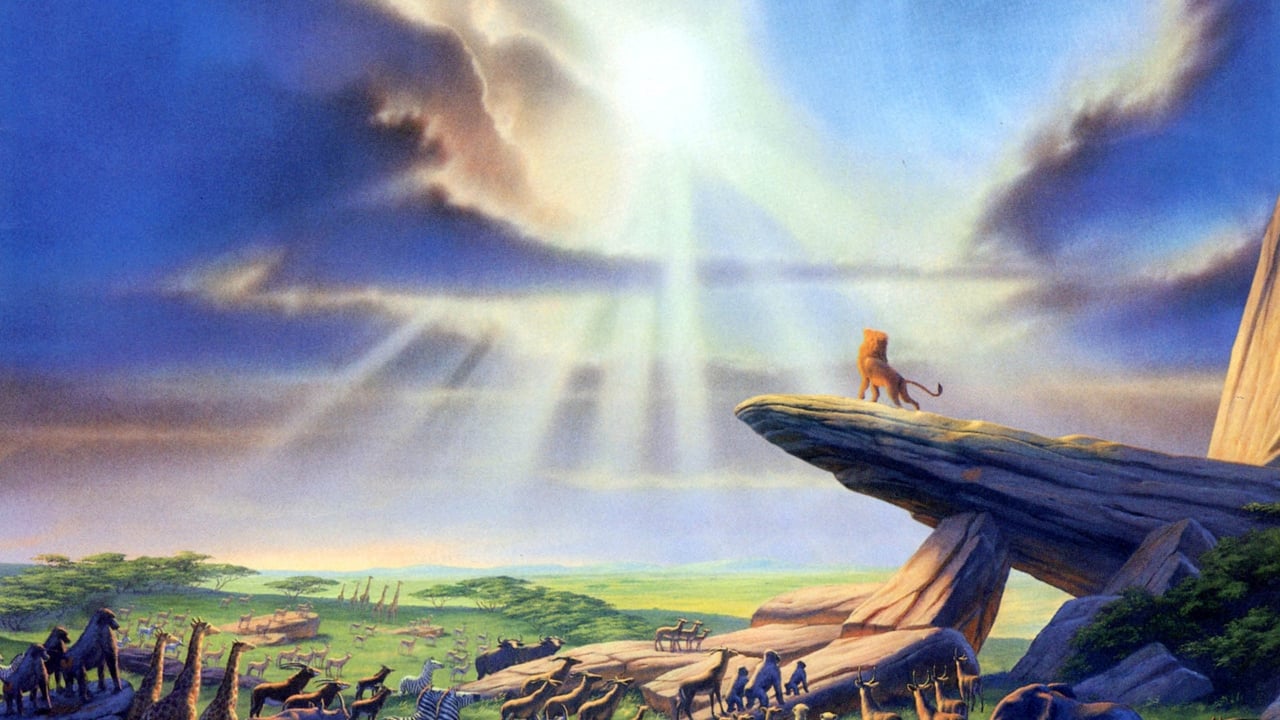
It begins not with a whisper, but with a roar – a sun rising over the African savanna, bathing everything in impossible golden light as animals gather in majestic procession. Even now, decades removed from its 1994 release, the opening sequence of Disney's The Lion King sends shivers down the spine. On our flickering CRT screens, fed by that chunky white VHS tape (often clad in a slightly battered clamshell case), this wasn't just another cartoon. This felt... epic. Monumental. A true event beamed directly into our living rooms.
A Kingdom Come
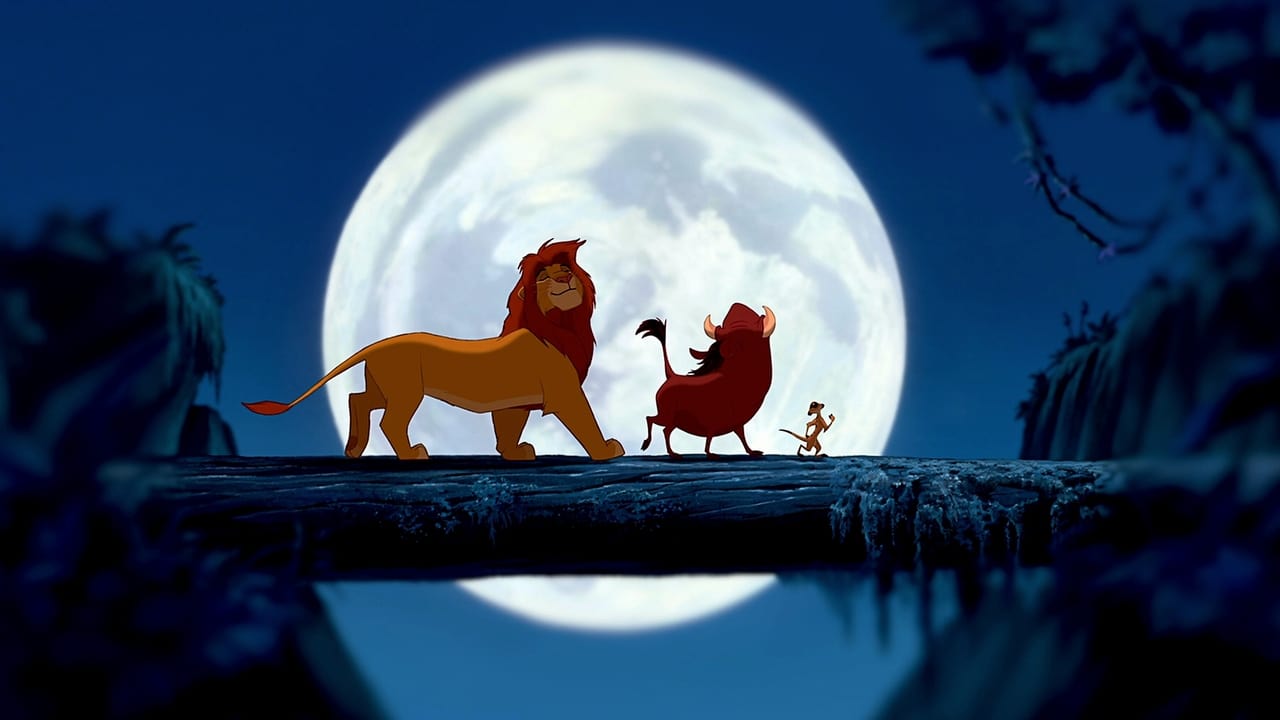
Directed by Roger Allers and Rob Minkoff, The Lion King arrived during the peak of the Disney Renaissance, a period where the studio rediscovered its storytelling magic with films like The Little Mermaid and Beauty and the Beast. But The Lion King felt different. While ostensibly about talking animals, its story, penned by Irene Mecchi, Jonathan Roberts, and Linda Woolverton, carried the weight of Shakespearean tragedy – specifically, Hamlet. Young prince Simba is destined to rule, idolizing his noble father, King Mufasa. But his uncle, the cunning and resentful Scar, plots to seize the throne, leading to betrayal, exile, and an eventual, hard-won return. It was heady stuff for animation, tackling themes of responsibility, grief, and finding one's place in the "Circle of Life."
Voices of the Pride Lands
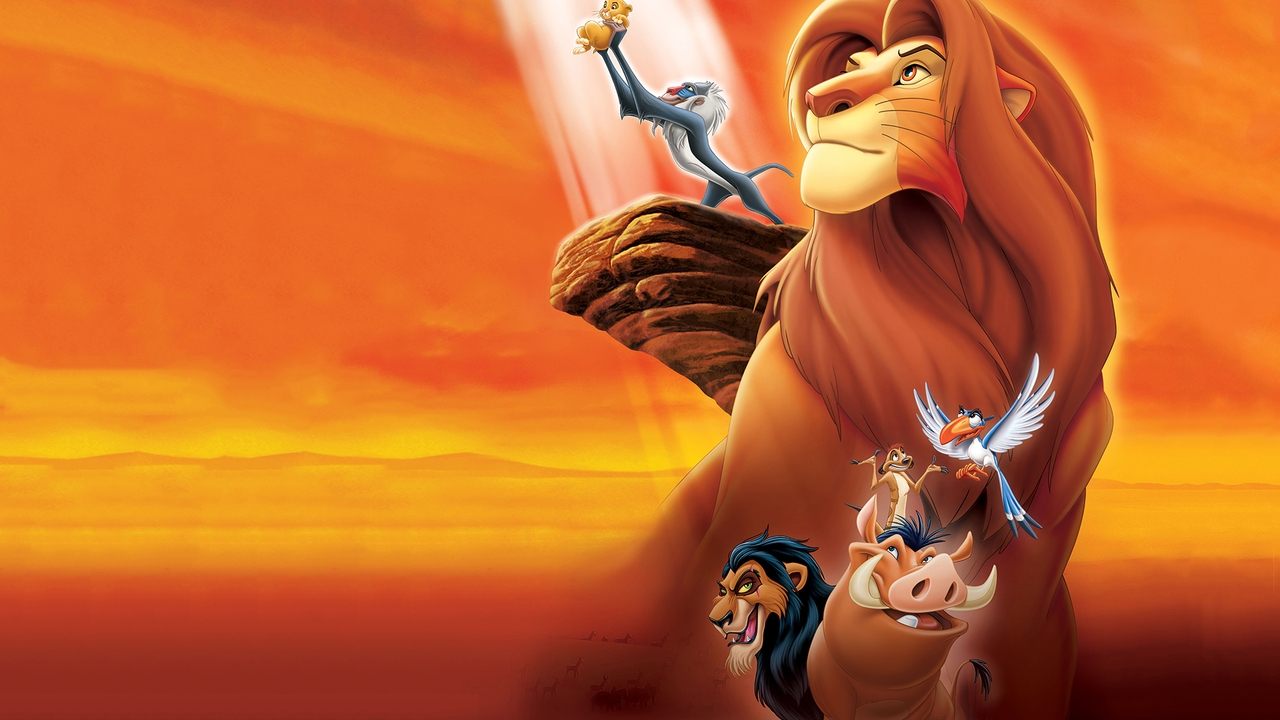
The casting was simply inspired. James Earl Jones, already iconic as Darth Vader, lent his impossibly deep and resonant voice to Mufasa, embodying regal authority and paternal warmth. His delivery of lines like "Remember who you are" still echoes with profound power. Opposite him, Jeremy Irons delivered a masterclass in villainy as Scar. Dripping with bored, theatrical sarcasm and simmering envy, Irons created one of Disney's most memorable and deliciously wicked antagonists. His performance elevates Scar beyond a simple cartoon baddie into a complex, fascinating figure. And Matthew Broderick, known then for charming roles like Ferris Bueller's Day Off, brought the right mix of youthful uncertainty and eventual resolve to the adult Simba. Supporting characters like Nathan Lane's Timon, Ernie Sabella's Pumbaa, and Rowan Atkinson's Zazu added essential levity and heart.
Animation That Redefined the Possible
Visually, The Lion King was breathtaking. The traditional hand-drawn animation achieved a new level of artistry, capturing the vastness of the savanna and the subtle expressiveness of its animal characters. But it also pushed boundaries technically. Remember that wildebeest stampede? (Spoiler Alert for perhaps the one person who hasn't seen it!) That terrifying, heart-stopping sequence was a landmark achievement, seamlessly blending traditional animation with cutting-edge (for the time) computer-generated imagery to create a sense of scale and chaos never before seen in a Disney feature. It wasn't just spectacle; it served the story, driving home the terror and tragedy of Mufasa's fate in a way that left young audiences stunned and, let's be honest, probably reaching for a parent's hand.
Retro Fun Facts: More Than Meets the Eye
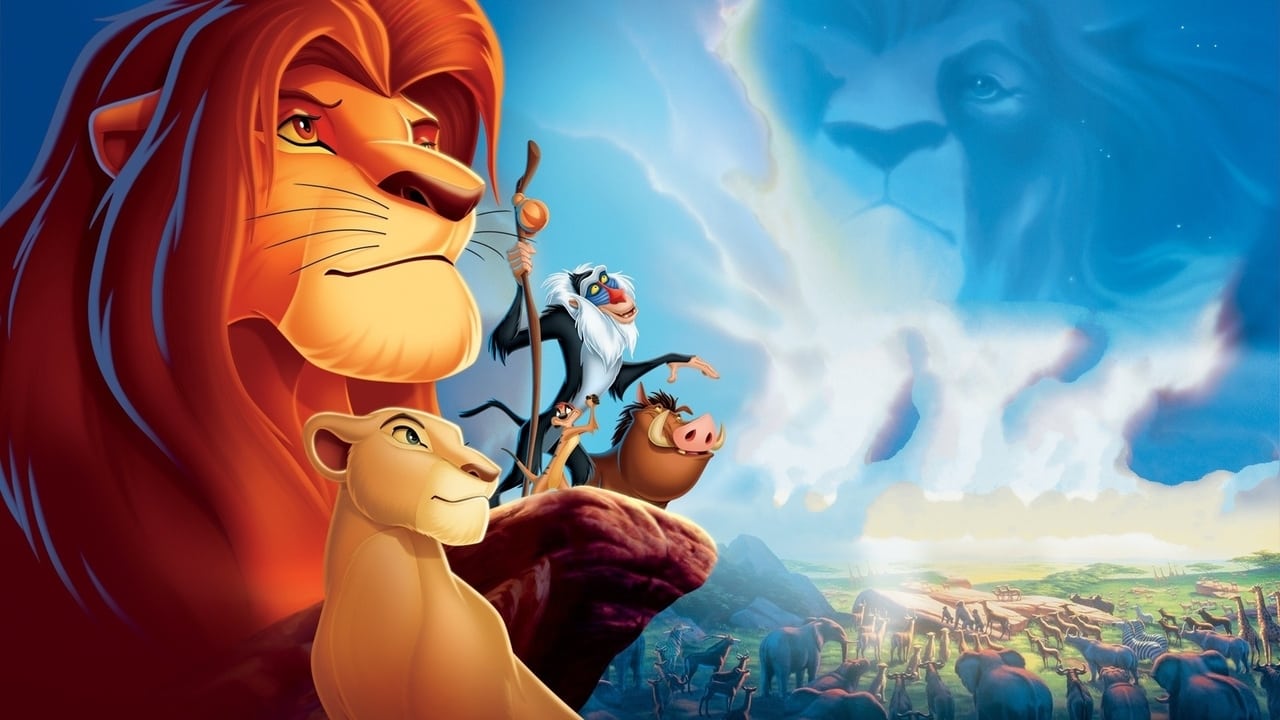
Digging into the production reveals fascinating tidbits. Initially, the project was considered a B-picture within Disney, with many top animators opting to work on Pocahontas instead, believing it to be the more prestigious film. How wrong they were! The Lion King, made for a relatively modest $45 million, became a global phenomenon, roaring to a $968 million worldwide gross – making it the highest-grossing film of 1994 and, for a time, the highest-grossing animated film ever. The story itself went through significant changes; early drafts were apparently much darker and more focused on the conflict between lions and baboons. And that incredible score by Hans Zimmer (who would go on to score epics like Gladiator and Inception)? He brought in South African composer Lebo M. to infuse the music with authentic African choirs and rhythms, giving the film its unique and powerful soundscape, perfectly complementing the unforgettable songs by Elton John and Tim Rice ("Circle of Life," "Hakuna Matata," "Can You Feel the Love Tonight"). Fun fact: "Hakuna Matata" wasn't originally in the script; a song called "He's Got it All Worked Out" was replaced relatively late in production. Seems they made the right call there!
The Enduring Roar
The Lion King wasn't just a movie; it was a cultural touchstone. It spawned sequels (like the surprisingly solid direct-to-video Simba's Pride), spin-offs (Timon & Pumbaa), a long-running, visually stunning Broadway musical, and eventually, a "live-action" (photorealistic CGI) remake. Its influence on animation and popular culture is undeniable. It proved that animated films could tackle complex themes, deliver emotional depth, and achieve massive commercial success on a global scale. Watching it again today, even with the slightly fuzzy nostalgia of a well-worn VHS tape in mind, its power remains undiminished. The animation holds up beautifully, the story resonates, and the music? Simply timeless.
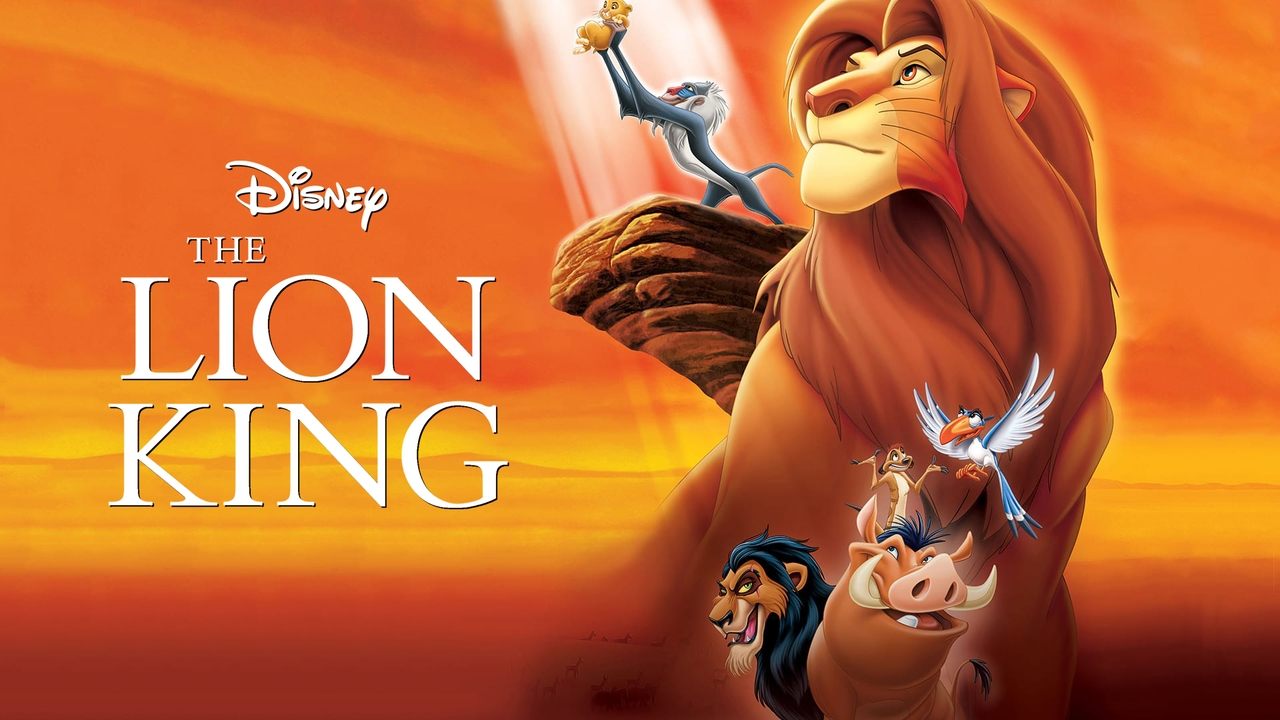
VHS Heaven Rating: 10/10
This score feels almost preordained, doesn't it? But The Lion King earns it completely. For its groundbreaking animation blending traditional artistry with nascent CGI, its powerful Shakespearean story adapted perfectly for a family audience, its unforgettable characters brought to life by stellar voice acting (especially Jones and Irons), and its iconic, culture-defining music by Zimmer, John, and Rice. It tackled mature themes with grace and delivered spectacle, humor, and heart in equal measure. It wasn't just a high point of the Disney Renaissance; it was, and remains, a pinnacle of animated filmmaking.
It truly felt like Hakuna Matata – no worries – when that tape slid into the VCR, promising ninety minutes of pure cinematic magic. And somehow, it still does.