Alright, fellow tapeheads, settle back into that worn spot on the couch. Remember shuffling through the New Releases at Blockbuster, maybe grabbing some microwave popcorn, and taking a chance on something that looked… different? Sometimes, nestled between the Schwarzeneggers and Stallones, you’d find a curious box, maybe one featuring a regular guy suddenly blessed with powers he barely understood. That’s the vibe hitting me right now thinking about Robert Townsend's ambitious 1993 offering, The Meteor Man. This wasn't your typical caped crusader epic; it felt like something beamed in from a parallel dimension where superheroes worried more about local bullies than alien invasions.
Not Your Average Hero Origin
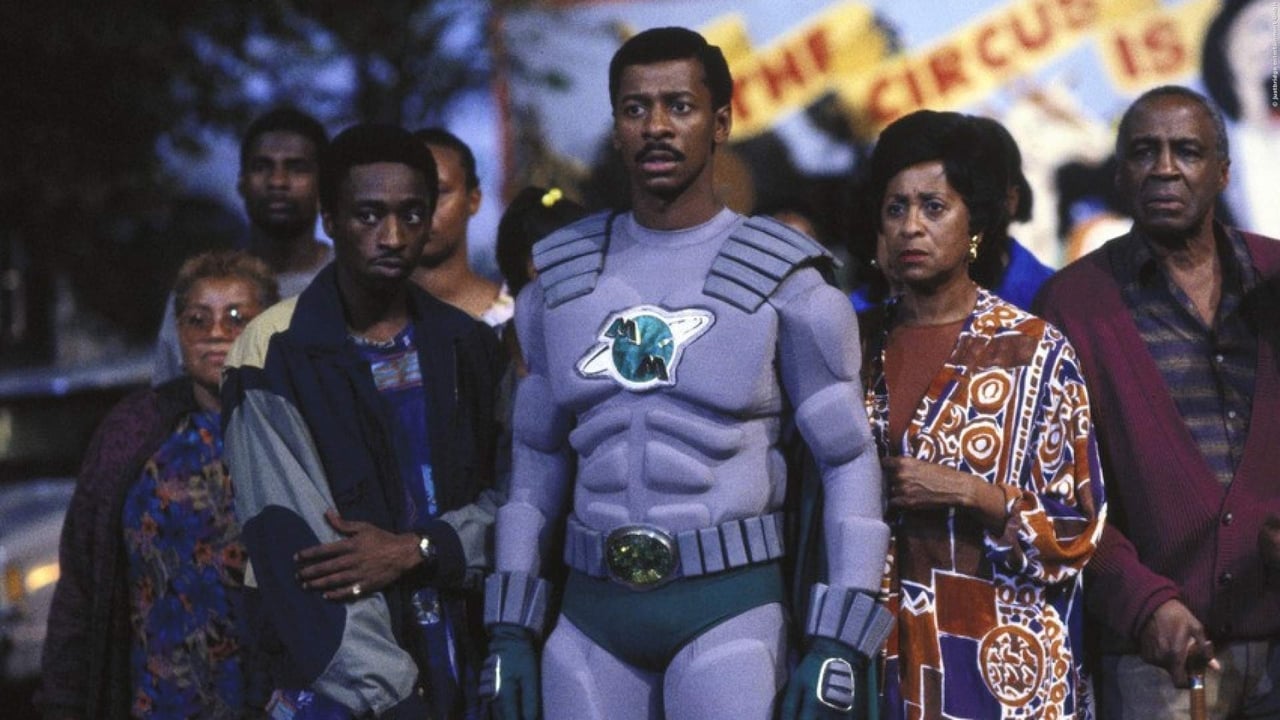
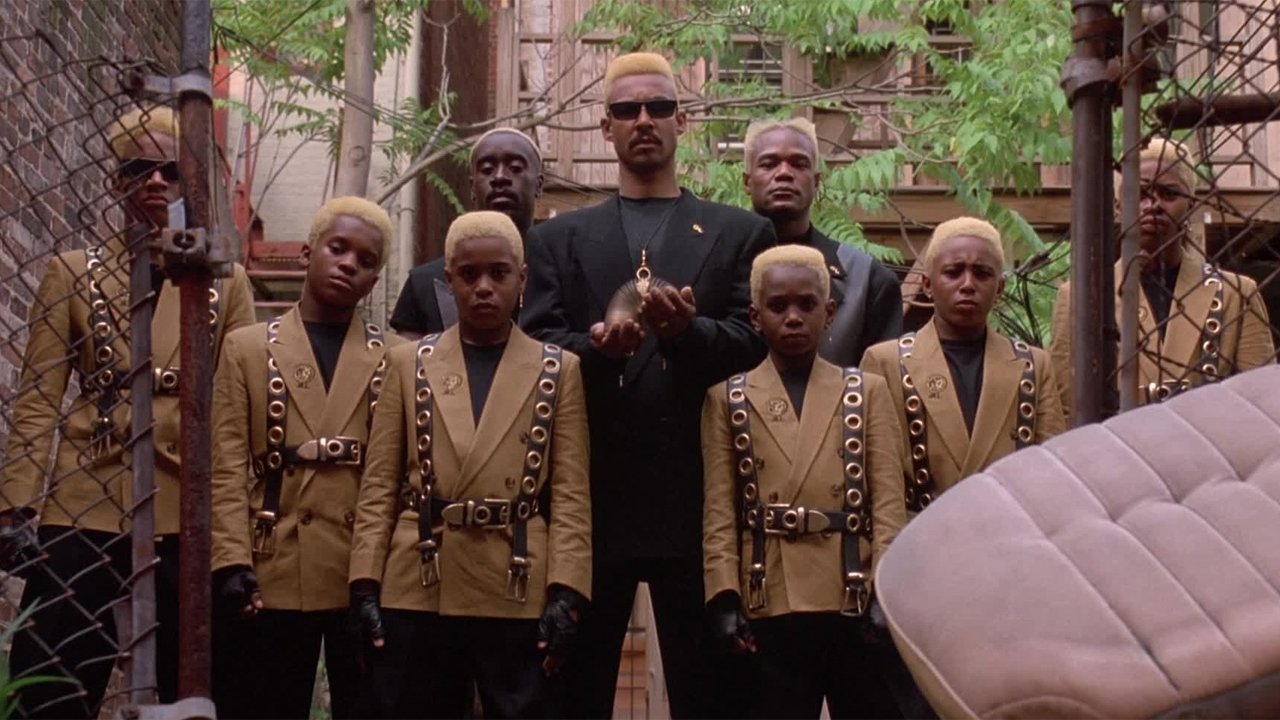
Forget billionaire playboys or reporters from Krypton. The Meteor Man gives us Jefferson Reed (Robert Townsend himself, pulling triple duty as writer, director, and star), a mild-mannered, slightly nerdy school teacher in a Washington D.C. neighborhood plagued by the Golden Lords, a gang terrorizing the community with their… well, their very 90s brand of street menace (dyed blonde hair included). One fateful night, trying to save a cat (naturally), Reed gets clobbered by a glowing green meteorite. Instead of vaporizing him, it grants him a bizarre grab-bag of superpowers: flight, super-strength, X-ray vision (that can see through clothes and teach him the contents of any book instantly – talk about a study aid!), heat vision, healing powers, and, perhaps most memorably, the ability to communicate with dogs. It’s a wonderfully weird mix, leaning into the inherent comedy of an ordinary guy suddenly dealing with extraordinary abilities.
A Labor of Love (and Community)
You have to admire the sheer force of will it took for Townsend to get this film made. Fresh off skewering Hollywood stereotypes with the brilliant Hollywood Shuffle (1987), he poured his energy into creating one of the first mainstream Black superheroes on the big screen. This wasn't just a vanity project; it feels deeply personal, a genuine attempt to craft a positive role model and tell a story about community empowerment. It’s reported that Townsend sunk a good chunk of his own money into the $30 million production when funding got tight, showing just how much he believed in this vision. And that community focus shines through in the absolutely stacked supporting cast. We're talking legends like Marla Gibbs as Jefferson's supportive mom, Robert Guillaume as his skeptical father, the unmistakable voice of James Earl Jones as a neighborhood sage, Sinbad bringing his usual comedic energy, and even musical icons like Nancy Wilson and Luther Vandross popping up! It's like a block party of early 90s Black talent, including blink-and-you'll-miss-them cameos from hip-hop acts like Big Daddy Kane, Cypress Hill, and Naughty by Nature. Remember spotting all those faces back in the day? It added a whole layer of fun to the viewing experience.
Golden Lords and Green Screen Glow
Let’s talk about the action and effects. Look, this was 1993. CGI was still finding its footing, and while Jurassic Park blew minds that same year, The Meteor Man operated on a different level. The flying sequences, often involving visible wires against not-quite-convincing blue screen backdrops, have a certain charming clunkiness today. But you know what? Back then, watching on a fuzzy CRT, it felt like effort. It wasn't seamless, but it was tangible in a way. You could almost imagine Townsend dangling up there, trying to look heroic while probably battling a serious case of vertigo. Some effects, like the dog communication or the instant book-learning gag, rely more on clever editing and performance than digital wizardry. The villains, the Golden Lords, led by Simon (Roy Fegan), are perfectly over-the-top 90s baddies, more concerned with terrorizing local businesses than world domination. Their threat feels neighborhood-sized, which fits the film’s scale. It’s less Avengers, more… well, Community Avengers. And hey, trivia alert: Marvel Comics actually published a six-issue Meteor Man comic book series as a tie-in, a rare move for a character not originating from their pages!
Heart Over High-Tech
Where The Meteor Man truly succeeds is in its earnestness. It wears its heart on its sleeve, championing themes of community action, standing up to bullies, and the idea that anyone can be a hero in their own way. The humor is often broad, sometimes bordering on silly, but it comes from a genuine place. Eddie Griffin, in one of his early film roles as Michael, Jefferson's buddy, gets some good lines, and the interactions between Jefferson and his parents (Gibbs and Guillaume are fantastic together) provide warmth and grounding. Sure, the tone can wobble sometimes between slapstick comedy, superheroics, and social commentary, a balancing act that critics at the time definitely pointed out. The film didn't exactly light up the box office either, bringing in only about $8 million against its $30 million budget, making it a commercial disappointment.
But watching it now, especially through that nostalgic VHS lens, its flaws feel less like failures and more like quirks of its era. It aimed high, trying to blend genres and deliver a positive message wrapped in superhero spandex. Did it always hit the mark? Maybe not perfectly. But its ambition and sincerity are undeniable. It feels like a film made for a specific community, by a member of that community, and that gives it a unique energy often missing from slicker, more corporate superhero fare.
***
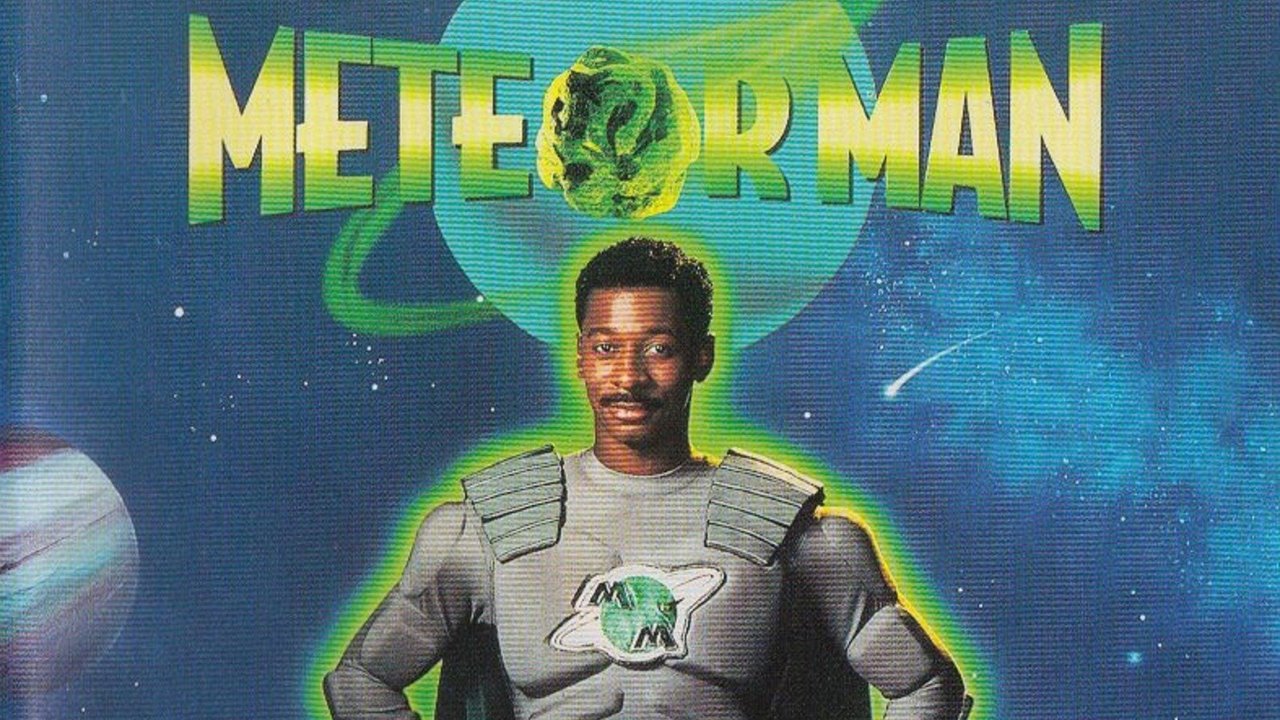
VHS Heaven Rating: 6/10
Justification: The Meteor Man earns points for its groundbreaking ambition in presenting a Black superhero lead, its incredible ensemble cast packed with legends, and its genuinely heartfelt message about community power. Robert Townsend's multi-hyphenate effort is commendable. However, the film is undeniably hampered by its uneven tone, dated (though charmingly so) special effects, and a script that sometimes struggles to juggle comedy and social commentary effectively. It didn't quite soar commercially or critically, but its uniqueness makes it memorable.
Final Thought: Forget polished perfection; The Meteor Man is pure, earnest 90s superhero charm beamed straight from the heart of the neighborhood – a reminder that sometimes the most super power is just showing up for your community, even if your landing is a little bumpy. Definitely worth dusting off the tape for a dose of heartfelt, quirky nostalgia.