Alright, fellow tapeheads, gather 'round. Remember browsing the aisles of the local video palace, maybe venturing beyond the Hollywood blockbusters into the slightly more chaotic 'Comedy' or 'Foreign' sections? Sometimes you'd grab a tape based purely on the outrageous cover art or a familiar comedic face plastered on the box. That’s exactly the vibe hitting me as I think back to popping Nineties - Part II (or Anni 90 - Parte II, as the clunky label probably read) into the VCR. Released in 1993, this wasn't your typical slick American export; it was a blast of pure, unfiltered Italian sketch comedy, a sequel to a film that had clearly struck a chord back home the previous year. Finding this felt like discovering a secret stash of European candy – maybe a bit strange, definitely sugary, and offering a flavour you just couldn't get anywhere else.
### That Early 90s Italian Buzz
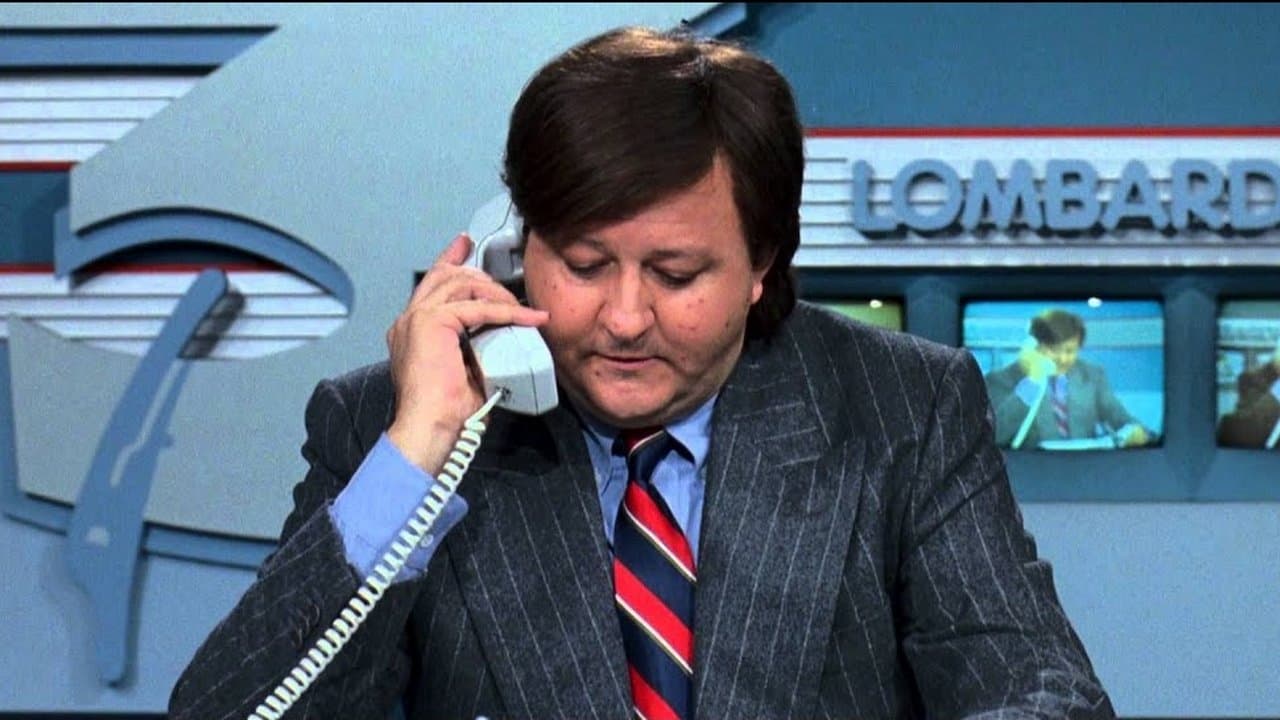
Directed by Enrico Oldoini, a reliable hand in popular Italian cinema who understood the comedic pulse of the nation, Nineties - Part II doesn’t bother with anything as conventional as a single plot. Forget intricate character arcs or narrative throughlines. This is pure, unadulterated sketch comedy, Italian style. Think Saturday Night Live meets a Fellini-esque carnival, all filtered through the lens of early 90s pop culture, Berlusconi-era optimism (and anxieties), and a healthy dose of sheer silliness. The film throws a series of vignettes at you, lampooning everything from dating and marriage woes to television trends, social climbers, and everyday frustrations, all set against a backdrop that screams "Italy, 1993" – the fashion, the music, the slightly garish optimism.
### The Kings of Comedy, Italian Style
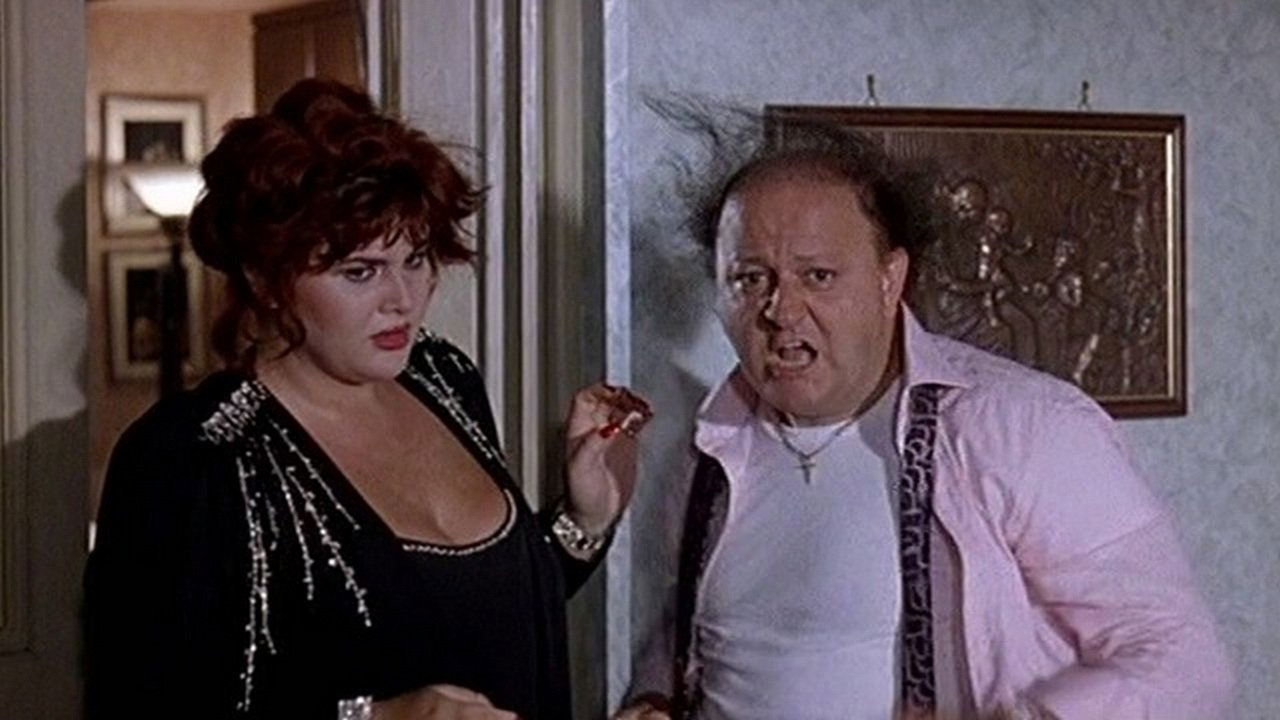
The real engine driving this comedic locomotive is its ensemble cast, headlined by the titans of Italian popular comedy at the time: Christian De Sica (son of the legendary Vittorio De Sica, but a comedic force in his own right) and Massimo Boldi. Their on-screen chemistry was legendary in Italy, powering dozens of wildly successful comedies, often the lucrative "cinepanettoni" (comedies released around Christmas). Seeing them here, in their prime, is like watching Abbott and Costello dropped into the Milan fashion scene or Laurel and Hardy trying to navigate Rome's chaotic traffic. Their segments often rely on classic comedic archetypes – the misunderstandings, the escalating farces, the slightly lecherous but ultimately harmless bumblers.
Alongside them, you have the wonderfully surreal Nino Frassica, whose brand of deadpan absurdity offered a different, often weirder flavour. His segments could feel like they beamed in from another dimension entirely. The supporting cast is packed with familiar faces from Italian film and television of the era, each contributing to the frantic energy. It's a testament to the film's appeal in Italy that it pulled together such a powerhouse comedic team. Interestingly, the writing credits boast a diverse group, including future successful director Giovanni Veronesi (Manual of Love series), comedian-turned-best-selling author Giorgio Faletti, and even Liliana Betti, a respected screenwriter who had worked with Fellini! That mix perhaps explains the film's scattershot approach, hitting different comedic notes across its runtime.
### Laughs, Groans, and 90s Gaudiness
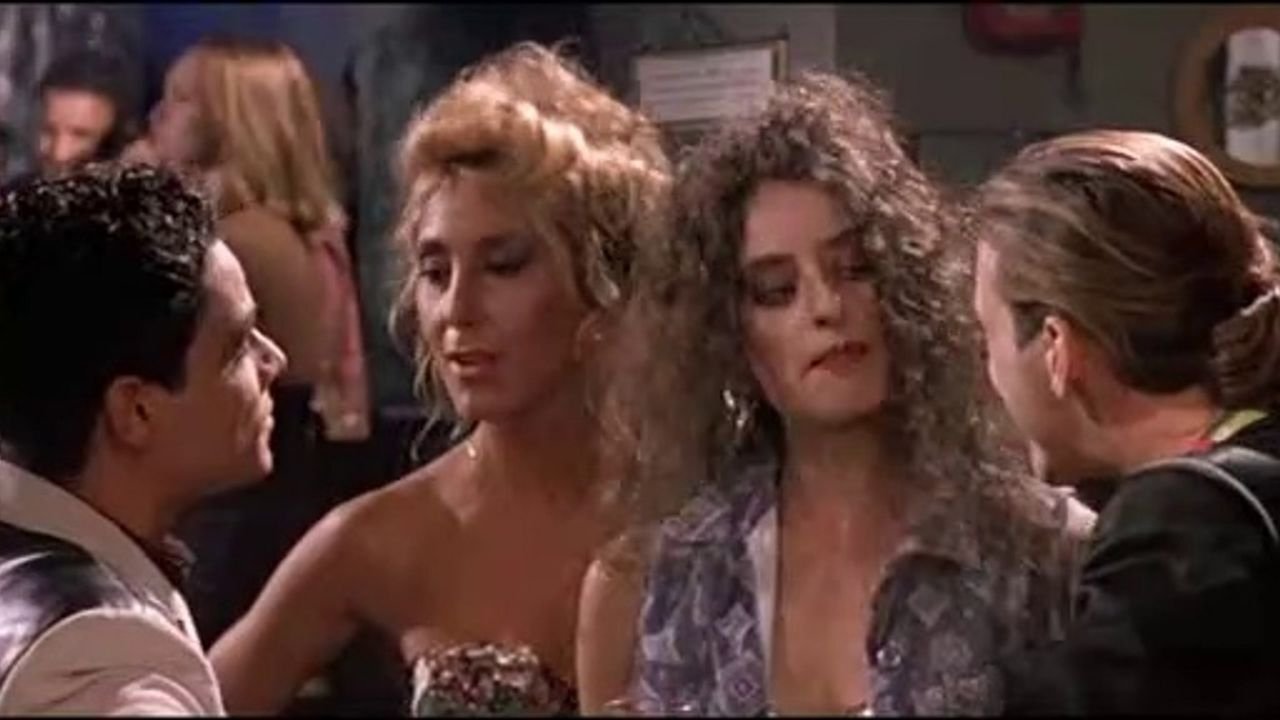
Let's be honest, the humour here is broad. Sometimes it lands with a chuckle of recognition at universal human foibles; other times, it might elicit a groan or feel distinctly like a product of its time – the gender politics can certainly seem dated through a modern lens. But there's an undeniable energy to it all. The "practicality" here isn't about stunts, but about the commitment of the performers. The comedy relies on timing, physicality, and the sheer audacity of the situations, often pushing things to the point of absurdity. There's a certain raw, unpolished feel that you just don't get in today's often more digitally smoothed-out comedies. You can almost feel the slightly frantic energy of the shoot, trying to capture lightning in a bottle with these comedic dynamos.
One memorable aspect is just how Italian it all feels. The specific cultural references, the satirical targets (like certain TV personalities or social trends), the very rhythm of the dialogue – it’s a fascinating time capsule. Even if you didn't live through 1990s Italy, you get a potent, if exaggerated, snapshot. Remember seeing those slightly off-brand European fashions or hearing snippets of Italo-disco filtering through? This movie feels like that era.
### Box Office Bonanza, Critical Shrug
Back in Italy, Nineties - Part II was a certified hit. Following hot on the heels of the successful Anni 90 (1992), it reportedly raked in nearly 8 billion Italian Lire at the box office – a substantial sum demonstrating just how much audiences connected with this brand of comedy. Critics? Probably less enthused, as was often the case with these popular ensemble comedies, which were seen as commercially driven rather than artistically ambitious. But for the average Italian moviegoer looking for laughs and relatable situations (dialled up to eleven), this film delivered exactly what it promised. Finding it on VHS outside of Italy might have been tougher, often relegated to specialty stores or the dusty corners of the rental shop, making it feel like even more of a quirky discovery.
---
VHS Heaven Rating: 6/10
Justification: The rating reflects the film's specific, acquired taste. It's a must-see for fans of De Sica and Boldi or those deeply nostalgic for 90s Italian pop culture. The energy is infectious, and some sketches are genuinely funny in their absurdity. However, the scattershot nature, extremely broad humour, and dated elements mean it won't connect with everyone. It earns points for being a pure, unfiltered blast of its time and place, capturing the specific flavour of popular Italian comedy from the VHS era.
Final Take: Nineties - Part II is like finding a slightly faded postcard from a wild European vacation you vaguely remember taking. It’s loud, colourful, occasionally baffling, but undeniably alive with the specific energy of its moment – a true slice of 90s Italian mainstream humour, best enjoyed with a dose of retro appreciation and maybe an espresso.