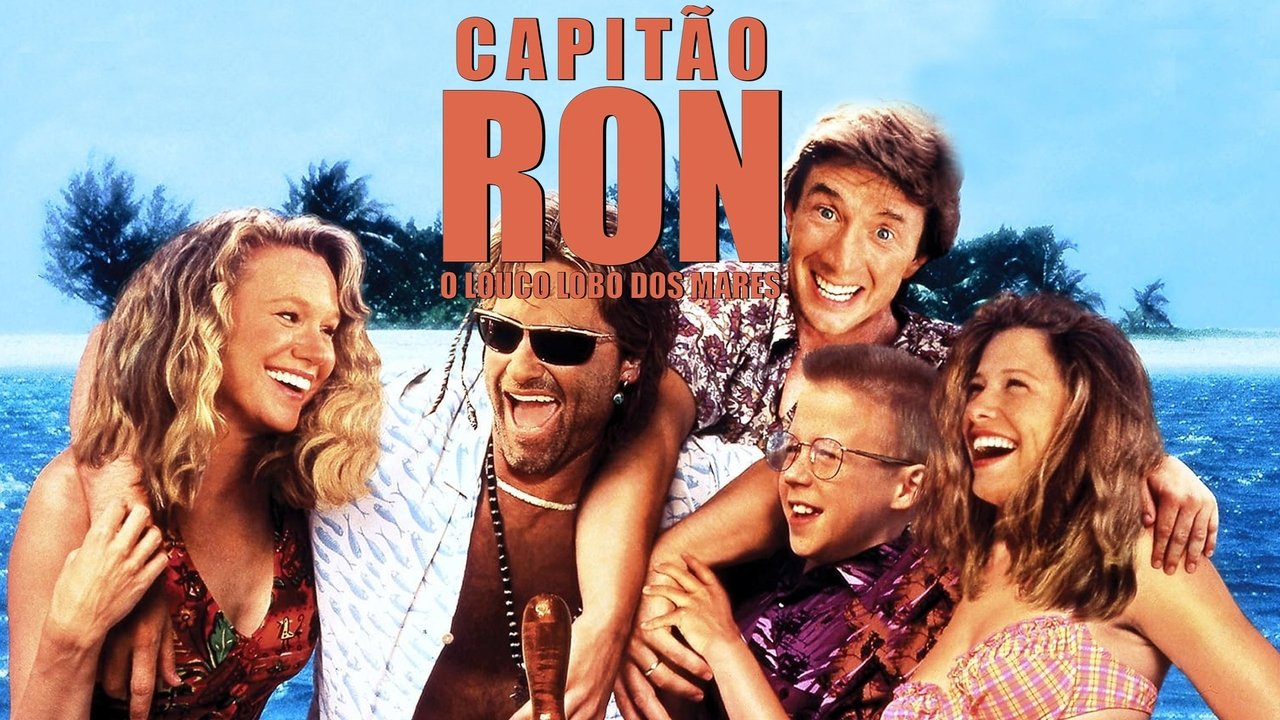
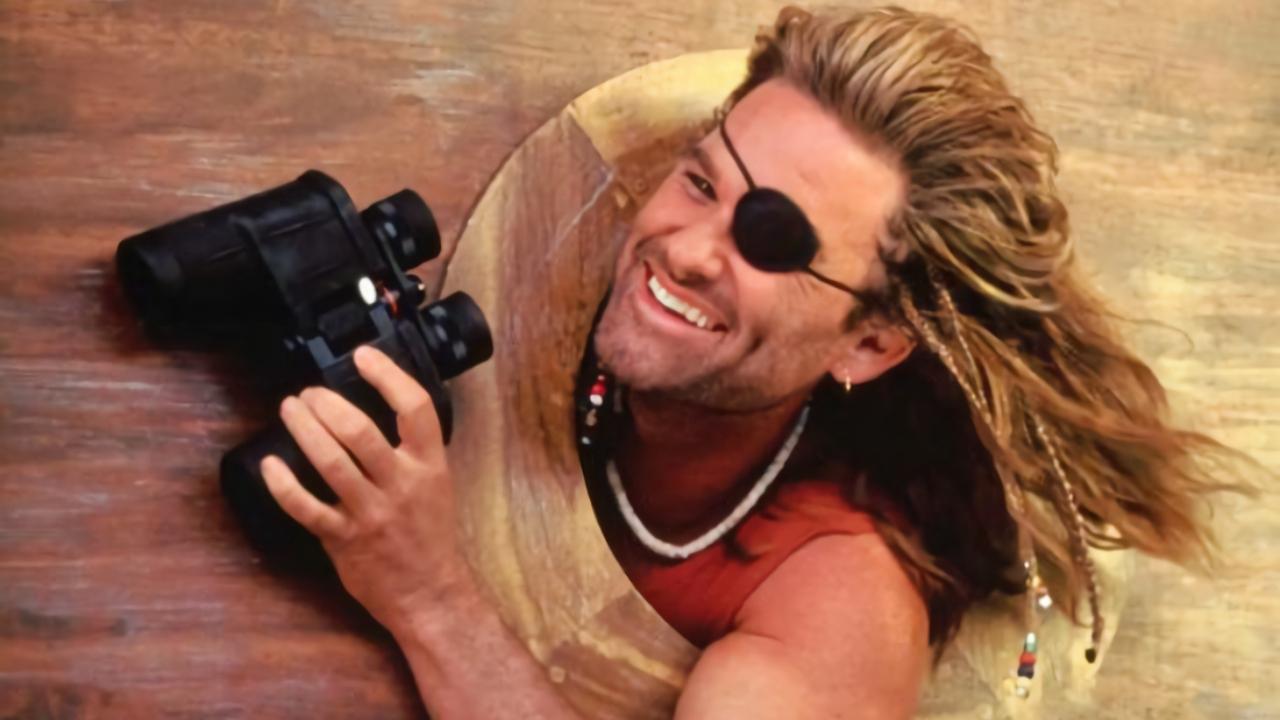
Alright, fellow tapeheads, let's set sail back to 1992. Remember browsing the comedy section at Blockbuster, maybe bypassing the obvious big hitters, and landing on a cover featuring a grinning, eye-patched Kurt Russell looking like he just stepped off Jimmy Buffett's boat after a three-day bender? That, my friends, was your ticket to Captain Ron, a movie that drifted into theaters with little fanfare but found its true anchorage in the comfy harbors of VHS rentals and cable TV reruns.
### The Unexpected Voyage
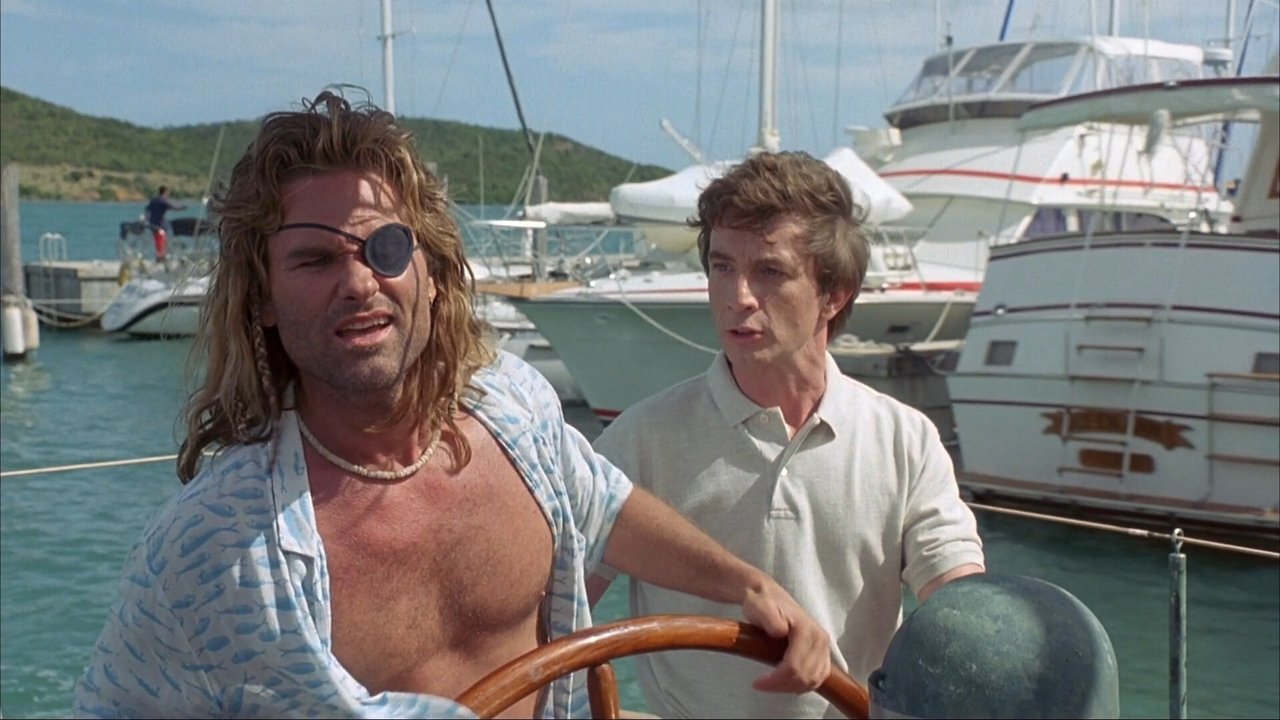
The setup is pure early 90s wish-fulfillment mixed with yuppie anxiety. Martin Harvey (Martin Short), a stressed-out Chicago family man, inherits a vintage yacht, the 'Wanderer,' previously owned by Clark Gable, no less! Seeing a chance to escape the mundane and bring his family closer, he decides to sail it from a fictional Caribbean island back to Miami. The catch? He knows absolutely nothing about sailing. Enter the titular Captain Ron – eyepatch, questionable naval attire, perpetually relaxed demeanor, and a philosophy that seems to hover somewhere between "no worries" and "mildly dangerous incompetence."
What makes Captain Ron float isn't some intricate plot, but the sheer comedic friction between the uptight, by-the-book Martin and the free-wheeling, possibly unqualified Captain Ron. Martin Short is pitch-perfect as the perpetually flustered Harvey, a man whose meticulous planning is instantly torpedoed by Ron's chaotic energy. Short’s physical comedy and exasperated reactions are a masterclass in playing the straight man to Russell’s force of nature.

### Kurt Russell Steals the Show (and Maybe Your Wallet)
Let's be honest, the movie belongs to Kurt Russell. Fresh off more intense roles like Backdraft (1991), Russell dives headfirst into this comedic persona with infectious glee. His Captain Ron is charmingly irresponsible, a laid-back rogue who seems to operate on instinct, luck, and cheap beer. Did you know Russell, an experienced sailor himself, reportedly drew inspiration for Ron's unique swagger and speech patterns from boatyard characters he'd encountered? It shows. He inhabits this role, making Ron simultaneously frustrating and undeniably magnetic. You wouldn't trust him with your car keys, let alone your family on the open ocean, but you can't help but like the guy. His casual disregard for danger ("If anything's gonna happen, it's gonna happen out there!") becomes the film's running mantra and source of much of its humor.
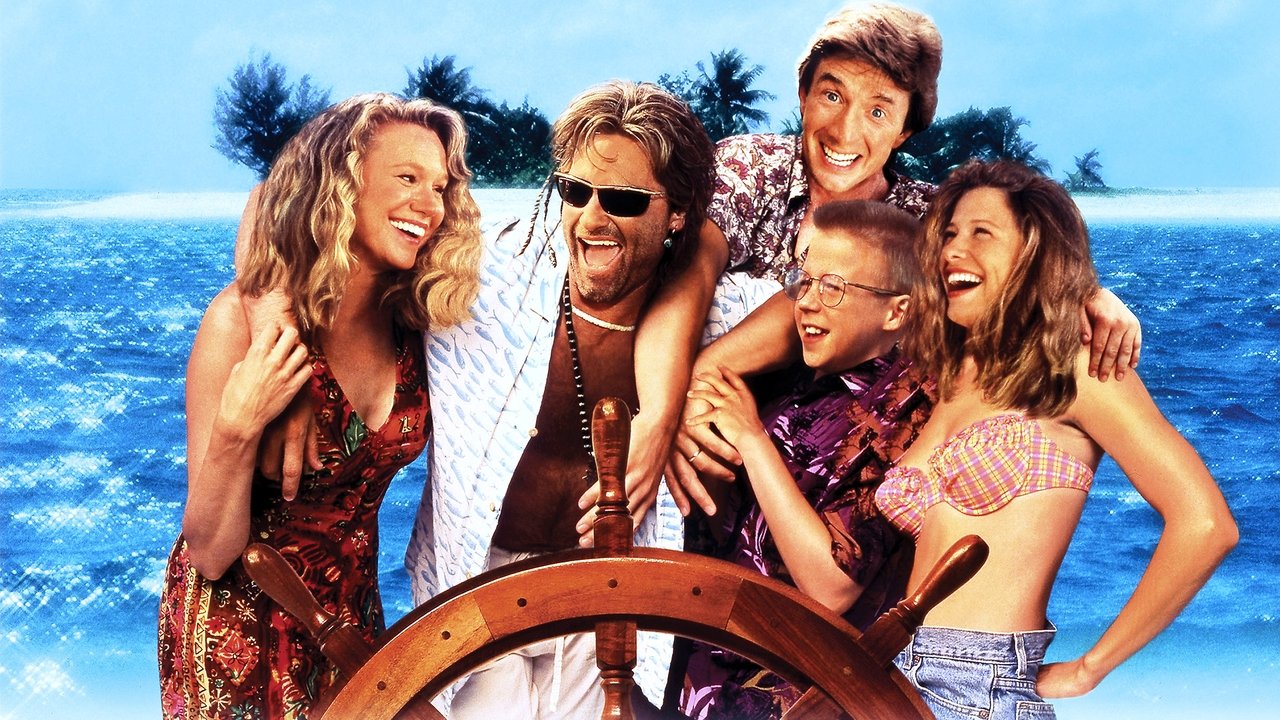
Rounding out the core cast is the ever-reliable Mary Kay Place as Katherine Harvey, Martin's wife. She gets less overtly comedic material but provides a necessary grounding presence, initially charmed by Ron's charisma before gradually realizing the potential peril. The kids, Caroline (a young Meadow Sisto) and Ben (Benjamin Salisbury, later known from The Nanny), react to Ron with a mixture of fascination and youthful acceptance, often siding with his fun-loving approach over their dad's nervous energy.
### Island Hopping and Low-Stakes Danger
Directed by Thom Eberhardt, who gave us the cult classic Night of the Comet (1984) – talk about a genre shift! – Captain Ron leans into its picturesque Caribbean setting (mostly filmed in Puerto Rico). The "action" here isn't about fiery explosions, but the more relatable chaos of novice sailing, navigating sketchy ports, and encountering low-rent guerrillas and "pirates" (who seem more interested in stealing their dinghy than anything else). The film captures that slightly sun-drenched, worn-around-the-edges feel of island life, a perfect backdrop for the Harveys' misadventures.
Remember the scene where they navigate through the storm? While not a CGI spectacle, there's a tangible sense of being tossed around on that boat. It feels like they were really out there, dealing with the elements, which adds a layer of grounded reality to the comedy. The Wanderer itself, leaky and dilapidated, becomes a key part of the story. Fun fact: Apparently, multiple yachts were used during filming to portray the Wanderer in its various states of disrepair and eventual (relative) glory.
The film didn't exactly break the bank upon release, pulling in around $22.5 million domestically against a reported $24 million budget. Critics were lukewarm. But Captain Ron found its true audience later, becoming a staple on home video. Why? Probably because it's the ultimate cinematic comfort food. It's an easy-going, escapist fantasy about shedding responsibility (even if just vicariously through Ron) and embracing a little chaos. It taps into that dream of chucking it all and sailing away, albeit with a slightly more hazardous guide than one might hope for.
### Smooth Sailing or Rough Seas?
Captain Ron isn't high art. The plot is predictable, and some of the gags feel very much of their time. But its charm is undeniable, largely thanks to Kurt Russell's iconic performance and his fantastic chemistry with Martin Short. It's a film that doesn't demand much from the viewer beyond a willingness to go along for the ride, bumps and all.
Rating: 7/10
Justification: While the plot is flimsy and predictable, the movie sails smoothly on the charisma of Kurt Russell and the comedic foil provided by Martin Short. The laid-back vibe, picturesque locations, and genuine laughs make it highly rewatchable. It’s a perfect example of a film that found its true appreciation not in theaters, but on countless worn-out VHS tapes, becoming a low-key cult favorite.
Final Thought: Captain Ron is like that old, comfy Hawaiian shirt you still wear – maybe a little faded, definitely not high fashion, but it always brings a smile and reminds you of easier, sunnier days. Sometimes, you just need a movie where the biggest lesson is: "Hey, relax, boss. We'll get there... eventually."