Alright, fellow tapeheads, dim the lights, adjust the tracking if you need to (remember that little ritual?), and let's talk about a film that likely scarred, amazed, and maybe even caused uncontrollable laughter from anyone who stumbled upon its lurid box art in the 'Action' aisle back in the day. I’m talking about the jaw-dropping, gut-punching, utterly bonkers Hong Kong masterpiece of mayhem: Riki-Oh: The Story of Ricky (1991). If you caught this late at night on a fuzzy broadcast or managed to snag a well-worn VHS copy, you witnessed something truly unforgettable.

### Beyond Over-the-Top
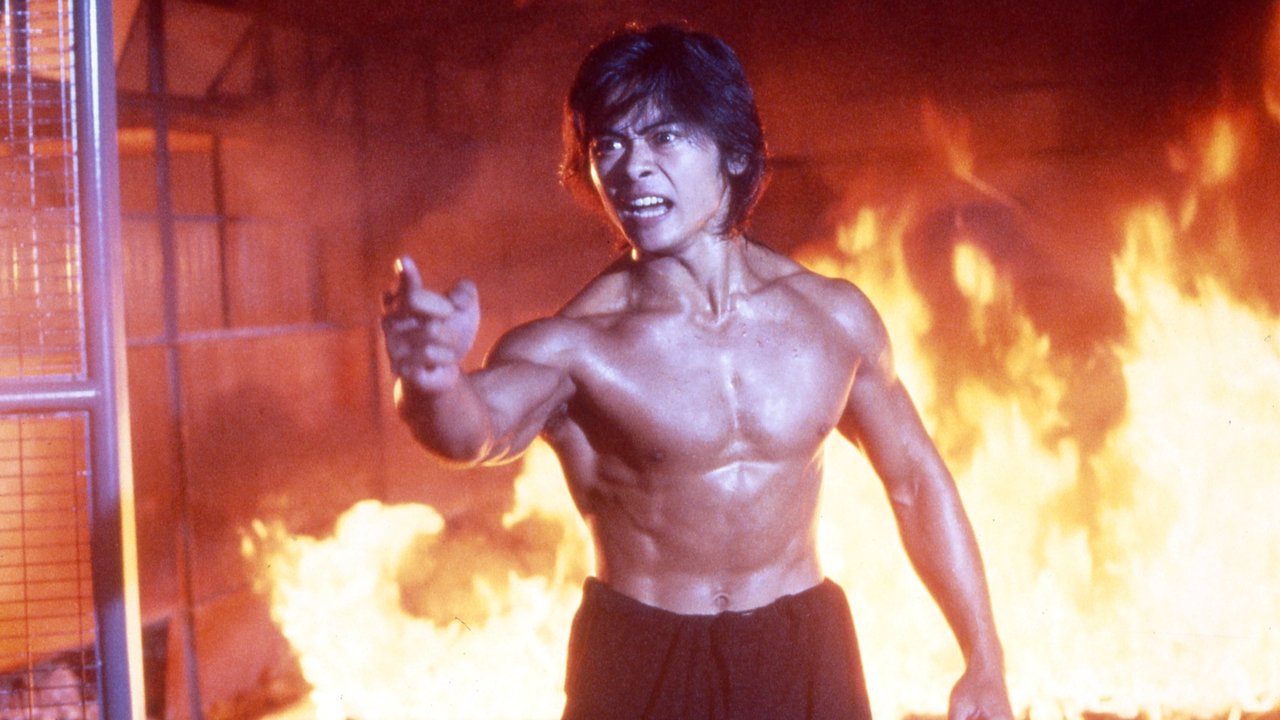
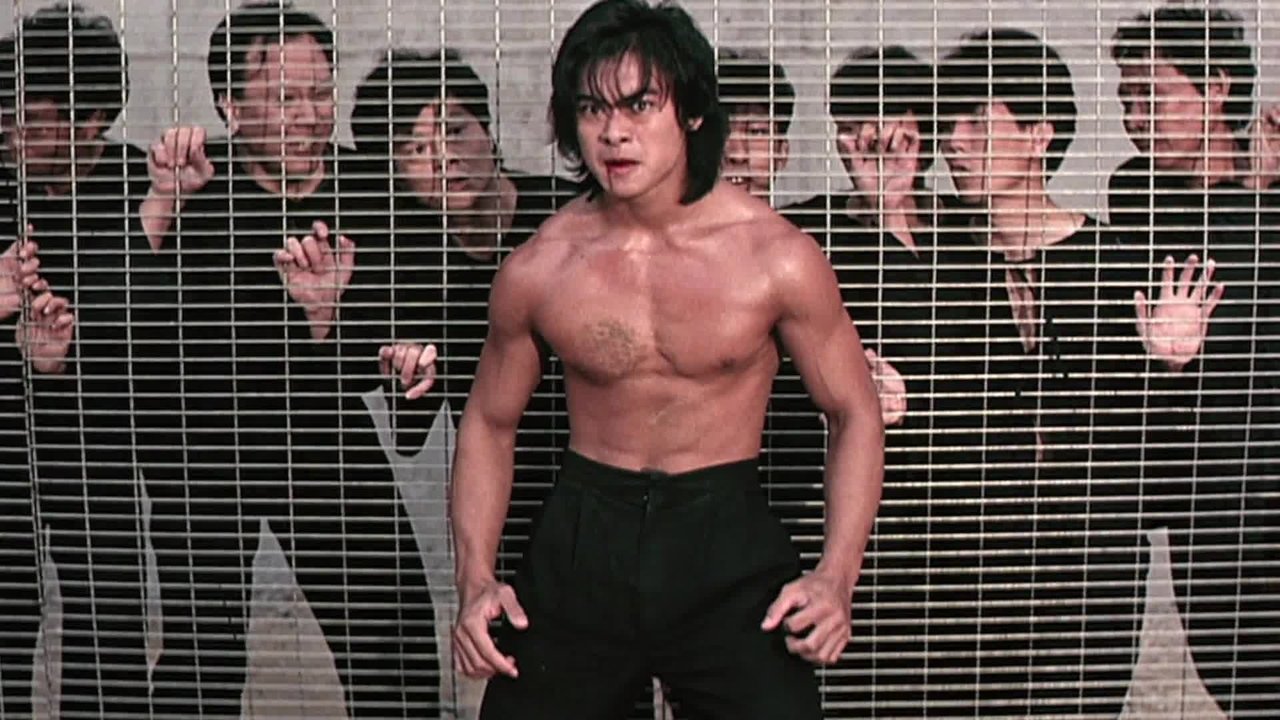
Forget subtlety. Forget realism as you know it. Riki-Oh isn't just violent; it's a live-action cartoon painted in arterial spray and bone fragments. Based on a Japanese manga (Riki-Oh by Masahiko Takajo and Tetsuya Saruwatari), the film transplants the story to a dystopian near-future (well, 2001, as imagined in '91) where prisons are privatized hellholes. Our titular hero, Ricky Ho (Fan Siu-wong), arrives incarcerated for manslaughter (avenging his girlfriend, naturally) and possesses superhuman strength and martial arts skills. What follows is less a prison drama and more a series of increasingly absurd, hyper-violent confrontations as Ricky dismantles the corrupt system from the inside out, one exploded torso at a time.
Director Lam Ngai Kai, who also helmed other genre oddities like the gooey sci-fi horror The Cat (1992), clearly understood the assignment: translate the manga's extreme panels to screen with zero compromise. And boy, did he deliver. This wasn't the slick, wire-fu choreography gaining popularity elsewhere; this was brutal, visceral, and proudly, outrageously fake.
### A Symphony of Splatter
Let’s talk about those effects, because that's the heart of the Riki-Oh experience. In an era just before CGI started smoothing over the rough edges (and often, the impact), this film is a glorious testament to practical gore. We're talking full-on latex-and-corn-syrup artistry. Remember how real those punches felt when they literally went through somebody? When Ricky ties his own severed tendons back together with his teeth? When a villain tries to strangle Ricky with his own intestines? It’s insane, and viewed today, it’s often hilariously unbelievable, yet there’s a tactile quality, a commitment to the physical gag, that modern digital effects rarely capture. You see the squibs, the prosthetics, the sheer effort involved. There's a certain charm, a B-movie ingenuity, to seeing a head crushed like a watermelon or a body punched clear through. It was shocking then, and it remains shockingly inventive now.
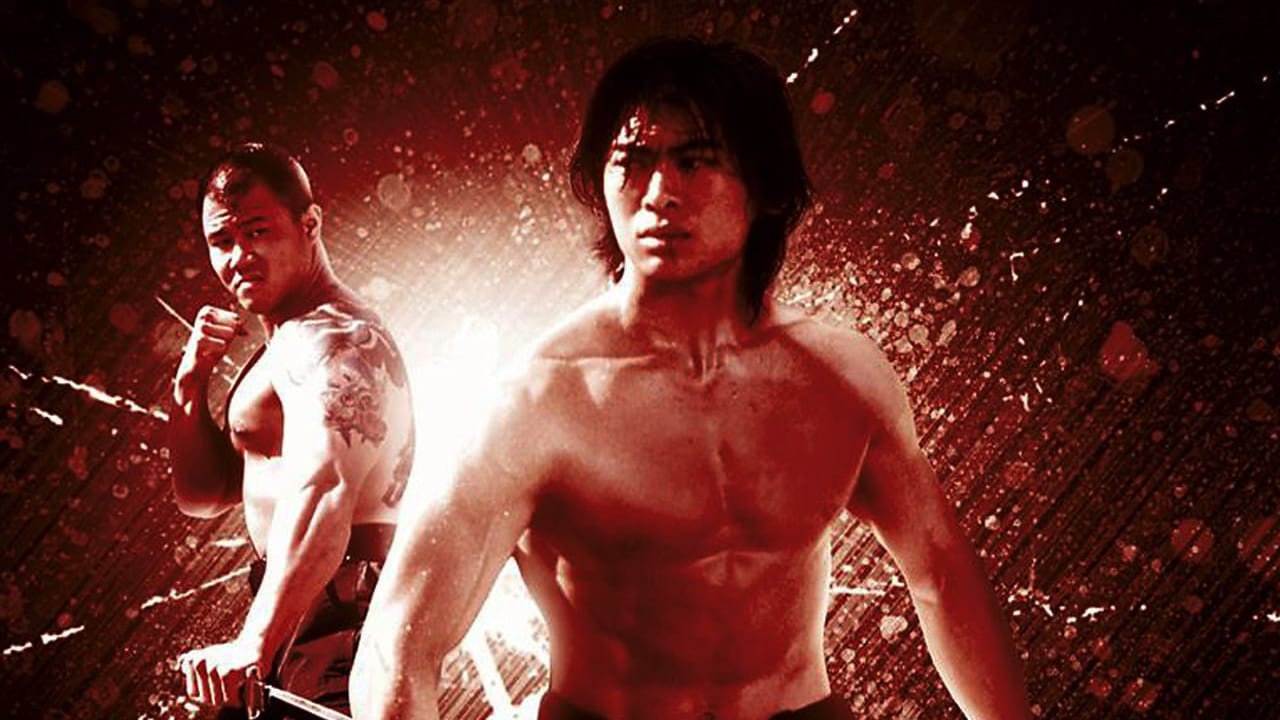
Fan Siu-wong, only about 18 during filming, is a magnetic presence. He brings a stoic intensity to Ricky, making the character’s righteous fury believable amidst the carnage. His genuine martial arts prowess grounds the action, even when the results defy physics. And here’s a great bit of retro fun fact: the actor playing the sadistic, one-eyed Assistant Warden, Fan Mei-sheng, is actually Fan Siu-wong’s real-life father! Talk about awkward family dinners after a day of filming eye-gougings and disembowelments. Their on-screen animosity gains an extra layer knowing their actual relationship.
### Cult Status Earned the Hard Way
Riki-Oh wasn't exactly a mainstream hit upon release. Its extreme content made it a tough sell for wider audiences and likely caused headaches with censors worldwide. Its legend grew primarily through the underground channels we remember so well: bootleg VHS tapes passed between friends, late-night cable screenings, and eventually, the burgeoning internet fan communities. The notoriously cheesy English dub, with its B-movie dialogue and sometimes baffling translations, only added another layer to its cult appeal for Western audiences. It became that movie – the one you had to show people just to see their reaction.
The supporting cast, featuring Hong Kong character actor stalwarts like Ho Ka-kui as the corrupt Warden, embraces the madness. Everyone seems to understand the heightened reality they inhabit. The villains, particularly the elite "Gang of Four" prisoners who rule the cell blocks, are memorable grotesques, each meeting a suitably gruesome end. The plot is simple, almost episodic, serving mainly as connective tissue between the spectacular set pieces of violence. But who needs complex narrative when you have a man punching through concrete walls and surviving being buried alive under tons of rubble?
### Still Packing a Punch?
Watching Riki-Oh today is a unique experience. The shock value might be tempered by decades of desensitization, but the sheer audacity and creative energy remain potent. It's a product of its time – raw, unpolished, utterly fearless in its depiction of comic book violence made flesh. The low budget occasionally shows, but it rarely detracts from the spectacle; if anything, it enhances the grindhouse charm. Was it technically brilliant filmmaking? Perhaps not by conventional standards. Was it unforgettable? Absolutely.
Rating: 8/10
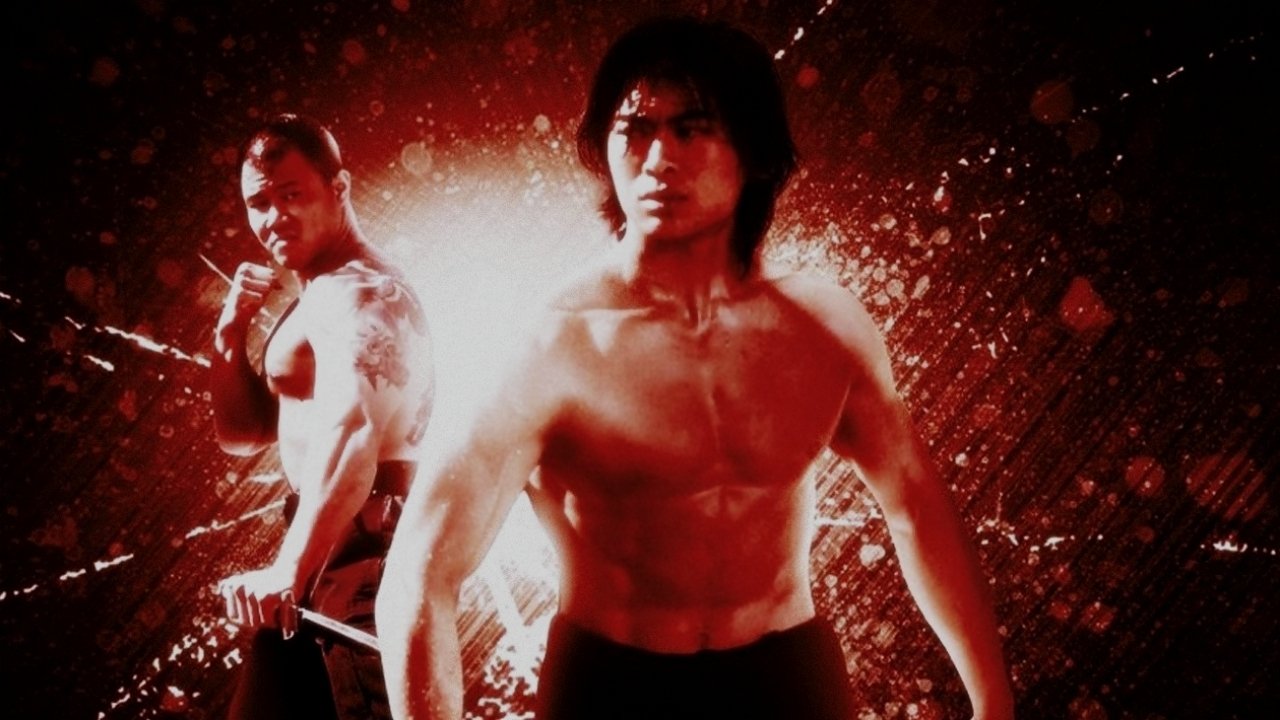
Justification: While undeniably crude and simplistic in plot, Riki-Oh achieves legendary status through its sheer, unbridled commitment to practical gore effects and hyper-violent action, delivered with infectious energy by a young Fan Siu-wong. It perfectly captures a specific, wonderfully excessive niche of Hong Kong genre filmmaking from the era. The flaws are part of the charm, making it a must-see for cult film enthusiasts.
Final Thought: Forget pristine Blu-rays for a moment; Riki-Oh feels most authentic viewed through a nostalgic haze, a glorious, gore-soaked relic from a time when practical effects artists let their freak flags fly high, aiming for maximum impact, realism be damned. It’s still ridiculously fun, if you’ve got the stomach for it.