Okay, rewind time. Picture this: It’s late, the only light is the glow from the trusty CRT television, and you’ve just popped in a tape snagged from the ‘World Cinema’ or maybe even the ‘Comedy’ section of the video store, intrigued by the goofy cover. That feeling? That’s the portal opening straight back to 1989, and specifically, to the charmingly bonkers world of Otto Waalkes in Otto – Der Außerfriesische (or Otto – The Alien from East Frisia as we might awkwardly translate it). Forget slick Hollywood sci-fi comedies; this is something else entirely – a uniquely German phenomenon wrapped in fuzzy VHS warmth.
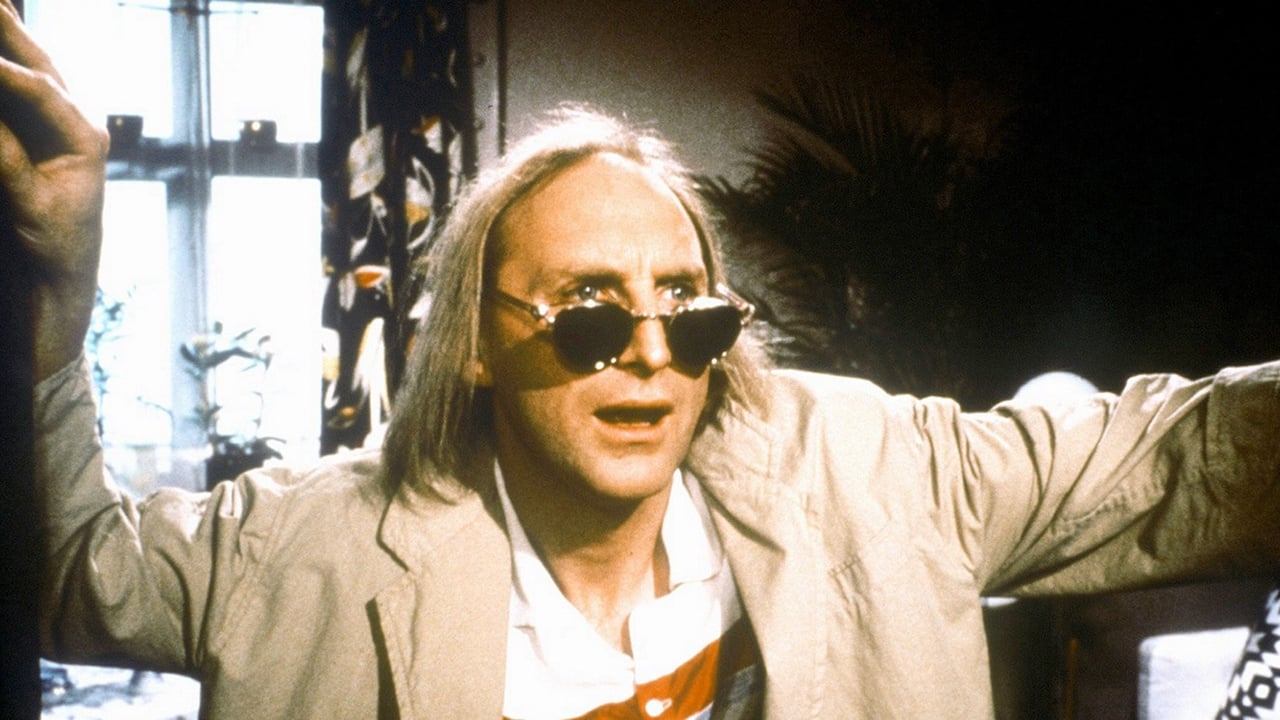
For anyone outside Germany in the 80s and 90s, Otto Waalkes might be a bit of a mystery, perhaps known only for voicing Sid the Sloth in the German dubs of Ice Age. But back home? Otto was comedy. A hurricane of frantic energy, bizarre noises, musical parodies, and puns delivered in his signature high-pitched voice, often riffing on his East Frisian roots. This film, the third in his massively popular big-screen outings, cemented his status as a national treasure. It wasn't just a movie; it was an event, drawing staggering audience numbers – reportedly over 3.6 million admissions in West Germany alone! That’s blockbuster territory, folks, driven by sheer homegrown star power.
Coastal Chaos and Cosmic Confusion
The premise is pure Otto: Our hero, also named Otto, lives a simple, eccentric life in a picturesque lighthouse on the East Frisian coast. His world is turned upside down when a UFO crash-lands nearby, depositing an alien visitor... who looks exactly like him, albeit with a penchant for glowing fingers and communicating in bleeps and bloops. Simultaneously, a dastardly corporation, personified by the sneering villain Hans Peter Hallwachs, plans to tear down the beloved coastline for a missile testing site. Can Otto, with the help of intrepid reporter Barbara (Barbara May) and his bewildering alien doppelgänger, save the day?
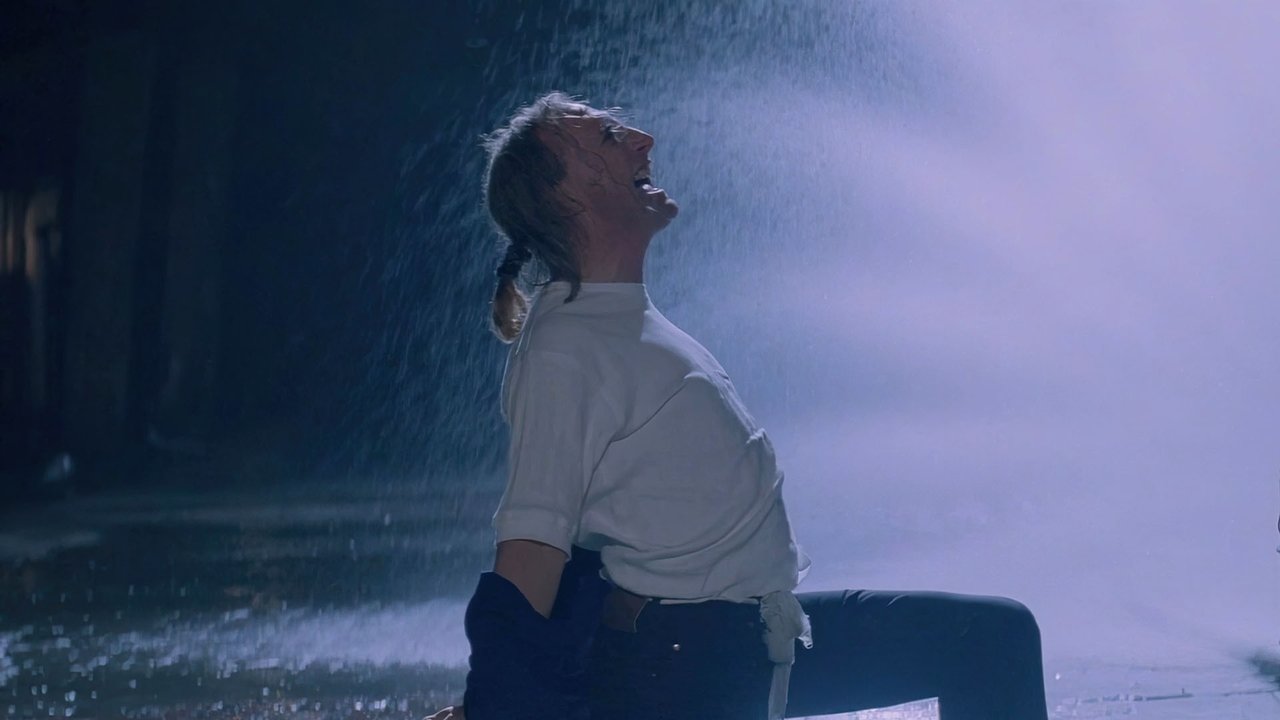
What follows isn't exactly high-concept sci-fi. It’s a whirlwind of slapstick, sight gags, sound effects comedy, and Waalkes' relentless punnery (much of which, admittedly, requires a German dictionary and a cultural guide to fully appreciate). Co-directed by Otto himself alongside Marijan David Vajda, the film embraces its star's comedic persona wholeheartedly. Forget complex character arcs; this is about setting up the next gag, the next absurd situation, the next opportunity for Otto to pull a face or launch into a bizarre impersonation.
Embracing the Lo-Fi Charm
Now, let's talk effects. Remember how the prompt mentioned practical effects in action movies? Well, Otto – Der Außerfriesische offers the comedy equivalent. Forget ILM wizardry; the UFO looks like something knocked together in a shed (affectionately, of course!), the alien's glowing finger effect is gloriously simple, and any moments requiring 'futuristic' tech feel wonderfully analogue. This wasn't a film trying to compete with E.T. or Close Encounters on a technical level. Its strength lay in its star and its specific brand of humour. That lo-fi quality, viewed today, is part of its charm. It feels handmade, earnest, and refreshingly free of the sometimes-sterile perfection of modern CGI. It’s the comedy equivalent of a garage band hitting it big – raw, energetic, and undeniably catchy, even if a few notes are off-key.
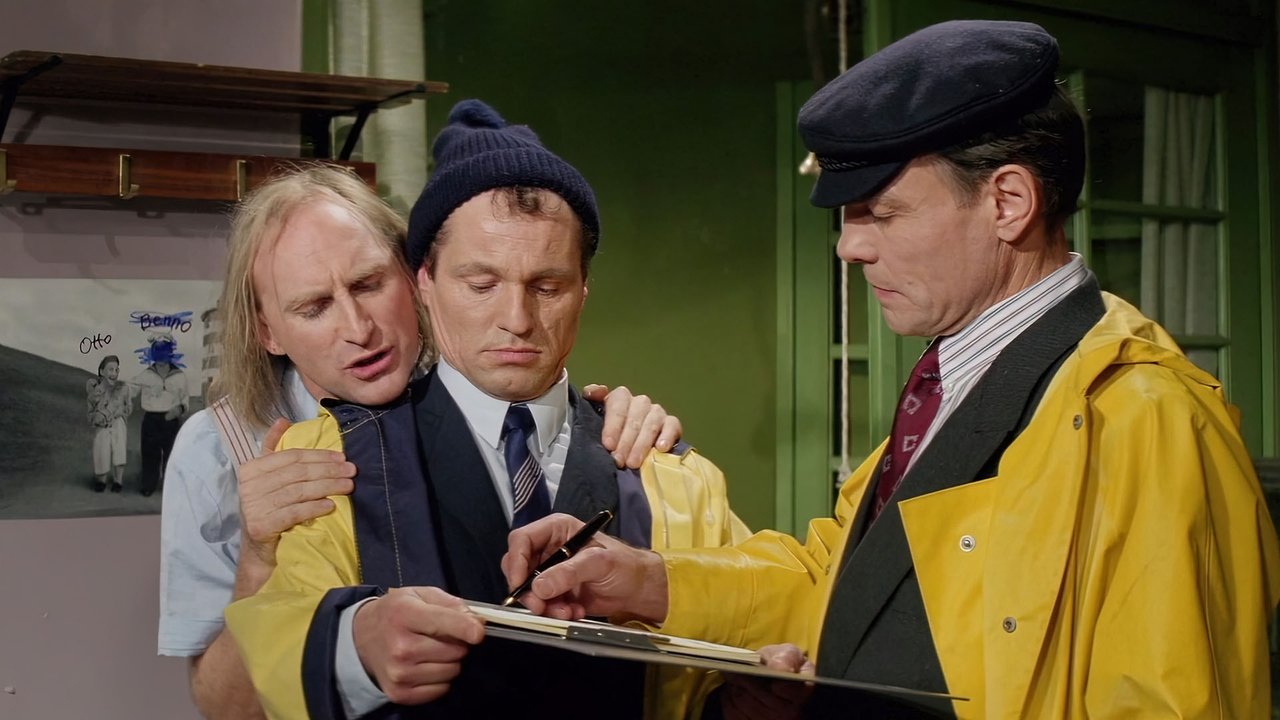
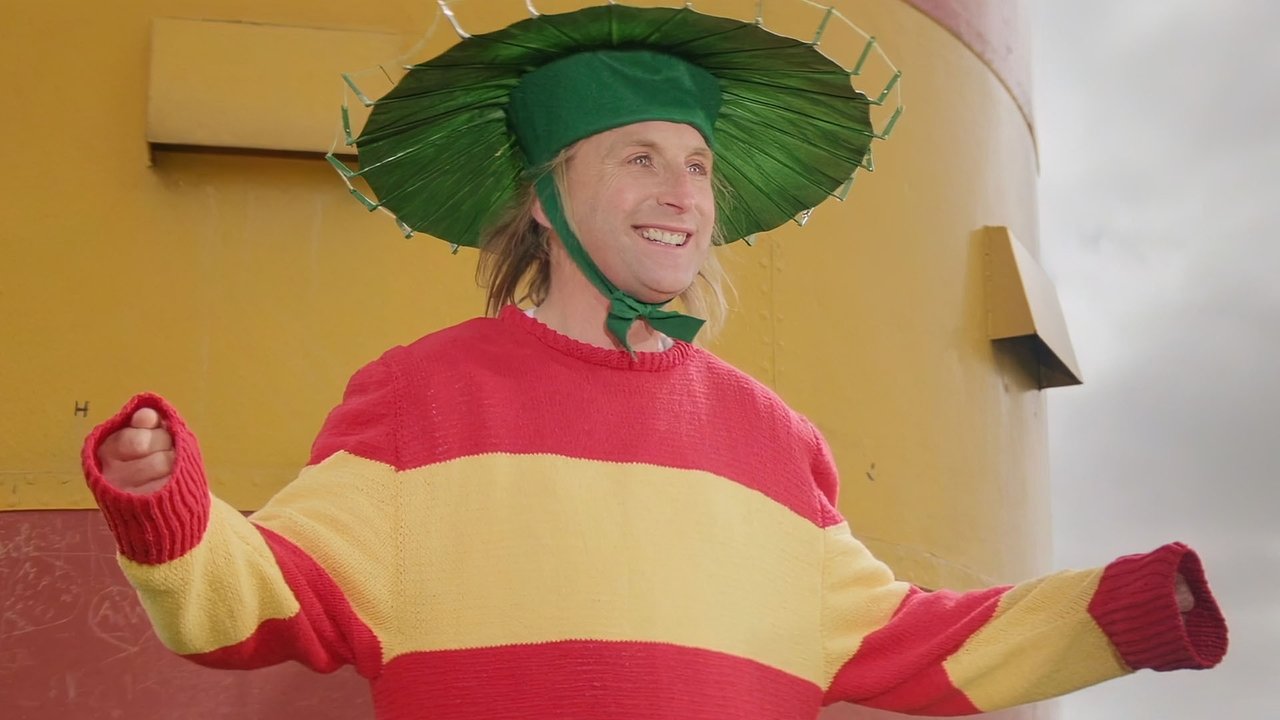
A key piece of trivia often tied to this film is its prominent use of the Pilsum Lighthouse. That cheerful yellow-and-red striped structure became almost synonymous with Otto thanks to its starring role here, becoming a real-life tourist landmark. It’s a perfect example of how the film embedded itself in German pop culture. The location shooting in East Frisia grounds the absurdity, giving it a distinct sense of place that contrasts brilliantly with the arrival of the extraterrestrial visitor.
Is It Still Funny?
Watching Otto – Der Außerfriesische now is an interesting experience. The pacing can feel frantic, almost like a series of sketches stitched together. Some jokes definitely land better if you understand the German cultural context or the specific songs being parodied. Yet, there's an infectious silliness that transcends language barriers. Otto's physical comedy, his sheer commitment to the absurd, and the film's overall good-natured spirit still raise a smile. It’s a fascinating time capsule of late 80s European comedy, far removed from the Hollywood mainstream. You might not find yourself quoting lines endlessly (unless you’re German!), but you’ll likely appreciate its unpretentious, slightly anarchic energy. It’s the kind of film you’d have happily watched on a rainy Saturday afternoon after finding it lurking on the rental shelves, a strange and goofy detour from the usual fare.
Rating: 6/10
The rating reflects its massive historical significance in Germany and its undeniable, if specific, comedic charm. It’s a must-see for students of German pop culture or fans of uniquely regional comedy. However, its reliance on wordplay that doesn't translate well and its sometimes dated sketch-comedy structure mean it might not connect as strongly with a broader international audience today purely on comedic merit. The nostalgia factor and Otto's sheer force-of-personality carry it a long way, though.
Final Thought: Forget slick alien invasions; Otto – Der Außerfriesische is proof that sometimes, all you need for intergalactic comedy gold is a German megastar, a picturesque lighthouse, and a charmingly low-tech approach that feels perfectly at home on a well-loved VHS tape.