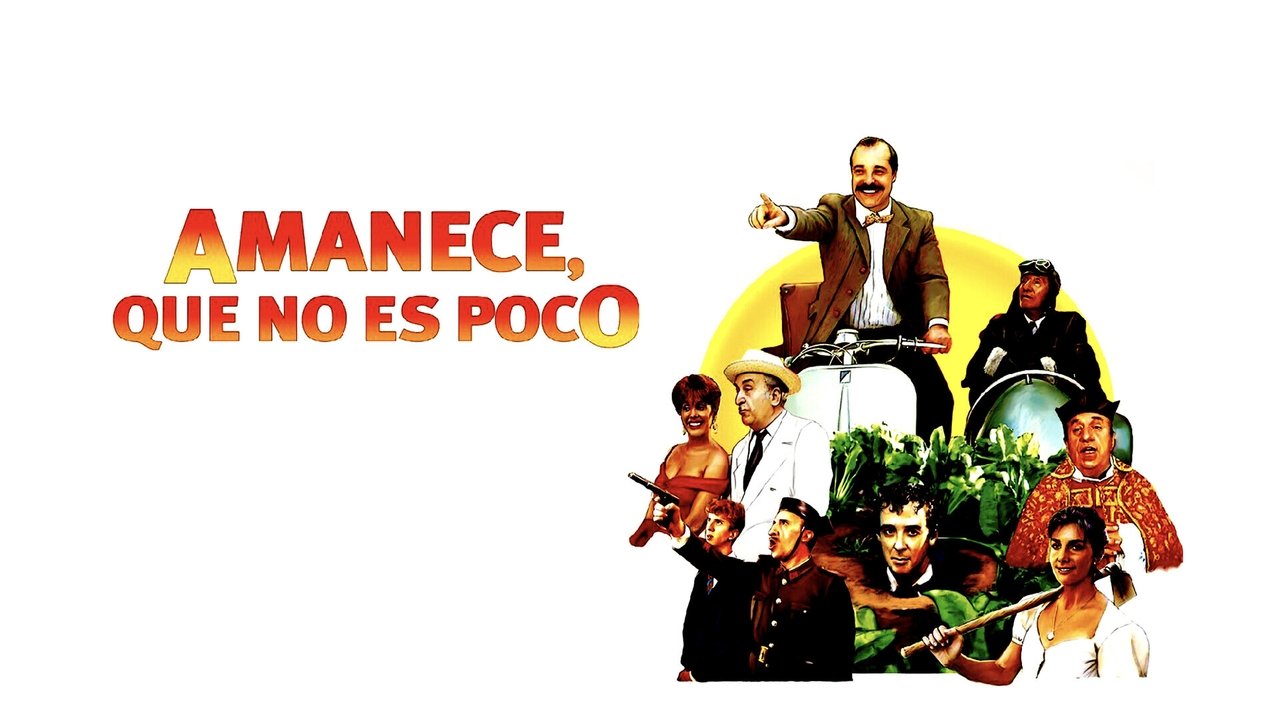
Alright, settle in, pop that tape in the VCR (metaphorically speaking, of course), and prepare for something… different. Tonight on VHS Heaven, we're diving headfirst into the glorious, sun-drenched absurdity of José Luis Cuerda's 1989 masterpiece of surrealism, Amanece, que no es poco (roughly translated, and wonderfully understatedly, as "Dawn Breaks, Which Is No Small Thing"). If your late-night rental excursions ever unearthed bizarre foreign language comedies that left you scratching your head and grinning like an idiot, this one feels like the holy grail.
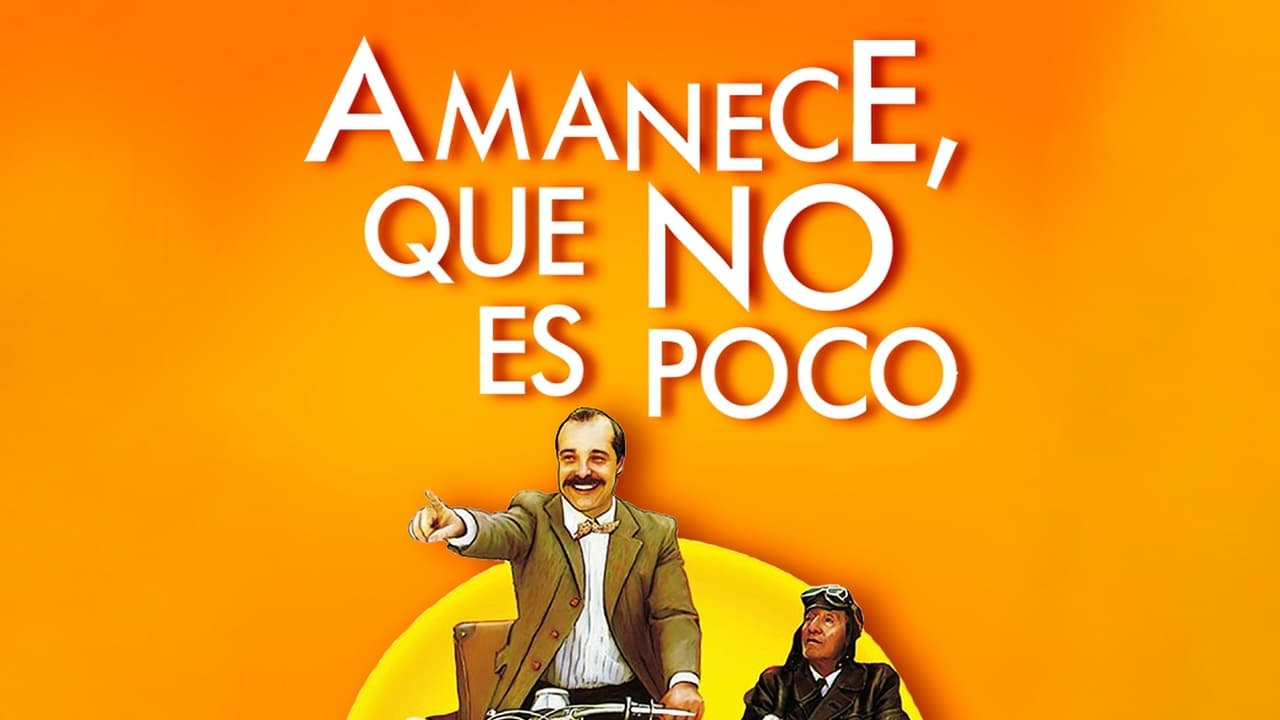
Forget your standard Hollywood fare. This isn't about car chases or explosions (though arguably, the sheer explosion of weirdness here is just as impactful). Instead, Cuerda invites us to a remote village in the mountains of Spain, a place seemingly operating on its own unique, baffling logic. It’s here that Teodoro (Antonio Resines), an engineer working in the US, arrives for a sabbatical year with his father, Norman (Manuel Alexandre). What they find isn't rustic tranquility, but a community brimming with utterly peculiar characters and events treated with deadpan normalcy.
Welcome to the Twilight Zone, Spanish Style
The genius of Amanece, que no es poco lies in its complete commitment to the bit. Cuerda, who also penned the brilliantly bonkers script, doesn't just dip a toe into surrealism; he plunges the whole village into it. We encounter men spontaneously sprouting in fields like crops, annual elections for the position of village idiot, Guardia Civil officers discussing Faulkner with existential weight, communal levitations considered a perfectly reasonable pastime, and blasphemy treated with the casualness of discussing the weather. Remember the feeling of watching something utterly unpredictable unfold on that slightly fuzzy CRT screen? This film is that feeling, distilled and amplified.
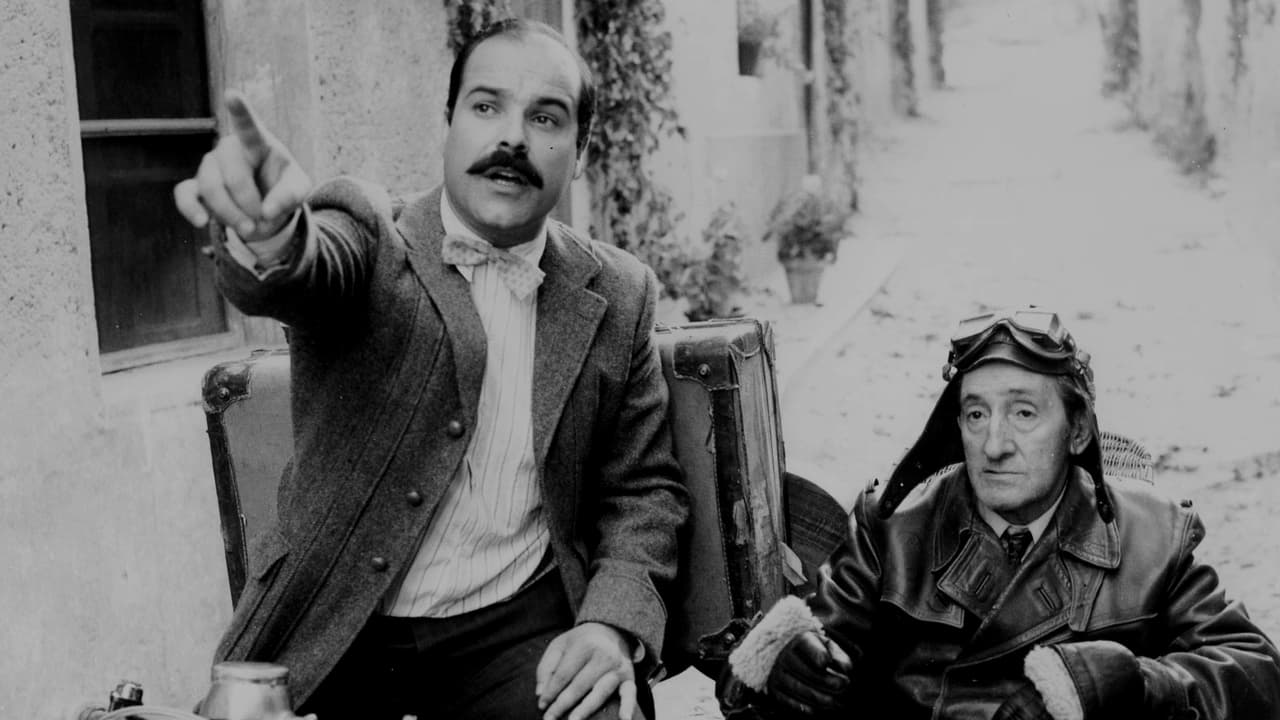
The ensemble cast is a veritable who's who of beloved Spanish character actors, each delivering lines dripping with philosophical absurdity as if ordering coffee. José Sazatornil, affectionately known as "Saza," is unforgettable as the Guardia Civil corporal, dispensing profound literary criticism between mundane duties. Manuel Alexandre as the bewildered father grounds the audience, reacting (mostly) as any outsider would to the escalating strangeness. And Antonio Resines, a staple of Spanish cinema often seen in comedies like Ópera prima (1980) or later hits, plays the slightly-less-bewildered son with perfect comedic timing. It’s a masterclass in deadpan delivery across the board.
Made with Love (and Likely Confusion)
Finding concrete "making of" details for some of these international cult gems can be like hunting for treasure, but Amanece has its share of lore. Filmed predominantly in the stunning, real-life villages of Ayna, Liétor, and Molinicos in the province of Albacete, the setting itself becomes a character – beautiful, isolated, and entirely believable as a place where anything could happen. Cuerda reportedly spent years refining the script, letting the bizarre ideas percolate. You can feel that obsessive, loving craft in every strange exchange. It wasn't a film born from studio notes; it feels like a singular, undiluted vision sprung directly from Cuerda’s wonderfully weird mind. He’d already shown a penchant for blending rural life with fantasy in El bosque animado (1987), but Amanece took it to a whole new level.
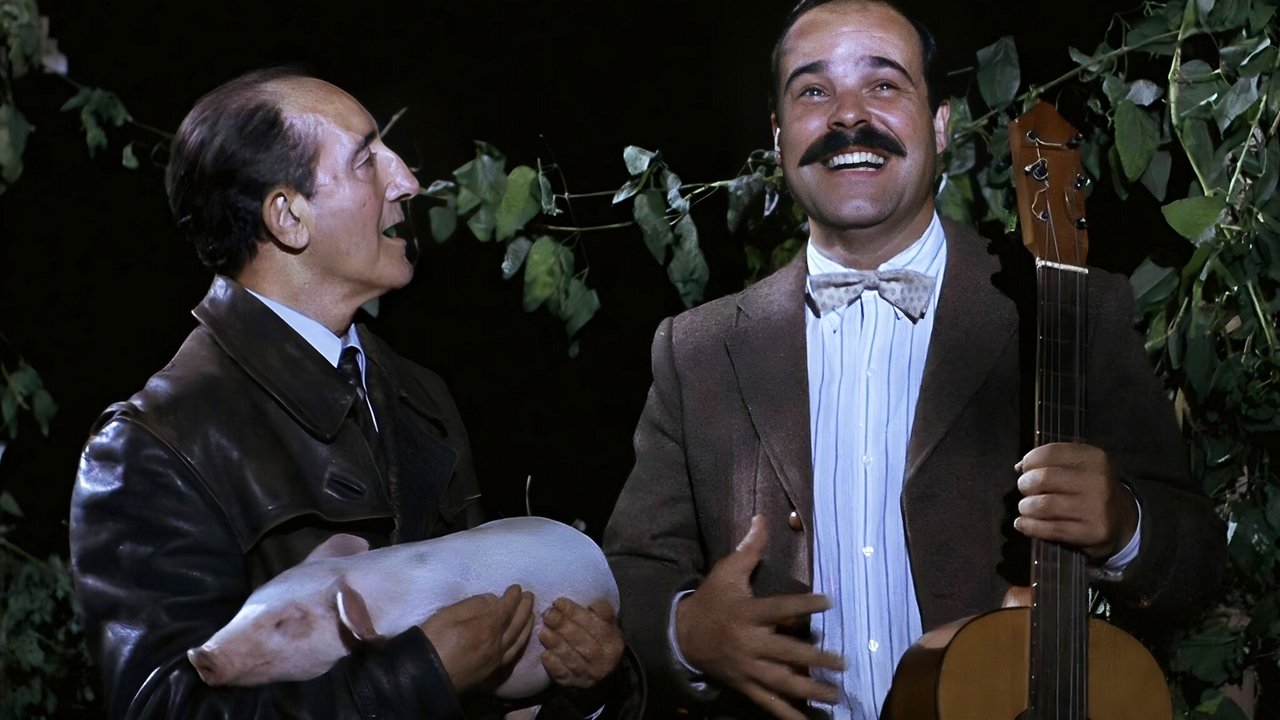
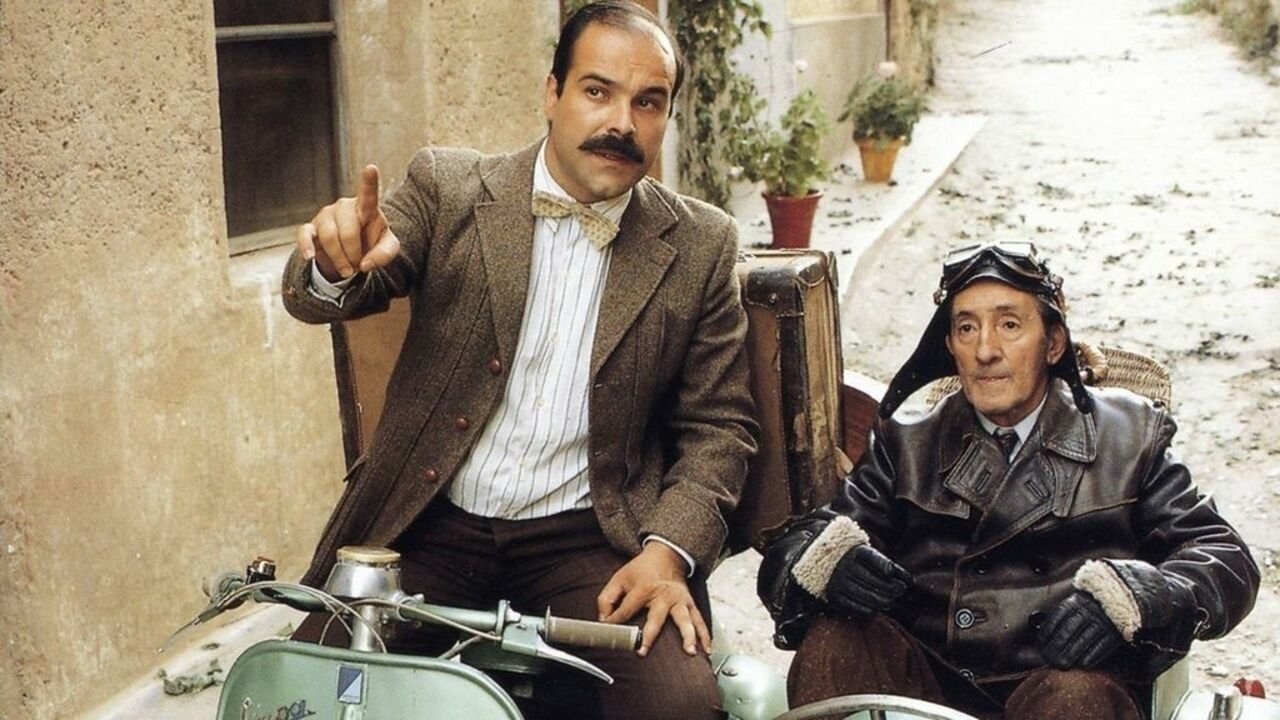
Interestingly, while it’s now considered a cornerstone of Spanish cult cinema, its initial reception back in '89 was somewhat muted. It wasn't a box office flop, pulling in decent numbers for a Spanish film of its type, but its legendary status grew slowly, primarily through word-of-mouth, television screenings, and yes, those cherished VHS tapes passed between friends. It became a film you had to tell people about, trying (and likely failing) to adequately describe just how funny and strange it was. The quotability is off the charts – in Spain, lines from Amanece are practically cultural shorthand.
Beyond Logic, Beyond Laughs
What makes Amanece, que no es poco resonate beyond the initial shock of its weirdness? It's Cuerda’s affectionate skewering of tradition, religion, intellectualism, and the very fabric of rural Spanish life. There’s a satirical bite beneath the absurdity, but it’s never mean-spirited. It feels more like a loving, albeit bizarre, portrait of a community embracing its own unique reality. The lack of a conventional plot is entirely the point; it’s about soaking in the atmosphere, enjoying the vignettes, and marveling at the philosophical gymnastics performed by characters who accept the impossible as everyday.
Watching it now, the pacing might feel different from today's rapid-fire comedies, but its unique rhythm is part of the charm. It lets the jokes land, the strangeness sink in. It’s the kind of film that rewards rewatching, revealing new layers of subtle humor or philosophical absurdity you missed the first time around.
VHS Heaven Rating: 9/10
Justification: Amanece, que no es poco isn't just a comedy; it's an experience. Its unwavering commitment to its surreal premise, the brilliant ensemble cast, and Cuerda's unique voice make it a landmark of Spanish cinema and a cult classic par excellence. It loses perhaps a single point only because its extreme peculiarity might not connect with absolutely everyone, but for fans of the bizarre, the philosophical, and the hilariously unexpected, it's practically perfect. It’s the epitome of a hidden gem you’d excitedly discover at the back of the rental store.
Final Thought: Forget plot, embrace the sublime weirdness – this is the kind of brilliantly bonkers filmmaking that the VHS era seemed uniquely capable of celebrating. Still utterly essential viewing for anyone whose funny bone appreciates a good existential head-scratcher.