Alright, fellow tapeheads, let’s rewind to a time when getting your driver’s license felt like acquiring the keys to the entire kingdom. Pop that worn copy of License to Drive (1988) into the VCR, adjust the tracking just so, and settle in. This isn't high art, folks, but nestled somewhere between the synth-pop soundtrack and the questionable fashion choices lies a pure, unadulterated blast of late-80s teen wish fulfillment, anchored by the decade's most dynamic duo: The Two Coreys.
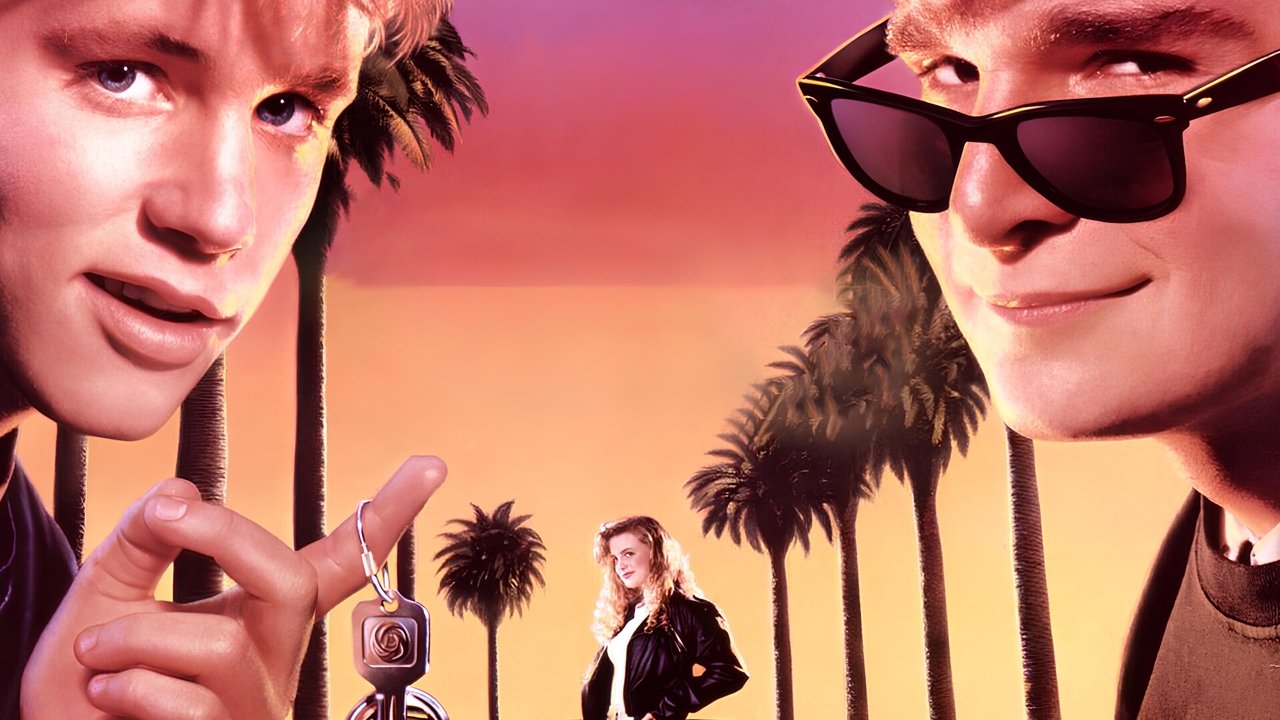
The premise is gloriously simple, tapping right into that primal teenage urge. Les Anderson (Corey Haim), a sweet but slightly hapless teen, sees his driver's license as the ultimate ticket – not just to freedom, but to a date with the impossibly cool Mercedes Lane (Heather Graham in one of her earliest, most radiant roles). He aces the written test, visualizing himself cruising with confidence, only to spectacularly flunk the driving portion in front of a memorably stern DMV examiner played by the great James Avery (yes, the Uncle Phil!). Utter devastation. But when Mercedes calls him for a date that very night, what’s a desperate teenager to do?
### The Caddy, The Chaos, The Coreys
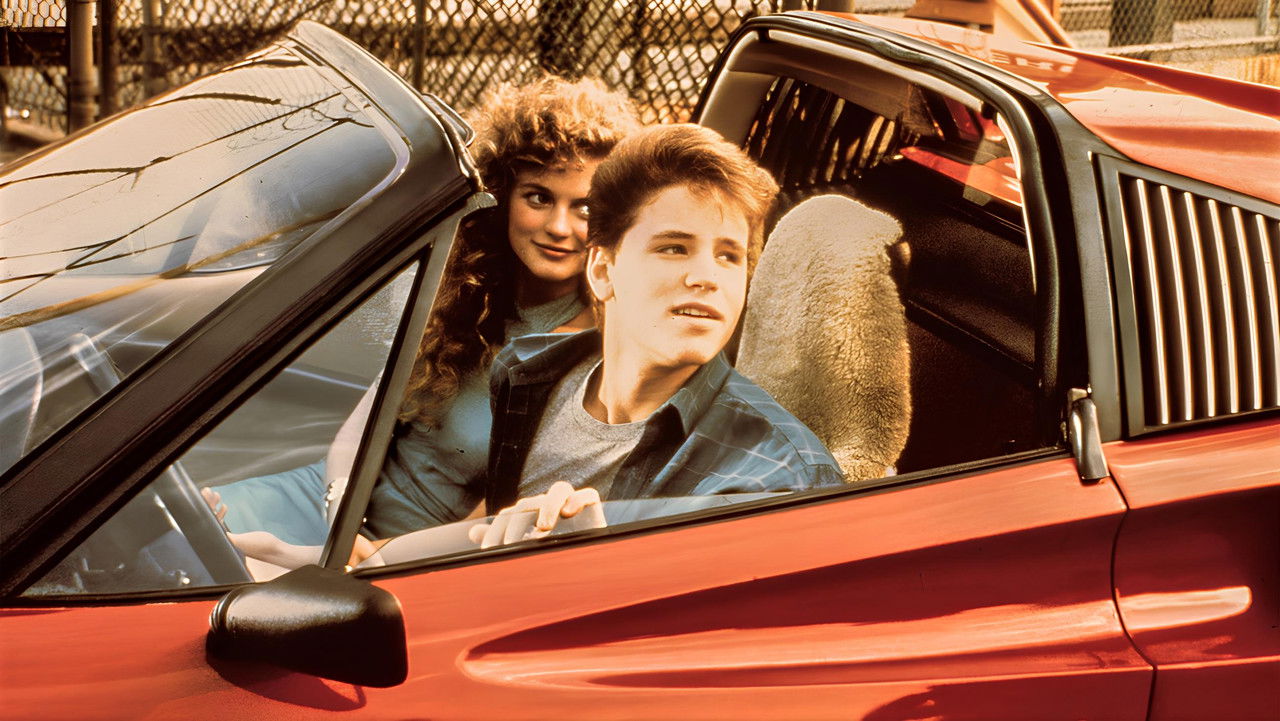
Thus begins a night of escalating suburban chaos, centered around Les "borrowing" his grandfather's pristine, enormous 1972 Cadillac Sedan DeVille – a car that becomes less a vehicle and more a rolling disaster zone. This is where the film truly finds its groove, thanks largely to the undeniable chemistry between Corey Haim and Corey Feldman. Fresh off their iconic pairing in The Lost Boys (1987), they slip effortlessly back into their respective roles: Haim as the earnest, increasingly panicked protagonist, and Feldman as Dean, the fast-talking, "know-it-all" best friend whose advice usually makes things ten times worse.
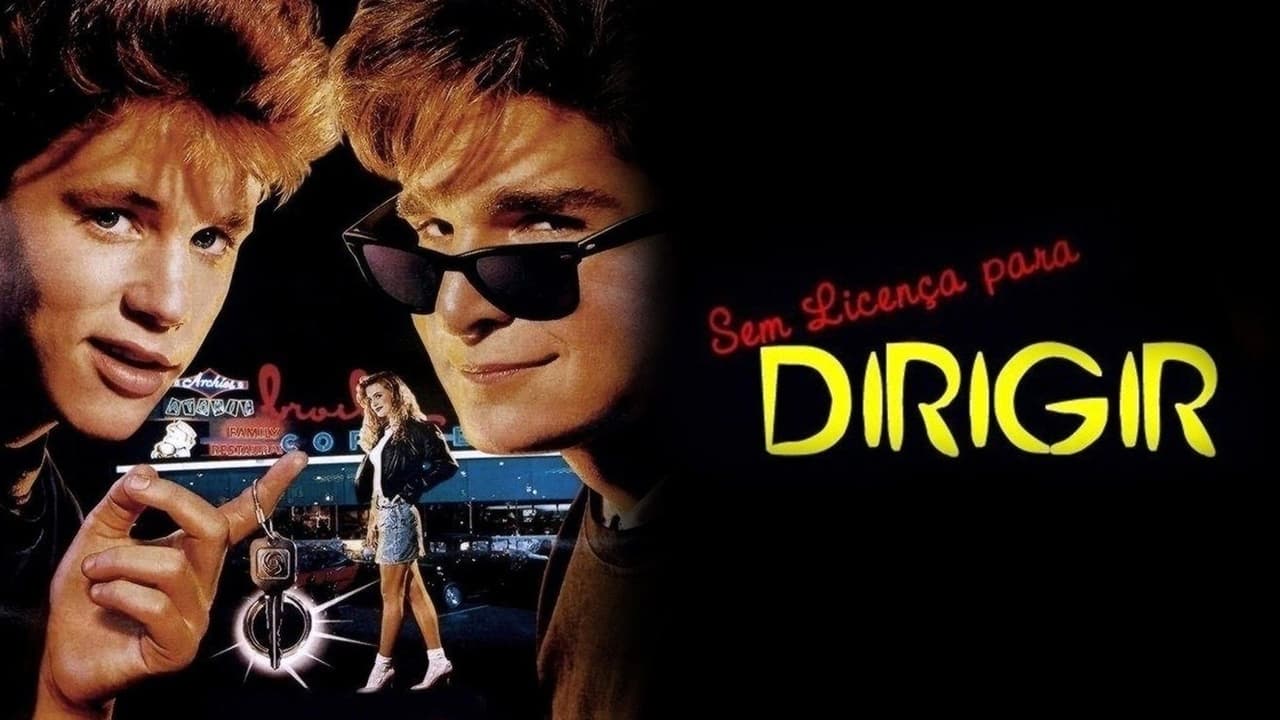
Feldman reportedly went full Method for Dean, staying in character off-camera, embodying that slightly manic, misplaced confidence that defined so many of his beloved 80s characters. It pays off; his energy bounces perfectly off Haim’s more grounded anxiety. Watching them riff off each other, navigate the multiplying dents on the Caddy, and deal with increasingly bizarre situations feels less like scripted dialogue and more like eavesdropping on two actual friends having the worst/best night of their lives. It's this central relationship, captured at the peak of their fame, that remains the film's beating heart.
### Practical Mayhem, 80s Style
While License to Drive isn't exactly Mad Max, its brand of action lies in the very real, very tangible destruction of that beautiful Cadillac. Remember how physical car damage felt in movies back then? Every new scratch, dent, and outright collision on Grandpa's Caddy lands with a wince-inducing crunch precisely because it looks real. Director Greg Beeman, who would later helm numerous TV shows, keeps the pacing brisk and the focus tight on the escalating vehicular nightmare. There's no slick CGI smoothing over the bumps here; it's just classic stunt driving and practical effects doing the heavy lifting.
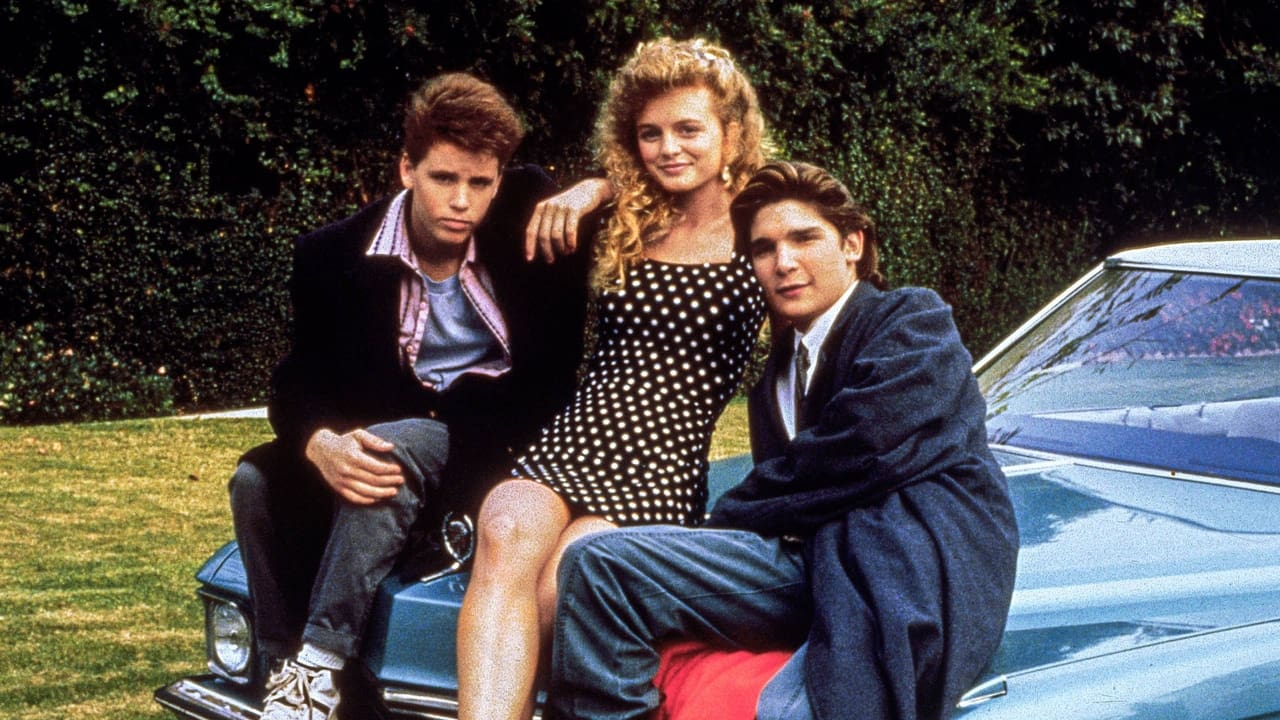
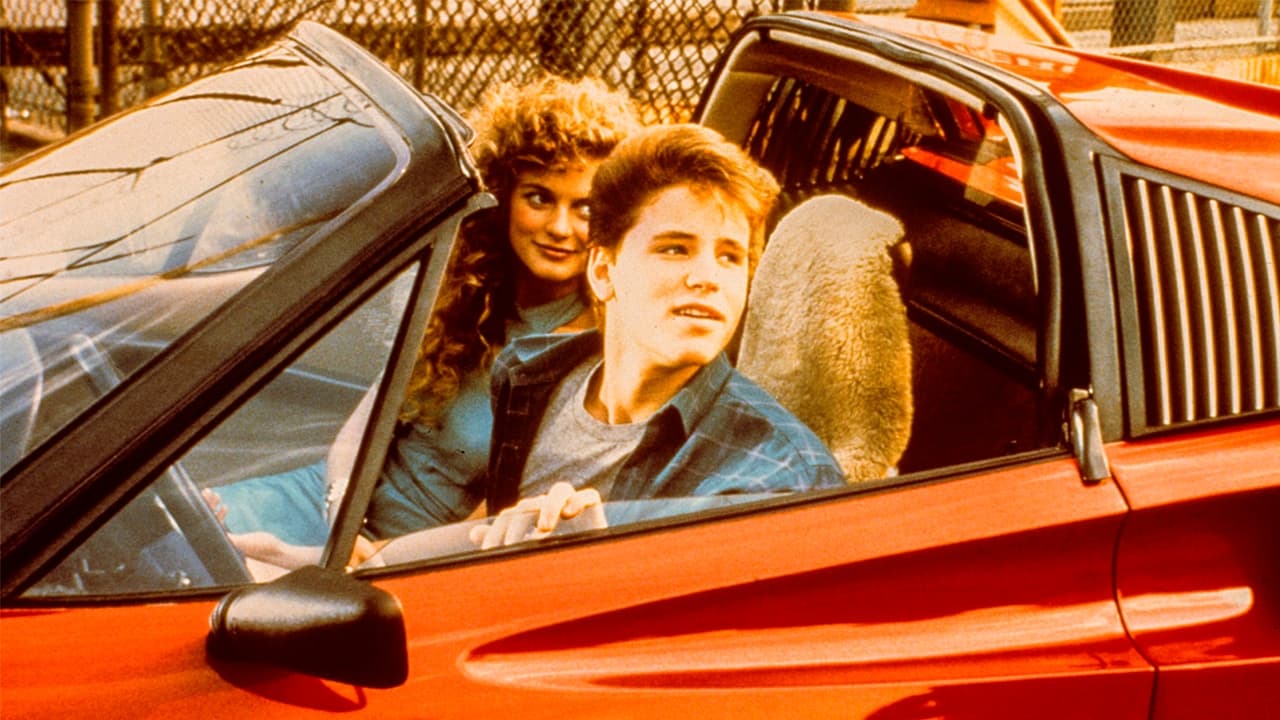
Think about that scene where the Caddy ends up with a tipsy friend bouncing around in the trunk – the sheer weight and awkwardness of it feels authentic in a way modern effects often miss. Or the frantic attempts to hide the damage, the near misses with Les's increasingly suspicious parents (Richard Masur and the wonderfully quirky Carol Kane). It might seem tame compared to today's blockbusters, but the grounded reality of it all – the feeling that this could almost happen – gave those sequences a unique kind of tension for teenage viewers back in the day. Wasn't that feeling of impending parental doom way scarier than any explosion?
Writer Neil Tolkin actually based the script on his own teenage experience of failing his driving test and then sneaking out the family car (a relatable nightmare!). That personal touch likely contributes to the film's enduring appeal; it taps into a universal rite of passage with humor and heart. Despite mixed reviews from critics upon release, the film resonated with audiences, pulling in over $22 million on a modest budget (around $8 million) and becoming a staple on video store shelves and late-night cable. It perfectly captured that moment where newfound freedom teeters on the edge of total disaster.
### Still Worth the Rental Fee?
Looking back through the fuzzy lens of VHS nostalgia, License to Drive holds up surprisingly well, not as a cinematic masterpiece, but as a charming time capsule. The dialogue can be cheesy, the plot predictable, and the fashion choices are pure 80s cringe-comedy gold. But the earnestness of Haim's performance, the electric energy of Feldman, the early glimpse of Heather Graham's star power, and the sheer relatability of its central premise still shine through. It’s a comfort food movie, plain and simple.
The soundtrack pulses with catchy 80s tunes, the parental units are perfectly cast, and the central Caddy-calamity provides plenty of laughs. It’s a film powered by charm, nostalgia, and the simple, potent magic of two actors who just clicked on screen.
VHS Heaven Rating: 7/10
Justification: While the plot is thin and reliant on 80s teen movie tropes, the infectious energy of the Coreys, the genuine charm of Heather Graham, the relatable premise, and the sheer nostalgic fun factor elevate it significantly. The practical car chaos adds a tangible, almost quaint appeal. It earns solid points for being a defining sleepover/rental classic of its era.
Final Take: It may not have the sleekest chassis or the most horsepower, but License to Drive cruises comfortably on pure 80s charm and the undeniable star power of its leads – a ride well worth taking down memory lane, even if the paint job is a little scratched.