Okay, fellow time-travelers of the tape era, let's rewind to a moment when the San Fernando Valley wasn't just a place, but a state of mind, meticulously documented in bubblegum pink and neon green. I'm talking about 1983's Valley Girl, a film that, like, totally captured a cultural moment with more heart and electric energy than anyone expected. Forget just renting this one; for many of us, the worn-out grooves on our Valley Girl VHS were a testament to repeated viewings, each one feeling like crashing the coolest party imaginable.
### Fer Sure! A Hollywood Punk Meets a Mall Princess
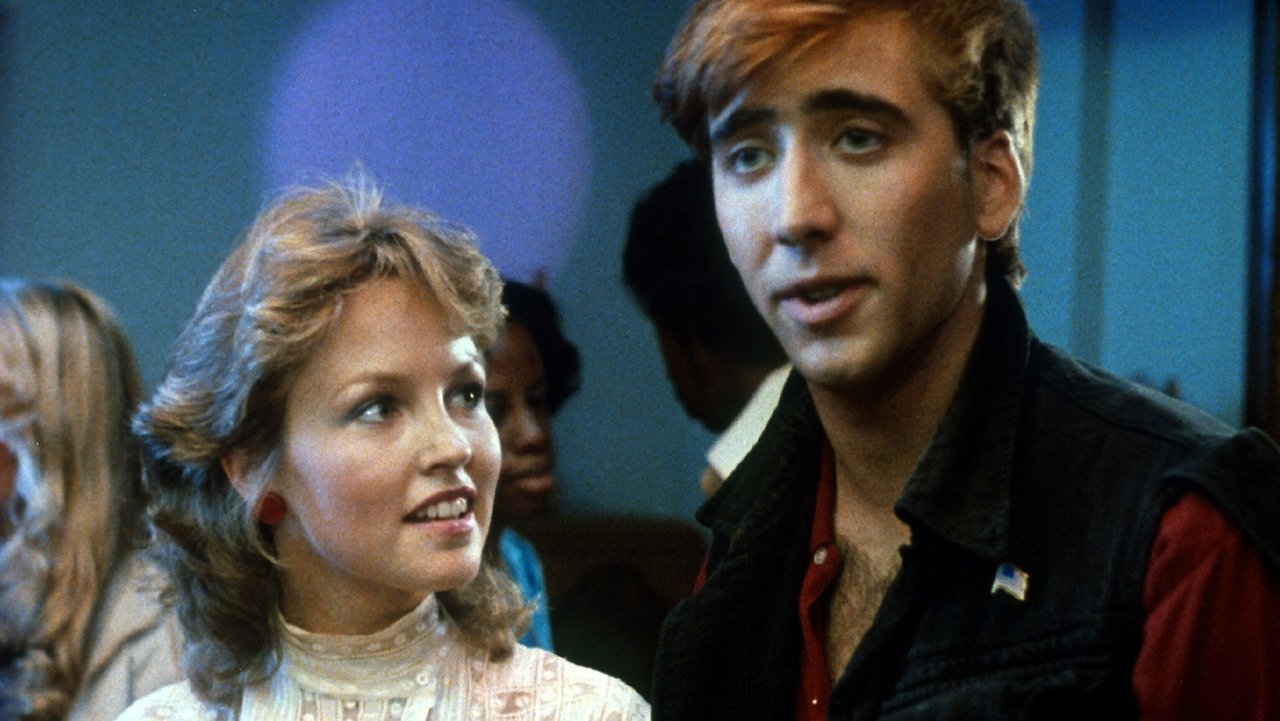
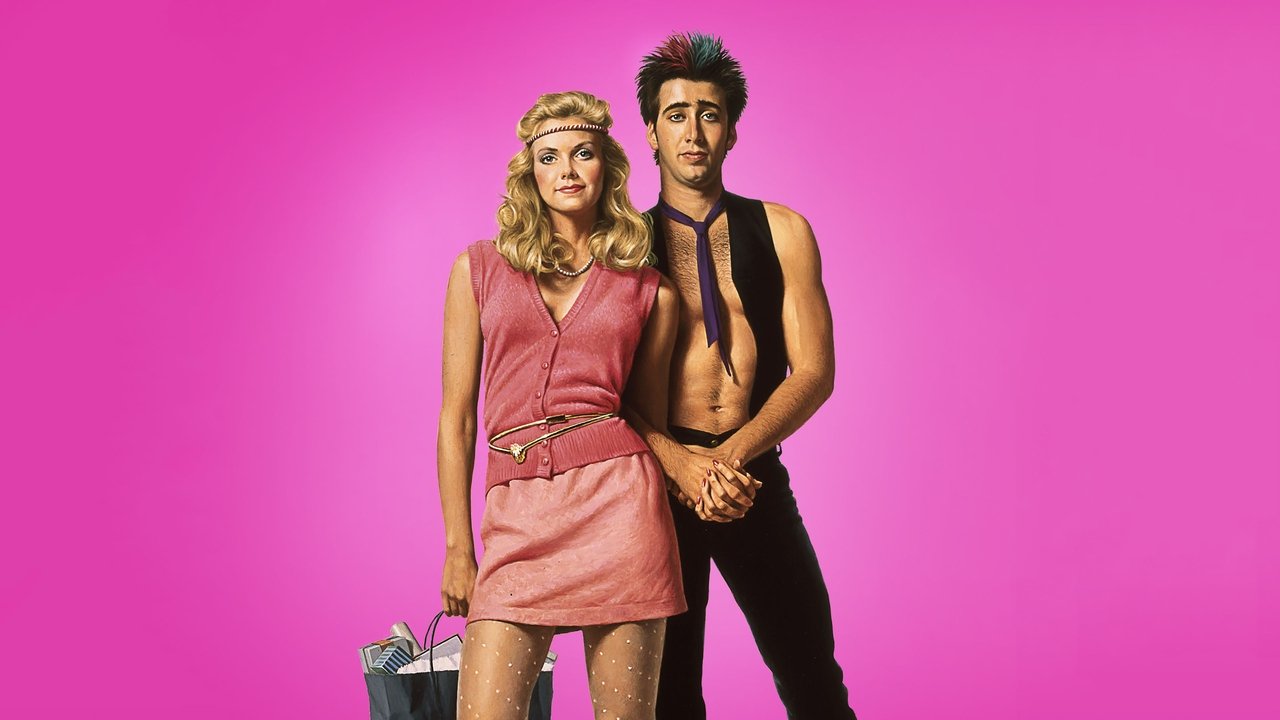
The premise sounds like pure 80s high-concept gold, a Romeo and Juliet updated for the era of Pac-Man fever and Day-Glo everything: Julie Richman (Deborah Foreman), the titular Valley Girl, finds her perfectly pastel world turned upside down when she locks eyes with Randy (Nicolas Cage), a punk rock rebel from the decidedly less sanitized streets of Hollywood. Can their worlds collide without, like, totally gagging everyone with a spoon? It’s a classic tale of opposites attracting, set against the backdrop of shopping malls, beach parties, and smoky punk clubs. Directed with surprising nuance by Martha Coolidge (who would later bring us another 80s gem, Real Genius), the film aimed higher than its exploitation-flick origins might suggest. Penned by Wayne Crawford and Andrew Lane, the script manages to find genuine emotion amidst the hilarious, and now iconic, Valspeak.
### Gag Me With Authentic 80s Vibes
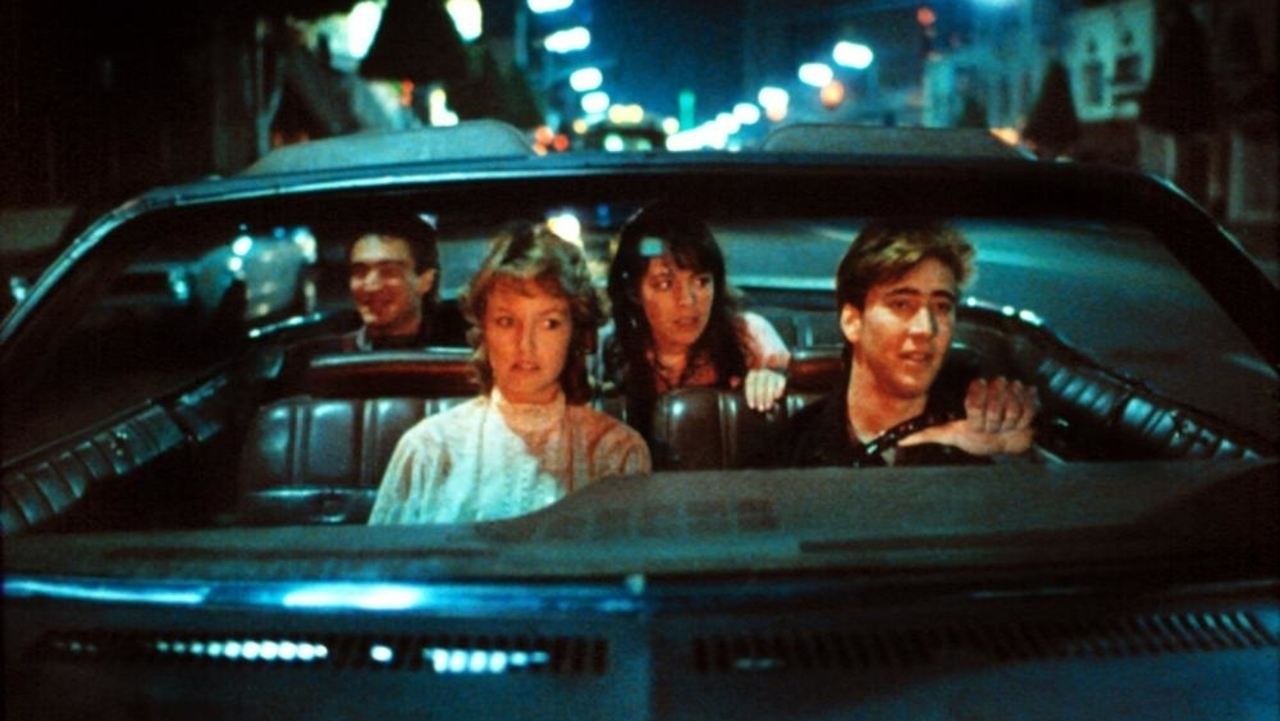
What immediately strikes you, even watching it today, is how Valley Girl feels like a genuine time capsule. Forget glossy Hollywood depictions; this movie feels grounded, almost documentary-like in its portrayal of early 80s teen life in Southern California. Shot incredibly fast – reportedly in just 20 days – on a shoestring budget of around $350,000 (which it turned into a tidy $17.3 million at the box office, proving its unexpected appeal), Coolidge used real locations and captured the era's fashion and slang with an almost accidental authenticity. The malls look like our malls, the parties feel like parties we might have awkwardly attended. Coolidge reportedly fought studio pressure to make the film broader and more exploitative, instead focusing on the characters' inner lives, giving the film a depth that elevates it beyond mere nostalgia. And yes, the Valspeak – "tubular," "grody," "fer sure" – it's all here, a linguistic snapshot that’s both amusingly dated and utterly charming.
### Like, Oh My God, That Chemistry!
At the heart of the film's enduring appeal are the lead performances. Deborah Foreman is luminous as Julie, capturing both the effortless cool of the popular girl and the vulnerability of someone realizing her world might be bigger than the Galleria. She makes Julie relatable and intelligent, not just a stereotype. And then there's Nicolas Cage. This was one of his first leading roles (famously wanting to distance himself from his Coppola family name), and you can already see the sparks of the intense, unconventional screen presence that would define his career. As Randy, he's magnetic – a little dangerous, deeply romantic, and utterly charismatic. He apparently stayed in character throughout the shoot, adding to that raw energy. Their chemistry is palpable, making you genuinely root for this unlikely couple. We also can't forget the fantastic supporting cast, especially Elizabeth Daily (credited as E.G. Daily) as Julie's wisecracking, punk-curious friend Loryn, who steals every scene she's in.
### Retro Fun Facts: Behind the Hair Spray
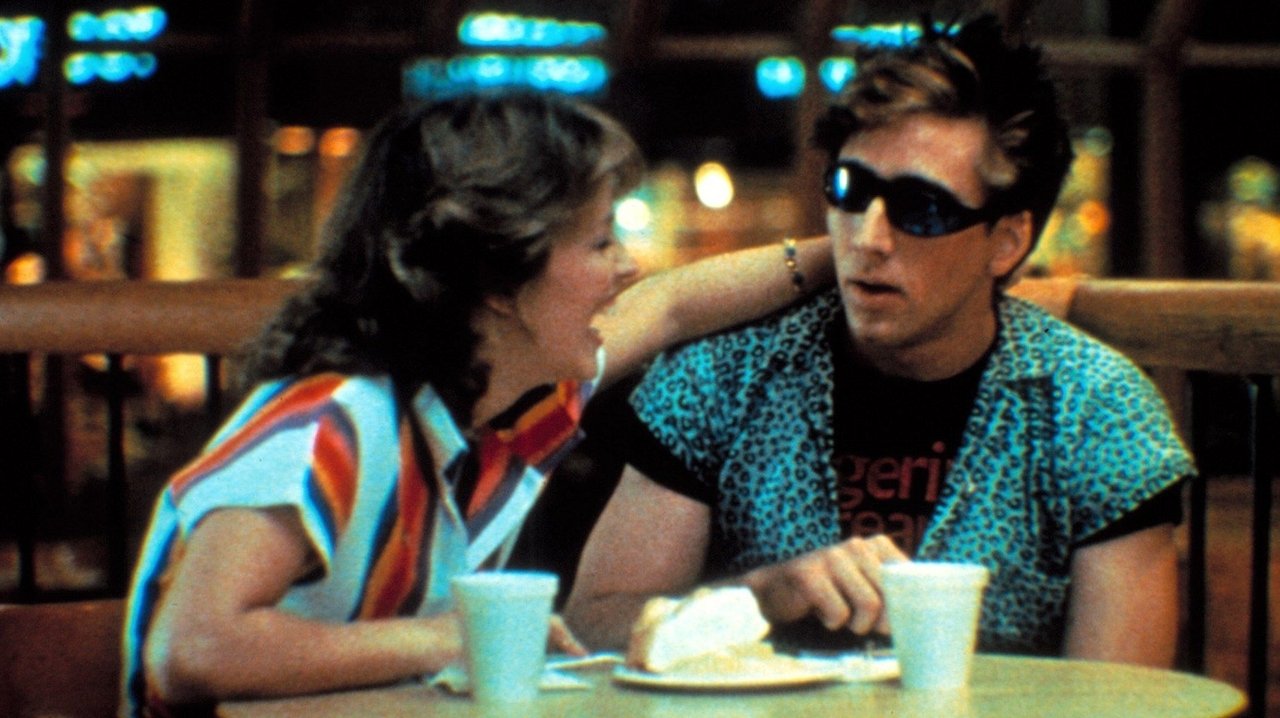
Beyond the quick shoot and low budget, Valley Girl has some fun history. The film essentially jump-started Nicolas Cage's leading man trajectory. His method approach reportedly included trying to understand the feeling of being an outsider, channeling it into Randy's sometimes volatile energy. The choice of locations, often guerilla-style filming in real Valley spots, adds immeasurably to the film's texture. It feels lived-in because, in many ways, it was. The initial concept was more aligned with typical teen sex comedies of the era, but Coolidge's insistence on character development gave it lasting power.
### The Soundtrack Still Slaps
Let's be honest: you can't talk about Valley Girl without bowing down to its absolutely killer soundtrack. This isn't just background music; it is the movie's pulse. Featuring a who's who of early 80s New Wave and power pop – The Plimsouls ("A Million Miles Away" is practically the film's theme song), Modern English ("I Melt With You" scoring that iconic montage), Josie Cotton, Sparks, Men at Work, The Psychedelic Furs – the soundtrack perfectly captured the sound of the era and played a massive role in the film's success and enduring cult status. It wasn't just a collection of hits; it was a curated experience, reflecting the clash and eventual merging of Julie's pop sensibilities and Randy's punk roots. Finding a copy of this soundtrack back in the day felt like uncovering treasure.
### More Than Just, Like, Tubular
While Valley Girl leans into the stereotypes of its time for comedic effect, it ultimately treats its characters with respect. It acknowledges the social pressures and cliques of high school but celebrates the idea of breaking free and finding connection across perceived divides. It’s sweeter, smarter, and more resonant than its frothy surface might suggest. It captured lightning in a bottle – a specific time, place, and attitude – but grounded it with universal themes of love, identity, and belonging. It arguably paved the way for more thoughtful teen films that followed, proving you could blend popular trends with genuine heart. (A musical remake released in 2020 tried to recapture the magic, but the original's raw, low-budget charm remains unique).
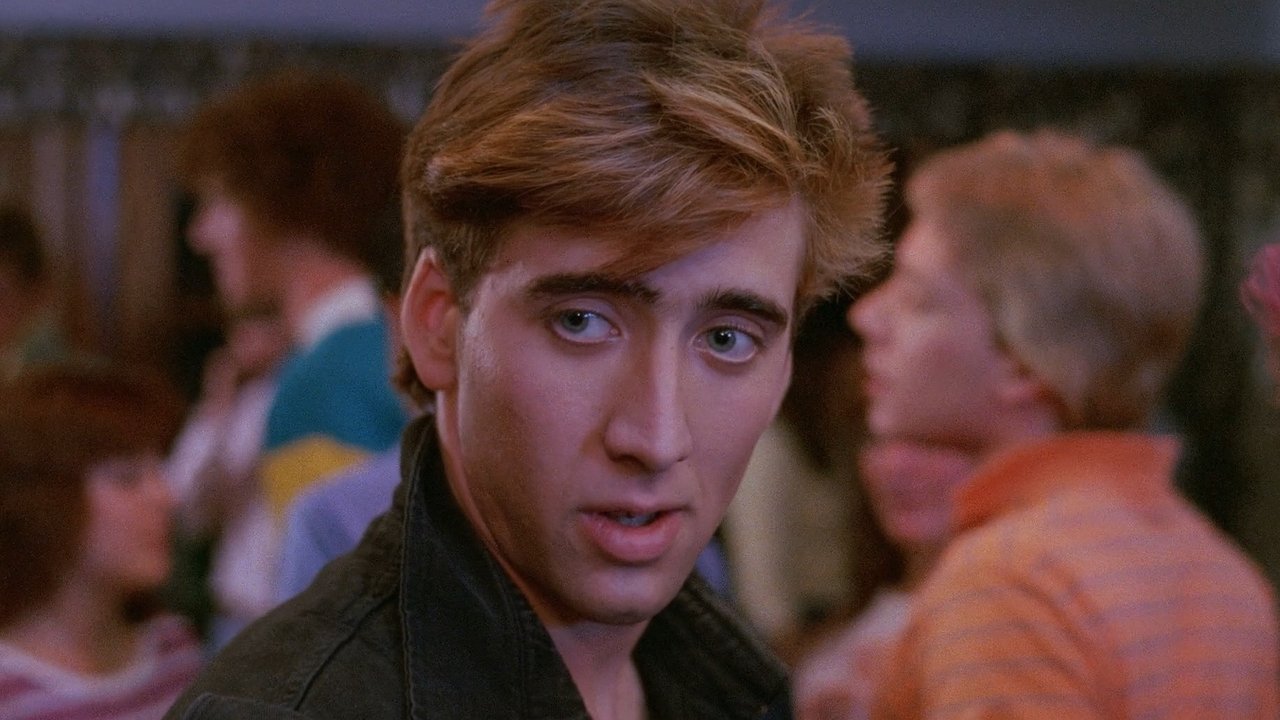
VHS Heaven Rating: 8.5/10
This score reflects the film's undeniable charm, fantastic performances (especially from a young Cage and the wonderful Foreman), its killer, era-defining soundtrack, and its surprisingly authentic snapshot of early 80s culture. It avoids a perfect score perhaps only due to some inevitable dating and reliance on familiar tropes, but its execution elevates it far above standard teen fare. Valley Girl isn't just a nostalgia trip; it's a genuinely well-made, heartfelt romantic comedy with an infectious energy that still resonates.
It's a movie that reminds you that sometimes, the best adventures happen when you dare to cruise outside your comfort zone, maybe with the perfect New Wave track blasting on the car stereo. Totally bitchin', wouldn't you say?