Okay, settle in. Dim the lights, maybe pour yourself something strong. Tonight, we’re digging deep into the dusty back bins of the video store, past the familiar blockbusters, into the shadowy corners where strange European imports lurked. Remember those tapes? The ones with lurid covers, slightly off-kilter titles, and names you didn’t recognize, promising something raw, something… different? Tonight’s feature is exactly that kind of discovery: José Truchado’s 1984 Spanish actioner, Peter Knive.
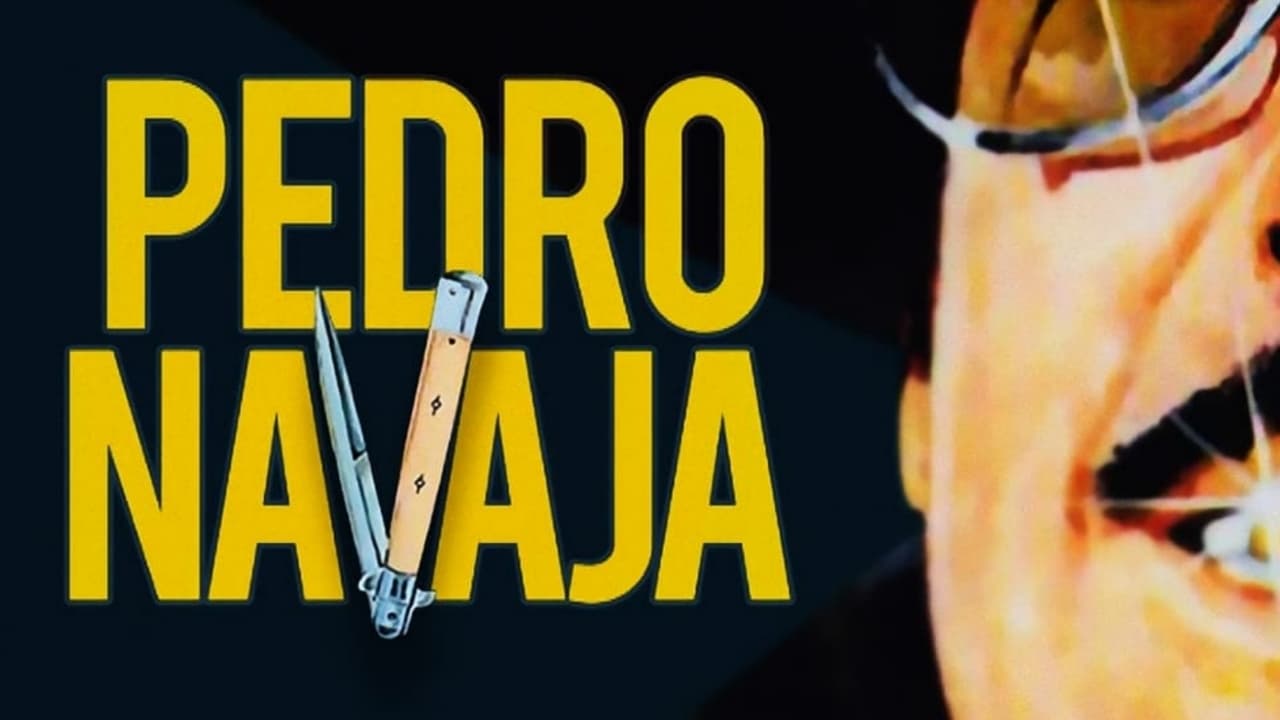
The title itself hits you first. Peter Knive. Not Knife. Knive. Is it a typo that stuck, a deliberate quirk, or just part of the strange linguistic landscape of internationally distributed B-movies? Whatever the reason, it sets a certain expectation: something blunt, maybe a little clumsy, potentially dangerous. And Peter Knive delivers on that feeling, immersing us in a grimy world of low-level crime and brutal retribution, typical of the Spanish exploitation boom that flourished after the Franco regime loosened its grip.
A Familiar Face in Unforgiving Streets
If you spent any time exploring the wilder side of 80s European genre cinema on VHS, the lead face will be instantly recognizable. It’s the intense, perpetually weathered visage of Antonio Mayans, a stalwart presence in countless films by directors like the legendary Jesús Franco (think Oasis of the Zombies) or Paul Naschy. Mayans often played intense, morally ambiguous characters, and here, as the titular Peter Knive, he embodies the archetypal lone wolf. He’s a man pushed too far, navigating a treacherous urban landscape populated by sneering thugs and untrustworthy figures, including veteran character actor José Canalejas (a face familiar from countless Spaghetti Westerns) and Eva León, another frequent player in the Spanish exploitation scene.
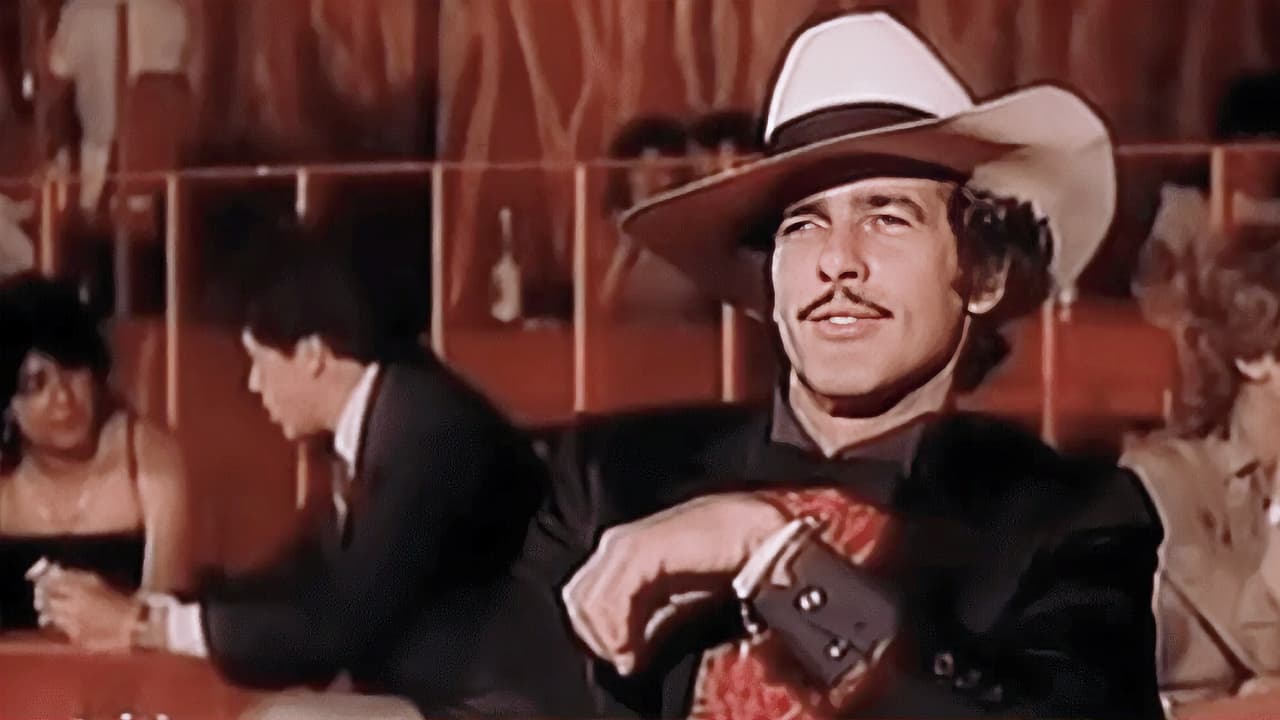
The plot, as is often the case with these lean, mean productions, is straightforward, almost primal. It’s a revenge engine, fueled by betrayal and violence. Don’t expect intricate twists or deep character studies. Peter Knive operates on immediate, visceral stakes. The dialogue, often delivered via the slightly detached echo chamber of post-production dubbing (a hallmark of these international co-productions aimed at the global VHS market), serves mostly to propel the action forward, setting up the next confrontation, the next gritty chase through decaying industrial zones or dimly lit back alleys.
The Truchado Grindhouse Aesthetic
Director José Truchado, who also penned the script, was no stranger to this kind of filmmaking. Working frequently within the orbit of Jesús Franco, Truchado specialized in delivering genre thrills on shoestring budgets. His direction here is functional, prioritizing momentum over polish. The camera work is often handheld, adding a layer of cinéma vérité grit, intentional or not. There's a distinct lack of gloss; everything looks worn, used, slightly dangerous. This isn't the neon-drenched 80s of Miami Vice; this is the overcast, concrete reality of working-class Spain, rendered through a lens of pulp fiction despair.
The atmosphere isn't one of supernatural dread, but rather the oppressive gloom of inevitable violence. It’s the tension that hangs in the air before a street fight, the paranoia of being watched in a hostile environment. The score, likely a library track special, pulses with a rudimentary synth beat, underlining the action without ever becoming truly memorable, yet effectively contributing to the film’s overall sense of low-budget urgency. You can almost smell the diesel fumes and stale cigarette smoke clinging to the celluloid.
Retro Fun Facts: The Enigma of Obscurity
Finding detailed "making of" stories for a film like Peter Knive is like searching for a specific needle in a transatlantic haystack. Its obscurity is part of its mystique. This wasn’t a film with a hefty marketing budget or extensive press coverage. It was likely produced quickly, efficiently, and aimed squarely at the insatiable global market for action and exploitation flicks hungry for content. Its survival today is largely thanks to the very VHS format we celebrate here at VHS Heaven.
What we can appreciate is the context. This era saw Spanish filmmakers eagerly exploring genres previously restricted, often mimicking popular American and Italian trends but infusing them with a uniquely bleak or raw sensibility. The practical effects, when they appear (think squibs, maybe some unconvincing stunt work), have that tangible, slightly messy quality that defined low-budget 80s action. There's an undeniable authenticity to the grime, the result of shooting on real, unforgiving locations rather than pristine studio sets. Did Mayans perform his own stunts? Given the budgets, it wouldn't be surprising. Was the script hammered out over a weekend? Possibly. These unknowns are part of the charm, a testament to the guerilla spirit of exploitation filmmaking.
Dusting Off the Tape
Watching Peter Knive today is an exercise in managing expectations, but also in appreciating a specific, unfiltered style of filmmaking. It’s rough. The pacing can be uneven, the acting broad, the dubbing distracting. But there’s an energy here, a commitment to its grim worldview that feels strangely compelling. It’s the kind of film you might have rented on a whim, drawn by the vaguely threatening cover art depicting Mayans looking suitably tough, and been surprised by its unvarnished nastiness. It certainly wouldn't have been mistaken for a Cannon Films production; it lacks even that level of B-movie polish. This feels more… homegrown. More desperate.
Doesn't that rawness hold a certain appeal, though? In an age of slick, CGI-heavy action, there's something perversely satisfying about watching a film that feels like it was physically wrestled into existence. It’s a reminder of a time when genre cinema from across the globe could find its way onto local video store shelves, offering glimpses into different worlds, different styles, different levels of acceptable cinematic violence. My own faded ex-rental copy, picked up years ago from a closing store, feels like a minor archaeological find.
Final Verdict
Peter Knive is undeniably a product of its time and budget. It's a gritty, often crude, slice of Spanish exploitation cinema that delivers basic action thrills wrapped in a cloak of urban decay. It won't win awards for sophistication, but for fans of Antonio Mayans, José Truchado, or the general vibe of early 80s European B-movies, it offers a specific, unpolished flavor. It's the cinematic equivalent of cheap whiskey – harsh, maybe burns a little going down, but gets the job done with zero pretense.
Rating: 4/10
Justification: The score reflects the film's significant technical limitations, rudimentary plot, and overall roughness. However, it earns points for Antonio Mayans' committed performance, its authentically gritty atmosphere, and its value as a representation of a specific niche (80s Spanish exploitation) that holds nostalgic appeal for deep-cut VHS hunters. It's not "good" in a conventional sense, but it’s a fascinating artifact.
Peter Knive remains a deep cut, unlikely to trouble any "best of the 80s" lists. Yet, its existence speaks volumes about the sheer breadth and often baffling variety available during the VHS boom. It’s a stark reminder that sometimes, the most interesting finds weren't on the top shelf, but hidden way down below, waiting for a curious hand to pull them from the shadows.