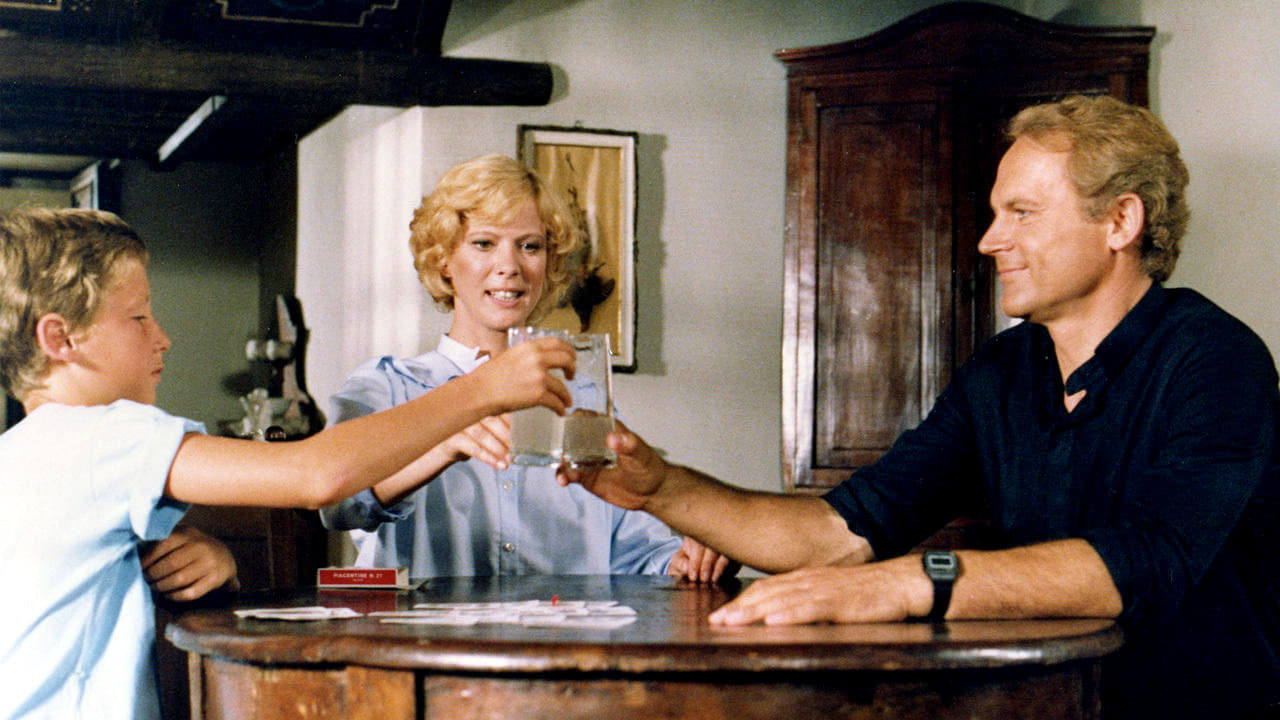
Picture this: a sun-drenched piazza in a small Italian village, the post-war air buzzing not just with cicadas, but with the constant, simmering rivalry between the local priest and the Communist mayor. Now, imagine the priest is none other than the piercing blue eyes and mischievous grin of Terence Hill. For many of us who grew up renting his action-comedies, seeing him trade his dusty cowboy gear or speed boat for a priest's cassock in 1984's Don Camillo was a delightful curveball, a VHS discovery that promised something familiar yet intriguingly different.
### A Change of Pace for a Beloved Star
This wasn't just another starring vehicle for Terence Hill (born Mario Girotti); it was clearly a passion project. Stepping behind the camera as director for the first time on a major feature, and working from a script co-written by his wife, Lori Hill (credited as Lori Zwicklbauer), Hill brought his own distinct flavour to the beloved characters created by Giovannino Guareschi. These characters, the hot-headed, devout Don Camillo and his equally stubborn political nemesis, Mayor Giuseppe Bottazzi (known as Peppone), were already icons in Italy, immortalized in Guareschi's post-WWII stories and a series of classic films starring the brilliant French actor Fernandel.
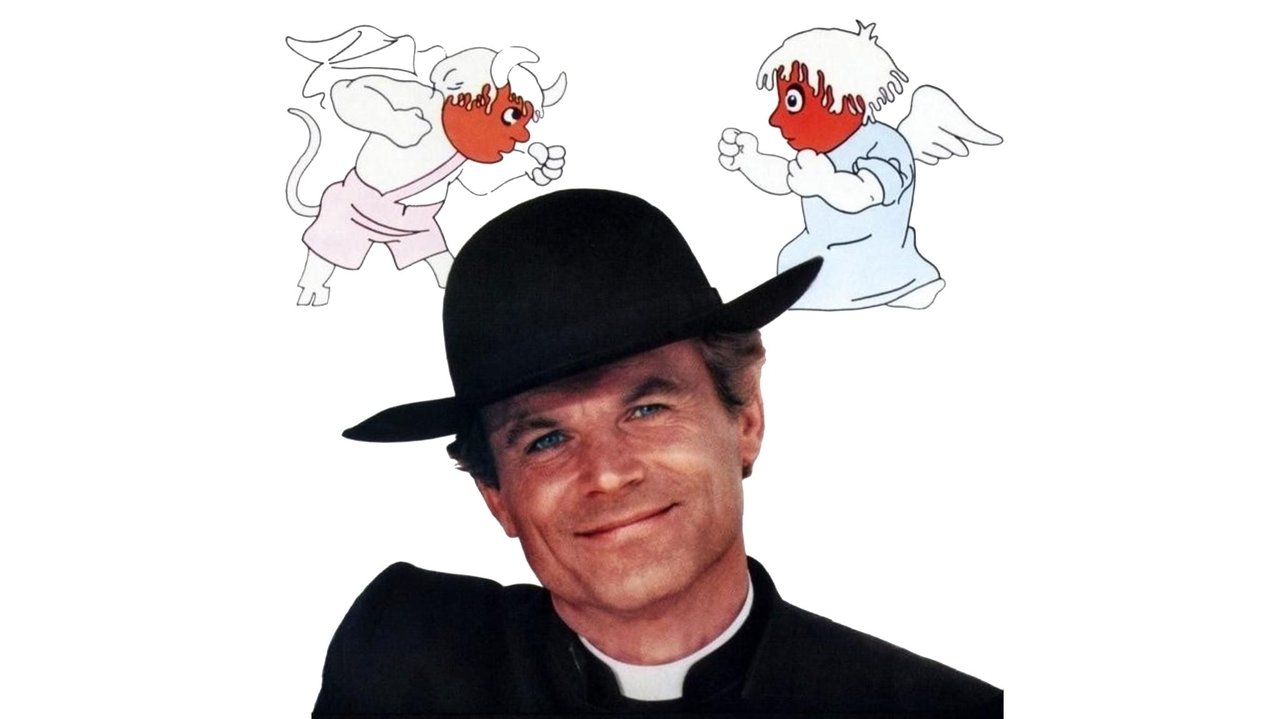
Taking on such legendary roles was ambitious, but Hill approaches it with earnest charm. His Don Camillo is perhaps less world-weary than Fernandel's portrayal, infused instead with Hill’s trademark physical comedy and a touch of boyish idealism. He still talks directly to Jesus (whose voice booms back with witty, often exasperated advice), but this time, the arguments might just end with Camillo pulling off some surprisingly athletic stunt, perhaps even involving roller skates – a very Terence Hill touch!
### The Irresistible Rivalry
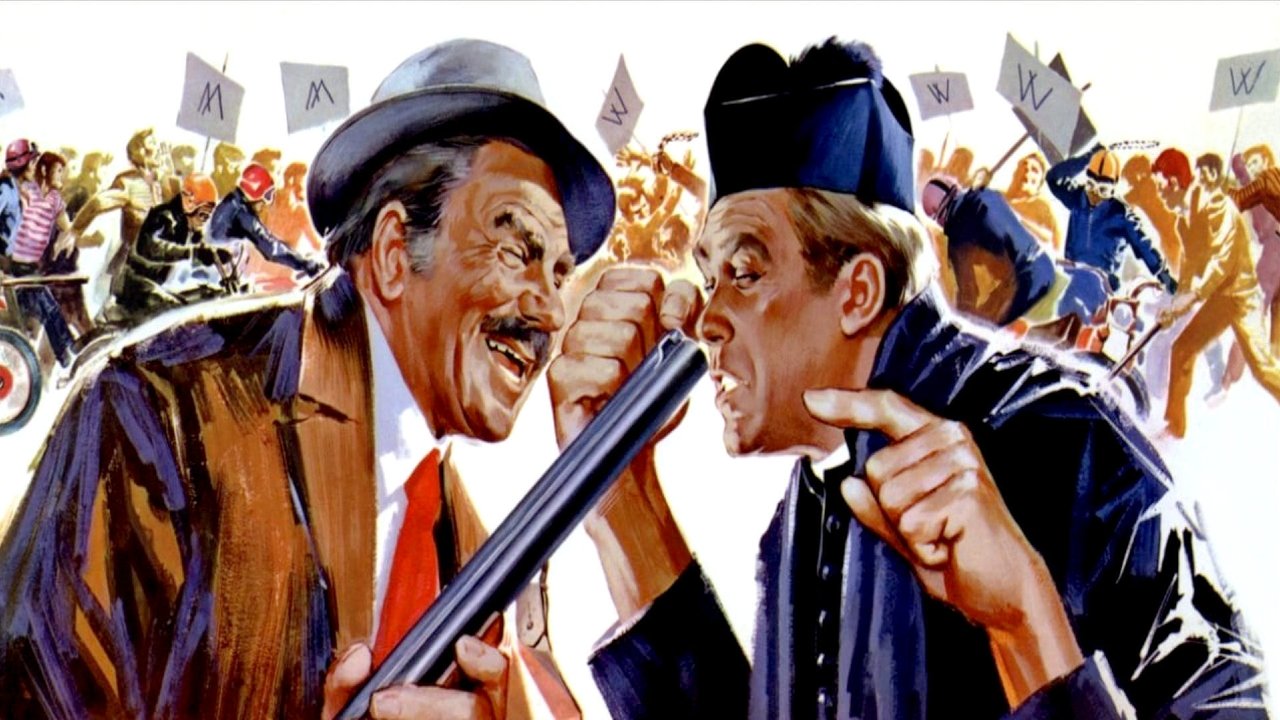
The heart of the film, just like the books, lies in the push-and-pull relationship between Don Camillo and Peppone. Here, the formidable British actor Colin Blakely steps into the mayor’s shoes. Known for powerful dramatic performances in films like A Man for All Seasons (1966) and Murder on the Orient Express (1974), Blakely might seem an unlikely choice for this Italian comedy setting. Yet, he's magnificent. His Peppone is bluff, hearty, committed to his Communist ideals but fundamentally decent. The chemistry between Hill and Blakely is the film’s engine; their bickering feels less like bitter enmity and more like the squabbling of two old friends who happen to be on opposite sides of every fence. Their constant one-upmanship provides most of the laughs, whether they're competing in a local bicycle race or trying to sabotage each other's public projects. Tragically, this was one of Blakely's final film roles before his untimely death in 1987, making his warm and funny performance here feel even more special.
### Sun, Slapstick, and Soul
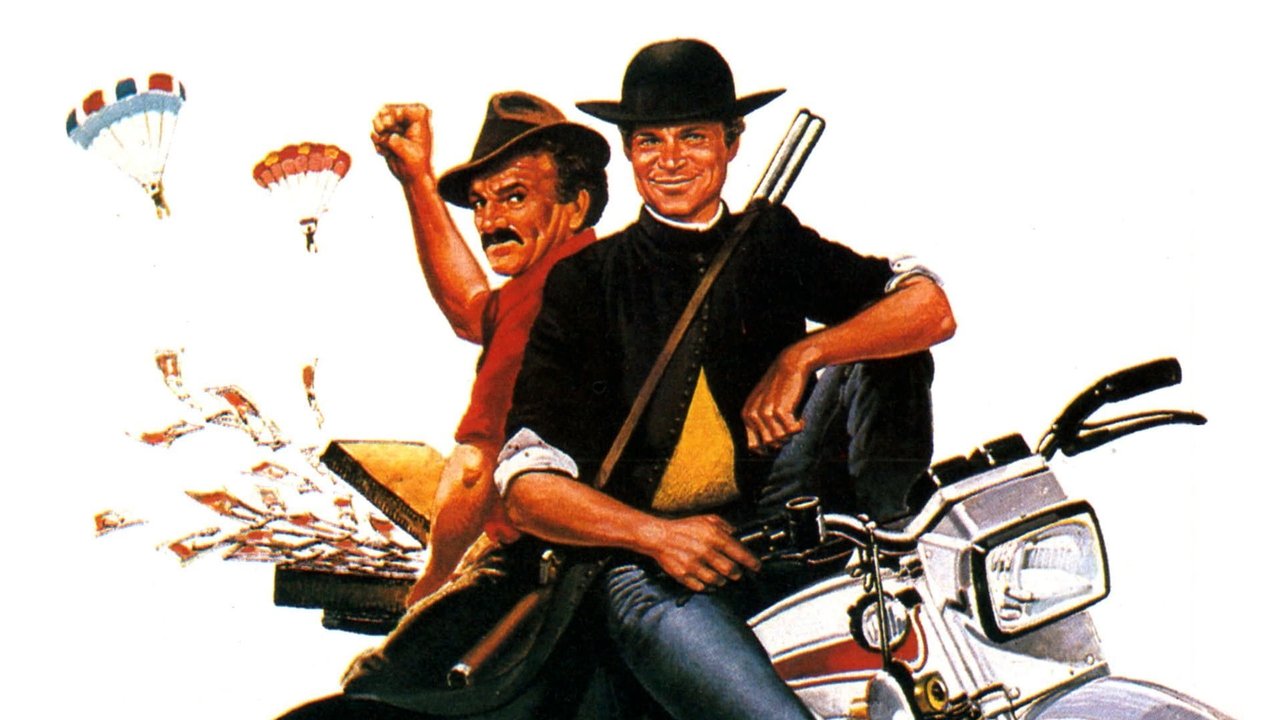
Terence Hill, as director, paints a lovely picture of rural Italian life. Filmed largely in the Emilia-Romagna region (specifically Pomponesco, the area Guareschi himself called home), the movie basks in a golden, nostalgic light. It feels like stepping into a postcard, albeit one where the figures occasionally engage in comical brawls or divine consultations. The pacing is gentle, reflecting the rhythms of village life, punctuated by moments of slapstick that feel right out of Hill’s established playbook. Think less Trinity shootouts, more cleverly orchestrated chaos involving farm animals, local festivals, and the occasional miracle.
While the earlier Fernandel films often carried a sharper satirical edge reflecting the specific political climate of post-war Italy, Hill's version leans more towards universal themes of community, faith, and friendship, all wrapped in a lighter, more overtly comedic package. It doesn't shy away from the priest-and-communist conflict, but it frames it with affection. You get the sense that, deep down, these rivals need each other; their battles give the town its unique energy. Adding another familiar face for international audiences was Mimsy Farmer (known for Dario Argento's Four Flies on Grey Velvet), who adds a touch of glamour as a character caught between the two men's spheres of influence.
### Retro Fun Facts
Digging into the VHS archives often unearths fun details. While a modest success, especially in Europe, Don Camillo didn't quite achieve the global box office domination of Hill's buddy movies with Bud Spencer. Its budget was relatively contained, relying more on charm and location than expensive set pieces. It’s interesting to note that Terence Hill reportedly turned down the role of Rambo (which eventually went to Sylvester Stallone) around this time, perhaps seeking different kinds of projects like Don Camillo. The film’s score, by Pino Donaggio (a frequent Brian De Palma collaborator, known for Carrie and Dressed to Kill), adds a lovely, distinctly Italian flavour, perfectly complementing the sun-baked visuals. While it didn't spawn a direct sequel starring Hill, it remains a unique entry in his filmography, showcasing his desire to stretch beyond pure action-comedy.
### Final Thoughts
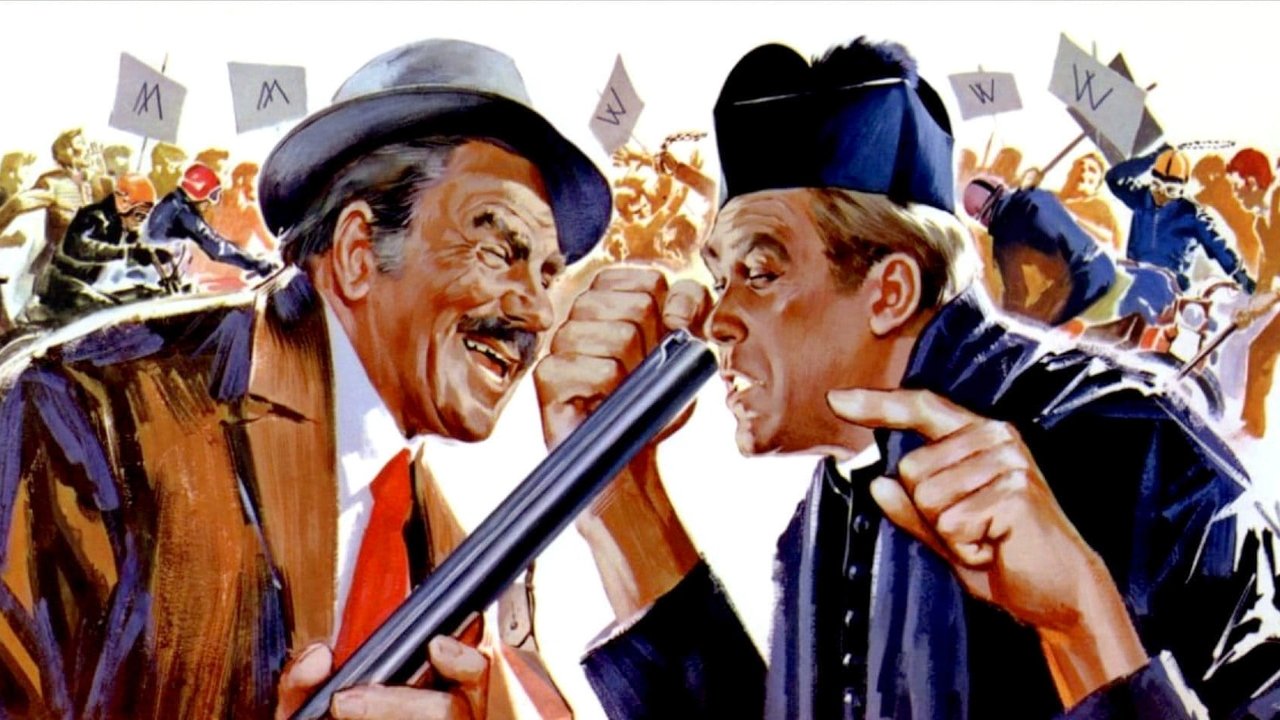
Don Camillo (1984) is like finding a charming, slightly dusty bottle of local wine in the back of the cellar. It may not have the explosive impact of Terence Hill's bigger hits, but it possesses a gentle warmth and sincerity that’s incredibly endearing. It’s a film about small-town life, big personalities, and the surprising ways faith and ideology clash and connect. Watching it again now, it feels like a sunny, nostalgic escape – a reminder of a time when comedies could be both silly and soulful.
Rating: 7/10 - This score reflects the film's genuine charm, the wonderful dynamic between Hill and Blakely, and its success as a warm-hearted adaptation. It's not groundbreaking cinema, and the pacing might feel slow to some modern viewers, but its affectionate spirit and gentle humour make it a truly enjoyable watch, especially for fans looking for a different side of Terence Hill.
It’s a lovely slice of 80s Italian escapism, proving that sometimes the biggest battles are fought with wit, prayer, and the occasional well-aimed prank in a village square.