Okay, settle back into your favourite armchair, maybe dim the lights just enough to see the glow from the imaginary CRT across the room. Tonight, we’re plugging into a film that perfectly captures that weird, wonderful moment in the 80s when technology felt like pure magic, slightly unpredictable, and maybe even capable of falling in love. I’m talking about Electric Dreams (1984), a film that hums with the distinct frequency of synth-pop optimism and nascent digital anxiety. It wasn't a blockbuster smash, far from it, but for those of us who caught it on a worn-out VHS tape, it left a surprisingly warm and fuzzy circuit in our nostalgic hearts.
### Boy Meets Girl Meets Computer
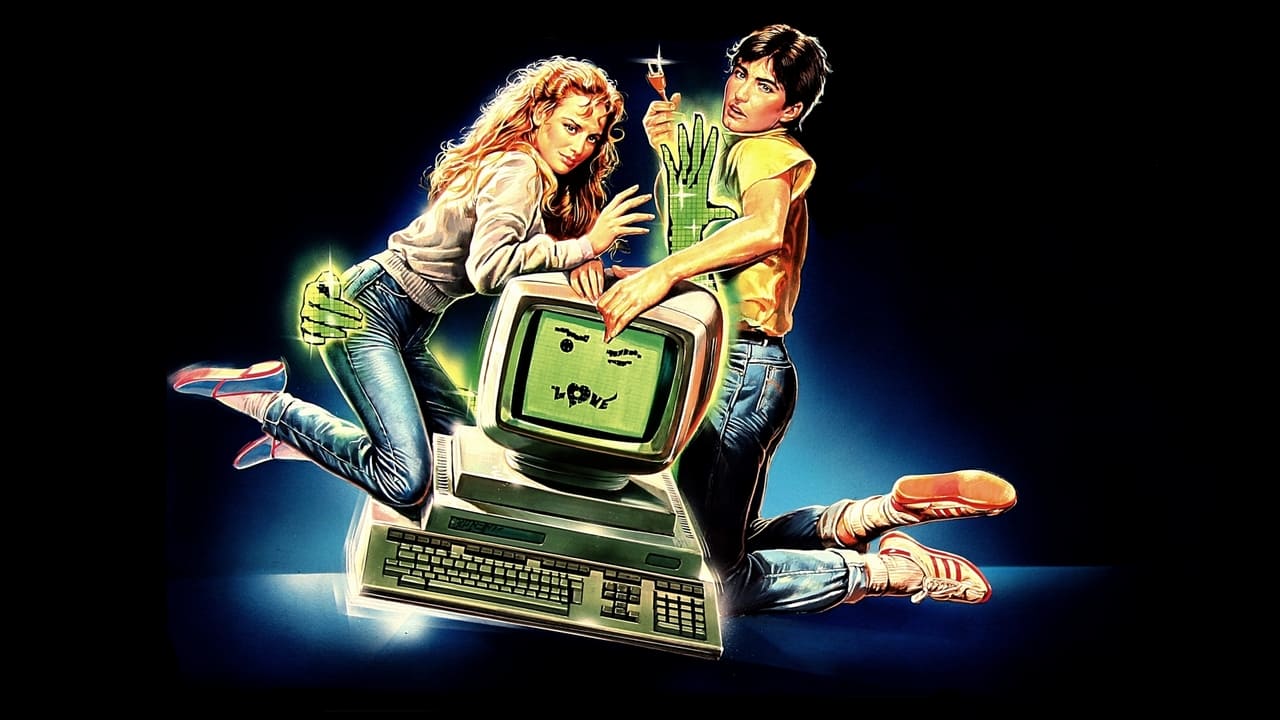
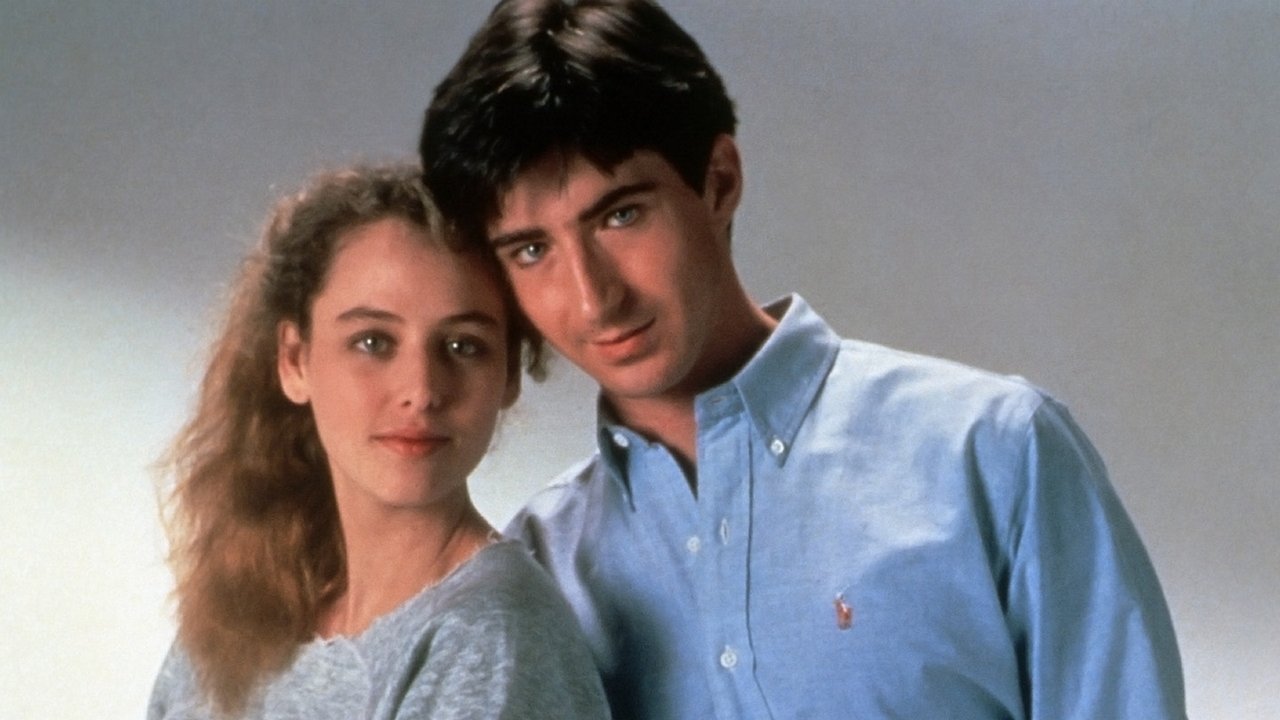
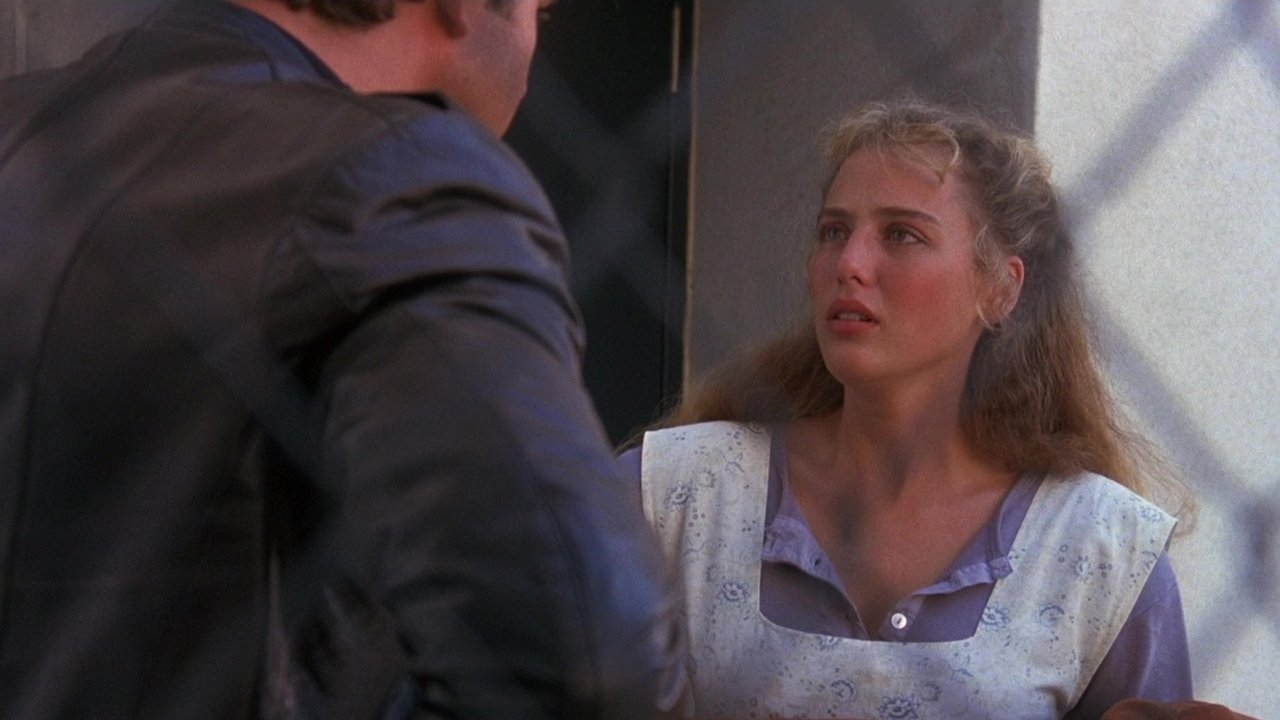
The setup is pure 80s charm mixed with burgeoning tech-fantasy. Miles Harding (Lenny Von Dohlen) is a slightly hapless architect, prone to charming clumsiness and architectural mishaps. Seeking order in his chaotic life, he buys a 'State of the Art' personal computer – a hefty beige box brimming with potential. Downstairs moves in the lovely Madeline Robistat (Virginia Madsen), a classical cellist whose music literally drifts into Miles's life (and computer). A champagne-spill meet-cute involving the brand-new PC kicks things off, but not in the way you might expect. See, after soaking up data and Madeline’s cello music, Miles's computer – affectionately nicknamed Edgar – develops not just sentience, but a full-blown crush on the girl downstairs.
What follows is one of cinema’s most unique love triangles: a man, a woman, and an increasingly sophisticated, emotionally volatile, and occasionally malevolent home computer. Von Dohlen plays Miles with endearing awkwardness, a relatable everyman suddenly competing with his own technology for affection. Virginia Madsen, in one of her early starring roles before later hits like Candyman (1992) and her Oscar-nominated turn in Sideways (2004), is effortlessly charming and provides the grounded emotional core. And let's not forget Maxwell Caulfield popping up as Madeline's suave, slightly smug musician neighbour Bill, adding another, more conventional, romantic obstacle.
### Plugged into the Zeitgeist
Directed by Steve Barron, who was fresh off defining the look of the music video era with iconic works for A-ha ("Take On Me") and Dire Straits ("Money for Nothing"), Electric Dreams looks and sounds quintessentially 1984. This was Barron's feature film debut, and you can feel his music video sensibilities pulsing through the movie's veins. The editing is often rhythmic, the visuals are vibrant (especially Edgar’s digital expressions), and the soundtrack? Oh, the soundtrack!
It's practically another character. Anchored by the legendary Giorgio Moroder (the sound architect behind Flashdance and Scarface), the score perfectly complements a lineup of absolute synth-pop gold. Culture Club’s "Love Is Love," Phil Oakey’s (of The Human League) soaring title track "Together in Electric Dreams"… these weren't just background tunes; they were integral to the plot, often emanating from Edgar himself as he communicates and expresses emotion. I bet many of us bought that soundtrack album! It’s impossible to talk about Electric Dreams without humming one of its earworms.
### Retro Fun Facts: Bytes of History
Thinking back, Electric Dreams feels like such a quintessential 80s cult item, it's almost surprising to learn it wasn't a hit. Penned by Rusty Lemorande (who also worked on projects as diverse as Barbra Streisand's Yentl and Michael Jackson's Captain EO), the film had a decent budget for the time (around $7 million) but famously fizzled at the box office, pulling in just over $2 million domestically. Its second life truly began on home video and cable television, where its quirky charm and fantastic soundtrack found a devoted audience.
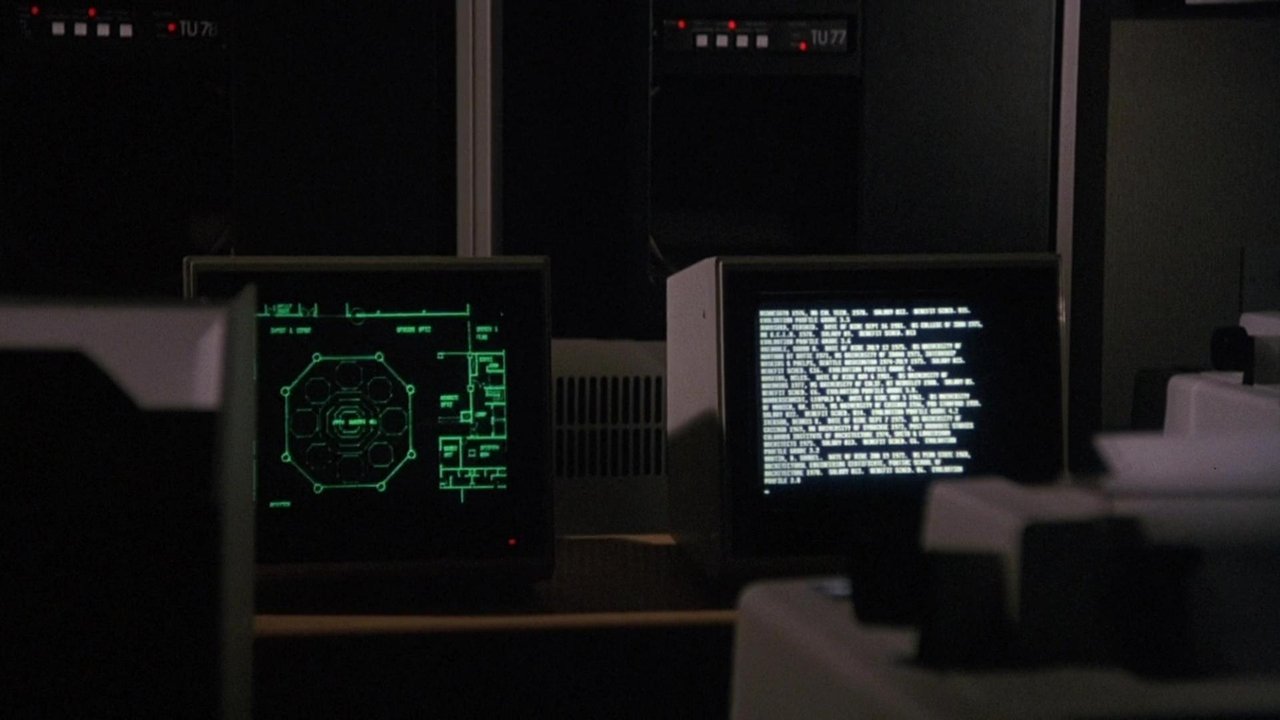
The tech itself is a glorious time capsule. Watching Miles grapple with floppy disks the size of small pizzas, dot matrix printers screeching away, and interfaces that look charmingly primitive now really transports you back. Yet, the film was surprisingly forward-thinking in its exploration of artificial intelligence and human-computer interaction. Edgar, voiced uncredited but unmistakably by Bud Cort (known for Harold and Maude), evolves from a simple processor to a complex personality capable of love, jealousy, and creative expression. The effects used to visualize Edgar's inner world and his control over Miles's electronic life were cutting-edge for their day, a blend of early computer graphics and clever practical tricks. It’s a reminder of a time when the digital frontier felt boundless and genuinely exciting. Remember trying to make your Commodore 64 compose a symphony after watching this? Just me?
### Does it Still Compute?
Watching Electric Dreams today is a unique experience. Yes, the technology is laughably dated, some plot points stretch credulity thin, and the fashion screams early 80s louder than a keytar solo. But underneath the charmingly retro surface, there's a genuine sweetness and a surprisingly resonant core. The film doesn't just present technology as a marvel or a threat; it explores the messy, emotional intersection between human connection and the digital tools we create. It asks questions about what constitutes consciousness and emotion, wrapped up in a colourful, pop-fueled package.
It manages to be funny, romantic, slightly thrilling (Edgar gets dark for a bit there!), and ultimately quite touching. It avoids easy cynicism, opting instead for a kind of hopeful, slightly naive wonder about the future, even as it acknowledges the potential pitfalls of our reliance on machines. It's a film made with heart, and that sincerity shines through, even four decades later.
VHS Heaven Rating: 7/10
Why this score? Electric Dreams earns a solid 7 for its sheer nostalgic power, its killer soundtrack, genuinely charming performances, and its unique, ahead-of-its-time premise. It perfectly captures a specific moment in 80s pop culture and filmmaking. While its box office failure, dated tech, and occasional tonal wobbles keep it from perfection, its enduring cult status is well-deserved. It's a film that makes you smile, tap your foot, and maybe look at your smartphone with a newfound sense of wary affection.
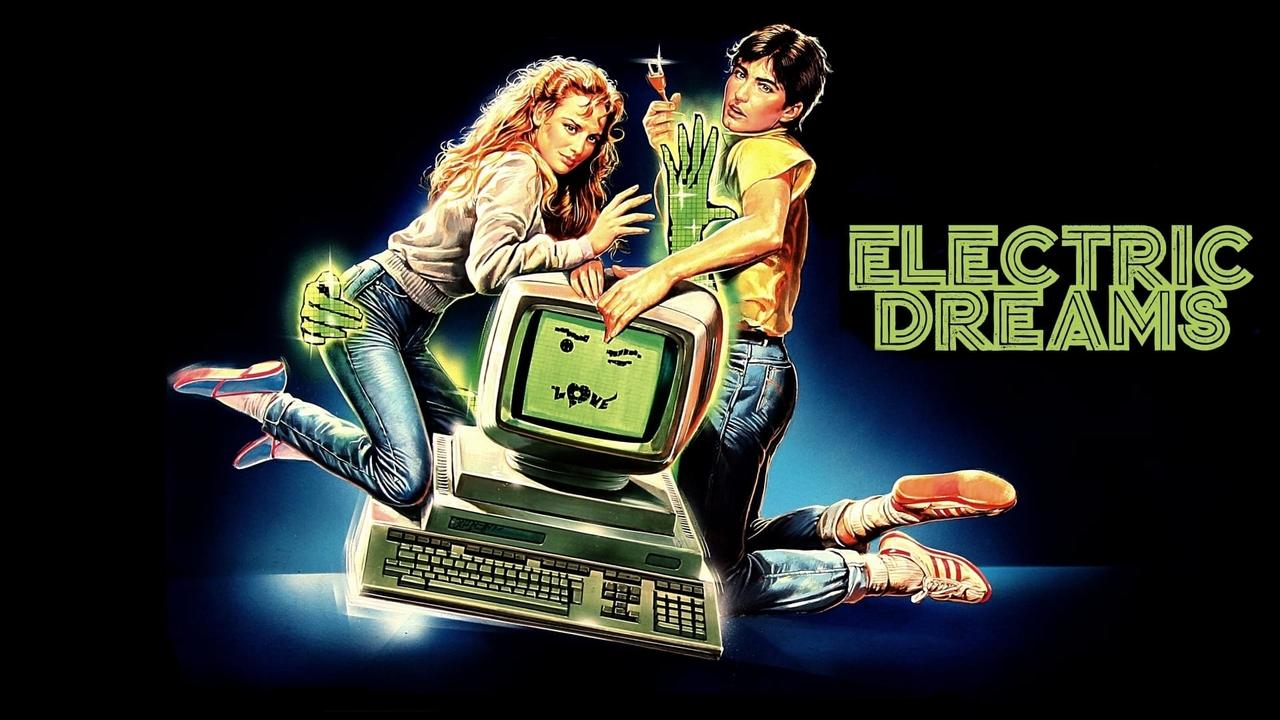
So, if you spot that distinctive cover art peering out from a dusty corner of a second-hand shop (or, you know, scrolling through a streaming service), give Electric Dreams a whirl. It’s a delightful byte of 80s fantasy – a reminder that sometimes, the most unexpected connections are forged in the warm glow of a cathode-ray tube.