Okay, let's dim the lights, maybe adjust the tracking just so, and slide this dusty cassette into the VCR. Tonight on VHS Heaven, we're venturing into the truly deep cuts, the kind of tape you might have found lurking on the bottom shelf of a mom-and-pop rental store, its slightly lurid cover hinting at gritty thrills made on a shoestring budget. We're talking about Nico Catanese's 1981 regional obscurity, Crime at the Chinese Restaurant. This isn't your slick Hollywood production; this is raw, unfiltered, drive-in adjacent filmmaking, captured on grainy film stock and brimming with a certain kind of baffling sincerity.
### Straight No Chaser Cinema
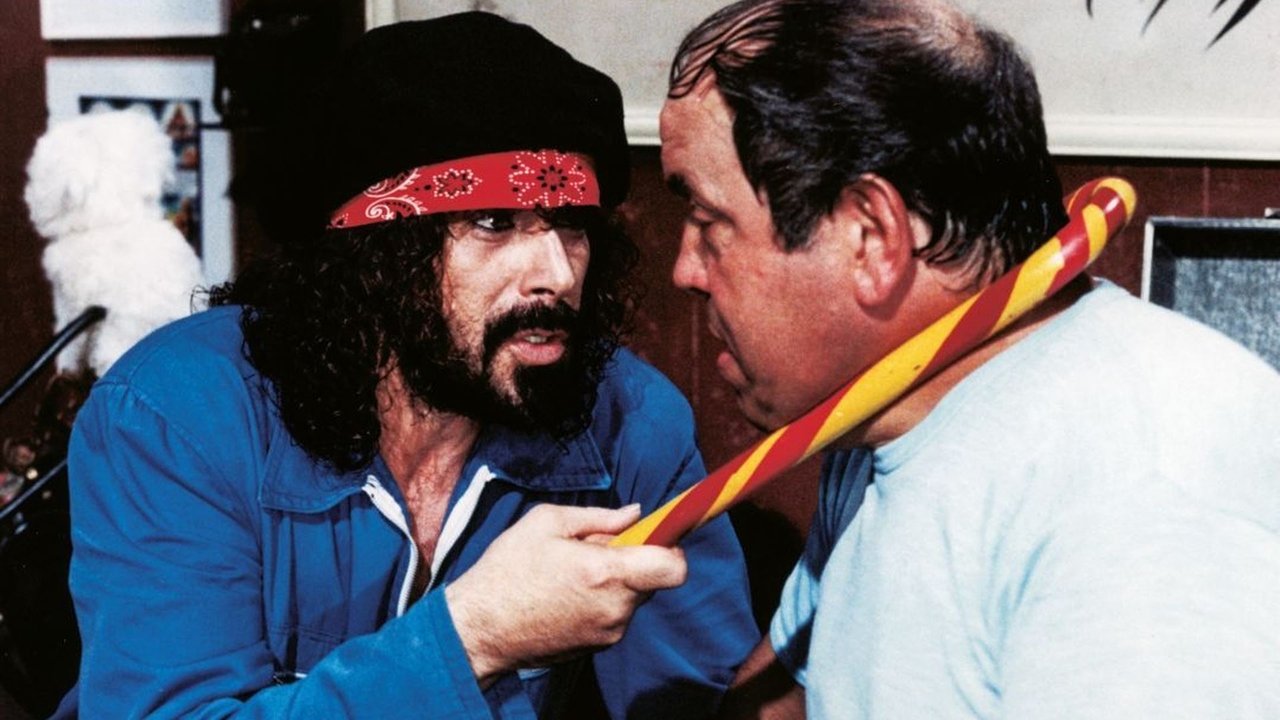
Forget intricate plots and nuanced character arcs. Crime at the Chinese Restaurant delivers exactly what its blunt title promises: there's a crime, and it happens near, or possibly involves, a Chinese restaurant. The story, penned by director/star Nico Catanese, feels like something sketched on a napkin during a long lunch break – a simple tale likely involving tough guys, maybe some stolen goods, betrayal, and the kind of dialogue that aims for hardboiled but lands somewhere charmingly earnest. This film throws you right into its low-rent world without much preamble, relying on atmosphere – thick, smoggy, early 80s urban decay atmosphere – to do the heavy lifting. It’s the kind of movie where the city itself feels like a character, albeit one filmed guerilla-style with available light and minimal permits.
### The Nico Catanese Experience
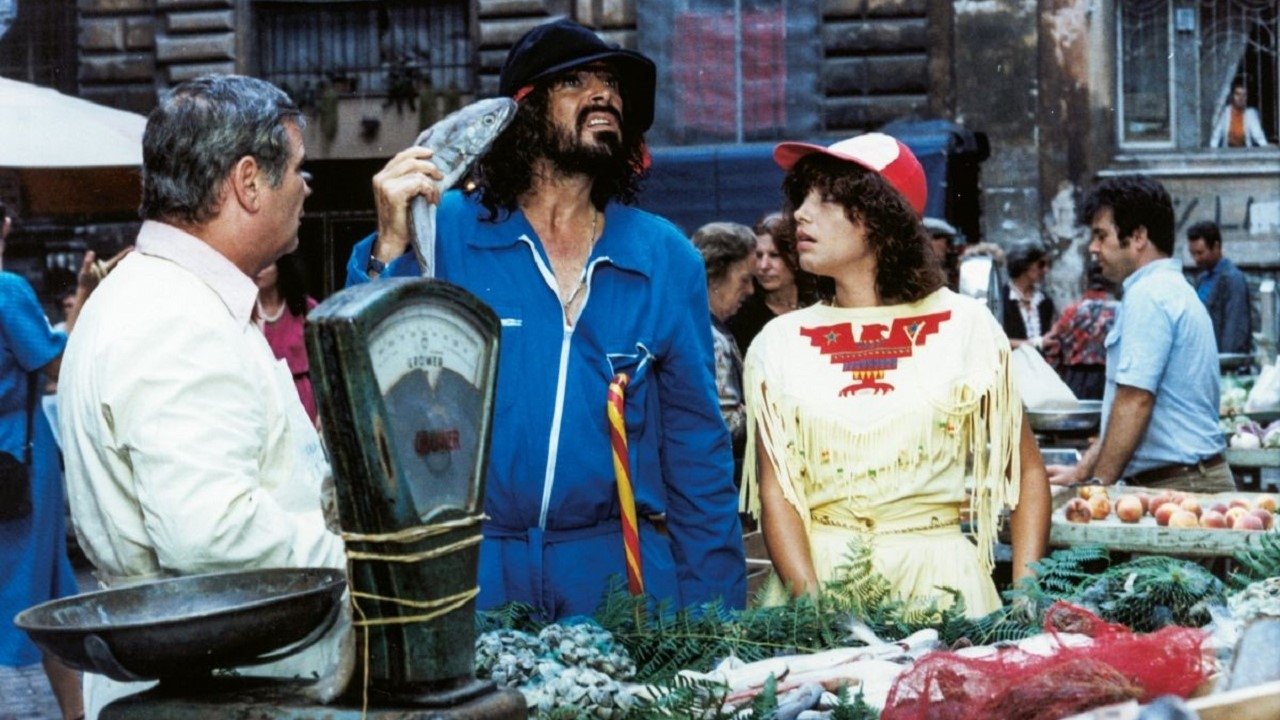
You can't talk about this film without focusing on the man behind it all: Nico Catanese. Pulling triple duty as writer, director, and lead actor, Catanese embodies the spirit of micro-budget ambition. His performance is... well, it's committed. There’s a raw energy there, even if finesse isn't the primary tool in his kit. He projects a certain street-level toughness that feels authentic to the film's gritty milieu. Flanked by performers like Lotar Bluemen and Paula Adrian, the cast creates a sort of ensemble realism born less from polished technique and more from simply being within the film's unvarnished world. You get the sense these weren't seasoned Hollywood pros, but perhaps local talents or friends roped into Catanese's singular vision. It adds to the film's peculiar, almost documentary-like texture at times. Did Catanese dream of being the next Cassavetes or maybe just the next regional exploitation king? It’s hard to say, but the sheer force of will required to get this thing made is palpable.
### When Limitations Become Character
Let's be honest: the production values here are basement-level. The cinematography might be handheld and occasionally shaky, the sound might have that slightly muffled quality common to low-budget efforts of the era, and the editing can feel abrupt. But here's the thing – for a certain kind of film fan, myself included, these aren't necessarily deal-breakers. They become part of the charm, part of the authenticity. You’re not watching a polished product; you’re watching a raw artifact. Any action sequences – a sudden fistfight, maybe a quick getaway – feel less choreographed and more like desperate scuffles. There's no slick editing or soaring score to pump things up; just the raw clumsiness of the moment, captured on film. It’s a world away from the carefully constructed practical effects extravaganzas of bigger 80s action flicks, but it possesses its own kind of visceral reality. Remember watching local commercials from that era? It often feels like that, but with more questionable motives and maybe a prop gun.
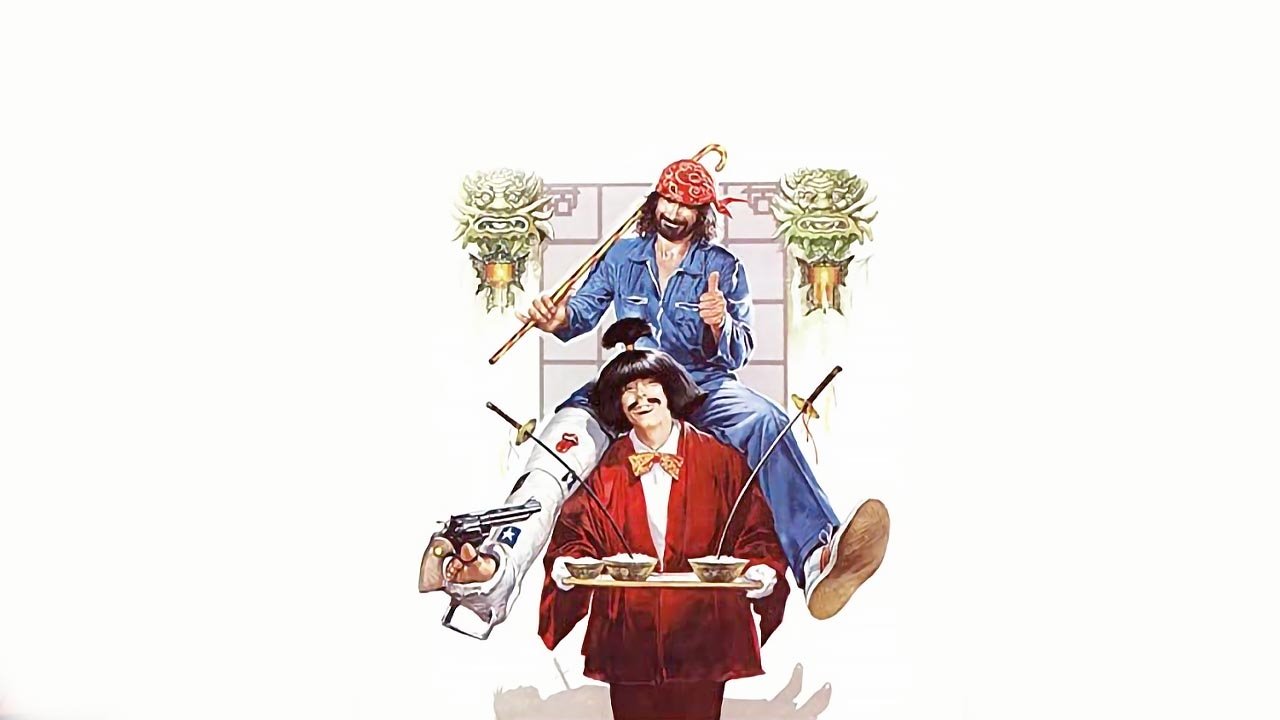
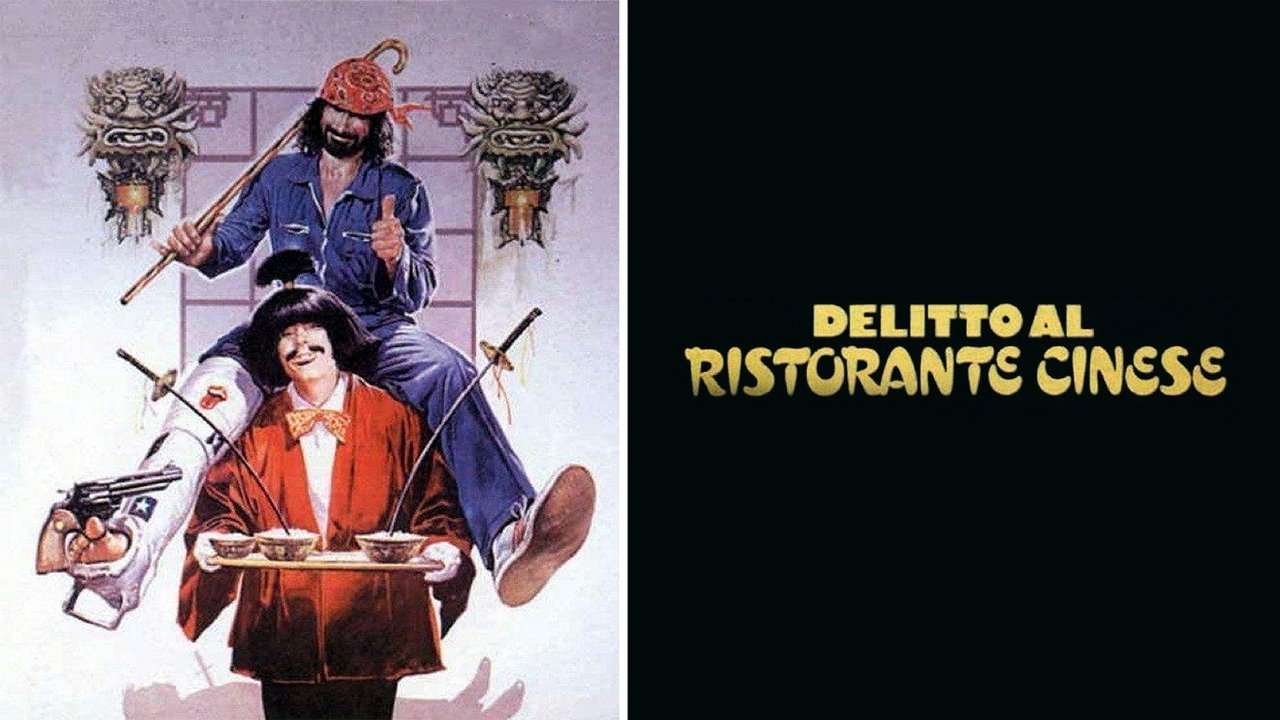
Finding specific "Retro Fun Facts" for a film this underground is like searching for a specific grain of sand on a beach. What is known is that films like this were often passion projects, financed independently, possibly through unconventional means, and distributed regionally with little fanfare. Their survival on VHS is often down to small distributors looking for any content to fill out catalogues. Was it shot on weekends over several months? Almost certainly. Did the actors double as crew? Probably. The lack of readily available trivia only adds to the film's mystique – it’s a genuine transmission from the fringes of the movie-making world, a time capsule of ambition exceeding resources.
### A Relic of Regional Grit
Crime at the Chinese Restaurant wasn't lighting up the box office charts or gracing the cover of Starlog. Its impact was likely negligible outside of whatever local screenings or specific video store shelves it managed to reach. It exists as a testament to a particular moment in independent filmmaking – post-grindhouse, pre-Miramax – where regional auteurs could scrape together enough cash and favours to put their vision, however rough, onto celluloid. It’s not a "good" film by conventional standards, but it’s a fascinating one if you have an appreciation for the sheer tenacity of DIY cinema and the unpolished aesthetic of early 80s urban grit. It’s the kind of movie that makes you wonder about the stories behind the camera as much as the one unfolding on screen.
VHS Heaven Rating: 3/10
Justification: The score reflects the film's significant technical limitations, amateurish performances, and barely-there plot. However, it earns a few points for its raw ambition, its value as a time capsule of early 80s micro-budget filmmaking, and the sheer fascinating oddity of Nico Catanese's singular vision. It's objectively rough, but possesses a strange, undeniable authenticity.
Final Thought: Forget slick car chases; this is the cinematic equivalent of a beat-up sedan with a sputtering engine – it might not get you far in style, but experiencing its clunky journey offers a unique, grimy charm you just don't find anymore. A true VHS deep dive for the adventurous viewer.