Okay, fellow tape-heads, let's dim the lights, maybe crack open a Tab cola (if you can find one!), and journey back to a time when glitter, leg warmers, and roller skates weren't just fashion choices, they were practically cinematic requirements. I'm talking, of course, about the dazzling, bewildering, and utterly unforgettable 1980 spectacle known as Xanadu. Forget subtlety; this film arrived on screen shimmering like a freshly unwrapped disco ball, promising pure magic and delivering... well, something uniquely its own.
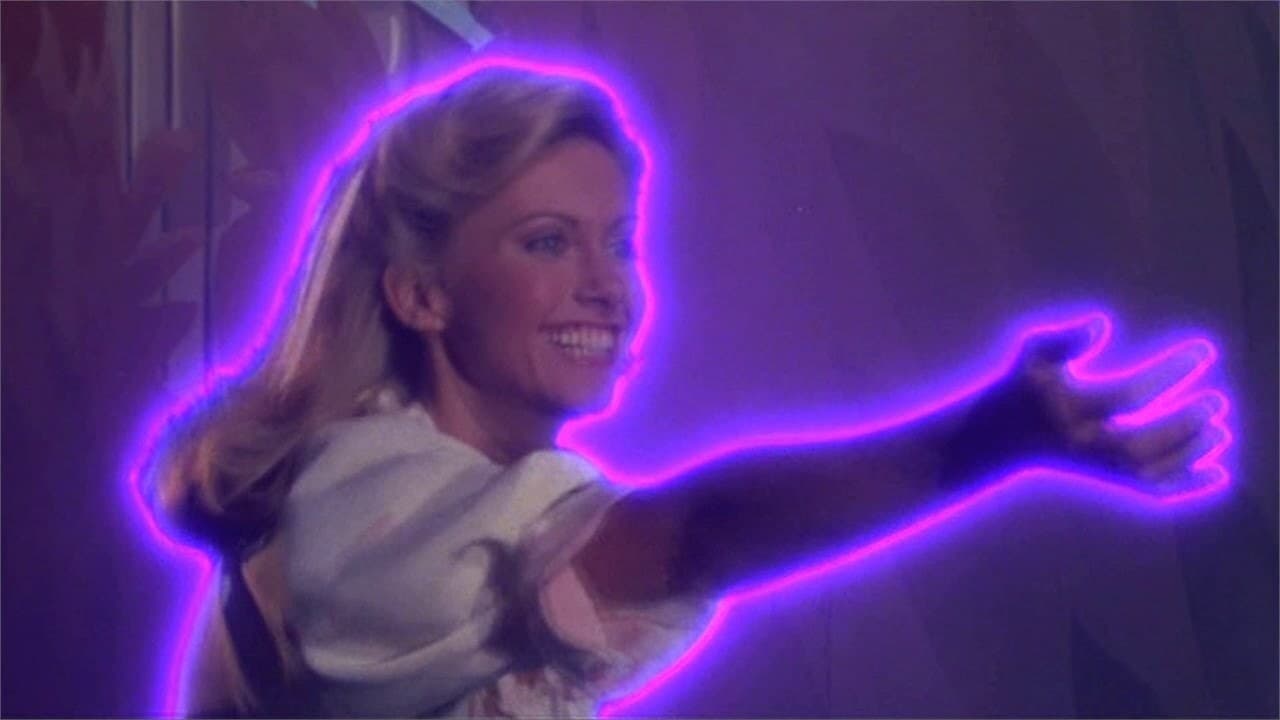
Imagine, if you will, the sheer audacity: take Olivia Newton-John, riding high on the supernova success of Grease, pair her with the brooding Michael Beck (still smoldering from The Warriors), add the legendary Gene Kelly in his final major film role, sprinkle generously with Greek mythology, douse it all in neon, set it to a killer soundtrack by Electric Light Orchestra (ELO) and ONJ herself, and centre the whole thing around building a roller disco. It sounds like a fever dream cooked up after too much sugary cereal and Saturday morning cartoons, doesn't it? And honestly, watching Xanadu often feels exactly like that – a vibrant, slightly nonsensical, yet undeniably captivating dream.
### A Muse, a Muralist, and a Mogul on Wheels
The premise, bless its heart, is wonderfully simple yet gloriously strange. Kira (Olivia Newton-John) isn't just any rollerskating beauty; she's one of the nine Muses of Olympus, sent to Earth to inspire mortals. Her target? Sonny Malone (Michael Beck), a talented but frustrated album cover artist feeling creatively blocked in Venice Beach. After a literal magical encounter (complete with glowing outlines!), Kira inspires Sonny to team up with Danny McGuire (Gene Kelly), a former big band clarinetist dreaming of opening a snazzy nightclub like the ones he remembers from the 40s. Their combined vision, fueled by Kira's ethereal encouragement? A state-of-the-art roller disco palace named... Xanadu. It’s boy meets girl, meets muse, meets architectural ambition on eight wheels.

While the plot might feel like it was sketched on a napkin between takes, the earnestness is palpable. Newton-John simply radiates sweetness and light, embodying the otherworldly muse with a kind of naive charm that papers over some of the script's sillier moments. Beck, tasked with being the romantic lead caught between artistic angst and mythological romance, does his best, though the chemistry sometimes feels more forced than fated. And then there's Gene Kelly. Seeing the icon of Singin' in the Rain tapping and even roller skating alongside ONJ is both slightly surreal and genuinely heartwarming. Reportedly, Kelly was drawn to the project to connect with a younger generation, and his presence lends the film a touch of old Hollywood class amidst the futuristic (for 1980) glitz.
### Sound and Vision Overload
Let's be honest: the main reason Xanadu pulses in our collective memory is twofold: the music and the visuals. The soundtrack is wall-to-wall perfection. ELO's contributions ("I'm Alive," "All Over the World," "Don't Walk Away") are pure Jeff Lynne genius, soaring orchestral pop that perfectly captures the film's optimistic, fantastical tone. Olivia Newton-John's tracks, including the dreamy title song and the chart-topping "Magic," are equally iconic. This soundtrack album was a massive hit, far outshining the film's box office performance, and remains a beloved slice of early 80s pop. Hearing these songs instantly transports you back, doesn't it?
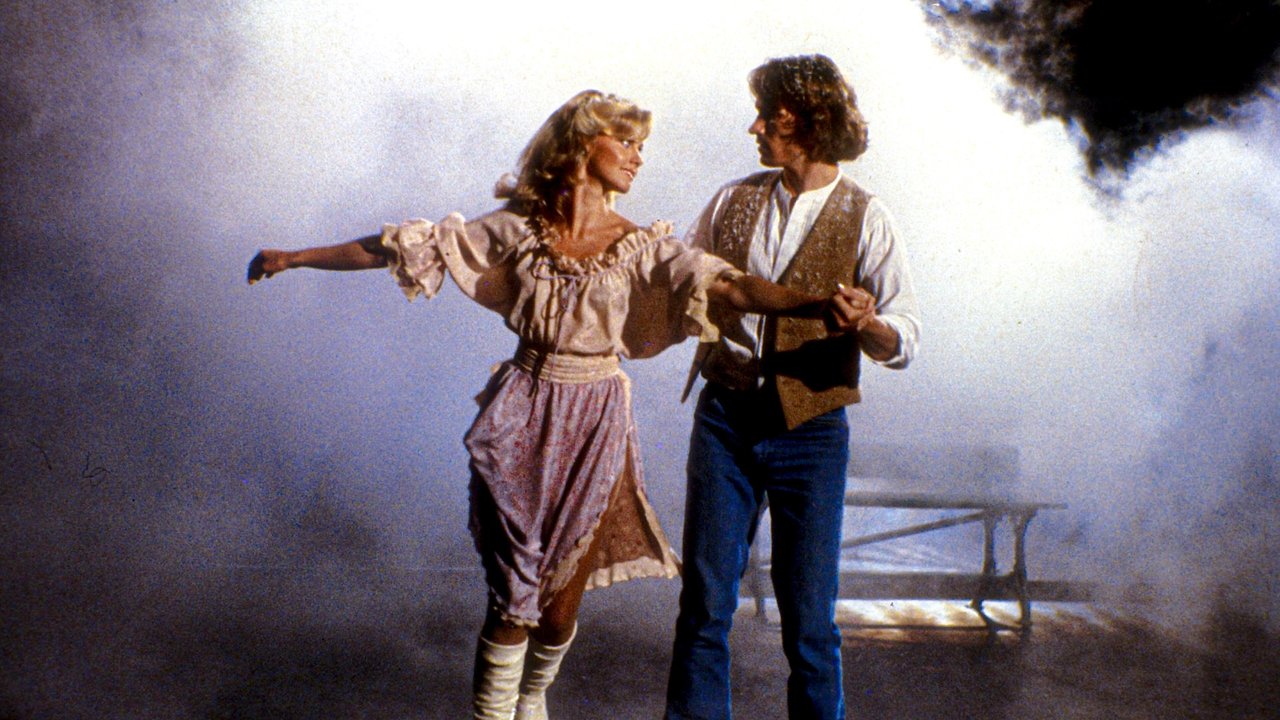
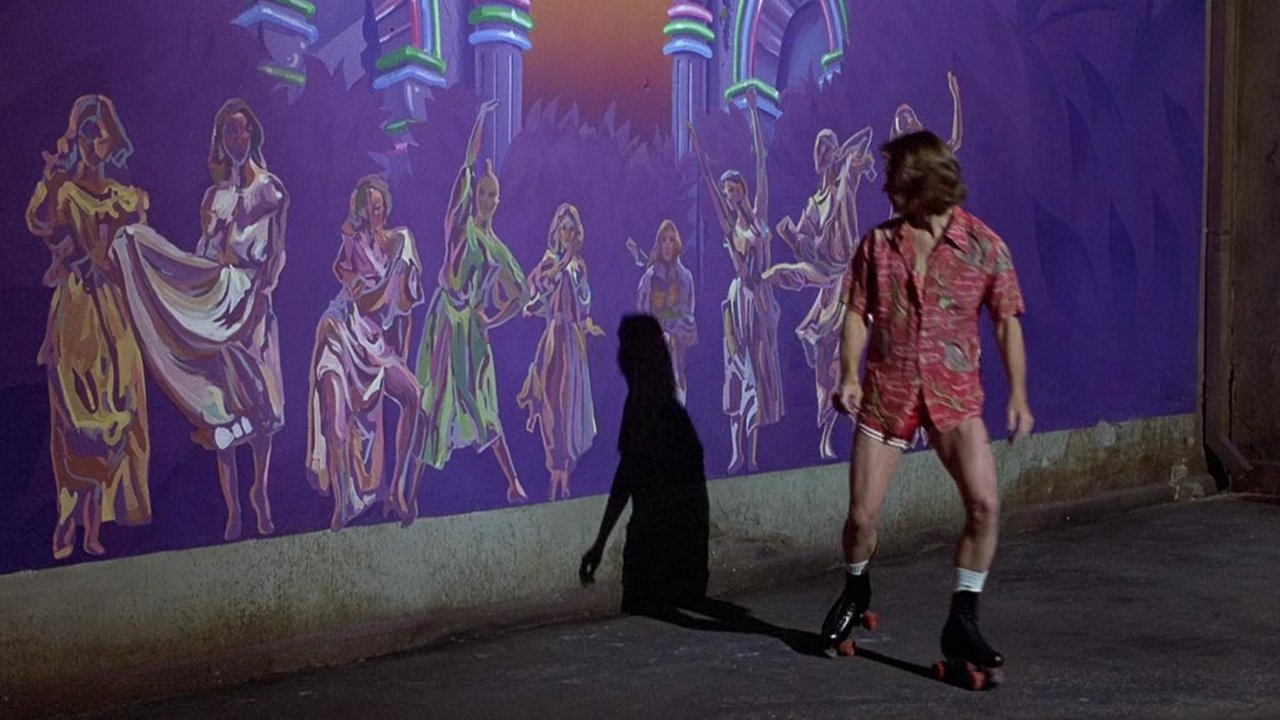
Visually, Xanadu is a trip. Director Robert Greenwald (who would later direct films like Steal This Movie!) throws everything at the screen. We get glowing muses, bizarre transformations, lens flares galore, and that utterly unique animated sequence courtesy of Don Bluth and his team, who had recently struck out on their own after leaving Disney. This blend of live-action, animation, and musical numbers felt ambitious, even if the seams sometimes showed. The finale, set within the newly opened Xanadu club, is an explosion of spandex, neon, and synchronised skating that has to be seen to be believed. It’s pure, unadulterated visual excess, charmingly dated now but undeniably eye-catching.
### Behind the Glitter Ball: Myths and Mishaps
Despite its vibrant energy, Xanadu's journey to the screen wasn't exactly smooth sailing. Conceived during the roller disco craze, the production, helmed by producer Joel Silver (who'd later become an action movie king with Lethal Weapon and Die Hard), faced script issues, with multiple writers (Richard Christian Danus, Marc Reid Rubel) trying to wrangle the disparate elements into a cohesive whole. The budget ballooned to around $20 million (a hefty sum back then, roughly $74 million today), but the film only managed to gross about $22.8 million worldwide (around $84 million today). Critically, it was savaged. Xanadu became practically synonymous with cinematic failure, famously inspiring John Wilson to create the Golden Raspberry Awards (Razzies), where it 'won' the first-ever Worst Director award.
Yet, time has been strangely kind to Xanadu. What was once derided is now often celebrated, albeit with a knowing wink. Its sheer sincerity, combined with its undeniable camp factor and that incredible soundtrack, has earned it a devoted cult following. Fans appreciate its unique blend of fantasy, romance, and musical numbers, seeing beauty in its bold, if sometimes clumsy, ambition. It even spawned a surprisingly successful and critically acclaimed Broadway musical adaptation in 2007, which cleverly leaned into the film's charming absurdity.
### Final Verdict
Xanadu is not a traditionally 'good' film by conventional metrics. The plot is flimsy, the dialogue often clunky, and some performances feel a bit lost in the spectacle. However, judging Xanadu solely on those terms misses the point. It's a time capsule, a glorious explosion of early 80s aesthetics and optimism poured directly onto celluloid (or, more fittingly for us, magnetic tape!). It possesses a strange, infectious energy fueled by its fantastic music, Olivia Newton-John's luminous presence, and its own unwavering belief in magic, love, and, yes, roller discos. Watching it today feels like unearthing a cherished, slightly embarrassing, but ultimately joyful memory.

Rating: 6/10
Justification: While the narrative stumbles and the camp is undeniable, the stellar soundtrack (a solid 10/10 on its own), Olivia Newton-John's radiant star power, the nostalgic visual overload, and its status as a fascinatingly flawed cult artifact make it essential viewing for fans of the era. It fails spectacularly in some ways, but succeeds wonderfully in others, particularly in capturing a specific, glitter-dusted moment in time.
So, slide that well-worn VHS copy into the VCR (or, you know, find it streaming). Xanadu remains a strangely beautiful disaster, a neon-lit dream on wheels that reminds us sometimes the most memorable journeys are the ones that don't quite follow the map. And honestly, who didn't want glowing roller skates after watching this?