Alright, rewind your minds with me for a second. Picture this: Friday night, the smell of popcorn in the air, and that satisfying clunk as you slot a well-worn VHS tape into the VCR. If you were lucky, maybe that tape was Hal Needham's glorious ode to the unsung heroes of Hollywood, Hooper (1978). This wasn't just another Burt Reynolds vehicle; it felt like pulling back the curtain on the bruises, the beers, and the sheer bonkers bravery of the stunt world, served up with a healthy dose of charisma and controlled chaos.
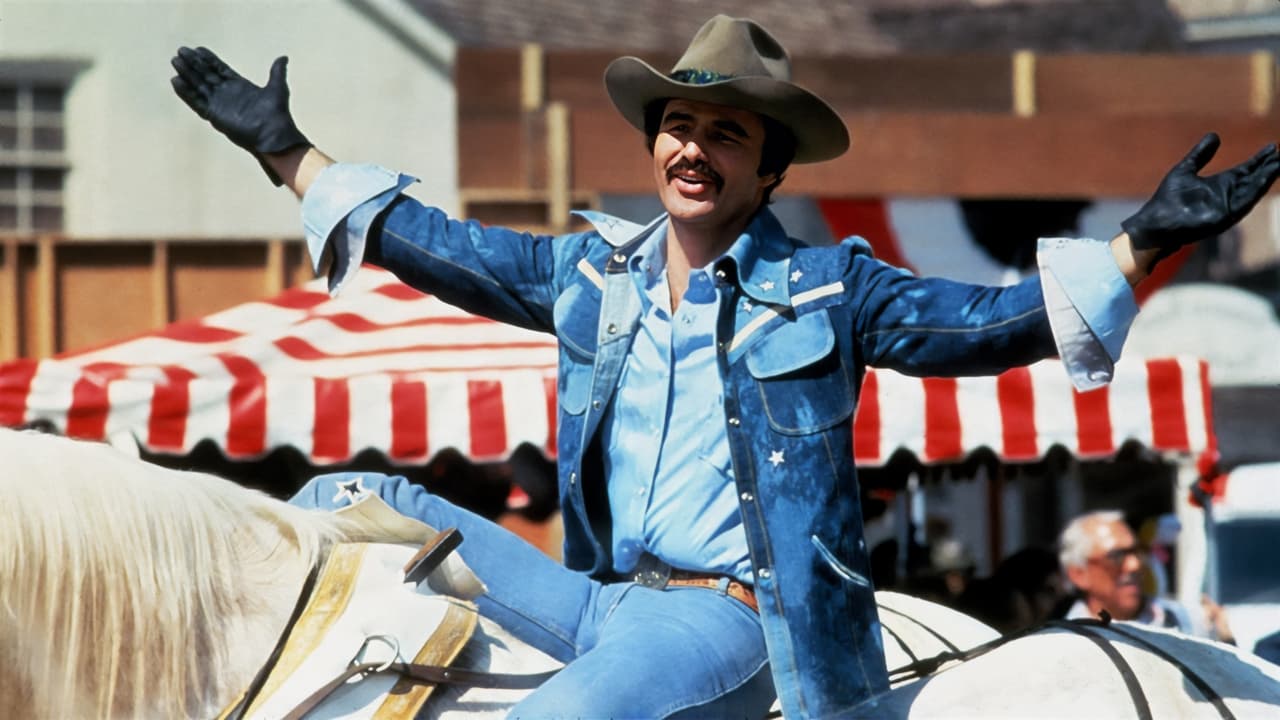
Needham's Love Letter
You can't talk about Hooper without talking about Hal Needham. The man was stunt work before he stepped behind the camera for hits like Smokey and the Bandit (1977). Hooper feels deeply personal, a cinematic thank-you note written in tire smoke and breakaway glass to the men and women who risked life and limb for our entertainment. It stars his frequent collaborator and friend, Burt Reynolds, as Sonny Hooper, the aging, aching king of Hollywood stuntmen. Reynolds, arguably at the peak of his megawatt stardom, embodies Hooper with that perfect blend of swagger, vulnerability, and a "hold my beer" attitude towards physics. He reportedly even performed some of his own less dangerous stunts, adding another layer of authenticity, though maybe not the one where he famously broke his tailbone during a fall. Ouch.
The Old Guard Meets the New Blood
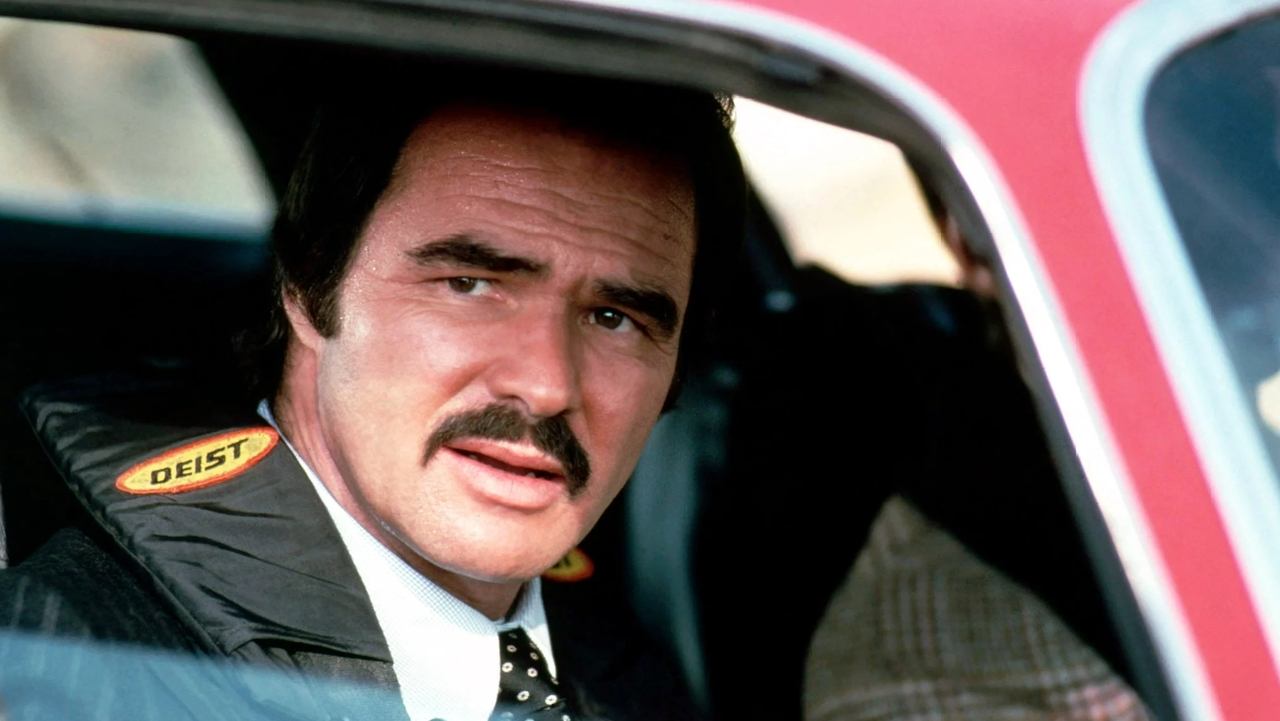
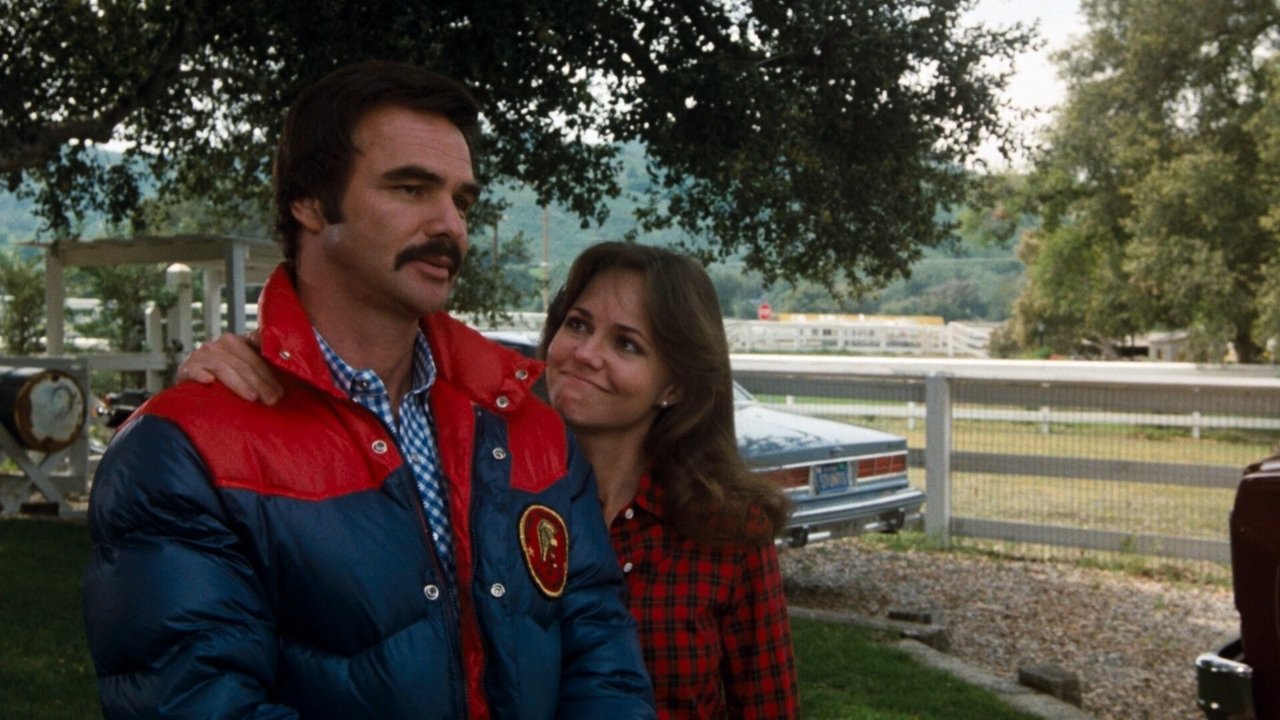
The core conflict isn't some nefarious villain, but the relentless march of time and technique. Hooper is facing down not just his own accumulating injuries (and a concerned girlfriend, played with spark by Sally Field, Reynolds' real-life partner at the time), but also the arrival of a younger, fitter, more technically minded rival, Delmore "Ski" Chidsky (Jan-Michael Vincent). Vincent, who’d later find TV fame with Airwolf, brings a different energy – less instinct, more calculation. Their rivalry, initially tense, blossoms into a grudging respect built on shared danger. It’s a classic setup, but it feels earned because the backdrop – the movie-within-a-movie set – feels so grounded in the realities Needham knew intimately. You can almost smell the exhaust fumes and hear the crew banter.
Pure Practical Mayhem
Let's be honest, we came for the action, and Hooper delivers in spades, showcasing the kind of jaw-dropping practical stunts that defined an era. Forget polished CGI; this is the real deal. Remember that insane bar fight that spills out into the street? It’s beautifully choreographed chaos, full of flying bodies and collapsing scenery, feeling both dangerous and hilarious. The car chases are pure Needham magic – screeching tires, near misses, and vehicles doing things they were absolutely not designed to do. These sequences felt real because, well, they mostly were. Stunt performers were putting themselves on the line, timing everything perfectly, often with only rudimentary safety gear compared to today. There's a visceral weight to the impacts, a tangible sense of risk that modern, smoother digital effects often struggle to replicate.
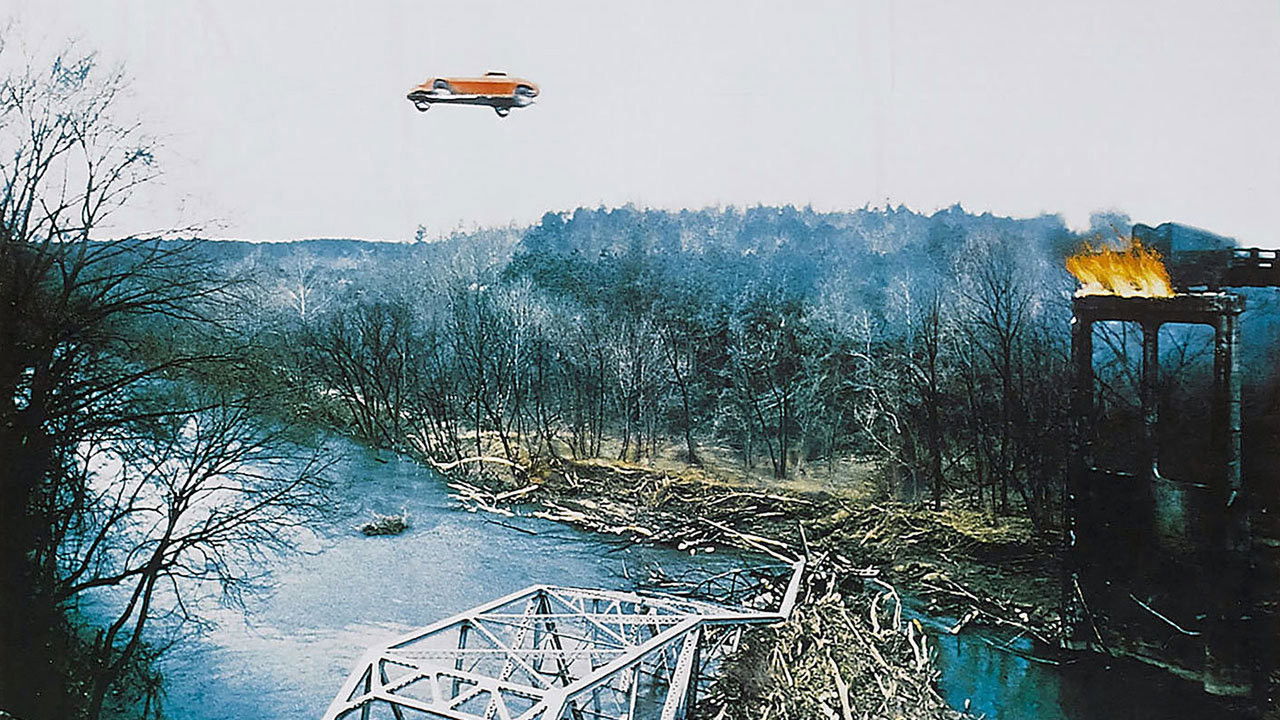
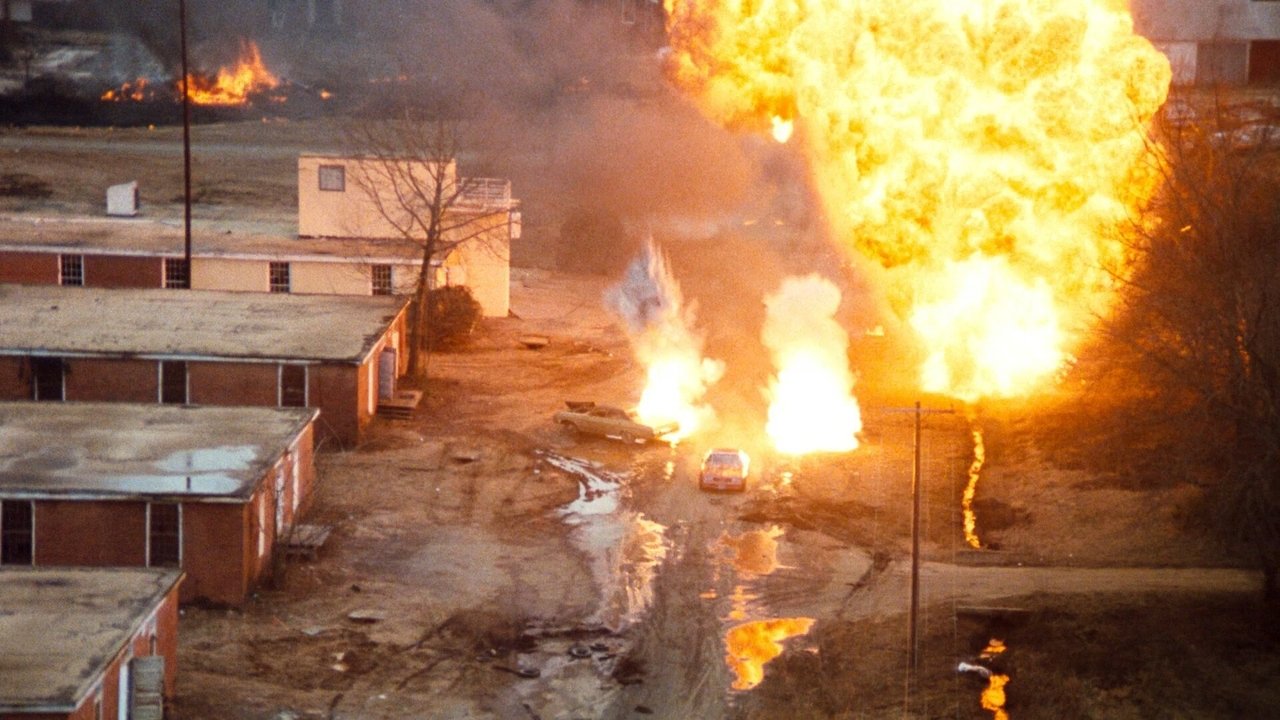
The film culminates in arguably one of the most legendary stunt sequences ever put on film: the earthquake climax for the fictional movie "The Spy Who Laughed at Danger." This sequence throws everything at the screen – collapsing buildings, explosions, high falls, and the pièce de résistance: the rocket-powered Pontiac Trans Am jumping a collapsed bridge. This wasn't movie magic in the digital sense; they actually did it. The final jump, filmed near Tuscaloosa, Alabama, reportedly utilized a genuine rocket engine (though heavily modified for stability) and set a world record at the time for a rocket-powered car jump. Seeing that red Trans Am soar through the air, knowing it was a real vehicle with a real (albeit dummy) payload, was pure, unadulterated cinematic awe back in the day. Didn't that whole sequence just feel unbelievably ambitious for its time?
More Than Just Bangs and Crashes
While the stunts are the main event, Hooper has heart. The camaraderie among the stunt crew feels genuine, likely reflecting Needham's own experiences. There are laughs, moments of reflection on the physical toll of the job, and a genuine affection for the slightly mad world of filmmaking. Supporting actors like Brian Keith as Jocko, Hooper's father-in-law and a former stunt legend himself, add grizzled gravitas. James Best (best known as Rosco P. Coltrane!) also pops up as the demanding director of the film-within-the-film. The film was a smash hit, grossing $78 million against a $6 million budget (that's like, $350 million today!), proving audiences were hungry for this blend of high-octane action and behind-the-scenes charm.
VHS Heaven Rating: 8/10
The rating reflects the film's sheer entertainment value, its groundbreaking practical stunt work that still holds up incredibly well, and its genuine heart. It perfectly captures a specific moment in action filmmaking and serves as a fantastic tribute to the daredevils who made it possible. Yes, some of the humor and attitudes are firmly planted in the late 70s, but the core appeal – the spectacle, the charisma, the respect for the craft – remains undeniable.
Hooper is pure comfort food cinema for anyone who misses the days when action felt undeniably, dangerously real. It’s a reminder that before green screens dominated, movie magic often meant strapping into a car, lighting a fuse, and hitting the gas – a true relic of practical pyrotechnics and raw nerve from the golden age of stunt work. Fire it up again; it still delivers the goods.