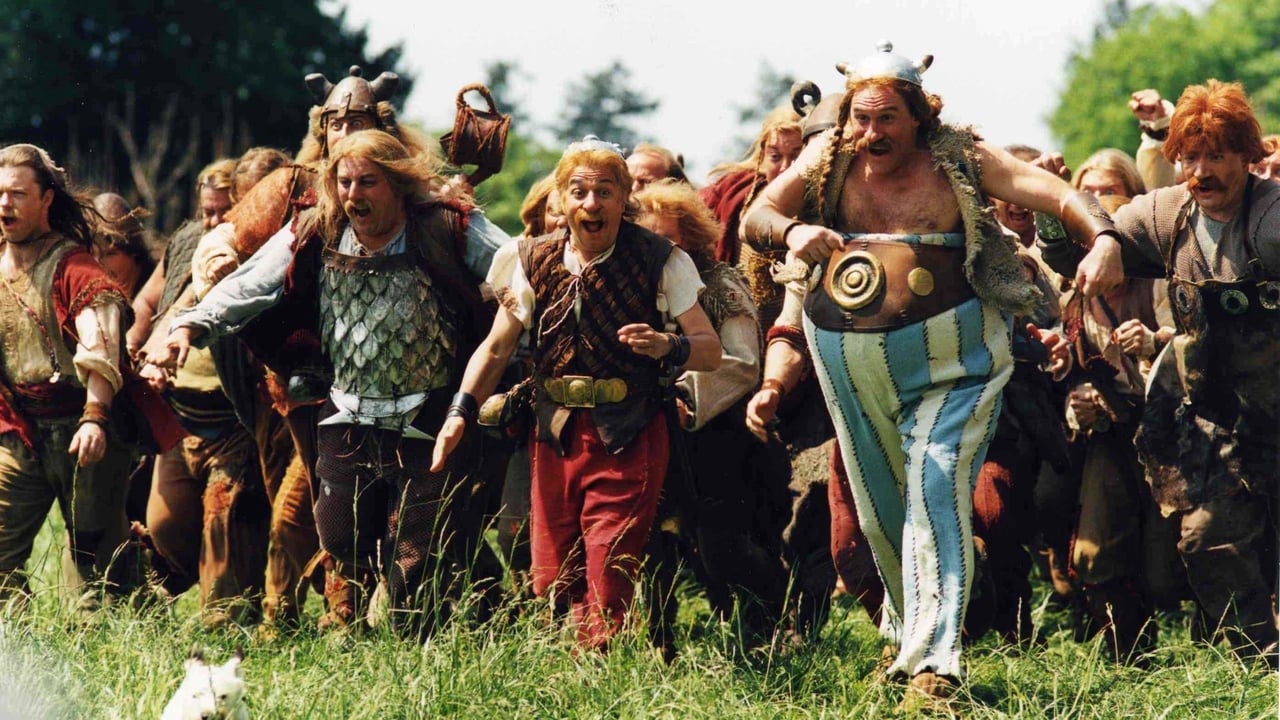
Alright Gauls and Romans, gather 'round the flickering CRT! Tonight on VHS Heaven, we're popping in a tape that felt colossal back in the day, a European production bursting at the seams with ambition, stars, and more flying Romans than you could shake a menhir at: 1999’s Asterix & Obelix Take on Caesar (original title: Astérix et Obélix contre César). Directed by French comedy veteran Claude Zidi, this wasn't just another movie; it was the first live-action attempt to capture the magic of René Goscinny and Albert Uderzo's legendary comics, backed by a budget that was, by Toutatis, astronomical for a French film at the time (reportedly over $40 million – serious denarii!).
### Bringing the Unconquerable Gauls to Life
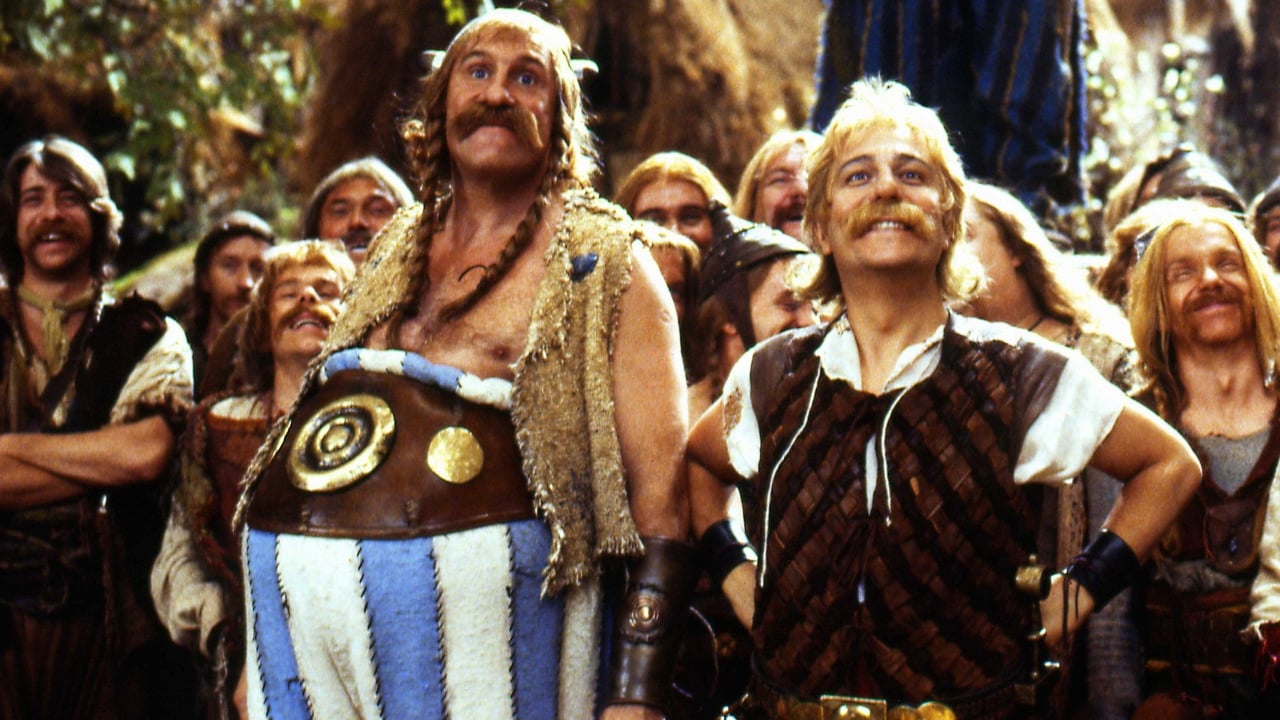
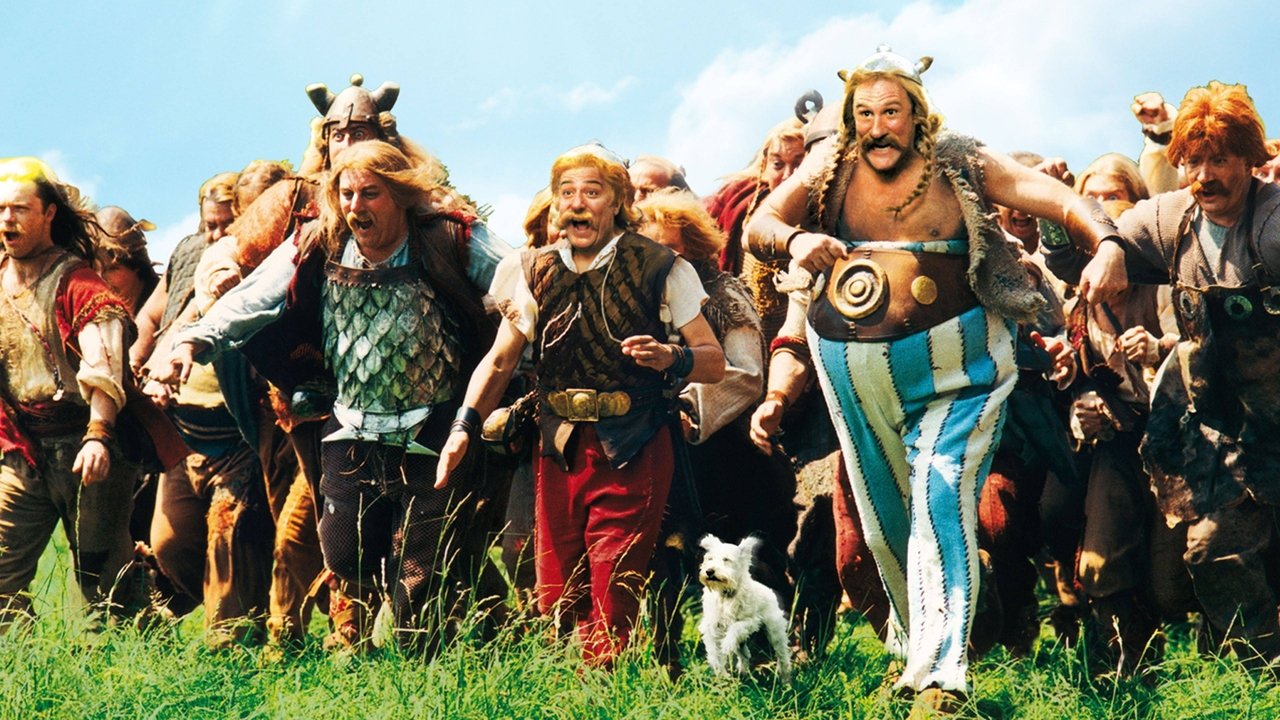
Finding the right actors to embody these iconic characters was crucial, and honestly, they nailed it. Christian Clavier, already a massive star in France partly thanks to the Les Visiteurs comedies, brings the right mix of cunning, exasperation, and slight stature to Asterix. But it’s Gérard Depardieu as Obelix who feels like he literally walked off the page. Burly, childlike, and utterly devoted to his dog Dogmatix (Idéfix in the original) and wild boar, Depardieu is Obelix. Forget CGI muscle suits; Depardieu reportedly gained considerable weight for the role, adding a physical authenticity that grounds the character amidst the cartoonish chaos. You believed he could actually punch his way through a Roman legion. A Retro Fun Fact: Depardieu became so synonymous with the role he'd reprise it in all the subsequent live-action sequels, becoming the franchise's anchor.
The plot mashes together elements from several beloved Asterix books (Asterix the Gaul, Asterix and the Soothsayer, Asterix and the Goths, Asterix the Legionary, and Asterix the Gladiator). Essentially, Caesar (Gottfried John, suitably imperious) is fed up with that one village holding out, while his scheming second-in-command, Detritus, plots to steal the magic potion and seize power. When the druid Getafix (Panoramix) is kidnapped, it’s up to Asterix and Obelix to rescue him, leading them from their forest home to Roman dungeons and ultimately, the gladiatorial arena.
### Enter the Scene-Stealing Villain
While Gottfried John makes for a decent Caesar, the film’s wild card is undoubtedly Roberto Benigni as the treacherous Detritus. Fresh off his exuberant Oscar win for Life is Beautiful (1997), Benigni’s casting was a major international coup. Detritus isn't a direct comic character but an amalgamation of Roman schemers, allowing Benigni free rein to inject his signature manic energy. He twitches, schemes, and mugs with an abandon that sometimes feels like it belongs in a different film, yet somehow works within the movie's heightened reality. Retro Fun Fact: Benigni apparently improvised a significant amount of his dialogue, adding an unpredictable energy that keeps you watching whenever he’s scheming on screen. His performance is pure, uncut Benigni, a whirlwind of tics and ambition.
### That Late-90s Practical Spectacle!
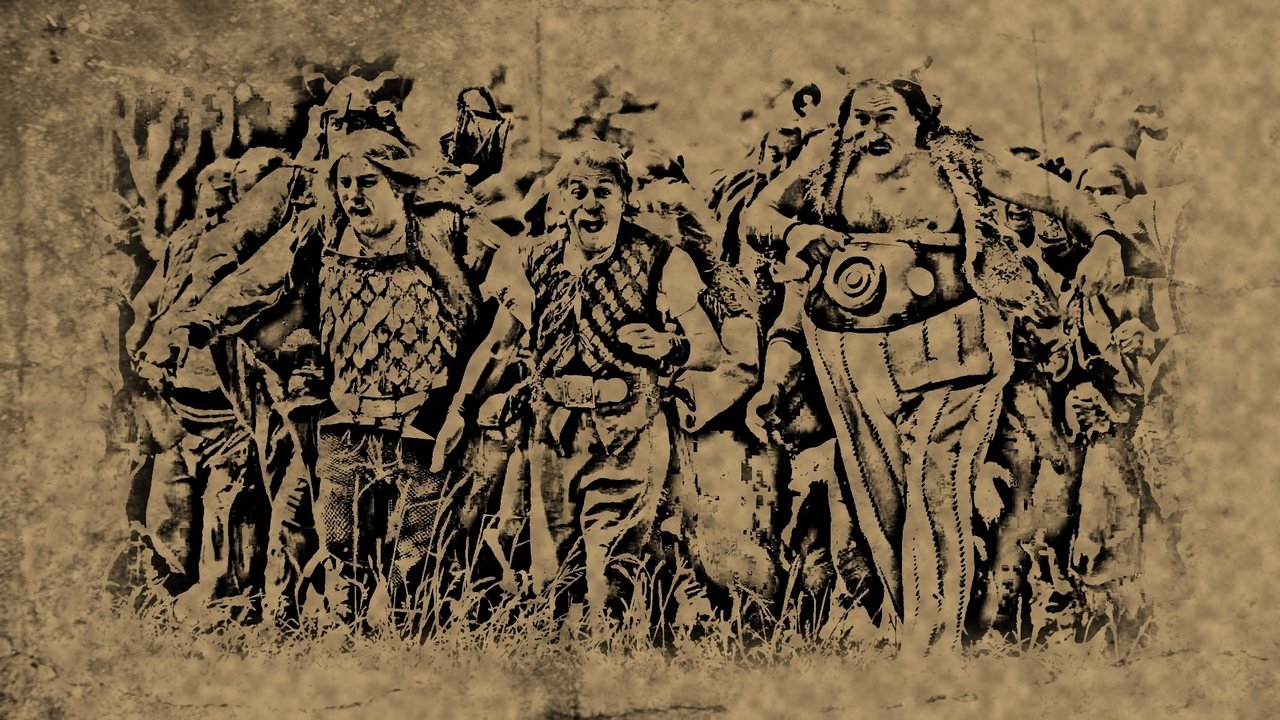
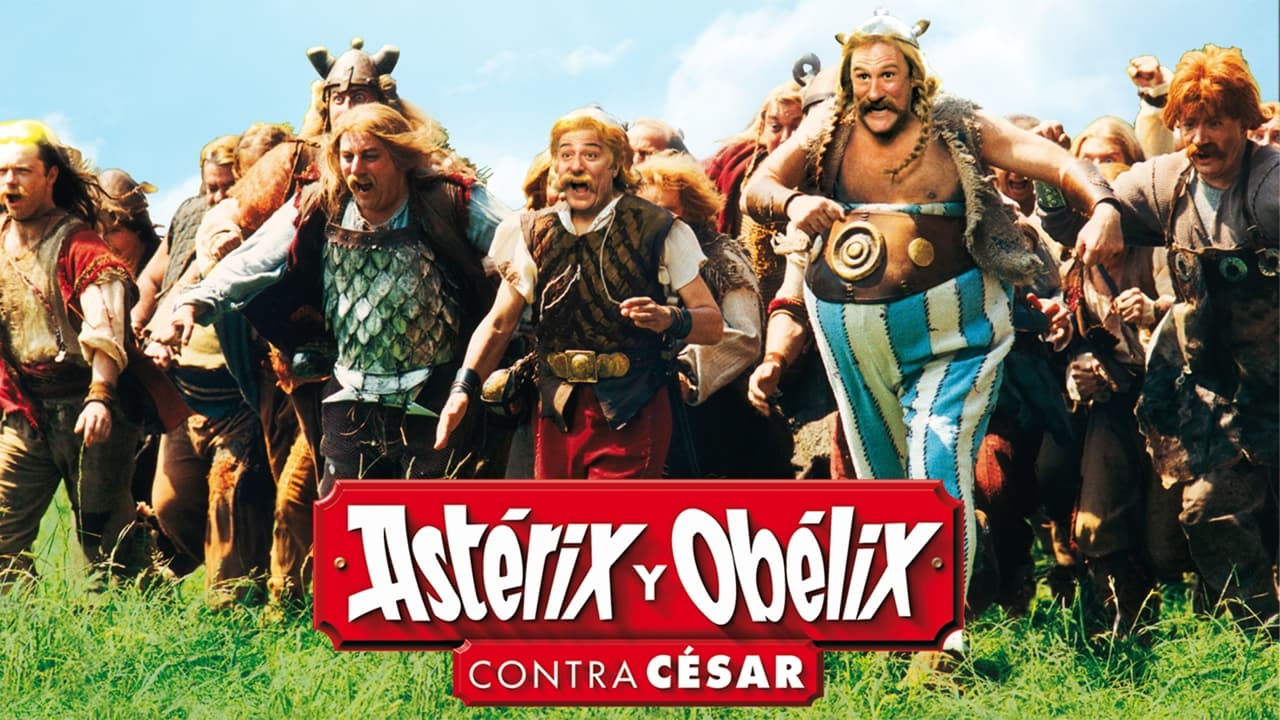
Now, let's talk about the action and scale, because that's where Asterix truly felt like a blockbuster event back in '99. Forget the slick, often weightless CGI crowds of today. Director Claude Zidi, known for comedies but also La Totale! (the inspiration for James Cameron’s True Lies), marshalled thousands of extras for the Roman legion scenes. When Obelix ploughs through soldiers, you feel the impact because those are real stunt performers getting tossed around (safely, we hope!). Remember how tangible those massed ranks of Romans looked? The village, the Roman camps, the arena – they were built, they were dressed, they felt real.
The film revels in the comic book violence – Romans sent flying into the stratosphere, spectacular pile-ups, all achieved with clever wirework, trampolines, and good old-fashioned stunt coordination. Sure, some of the effects look a bit dated now, maybe a wire is visible if you squint at your fuzzy VHS copy, but there’s a charm to its practicality. The magic potion effects, the transformations, even the climactic arena battle featuring real animals (including elephants!) – it all has a physical presence. Retro Fun Fact: The massive budget allowed for extensive location shooting in France and Germany, plus complex set construction at Bavaria Film Studios, contributing to that impressive, tangible world-building that still holds up. They really threw everything and the kitchen sink (or perhaps the nearest menhir) at the screen.
### Capturing the Spirit (Mostly)
Does it perfectly capture the wit and satirical edge of the Goscinny/Uderzo originals? Not always. The humour is broad, often slapstick, and some of the puns and wordplay intrinsic to the French comics inevitably get lost in translation (even with decent dubbing or subtitles). Yet, the film absolutely nails the visual aesthetic – the costumes, the character designs, the vibrant colours – it looks like an Asterix book brought to life. The score by Jean-Jacques Goldman and Roland Romanelli adds to the jaunty, adventurous atmosphere.
It might not be high art, and the pacing occasionally drags between the big set pieces, but the film radiates a genuine affection for the source material. It was a massive hit in France, becoming one of the country's highest-grossing films ever at the time and proving that large-scale, effects-driven blockbusters weren't solely Hollywood's domain. It successfully launched a film series that continues, in various forms, to this day.
### The Final Tally
Asterix & Obelix Take on Caesar is a boisterous, colourful, and endearingly chaotic adaptation. It’s powered by perfect casting for the leads, a scene-stealing turn from Benigni, and a commitment to practical effects and large-scale spectacle that feels refreshingly tangible compared to modern digital epics. It stumbles occasionally in pacing and nuance, but its heart is firmly in the right place.
VHS Heaven Rating: 7/10
Justification: The score reflects the film's undeniable fun factor, its impressive (for the time) practical scale, spot-on casting of Asterix and Obelix, and its historical significance as a hugely ambitious European blockbuster. Points are slightly deducted for uneven pacing and humour that doesn't always travel perfectly, but the overall experience remains a joy.
Final Thought: This is late-90s blockbuster filmmaking with a distinctly European flavour – big, loud, a little messy, but brimming with practical charm and comic book energy. A delightful trip back to when sending stuntmen flying felt more real than any pixelated army. Definitely worth digging out of the archives!