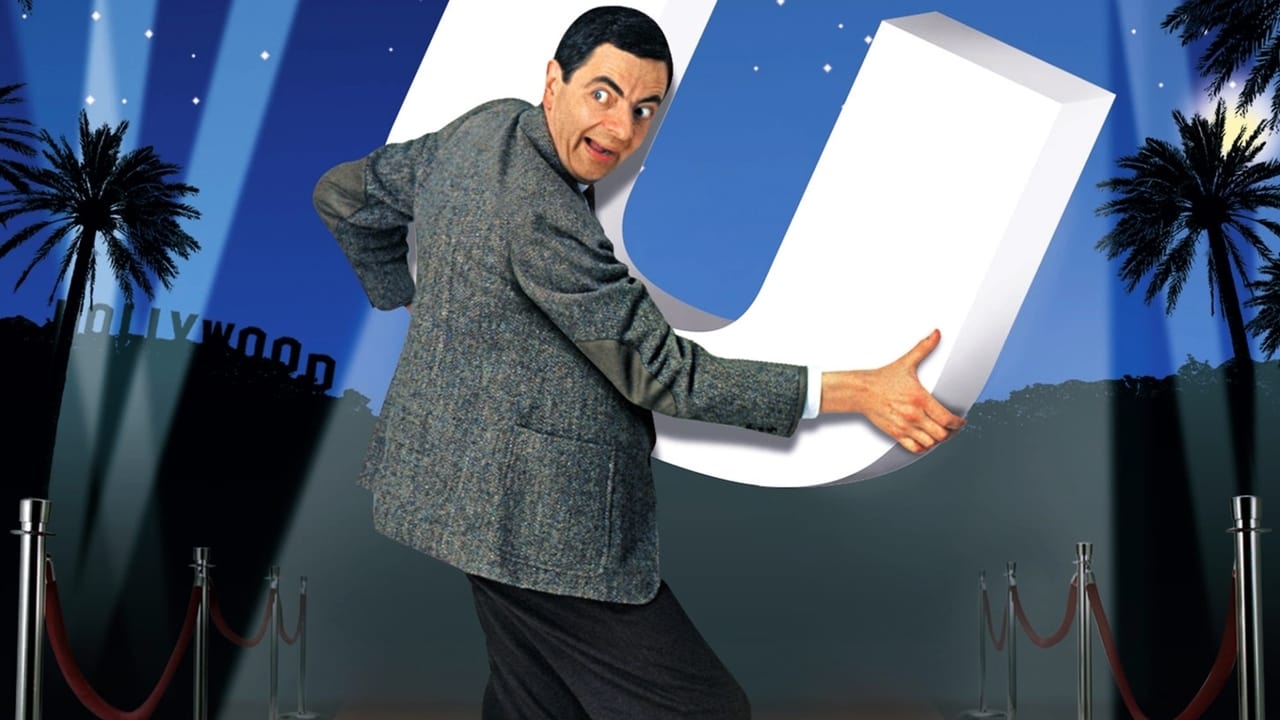
Alright, rewind your minds with me for a second. Picture the video store shelf, maybe Blockbuster, maybe your local independent haunt. Amidst the explosive action covers and dramatic stares, you spot that familiar, slightly gormless face in the tweed jacket. Yep, it’s Rowan Atkinson, and he’s bringing Mr. Bean to the big screen in Bean (sometimes titled Bean: The Ultimate Disaster Movie), released smack bang in 1997. For fans of the near-silent TV show, this was huge news. Could the master of minimalist mayhem translate his uniquely physical comedy into a full-length feature film? The answer, like Bean himself, turned out to be delightfully awkward and surprisingly successful.

### From Small Screen Chaos to Hollywood Havoc
The premise is pure, high-concept 90s comedy gold: the Royal National Gallery in London, desperate to rid themselves of their most inept (and seemingly indestructible) employee, Mr. Bean, dispatches him to Los Angeles. He's sent under the guise of being a brilliant art scholar, "Dr." Bean, to oversee the arrival of the iconic painting Whistler's Mother at a prestigious LA gallery, purchased for a cool $50 million by a benevolent general (Burt Reynolds in a fun cameo). The gallery curator, David Langley (Peter MacNicol, perfectly cast as the increasingly frazzled host), believes he's welcoming a genius. What he gets, of course, is Bean – a walking catastrophe in a cheap suit.
Translating a character who barely spoke on television was the film's biggest gamble. The beloved UK show relied almost entirely on Atkinson's incredible gift for mime and physical comedy, finding humour in the mundane struggles of everyday life. The film, co-written by Bean veteran Robin Driscoll and rom-com maestro Richard Curtis (yes, the very same Richard Curtis behind Four Weddings and a Funeral (1994) and Notting Hill (1999)), made the decision to give Bean slightly more dialogue. It wasn't much, but hearing Bean string together a few words felt momentous, almost jarring, for hardcore fans back then. Did it work? Mostly. It allowed for interactions and plot progression that would have been impossible otherwise, though some of the pure, silent genius of the original was inevitably diluted.
### The Genius of Physicality
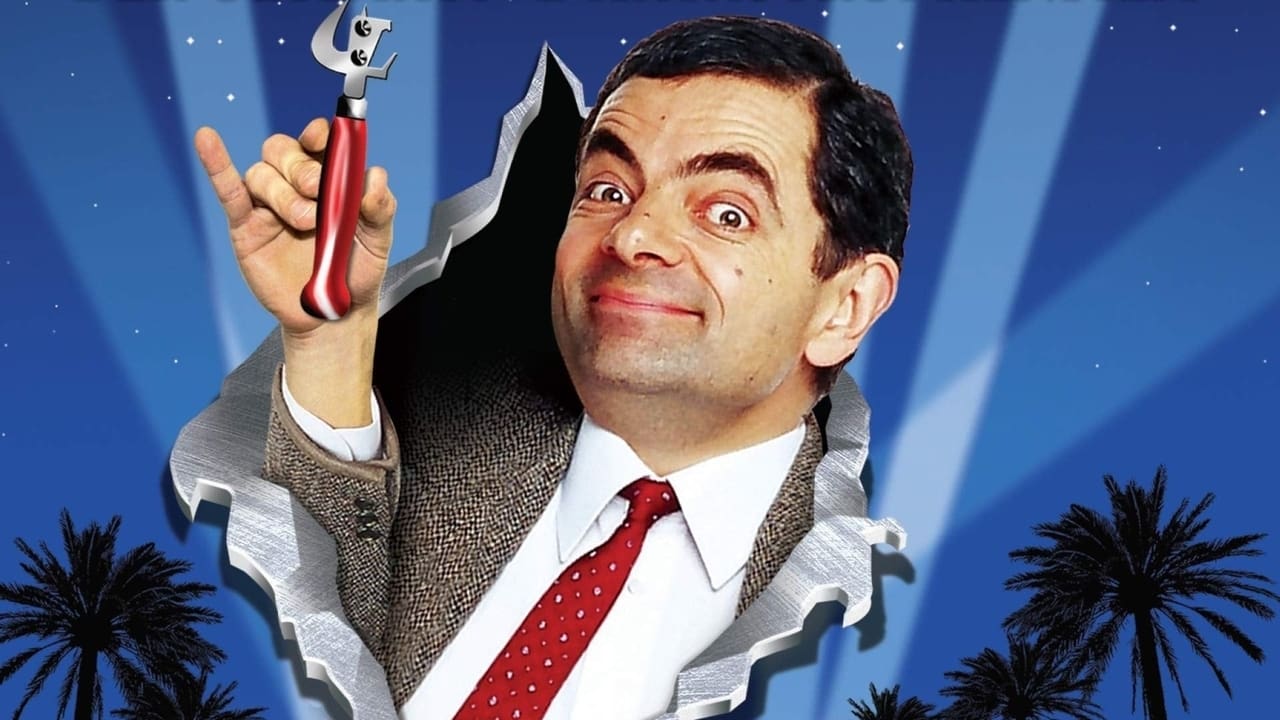
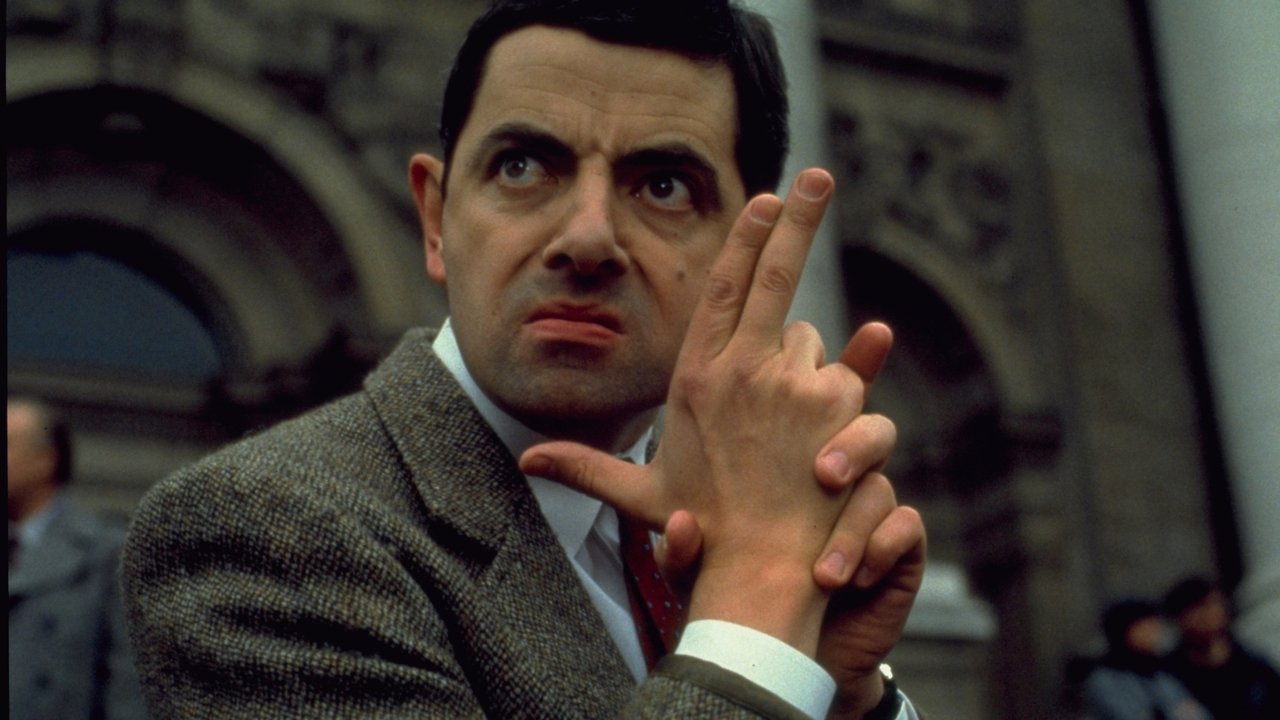
Let's be honest, the plot involving Whistler's Mother is really just a framework upon which to hang a series of increasingly elaborate Bean set pieces. And this is where the film often shines, reminding us why Atkinson is a comedic force of nature. While not an action film packed with explosions, the action here is purely comedic and physical, orchestrated with balletic precision by Atkinson. Remember the scene involving the unfortunate ink stain on the priceless painting? The escalating panic, the ludicrous attempts at cleaning, culminating in that moment with the solvent and the poster... it's pure Bean, amplified for the cinema. It’s cringe comedy dialed up to eleven, performed with absolute commitment.
Director Mel Smith, himself a British comedy legend (Alas Smith and Jones, director of The Tall Guy (1989)), understood the assignment. He wisely keeps the focus tight on Atkinson during these sequences, letting his rubber-faced expressions and meticulous physicality do the heavy lifting. There's a tactile quality to the humour, a sense of real-world consequence (even when utterly absurd) that feels very much of its time. You don't need CGI when you have Rowan Atkinson interacting with a turkey, a bathroom hand dryer, or an aerosol can of whipped cream. That sequence where Bean inadvertently 'improves' the hospital patient's monitoring equipment? Classic physical comedy construction.
### A Transatlantic Culture Clash
Beyond the slapstick, much of the humour comes from the culture clash. Bean, the quintessential awkward, inwardly-focused Brit, navigating the sunny, optimistic, and often oblivious world of 90s California provides fertile ground. Peter MacNicol as David Langley is the perfect foil – his descent from hopeful host to a man on the verge of a nervous breakdown is hilarious and surprisingly sympathetic. Pamela Reed as his understandably exasperated wife Alison also gets some great moments reacting to the chaos Bean unleashes upon their suburban lives.
It's worth remembering just how massive a global phenomenon Mr. Bean was. The TV show needed no translation, making it a hit literally everywhere. This movie tapped into that universal appeal. Despite a relatively modest $18 million budget (around $34 million today), Bean became a colossal international hit, grossing over $250 million worldwide (a staggering $475 million+ adjusted for inflation!). Critics at the time were often mixed – some found it hilarious, others felt the character was stretched thin for 90 minutes. But audiences, particularly those who'd grown up chuckling at Bean's TV antics, turned out in droves. Finding this tape at the rental store felt like catching up with an old, weird friend.
### Retro Fun Facts Corner
Digging through the archives unearths some gems: The iconic tagline on many posters was "Be afraid. Be very afraid. Mr. Bean has a passport." – perfectly capturing the impending doom. Also, the decision to base the plot around Whistler's Mother was reportedly Atkinson's idea, providing a suitably high-stakes anchor for Bean's particular brand of accidental destruction. While the film reused the famous 'turkey on the head' gag from the Christmas TV special, most of the major set pieces were created specifically for the movie, aiming for a larger cinematic scale.
### The Verdict
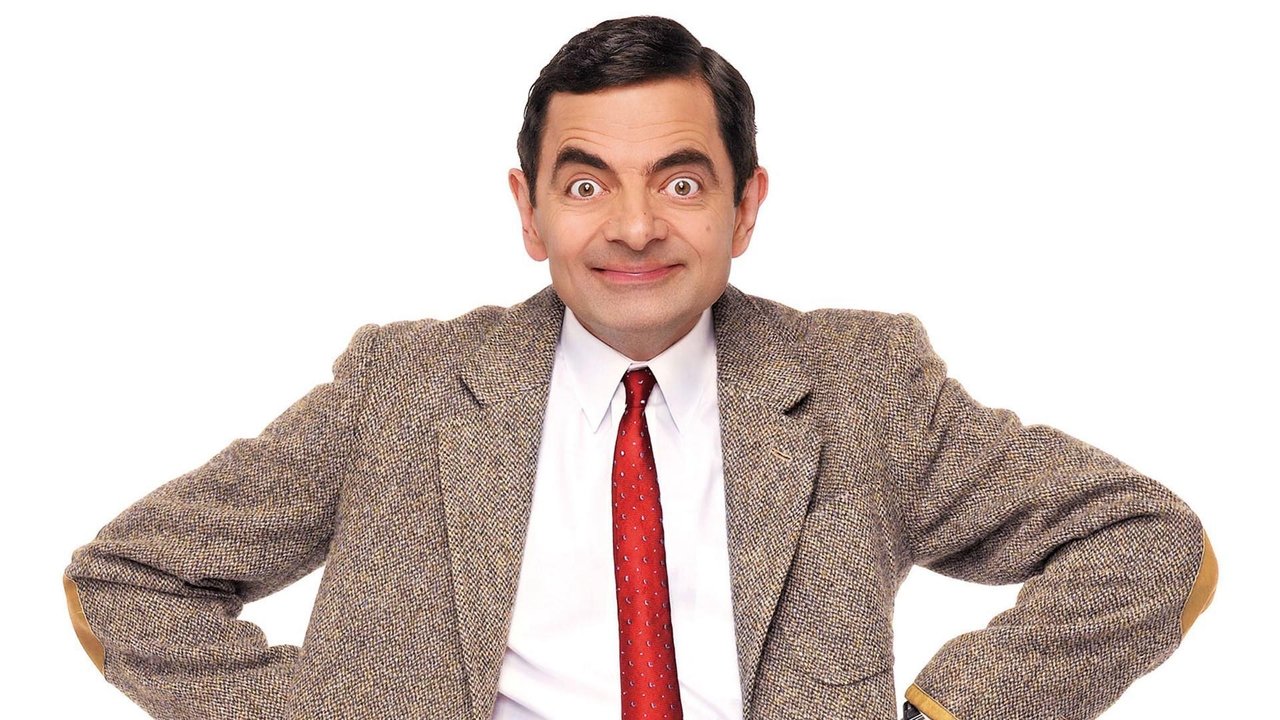
Watching Bean today is a pure hit of 90s nostalgia. It’s undeniably silly, the plot is thin, and some gags land better than others. Yet, Rowan Atkinson's performance remains a masterclass in physical comedy. The supporting cast, especially Peter MacNicol, provides excellent grounding for Bean's absurdity. It captures that specific feel of a mid-90s family comedy – slightly goofy, generally good-natured, and built around a star performing at the peak of their unique powers. It successfully navigated the risky jump from TV sketch to feature film, even if it sanded off a few of Bean’s more anarchic edges in the process.
Rating: 7/10
Justification: The film earns its score primarily through the sheer comedic brilliance of Rowan Atkinson and several truly inventive, laugh-out-loud physical comedy sequences. The supporting cast adds warmth, and the premise, while simple, works as a vehicle for Bean's chaos. It loses points for slightly diluting the pure essence of the TV character with added dialogue and a plot that occasionally feels like connective tissue between gags, but its massive box office success and enduring charm can't be denied.
Final Thought: Bean is like finding a beloved, slightly worn-out novelty toy in the attic – maybe not high art, but guaranteed to raise a smile and remind you of a simpler, sillier time when a man getting a turkey stuck on his head was peak cinematic comedy. A comforting slice of 90s disaster... the funny kind.