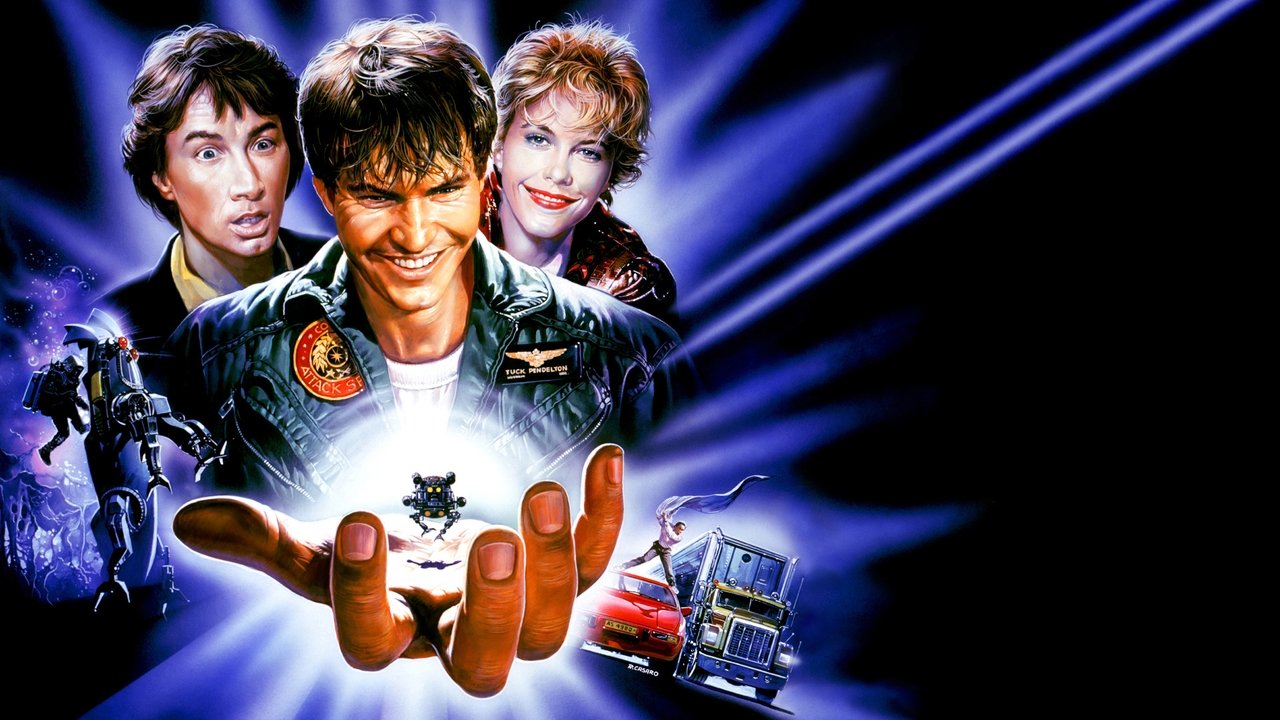
Alright, fellow tapeheads, settle in. Remember that particular thrill of grabbing a clamshell case off the video store shelf, the cover art promising something wild, weird, and wonderful? Sometimes, you hit pure gold. And sometimes, you hit Innerspace. This 1987 sci-fi comedy concoction, bubbling over with Amblin-era energy, felt like mainlining pure imagination through a slightly staticky RF cable back in the day. It’s a film built on a premise so delightfully absurd, you just had to see how they pulled it off.

### One Wild Ride, Inside and Out
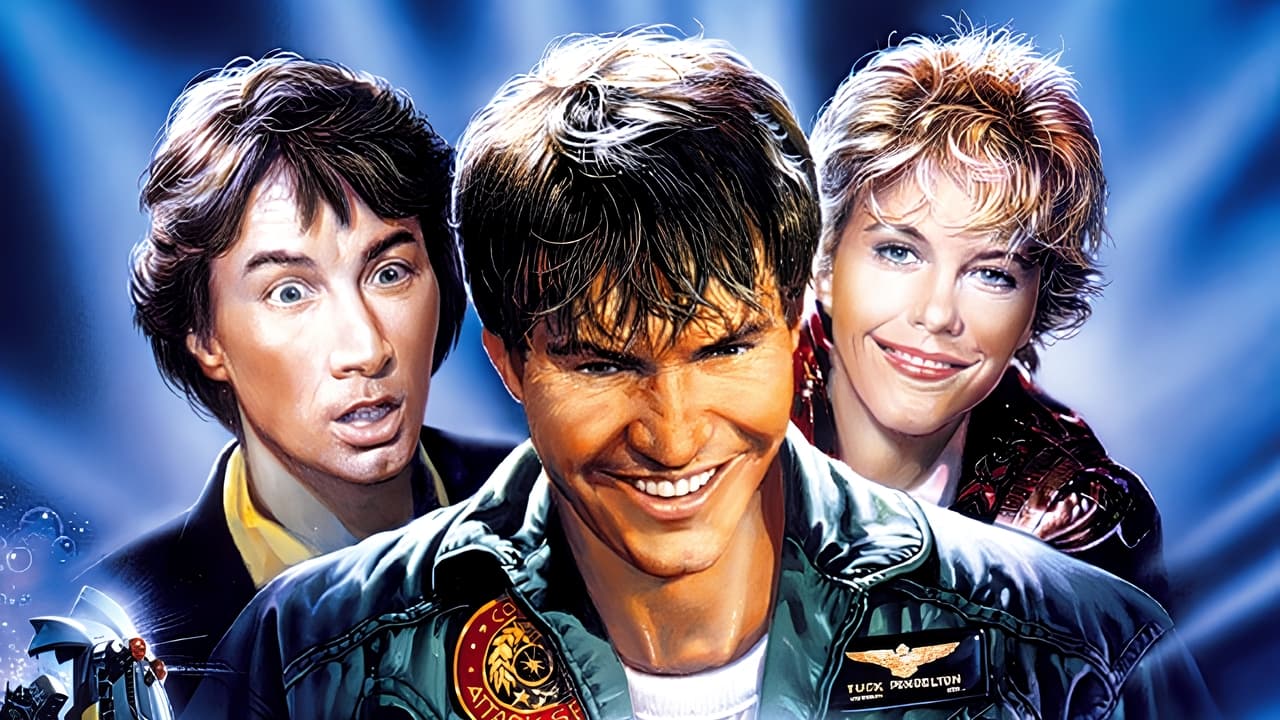
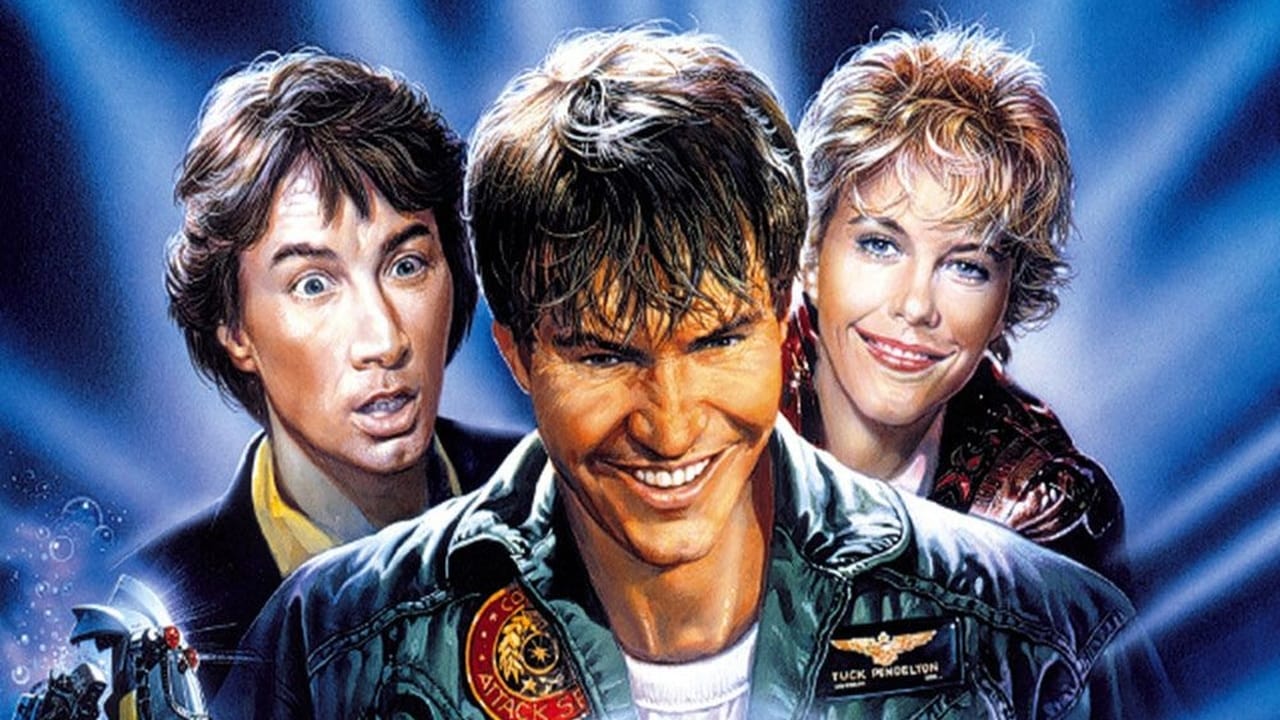
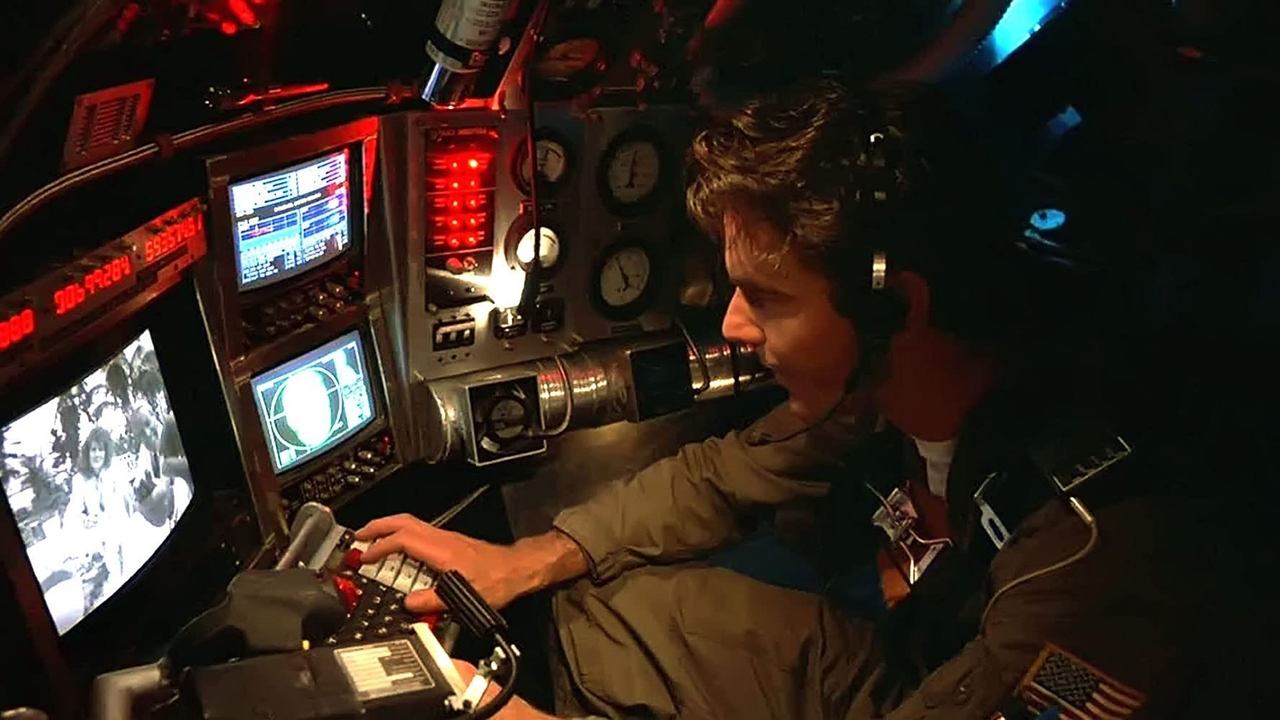
The setup is pure high-concept 80s genius: Lt. Tuck Pendleton (Dennis Quaid, channeling peak flyboy swagger), a disgraced naval aviator, volunteers for a top-secret miniaturization experiment. The plan? Get shrunk down in a submersible pod and injected into a rabbit. But, thanks to corporate espionage and a frantic chase through a shopping mall (because, 80s!), Tuck and his microscopic vessel end up accidentally injected into the bloodstream of one Jack Putter (Martin Short), a hypochondriac Safeway clerk having a spectacularly bad day. What follows is a frantic, hilarious scramble as Tuck navigates Jack's inner workings – communicating via tweaked optic nerves and eardrums – while Jack tries to stay alive on the outside, pursued by ruthless tech thieves (including the wonderfully weird Robert Picardo as "The Cowboy") and aided by Tuck's estranged journalist girlfriend, Lydia (Meg Ryan, radiating charm before she became America's sweetheart).
Helming this delightful chaos is Joe Dante, a director who practically built his career on blending genre mayhem with a wink and a grin (Gremlins, The Howling). You can feel his anarchic touch all over Innerspace. He masterfully balances the genuinely thrilling sci-fi adventure elements with Martin Short’s brilliant physical comedy. Short is simply incredible here, flailing, yelping, and contorting himself as he reacts to the microscopic mayhem unfolding within him. It’s a performance that could easily have tipped into pure caricature, but Short grounds it with just enough panicked relatability. Remember that scene where he tries to dance like Tuck to impress Lydia? Pure comedic gold.
### The Wonders Within: A Practical Effects Showcase
Let's talk about the main event: the journey inside Jack. This is where Innerspace truly earned its stripes – and its Academy Award for Best Visual Effects. Forget sleek, sterile CGI landscapes. The artists at Industrial Light & Magic (ILM), under the watchful eye of executive producer Steven Spielberg, crafted an inner world that felt tangible, organic, and sometimes wonderfully gross. Using meticulously detailed miniatures, clever lighting, puppetry, and optical compositing, they gave us a vision of the human body that was both awe-inspiring and bizarre.
The pod navigating the rushing river of the bloodstream, docking precariously near the vibrating eardrum, dodging the churning acids of the stomach – it all had a physical presence. You could almost feel the textures. Was it scientifically accurate? Probably not even close! But did it look incredible on a flickering CRT screen, making you believe a tiny Dennis Quaid was really piloting through someone’s veins? Absolutely. That practical magic feels almost like a lost art form now. Seeing actual models interact with simulated bodily fluids had a weight and reality that pixels often struggle to replicate. The budget, a hefty $25.9 million back then (around $70 million today!), clearly went heavily into making these sequences pop.
### Action, Laughs, and Retro Fun Facts
While the inner journey provides the spectacle, the external plot delivers classic 80s action-comedy beats. There are car chases (featuring some gnarly stunt work!), shootouts, and cartoonishly menacing villains like the silent-but-deadly Mr. Igoe (Vernon Wells, chewing scenery with gusto). The screenplay, co-written by Jeffrey Boam (who later penned Indiana Jones and the Last Crusade and Lethal Weapon 2 & 3), keeps things zipping along with snappy dialogue and inventive situations. Dante even throws in cameos from his regular troupe, including Dick Miller and Kevin McCarthy (as the wonderfully slimy villain Victor Scrimshaw).
Here's a fun tidbit: Joe Dante originally wanted Chuck Jones, the legendary Looney Tunes animator, to storyboard the film, which speaks volumes about the kind of kinetic, cartoonish energy he was aiming for. And while it wasn't a box office behemoth on release (grossing around $42 million domestically), Innerspace found its true audience on home video, becoming a beloved rental staple and a nostalgic favorite for many of us. The fantastic, propulsive score by the legendary Jerry Goldsmith definitely helped cement its place in our memories, perfectly capturing both the wonder and the manic energy.
### The Verdict
Innerspace is a joyous blast from the past. It perfectly encapsulates that specific brand of 80s Amblin magic – high-concept, funny, thrilling, and full of heart, even amidst the absurdity. The pairing of Quaid's cool confidence with Short's neurotic panic is inspired, Meg Ryan is luminous, and the practical effects remain a marvel of ingenuity. Sure, some of the tech looks quaint now, and the plot logic occasionally stretches thinner than shrink wrap, but its charm is undeniable. I distinctly remember renting this tape multiple times, just soaking in the visual invention and the sheer fun of it all.
Rating: 8/10 - Just shy of perfect, maybe the villains are a touch too goofy, but the central performances, groundbreaking effects for their time, and Joe Dante's energetic direction make this an absolute gem.
Final Thought: It’s the kind of movie magic concocted in a lab where science fiction, slapstick comedy, and pure 80s enthusiasm were mixed in wildly unstable, utterly brilliant proportions. Still shrinks the competition when it comes to sheer imaginative fun.