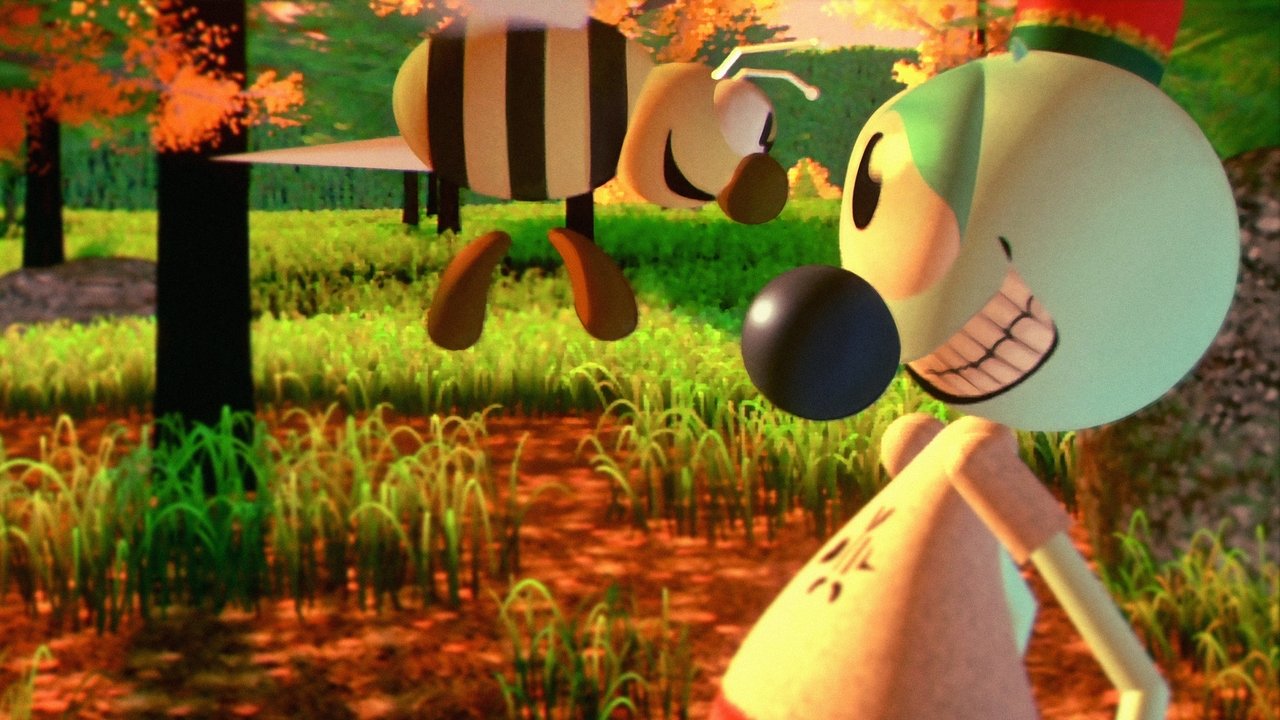
Okay, picture this: It's 1984. Computer graphics are mostly the domain of sci-fi movie effects or university research labs. Then, flickering onto a screen, perhaps at a film festival or a computer graphics conference like SIGGRAPH, comes something utterly new. A cheerful blue character named André wakes up in a forest, stretches, and is immediately harassed by a buzzing bee named Wally B. What follows is barely two minutes long, but it felt like witnessing the future unfold. This, folks, was The Adventures of André and Wally B., a tiny spark that heralded the digital animation revolution.
### A Glimpse of Tomorrow
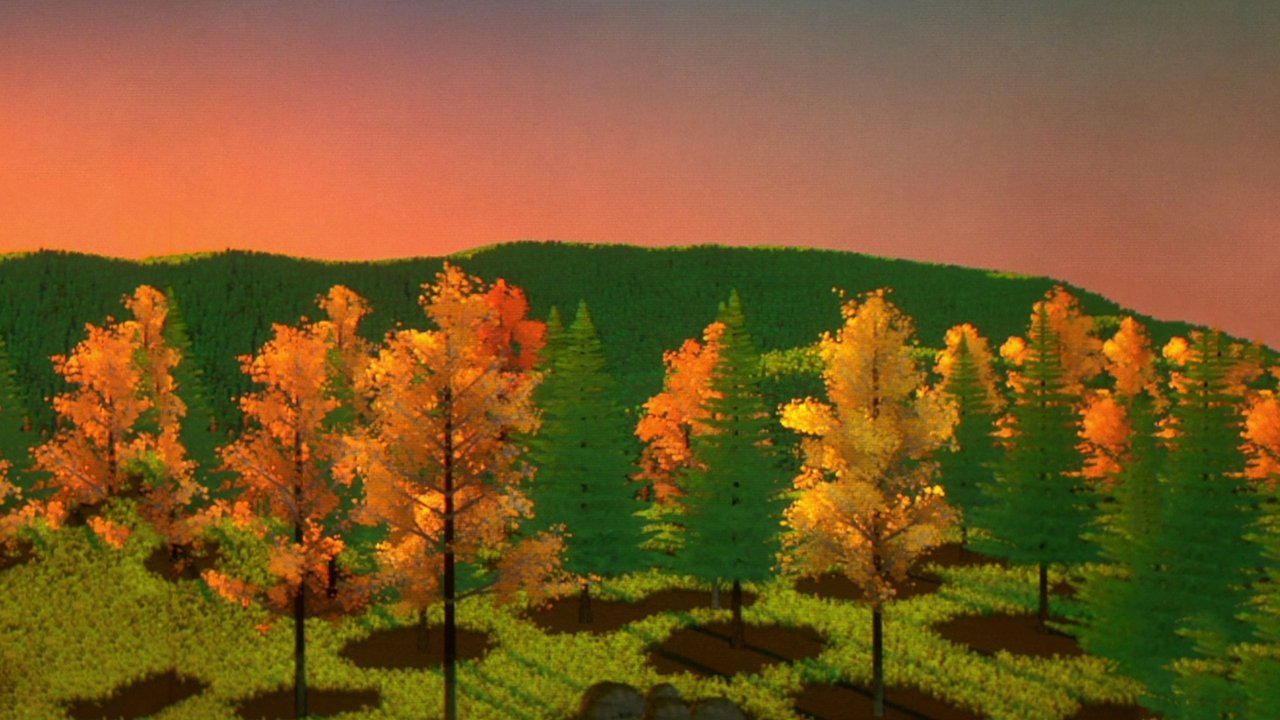
Let's be honest, revisiting André and Wally B. today requires a bit of temporal adjustment. The character models are simple, almost rudimentary by modern standards. The forest backdrop is stylised and sparse. But focusing solely on its visual simplicity misses the point entirely. This short wasn't just animation; it was a technological statement. Produced by the Lucasfilm Computer Graphics Project – the visionary group that would eventually blossom into Pixar Animation Studios – this was their very first fully computer-animated short film. Spearheaded by animation pioneer Alvy Ray Smith, who both wrote and directed, it was designed to push the boundaries of what CGI could do.
Think about the challenges. They weren't just drawing characters; they were building them in 3D space and then teaching a computer how to move them convincingly. This short marked significant breakthroughs. It was one of the first uses of complex, flexible character models in CGI. Even more impressively, it showcased motion blur – that subtle streaking effect that makes fast movement look natural – applied to computer animation, a computationally intensive feat back then. Reportedly, rendering a single frame could take minutes, even on the powerful Cray X-MP supercomputer they were using! They were literally inventing the tools as they went along, trying to imbue these digital creations with the classic animation principles of squash and stretch.
### More Than Just Pixels
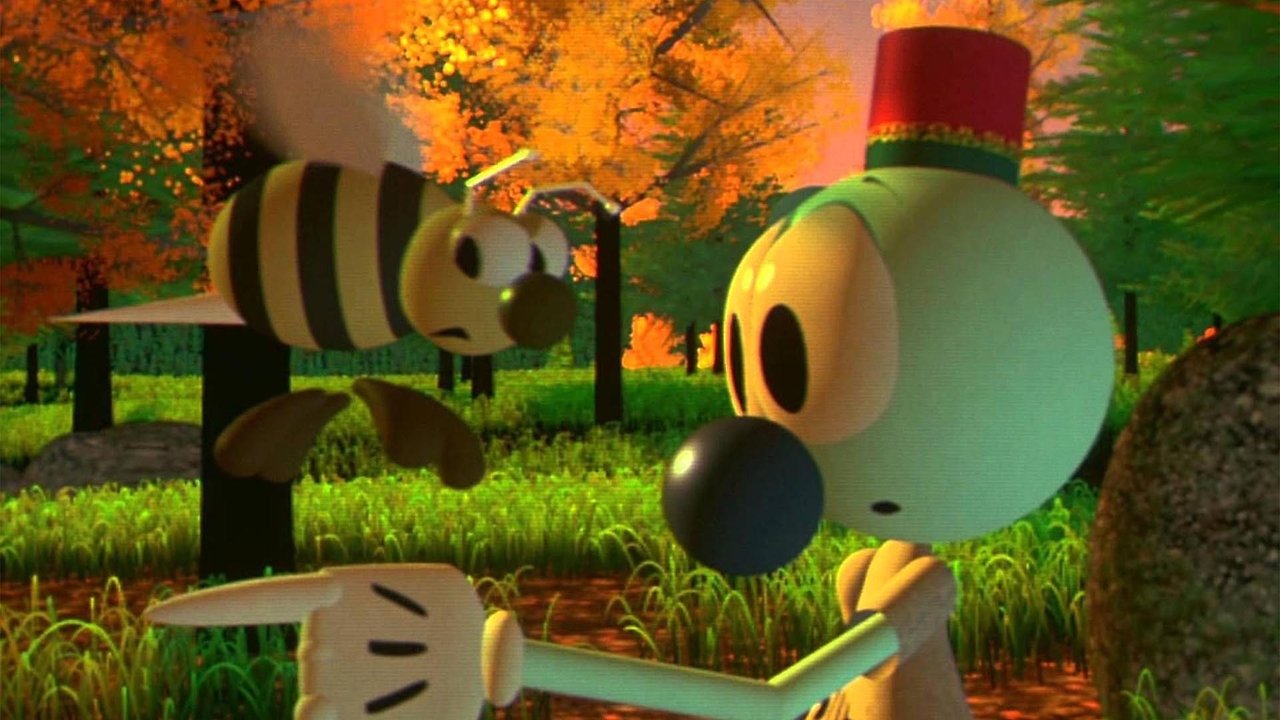
Watching André playfully evade Wally B., culminating in a final cheeky sting, it's easy to see the charm they were aiming for. The narrative is wafer-thin, essentially a quick gag, but the underlying ambition is palpable. This wasn't just about technical prowess; it was about exploring whether these digital puppets could convey character and emotion. Did André's sleepy stretch feel relatable? Did Wally B.'s persistent buzzing annoy you (in a good way)? For its time, the answer was a resounding yes. It demonstrated that CGI wasn't just for abstract shapes or spaceship flybys; it could tell stories, however simple.
It’s fascinating to think that this little experiment, born from the minds at Lucasfilm's burgeoning tech division (which also included future Pixar giants like John Lasseter working as a character designer/animator on this very short!), laid the groundwork for everything that followed. Without André dodging that bee, we might not have had Luxo Jr. hopping across our screens a couple of years later, let alone the feature-length wonders of Toy Story (1995) and beyond. It was proof of concept, a vital stepping stone that showed the potential of this new medium.
### The Verdict
For many of us who encountered André and Wally B. later, maybe tacked onto the beginning of a Pixar VHS tape or seen in a documentary retrospective, it might seem quaint. But understanding its context transforms it. It’s like looking at a Model T Ford – you don't judge it by modern highway standards; you admire it as a revolutionary piece of engineering that changed the world. The Adventures of André and Wally B. is exactly that for computer animation. It’s a foundational artifact, a digital incunabulum that, while brief and visually dated, carries immense historical weight and undeniable innovative spirit.
Rating: 8/10
This score isn't for intricate plot or dazzling modern visuals, but for its monumental significance as a pioneering work. It was a bold leap into the digital unknown, showcasing groundbreaking techniques and proving the storytelling potential of CGI decades ago. It earns its high marks for sheer innovation and its crucial role in animation history.
It might be short, sweet, and technologically vintage, but André and Wally B. is pure digital dynamite – the little bee sting that sparked a multi-billion dollar animation revolution. Now that's an adventure worth remembering.