A chill wind seems to blow straight off the celluloid in Greydon Clark's peculiar 1980 offering, The Return. It’s not the bluster of overt horror, but the unsettling quiet of the unknown, the kind that settles deep in your bones on a lonely night with only the VCR's hum for company. This isn't a film that screams its terrors; it whispers them from the dusty plains of small-town New Mexico, leaving you leaning closer, straining to understand the strange signals emanating from the screen.
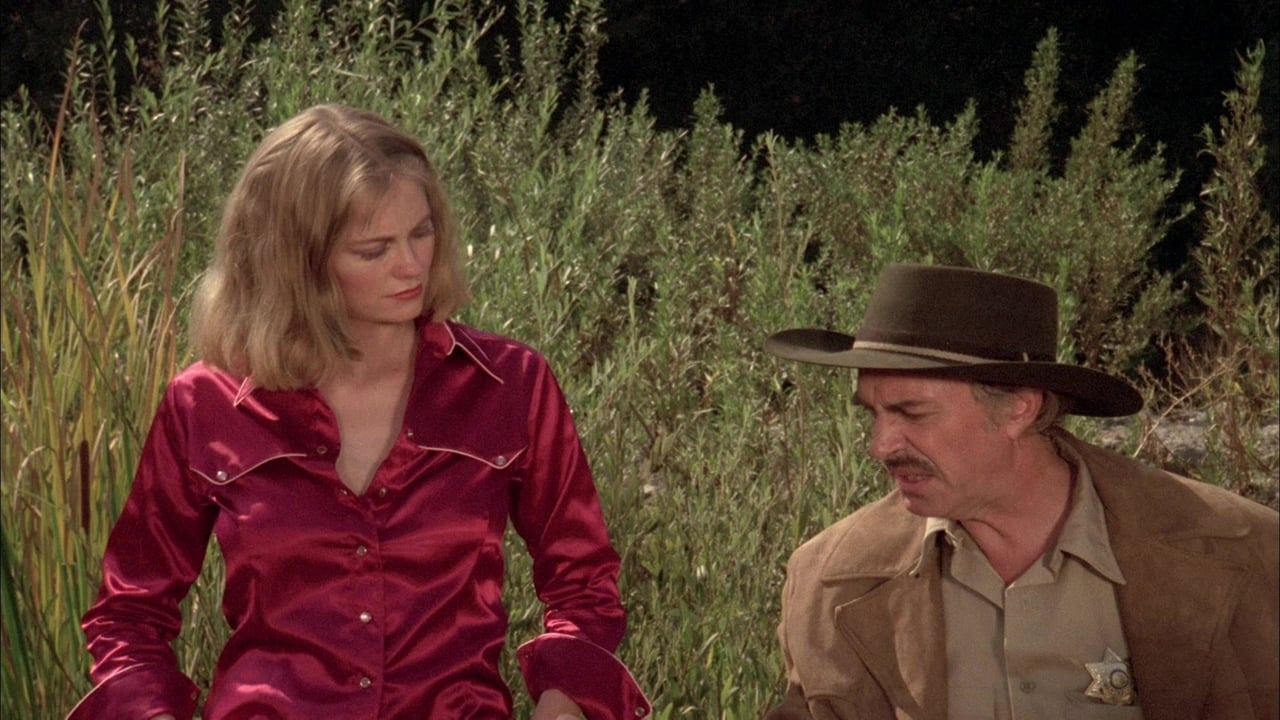
The opening image lingers: two children and an old man, bathed in the eerie glow of an unseen craft descending upon a desolate highway. It’s a scene ripped right from UFO folklore, imbued with a stark, almost documentary-like simplicity. Then, darkness. Twenty-five years later, Jennifer (a somewhat adrift Cybill Shepherd, caught between her early film success and the impending Moonlighting phenomenon) and Wayne (the perpetually intense Jan-Michael Vincent) return to the same sleepy town, now adults haunted by fragmented memories of that night. Simultaneously, strange cattle mutilations begin, unnerving the locals and drawing the attention of a decidedly out-of-place, Oscar-winning presence: Martin Landau as a grizzled prospector convinced something extraterrestrial is afoot.
Whispers on the High Plains
What unfolds is less a straightforward alien invasion flick and more a slow-burn mood piece, punctuated by bursts of perplexing psychic phenomena and low-key menace. Greydon Clark, a seasoned purveyor of B-movie grit known for fare like Without Warning (1980) and Joysticks (1983), directs with a workmanlike approach, letting the stark New Mexico locations do much of the heavy lifting. Shot around Cerrillos and Galisteo – locales that would later host films like Young Guns (1988) – the landscape itself becomes a character, vast and indifferent, amplifying the protagonists' isolation. There’s an undeniable atmosphere here, a sense of dust settling on long-buried secrets, even if the narrative sometimes feels as meandering as the desert roads.
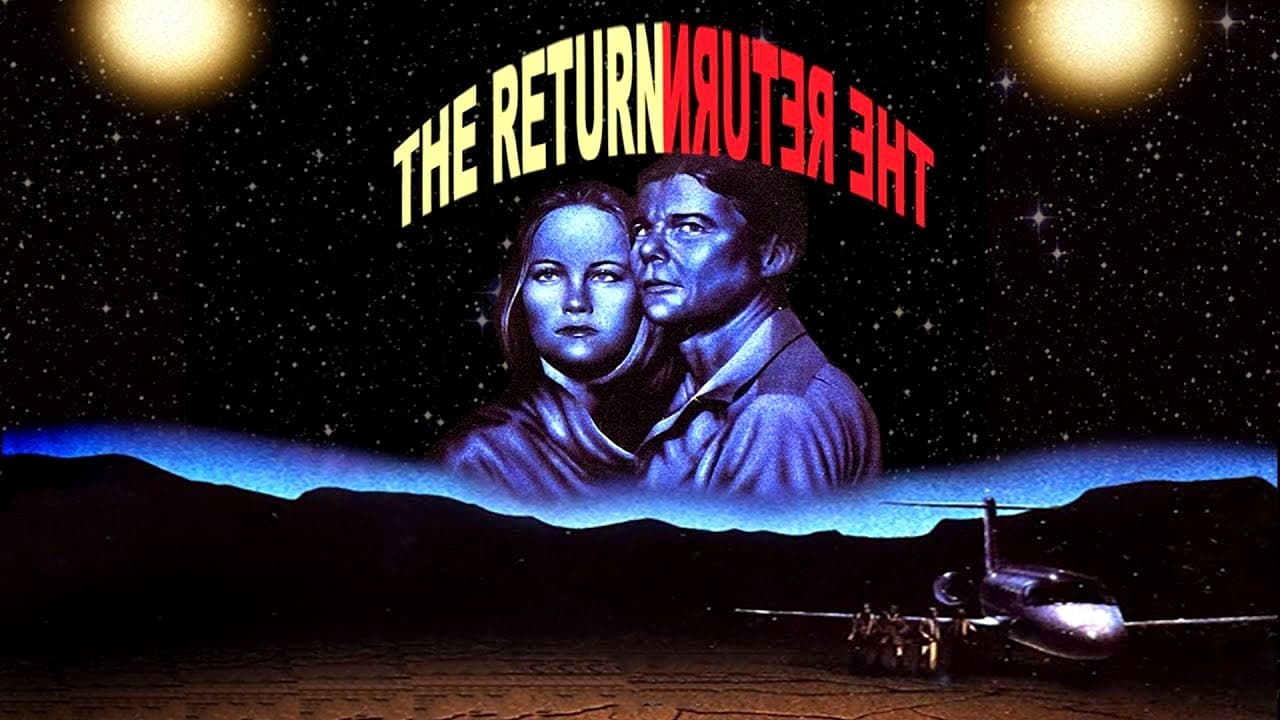
The screenplay, an early effort from brothers Ken and Jim Wheat (who would later find greater success penning genre hits like A Nightmare on Elm Street 4: The Dream Master and the surprisingly tight Pitch Black), feels ambitious for its modest $1.5 million budget. It attempts to weave together themes of suppressed trauma, homecoming, and cosmic mystery. Does it entirely succeed? Not quite. The pacing often drags, and certain plot threads feel disconnected, leaving you wondering if crucial scenes were lost in the edit or simply never conceived. Yet, there's a sincerity to its weirdness that keeps you watching.
That Unmistakable 80s Glow (and Glare)
This film is pure early-80s sci-fi B-movie fodder, existing in the shadow of giants like Close Encounters of the Third Kind (1977). The influence is clear, but the execution is decidedly earthbound. The special effects are minimal, relying heavily on glowing lights, suggestive sound design, and the actors' reactions. Remember how effective simple light effects could feel on a grainy VHS copy watched late at night? The Return leans into that, sometimes effectively, sometimes awkwardly. There’s a certain charm to the practical, almost hesitant approach to depicting the extraordinary, a far cry from the CGI saturation to come.
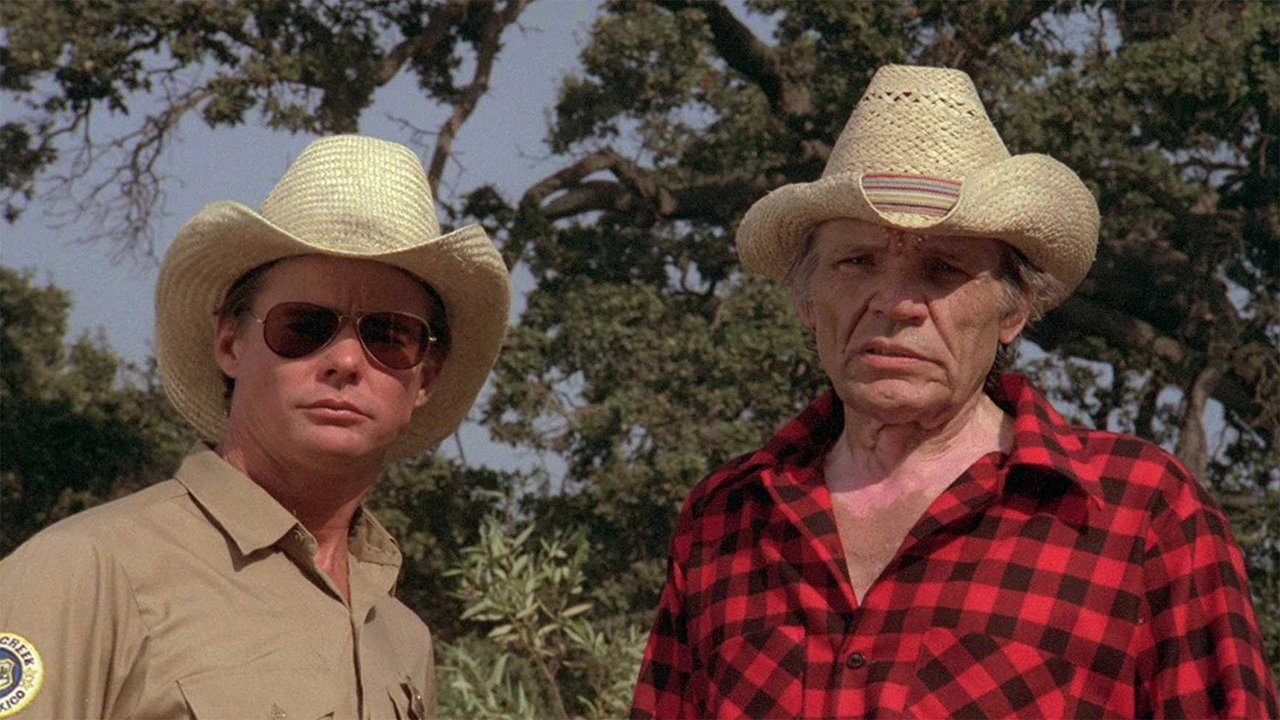
The performances are a curious mix. Shepherd and Vincent generate a low-key chemistry, their shared past providing a quiet anchor. Vincent, in particular, carries a haunted intensity perfect for his character, a man unknowingly touched by something otherworldly. But it’s Martin Landau who truly feels beamed in from another production. Why is this acclaimed actor chewing the scenery (and actual jerky) as a UFO-obsessed prospector in this dusty corner of genre cinema? Reportedly, the proximity of the New Mexico shoot to his Santa Fe home was a key factor. Whatever the reason, his committed, slightly unhinged performance adds a welcome jolt of energy whenever he appears, lending the film a peculiar gravitas it might otherwise lack.
Forgotten Signals
The Return often feels like a half-remembered dream – intriguing images and unsettling ideas swim around a core that never fully solidifies. It lacks the visceral punch of outright horror or the dazzling spectacle of bigger-budget sci-fi. It’s the kind of film you might have rented on a whim, drawn by the familiar faces on the cover box, and found yourself strangely captivated by its quiet oddity, even while acknowledging its flaws. Did it leave a lasting mark on the genre? Not really. It remains a lesser-known curio, a testament to the kind of earnest, slightly clunky, but atmospheric sci-fi that populated video store shelves in the early Reagan era.
It's easy to pick apart its shortcomings – the uneven pacing, the sometimes baffling character motivations, the anticlimactic resolution. But there's an undeniable sincerity baked into its DNA. It tries to be something more than just an exploitation flick, reaching for a sense of wonder and unease amidst the budgetary constraints. For those of us who haunted the sci-fi/horror aisles, there’s a certain nostalgic appeal to its particular brand of weirdness.
VHS Heaven Rating: 4/10
The score reflects a film brimming with intriguing ideas and atmospheric potential that are ultimately let down by sluggish pacing, a fragmented script, and budgetary limitations. The presence of Landau, Shepherd, and Vincent adds definite curiosity value, and the New Mexico locations provide a strong sense of place. However, it struggles to build sustained tension or deliver truly memorable sci-fi moments. It’s more interesting as an early-career artifact for the Wheat Brothers and a curious entry in the filmographies of its stars than as a fully realized piece of genre cinema.
The Return is a fascinating relic – a quiet, dusty echo of early 80s UFO paranoia, best appreciated late at night, perhaps after rediscovering a long-forgotten tape at the back of a closet. It may not be a classic, but its strange, wistful signal still faintly resonates across the decades.