Alright, fellow tapeheads, dim the lights, maybe crack open a dusty can of something fizzy, and let’s talk about a VHS tape that probably sat awkwardly on the shelf between Up in Smoke and Conan the Barbarian. I’m talking about Cheech & Chong’s The Corsican Brothers (1984), a film that feels like finding a bootleg cassette where your favorite rock band suddenly decided to record a polka album… in French. It’s a baffling, sometimes charming, often clumsy detour from the hazy, smoke-filled rooms we usually associate with the duo.
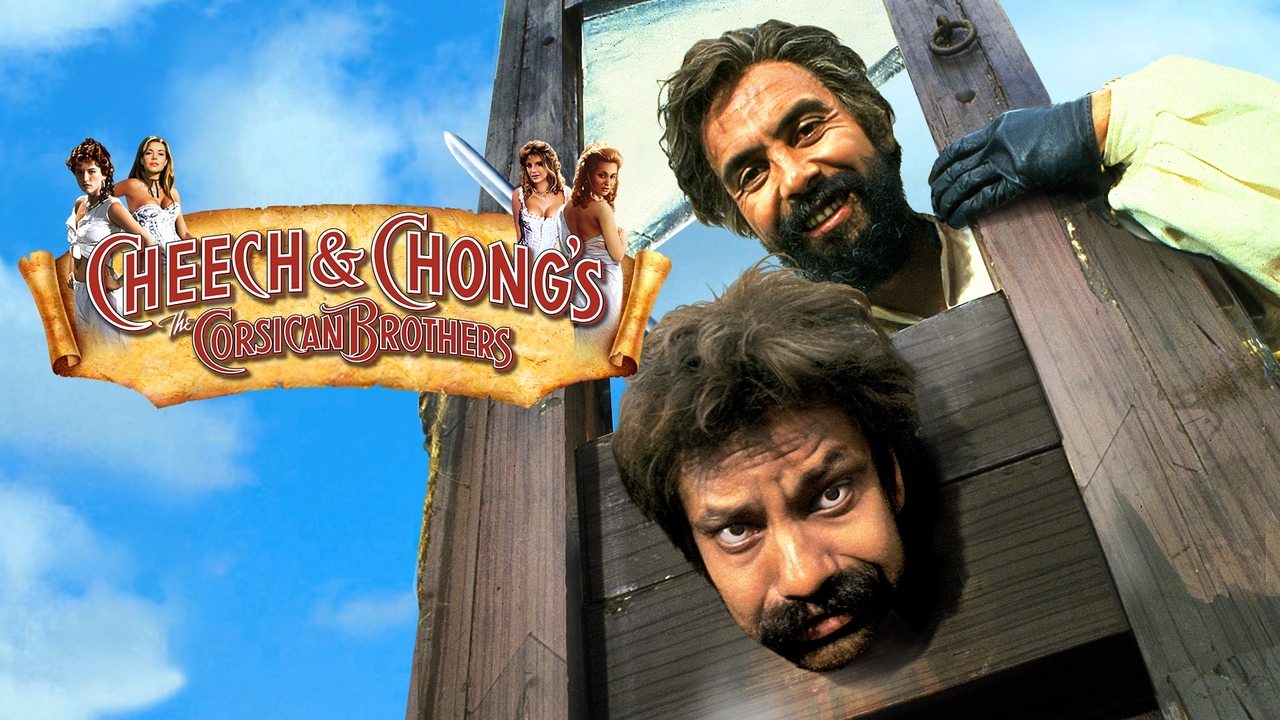
Remember scanning those video store aisles, the glorious wall of possibilities? You knew what you got with most Cheech Marin and Tommy Chong flicks – laid-back vibes, munchie runs, maybe a giant joint prop. But then there was this. A period piece? Swashbuckling? In France? It was a curveball wrapped in an enigma, stuffed inside a brightly coloured VHS box that promised adventure but delivered… well, something else entirely.
### Dueling Dummies in Dumas Territory
The premise itself is pure, unadulterated C&C logic filtered through classic literature. Based loosely (and I mean loosely) on Alexandre Dumas' tale, the film casts Cheech and Chong as Louis and Lucien Corsican, aristocratic French brothers separated at birth but linked by a peculiar psychic connection: when one feels pain (or pleasure, wink wink), the other instantly experiences it too. Framed by a modern-day story where Cheech and Chong are street performers in Paris who get mistaken for messengers, the bulk of the film throws them into a revolution against the deliciously evil Duke Fuckaire, played with sneering delight by the great character actor Roy Dotrice (who many might remember from Amadeus or later, Game of Thrones).
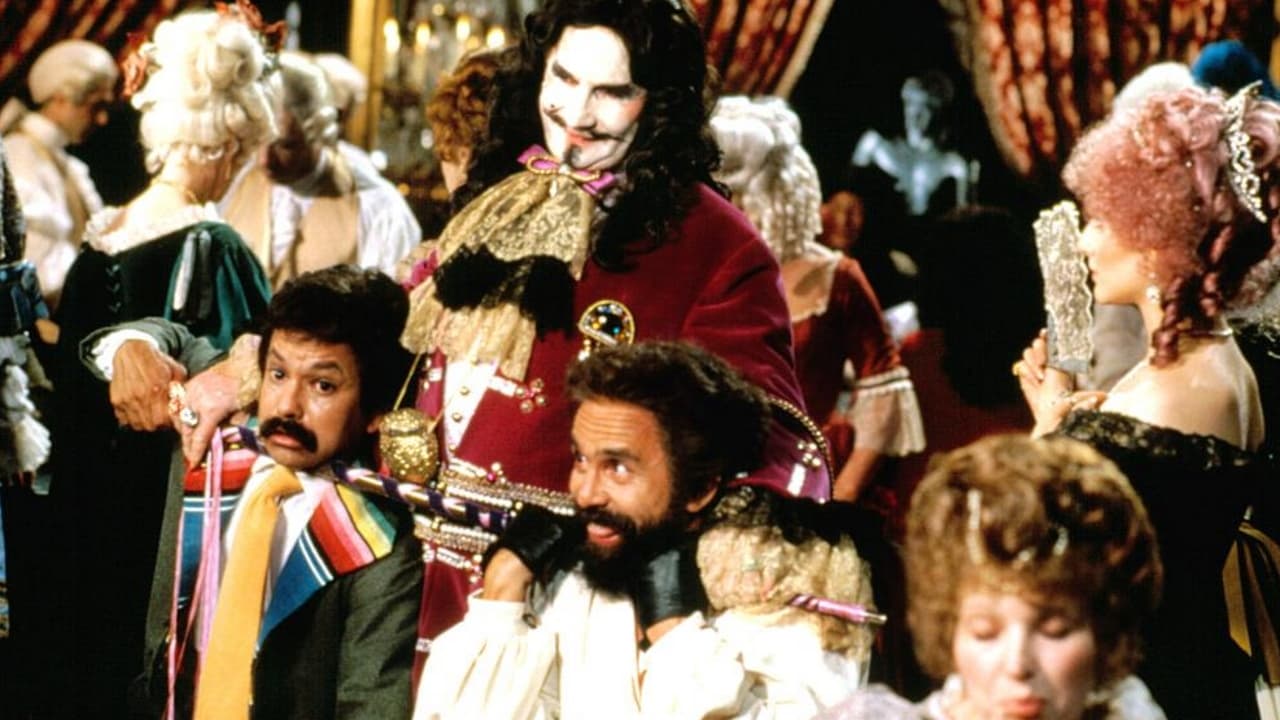
Directed by Tommy Chong himself, and co-written with Cheech Marin, the film tries to transplant their familiar brand of physical comedy and bumbling charm onto a completely different genre. The result is… inconsistent. Some gags land with the goofy charm we expect – the pain-sharing premise gets milked for all its slapstick worth, particularly during fight scenes where a punch to Cheech sends Chong reeling across the room. There are moments of inspired silliness, like the brothers communicating telepathically with exaggerated facial expressions.
### Sacre Bleu! Where'd the Smoke Go?
But here’s the rub, and probably why this tape gathered more dust than rentals back in the day: it feels strangely sanitized. This was a conscious effort by the duo to move away from their counter-culture stoner image and aim for a broader, PG-rated audience. It was a gamble, backed by a surprisingly hefty budget for a C&C film (reportedly around $10 million – quite a bit for a comedy back then!). They even filmed on location in picturesque parts of France, giving the movie a visual scope far beyond their usual California haunts. You can almost imagine the studio pitch: "It's Cheech & Chong, but classy! Like The Three Musketeers, but with more… uh… Cheech & Chong!"
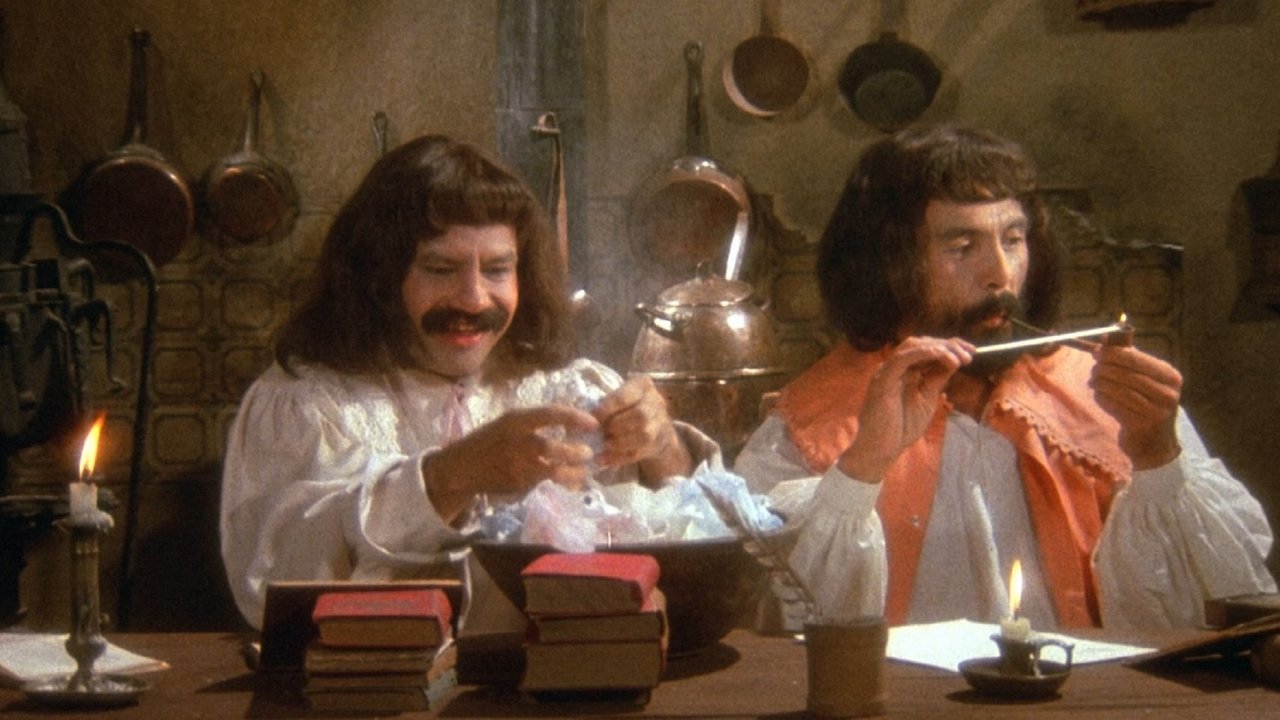
Unfortunately, stripping away the drug humour left a void that the swashbuckling parody couldn't quite fill. The jokes often feel tame, the pacing lags, and the plot meanders like a confused tourist in the Louvre. It alienated core fans who missed the signature vibe, while failing to fully capture a new audience perhaps bewildered by the whole concept. The box office reflected this confusion, pulling in only around $4 million, making it a significant financial disappointment for the pair. Was it brave? Maybe. Misguided? Probably.
### Practical Parody, Period Problems
Even within the context of parody, the action feels distinctly… well, 80s comedy action. There are sword fights, chases, and pratfalls, all staged with that era's practical approach. No CGI cleaning things up here – when someone falls, it looks like they fell. The sword fights are more clumsy ballet than Errol Flynn, intentionally so, playing into the brothers' incompetence. You can appreciate the effort, the physical commitment from Cheech Marin and Tommy Chong, who throw themselves into the roles (both sets of roles!) with typical energy. It’s just that the framework around them feels shaky. The production design tries hard to evoke 19th-century France, and sometimes succeeds in a charmingly budget-conscious way, but it often feels more like a large-scale school play than a sweeping historical epic.
It's fascinating to see them operate outside their comfort zone. Roy Dotrice clearly relishes his villain role, hamming it up beautifully. There are other familiar faces sprinkled throughout, but the film rests squarely on the shoulders of its two leads, who seem to be having fun even when the material doesn't quite click. I distinctly remember renting this one night, expecting the usual laughs, and spending most of the runtime slightly baffled but also strangely captivated by the sheer oddity of it all.
### The Verdict: A Curious Corsican Curiosity
So, is Cheech & Chong’s The Corsican Brothers a lost classic? Absolutely not. Is it an unwatchable disaster? Not really. It’s more like a bizarre experiment, a cinematic cul-de-sac in the careers of two comedy legends. It’s worth seeing for hardcore C&C completists, fans of oddball 80s comedies, or anyone curious about what happens when counter-culture icons try to play it straight(er) in powdered wigs. The ambition is noticeable, even commendable, but the execution often falls flatter than a crepe dropped from the Eiffel Tower. You watch it less for consistent laughs and more for the sheer "Wait, they actually made this?" factor.
Rating: 4/10
Justification: The rating reflects the film's noble but ultimately failed attempt to break genre molds. Points are awarded for the duo's game performances, Roy Dotrice's villainy, the ambition of the concept, and moments of genuine goofy charm. Points are deducted for the inconsistent humour, sluggish pacing, the awkward fit of C&C's style into the swashbuckler parody, and its failure to satisfy either their old fanbase or a new mainstream audience. It’s a historical curiosity more than a comedic triumph.
Final Thought: It’s the kind of VHS you’d find tucked away, maybe mislabeled, a strange relic proving that even comedy gods sometimes took weird, smoke-free detours down unexpected cobblestone streets. Approach with curiosity, not high expectations.